
Amboseli Weather: A Complete Month by Month Guide for Safari Travellers
Amboseli weather decides more than what jacket you pack. It shapes where elephants gather, whether Kilimanjaro clears by sunrise, how the roads feel under your wheels, and whether the swamps are alive with birds or baked into dry mud. That is why amboseli weather deserves a proper, honest answer before you lock in your dates.
Trunktrails Safaris plans Amboseli trips around real field conditions, not generic “best time” lists. We look at elephant movement, swamp levels, mountain visibility, and road practicality every month. That matters because Amboseli can feel like an entirely different park in June compared to November or February.
The park runs on two dry seasons and two wet seasons. The long rains run March through May. The short rains arrive in November. Between those windows sit two dry seasons: January to February, and June to October. Understanding that rhythm is the foundation of smart planning for Kenya tours and safaris in this ecosystem.
Amboseli Weather Month by Month: Quick Reference Table
| Month | Conditions | Kilimanjaro Visibility | Game Viewing | Notes |
|---|---|---|---|---|
| January | Warm, mostly dry | Excellent (morning) | ⭐⭐⭐⭐⭐ | Peak visibility, crisp light |
| February | Hot, dry, dusty | Excellent (morning) | ⭐⭐⭐⭐⭐ | Best photography month |
| March | Transition, showers building | Good early, patchy late | ⭐⭐⭐⭐ | Early month best; rates soften |
| April | Long rains, muddy roads | Poor to moderate | ⭐⭐⭐ | Green, moody, quiet park |
| May | Peak long rains | Often obscured | ⭐⭐ | Lush scenery; access challenges |
| June | Drying out, mild | Good to excellent | ⭐⭐⭐⭐ | Shoulder; wildlife consolidating |
| July | Cool, dry, clear | Excellent | ⭐⭐⭐⭐⭐ | Peak dry season begins |
| August | Cool, dry, clear | Excellent | ⭐⭐⭐⭐⭐ | High season; elephant calves active |
| September | Warm, dry | Excellent | ⭐⭐⭐⭐⭐ | Excellent all round |
| October | Transition, light showers | Good to patchy | ⭐⭐⭐⭐ | Short rains approaching |
| November | Short rains, brief showers | Moderate | ⭐⭐⭐ | Elephant calving; birds arrive |
| December | Rains ease, fresh landscapes | Good to excellent | ⭐⭐⭐⭐ | Strong close to the year |
The Long Rains: March, April, and May
The long rains are the most significant weather event in the Amboseli calendar. They typically build through March, peak in April, and taper off through May.
Weather in Amboseli in March
March is a transition month. Early March can still feel like dry season: warm days, open skies, and excellent game viewing. By mid-month, humidity climbs and afternoon showers become more frequent.
- Daytime temperatures remain warm
- Kilimanjaro often still clears in the early morning before cloud builds
- Road conditions inside the park stay manageable, but transfer roads can begin to soften
Early March is genuinely good value for Amboseli tours and safaris. You get near-peak conditions at softer rates as the high-season crowds have moved on.
Weather in Amboseli in April
April is wet. Showers come regularly, the ecosystem turns visibly green, and mountain views become unpredictable. Roads outside the park boundaries can become challenging.
- Lush, photogenic landscapes replace the dry dusty plains
- Birdlife intensifies around the wetlands and swamp edges
- Visitor numbers drop, meaning a quieter, more private experience
- Budget-conscious travellers often find their best rates here
Amboseli in April is a different kind of trip, not a lesser one. You come for mood, atmosphere, and value, not guaranteed Kilimanjaro every morning.
Weather in Amboseli in May
May is the wettest month. Roads can be at their muddiest, and sustained overcast skies can limit Kilimanjaro sightings for days at a time. Wildlife remains present around the swamps, but game drives require more patience.
- Elephant herds stay close to permanent water, making them findable
- Bird migration arrivals peak during this window
- This is the lowest-demand period for Kenya tours and safaris, so rates reflect that
The First Dry Season: January and February
Weather in Amboseli in January
January is one of the cleanest months on the Amboseli calendar. The short rains have ended, the ecosystem still looks fresh and green, and morning skies are often clear enough for striking Kilimanjaro views.
- Daytime temperatures sit in the high 20s Celsius
- Early mornings are cool; a light fleece is useful in an open vehicle
- Elephant herds concentrate around the swamps, making game drives efficient
Trunktrails Safaris recommends January for first-time visitors, couples, and families doing Kenya tours and safaris for the first time. It balances scenery, wildlife concentration, and comfortable road conditions well.
Weather in Amboseli in February
February is typically the driest and clearest month of the year. Low grass, open plains, and crisp morning light make it the strongest month for classic Amboseli elephant photography.
- Kilimanjaro clears in the morning before cloud builds by mid-day
- Dust on the open plains adds atmosphere to wildlife shots 📸
- Game viewing is efficient because thin vegetation leaves wildlife fully exposed
If iconic elephant-and-mountain imagery is your goal, February belongs at the top of your shortlist for amboseli safari weather conditions.
The Long Dry Season: June Through October
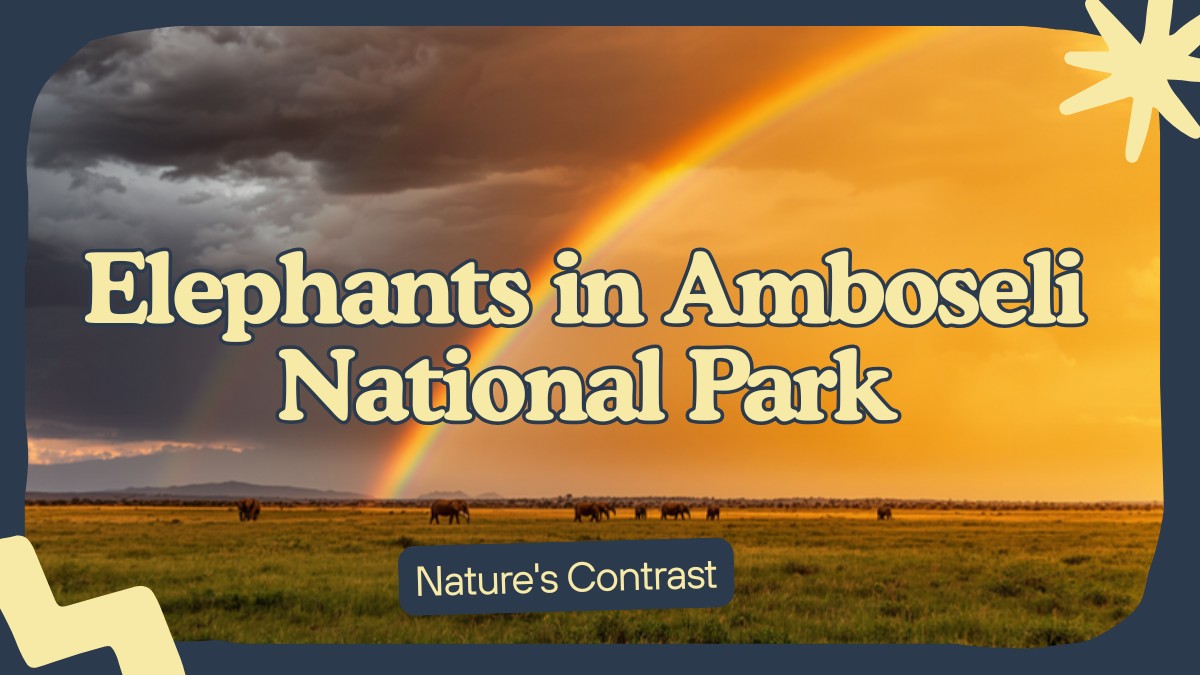
This is the window most travellers target, and for good reason. Six months of progressively drier conditions concentrate wildlife around the permanent swamps, clear the skies, and produce the most consistent Kilimanjaro visibility of the year.
Weather in Amboseli in June
June marks the start of the main dry season. The long rains have cleared, the landscape is still partially green, and wildlife starts consolidating around water sources.
- Temperatures are mild and pleasant during the day
- Early mornings can feel genuinely cold; bring a warm layer
- Road conditions improve rapidly through the month
Weather in Amboseli in July
July is the beginning of peak season. 🌅 Cool nights, warm days, and reliable clear skies make this one of the most popular months for Amboseli safaris.
- Kilimanjaro visibility is excellent, often clearing for the full morning
- Elephant herds gather at the swamps in large numbers as peripheral water sources dry up
- This is when calf-watching becomes particularly rewarding: young elephants born in the calving window are active and visible
Weather in Amboseli in August
August continues the peak dry season. Wildlife concentration around Enkiama and Longinye swamps is at its highest point of the year.
- Large elephant herds with young calves are a daily sight
- Kilimanjaro views are excellent most mornings
- Big cat activity increases as prey species concentrate near water
- This is one of the most popular months for amboseli climate guide searches, and for good reason
Weather in Amboseli in September
September is arguably the best all-round month for Amboseli safari weather. Peak-season visitor pressure begins to ease while conditions remain outstanding.
- Warm, dry, clear days
- Large elephant herds still active around the swamps
- Mountain views reliable most mornings
- A good shoulder option for travellers who want quality without peak-season crowds
Weather in Amboseli in October
October is a transition month. The short rains can arrive early, bringing brief afternoon showers and occasional overcast mornings. The ecosystem is still largely dry, and game viewing remains strong for most of the month.
- First rains green up the dust and improve air quality
- Elephant activity remains high as herds are still concentrated
- A good value month before November rates sometimes adjust
The Short Rains: November
Weather in Amboseli in November
November is the short rains month. Unlike the long rains, these showers are typically brief, often arriving in the late afternoon and clearing overnight. The mornings can still be excellent.
- Short, intense showers followed by clear skies are the typical pattern
- Kilimanjaro views are more variable but still possible on good mornings
- November is Amboseli’s elephant calving season, when the herds produce the year’s new calves after the rains trigger feeding and movement
This is one of the most underrated months for serious wildlife travellers. Trunktrails Safaris considers November a hidden-gem window for elephant behavior observation and bird migration viewing: hundreds of migratory species arrive at the wetlands during this period.
December: Fresh Landscapes and Strong Light
Weather in Amboseli in December
The short rains ease through December. The ecosystem looks its freshest, dust is gone, and the light quality returns to the clean conditions of January.
- Good to excellent Kilimanjaro visibility by mid-December
- Young calves born in November are visible alongside their families
- Game viewing improves steadily as the month progresses
- A popular choice for the end-of-year holiday period
December provides one of the more complete safari experiences on the Amboseli calendar: fresh vegetation, accessible wildlife, and reliable conditions heading into the new year.
Kilimanjaro Visibility: What Actually Determines It
Kilimanjaro sits just across the Tanzanian border, 5,895 metres above sea level. On clear mornings it dominates the Amboseli skyline. But visibility depends on more than the season.
Best visibility windows:
- Early morning, typically 6:00 to 9:00am before cloud builds
- January, February, July, August, September: most reliable months overall
- The mountain can still clear briefly during the rains, especially after a night shower
What reduces visibility:
- Afternoon cloud build-up (year-round, even in dry season)
- Sustained overcast during the long rains (April, May)
- Dust haze on very hot, still days in late February
The best strategy is a morning game drive that starts at sunrise. That is standard practice on Trunktrails Safaris tours and safaris in Amboseli.
The Trunktrails Advantage
Trunktrails Safaris is a native Kenyan-owned operator. We have been planning Amboseli tours and safaris for years with direct knowledge of how this ecosystem behaves month to month, not just season to season.
Here is what that means for your trip:
- Tailor-made itineraries for all budgets. Whether you are travelling mid-range or premium, we build around your dates and priorities, not a fixed package calendar.
- 24/7 direct operator support. No middlemen, no third-party agencies. You speak to us directly, before and during your safari.
- Conservation commitment. Five percent of every Trunktrails Safaris booking goes toward wildlife conservation in Kenya.
- On-the-ground field knowledge. We track real swamp levels, road conditions, and elephant movement patterns. When conditions shift, we adjust your itinerary, not just your expectations.
- -certified and. You book with a fully credentialed, Kenya-based operator.
If you are trying to match your travel window to specific conditions, a 10-minute call with the Trunktrails Safaris team will give you a clearer picture than any generic best-time article. 🦒
Plan Your Amboseli Safari with Trunktrails Safaris
Amboseli rewards travellers who understand its rhythm. The right month means better Kilimanjaro views, closer elephant encounters, quieter roads, and a safari that fits how you actually want to travel.
Trunktrails Safaris will match your dates to the conditions you are looking for, whether that is peak dry-season wildlife, green-season atmosphere, or the November calving window.
Get in touch and we will build your itinerary around real conditions:
Further reading
More safari planning resources
- Best time to visit Kenya month-by-month map from Valley Safaris
- Best time to visit Kenya on Touring Insights
- Amboseli destination guide on FindMySafari
- Map of Amboseli from Valley Safaris
📞 WhatsApp: +254 113 208888 📧 Email: info@trunktrailssafaris.com 🌍 Website: https://trunktrailssafaris.com ✅