
Amboseli Elephant Safari: Giants Beneath Kilimanjaro
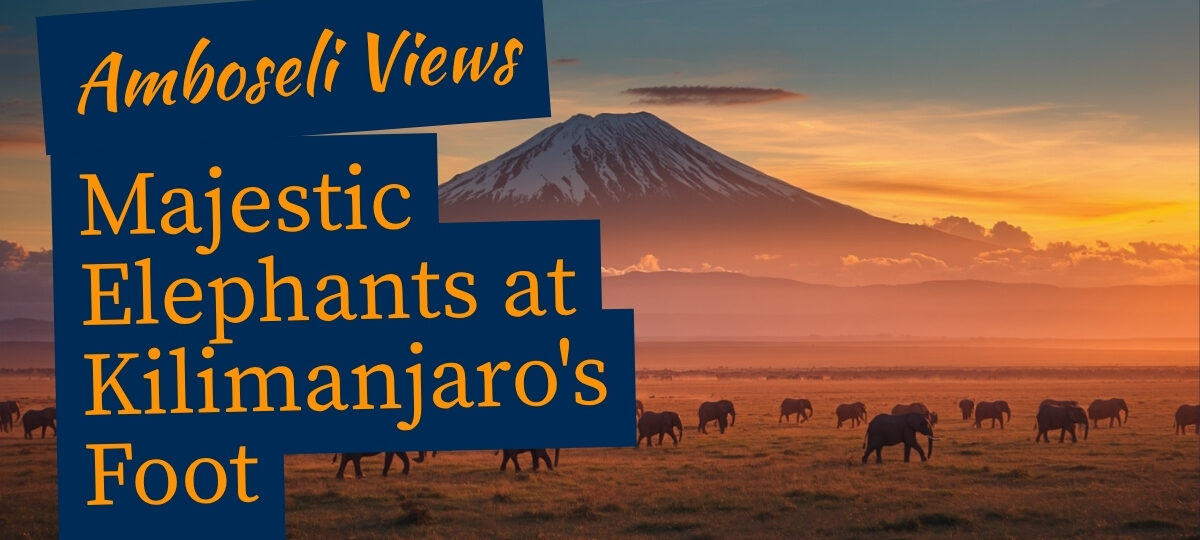
Picture this: a hundred elephants move slowly across open grasslands, their silhouettes framed against the white glaciers of Mount Kilimanjaro. The morning light turns everything amber. A matriarch leads her family toward a swamp fed by ancient snowmelt. A calf stumbles, steadies, follows. Nothing you have ever seen prepares you for this.
An Amboseli elephant safari is one of the most visually and emotionally powerful wildlife experiences in Africa. No other place on earth puts you this close to so many free-roaming elephants with such a legendary backdrop. At Trunktrails Safaris, we have been taking guests to Amboseli for years, and the reaction is always the same: silence first, then tears.
This guide covers everything you need to know before you go: the elephants, the best season, the photography, the landscape, and why this park deserves more than a single day.
Why Amboseli National Park Is a Must-Visit Destination
Amboseli National Park sits in southern Kenya, 240 kilometres from Nairobi. It covers 392 square kilometres of diverse habitat: open savannah, seasonal swamps, acacia woodlands, and the dry bed of Lake Amboseli. The park shares its southern boundary with Tanzania, and on clear days, Kilimanjaro fills the horizon like a wall.
The park is famous for two things above all else: elephants and that mountain. But what makes Amboseli stand apart is the combination of scale, accessibility, and scientific depth. This is one of the most studied elephant populations on earth, which means every herd you encounter has a name, a history, and a story researchers have been recording since 1972.
A Landscape Built for Big Game
Amboseli’s swamps, fed year-round by Kilimanjaro’s snowmelt, act as a magnet for wildlife. Even in the dry season, these permanent water sources draw elephants, buffaloes, hippos, and wading birds to the same concentrated areas. That concentration is what makes game drives here so productive. You are not searching; you are arriving at the right place at the right time.
The Elephant Capital of Kenya 🐘
Amboseli is home to more than 1,600 African elephants, one of the largest and most well-documented populations on the continent. These are not anonymous animals. Researchers from the Amboseli Elephant Research Project have tracked individual elephants and their family trees across five generations, giving each one a name and a life story.
What this means for you as a visitor: when your guide points to a matriarch and tells you she lost her mother to drought in 2009, raised three calves through a difficult decade, and now leads a family of twenty-two, you are not watching wildlife. You are witnessing biography.
Big Tuskers: A Rare Sight
Kenya’s big tuskers, elephants carrying tusks long enough to touch the ground, are increasingly rare across Africa. Amboseli holds a small but notable population of these bulls. Spotting one is not guaranteed, but the chances here are higher than almost anywhere else in East Africa.
Wild Elephants vs. Captive Elephants
Amboseli shows you what elephants actually are. Matriarchs decide when the herd moves. Youngsters wrestle in the mud. Bulls appear on the horizon and vanish again on their own schedule. The scale of the plains and the depth of their social bonds are impossible to replicate in any other setting.
No zoo or sanctuary gives you this. Here, the elephants are running their own lives.
Mount Kilimanjaro Views Like Nowhere Else 📸
At 5,895 metres, Kilimanjaro is the tallest freestanding mountain in the world. The mountain sits in Tanzania, but Kenya’s Amboseli gives you the clearest and most dramatic views. On calm mornings, before the cloud builds, the summit rises perfectly above the treeline in pink and white.
The classic shot, elephants at ground level with Kilimanjaro rising behind them, has appeared on magazine covers, documentaries, and conservation campaigns for decades. It never loses its power because the composition is true. That is what the place actually looks like.
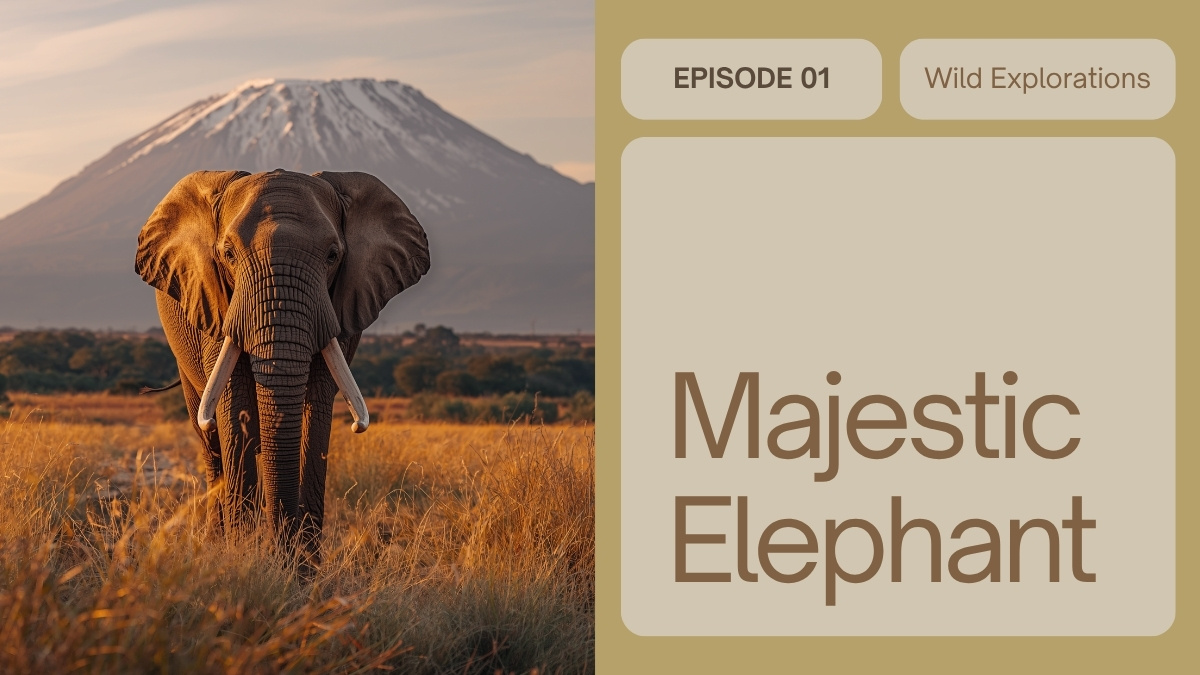
Photography tips from our guides:
- Arrive at the swamps before 7:00am for the best light and clearest mountain views
- Shoot from a low angle where possible to emphasise the mountain’s scale behind the elephants
- December and January often produce the sharpest Kilimanjaro visibility after the short rains clear the dust
- A 200-400mm lens covers most scenarios, but a wider angle captures the landscape context
Best Time for an Amboseli Elephant Safari
Amboseli rewards visitors year-round, but the experience shifts significantly between seasons. Here is what each period delivers.
Dry Season (June to October, January to February)
The dry season is the most popular time for an Amboseli elephant safari, and the reasons are straightforward. As water disappears from the surrounding landscape, animals concentrate around the permanent swamps. Elephant herds consolidate. Predators follow. Vegetation stays low, so nothing blocks your sightline.
| Factor | Dry Season | Wet Season |
|---|---|---|
| Wildlife concentration | Very high | Moderate |
| Kilimanjaro visibility | Good (morning) | Excellent after rain |
| Road conditions | Excellent | Difficult in heavy rain |
| Migratory birds | Low | Very high |
| Baby elephants | Present year-round | Peak births |
| Prices | Higher (peak: Aug-Sep) | Lower (green season) |
| Crowds | More visitors | Fewer tourists |
July through October is peak season. Expect more vehicles at popular sighting spots and higher lodge rates. January and February offer similar wildlife density with fewer crowds and better value on tours and safaris.
Wet Season (March to May, November to December)
The short rains in November and December bring dramatic changes. The plains turn green. Migratory birds arrive in huge numbers. Baby elephants are born, which means chaotic, affectionate herd dynamics that are genuinely moving to watch.
The long rains from March to May are heavier. Some roads become impassable. But the green season also brings significant price drops across Amboseli accommodation and tours and safaris, and the atmosphere, thunderheads building over Kilimanjaro, migratory storks wading through flooded plains, is completely different from anything the dry season offers.
Amboseli Wildlife Beyond the Elephants
The elephants dominate attention, but Amboseli’s wildlife roster is broader than most visitors expect.
What else you will see:
- Lions and cheetahs: The open terrain makes big cat sightings more predictable than in busier parks
- Buffaloes: Large herds often gather around the swamps alongside the elephants
- Hippos: Present year-round in Enkiongo Narok and Longinye swamps
- Over 600 bird species: Including pelicans, herons, saddle-billed storks, and African fish eagles
- Masai giraffes: Visible on the park’s drier northern edge
- Hyenas, jackals, and mongoose: Common throughout
The flat terrain and excellent visibility mean you rarely leave Amboseli feeling you missed something. Every drive produces multiple quality sightings. 🦁
Conservation and the Amboseli Ecosystem
The elephants of Amboseli exist within a broader conservation landscape that extends well beyond the park boundary. The surrounding Maasai group ranches provide critical dispersal corridors. Without them, the elephant population would be confined and the genetic diversity of the herd would decline.
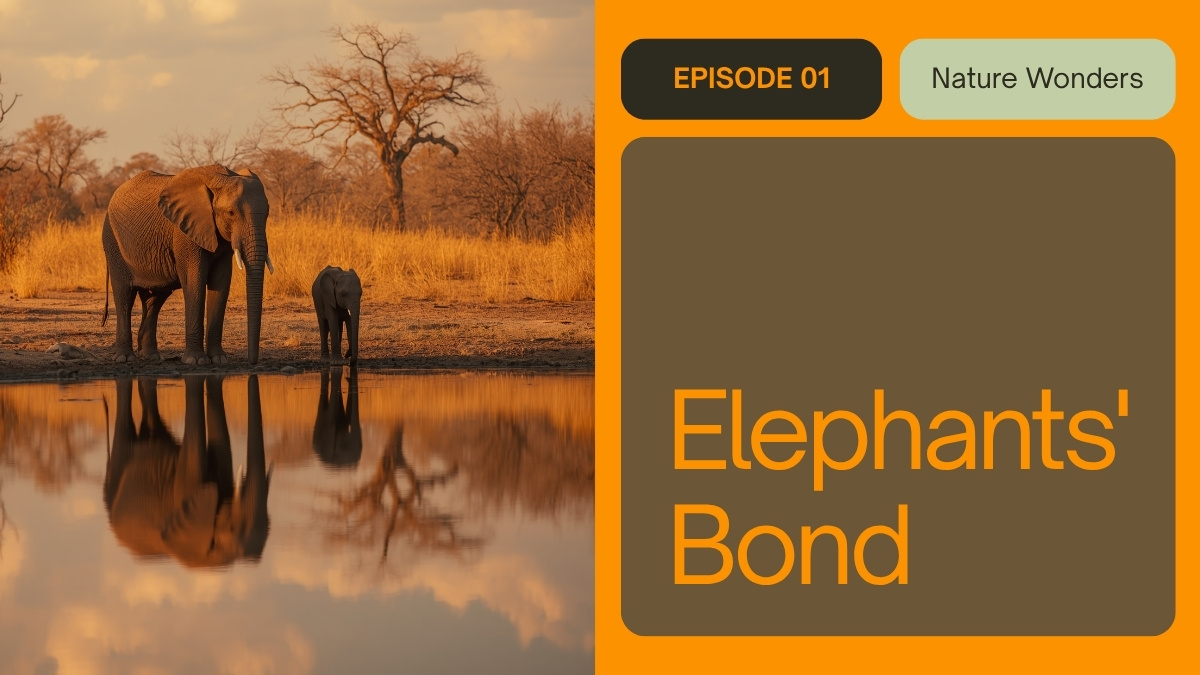
Trunktrails Safaris supports this conservation web directly. Five percent of every booking goes toward wildlife conservation projects operating in and around Kenya’s national parks. When you book an Amboseli elephant safari with us, part of your trip cost funds the community-based conservation programmes that make it possible for these herds to continue moving freely across their historical range.
The Amboseli Elephant Research Project remains one of the longest-running wildlife studies in Africa. Their work on elephant cognition, social behaviour, and responses to drought has reshaped how science understands these animals.
The Trunktrails Advantage ✨
When you book tours and safaris through Trunktrails Safaris, you are booking directly with the people who run them. We are a native Kenyan-owned operator, -certified and, with no third-party agents, no booking fees layered into the price, and no call centres between you and the team on the ground.
What sets us apart:
- Local ownership and expertise: Our guides have spent years learning Amboseli’s elephants by name. They know which families congregate near the Longinye swamp in the early morning and which bulls appear near Observation Hill at dusk.
- Tailor-made itineraries: Whether you want a two-night budget-friendly stay or a week-long premium lodge circuit, we build the trip around your schedule, budget, and priorities. All budgets welcome.
- 24/7 direct support: You have a direct contact number for your guide and our operations team throughout your trip. No helpdesks, no queues.
- Conservation contribution: 5% of every Trunktrails Safaris booking goes to wildlife conservation. You leave knowing your trip funded something that matters.
- Credibility:. We stand behind every itinerary we produce.
Budget Amboseli tours and safaris start from $650 for a two-day package. Mid-range options with comfortable lodge accommodation run from $850 to $1,200. Premium stays in Amboseli’s top properties start from $1,400. Every package includes park fees, a professional guide-driver, and 4×4 transport.
Plan Your Amboseli Elephant Safari
An Amboseli elephant safari rewards every type of traveller. Wildlife photographers come for the Kilimanjaro compositions. Conservation-minded travellers come for the research history. Families come for the accessibility and the sheer emotional impact of watching a calf figure out how to drink. 🌍
Two nights is the minimum worth considering. Three nights lets you cover the major swamps and the drier northern zone, catch both morning and evening light on Kilimanjaro, and spend genuine time with the elephants rather than rushing between viewpoints.
Amboseli pairs well with Tsavo East or Tsavo West for a longer southern Kenya circuit, or with Lake Nakuru for a very different but complementary wildlife experience.
Book Your Amboseli Safari with Trunktrails Safaris
Spaces in Amboseli’s best lodges during peak season fill months in advance. If you are planning a dry-season trip, start early.
Contact us directly to get a custom itinerary and quote within 24 hours:
Further reading
More safari planning resources
- Map of Amboseli from Valley Safaris
- Amboseli National Park guide on Touring Insights
- Amboseli destination guide on FindMySafari
- Best time to visit Kenya month-by-month map from Valley Safaris
📞 WhatsApp: +254 113 208888 📧 Email: info@trunktrailssafaris.com 🌍 Website: https://trunktrailssafaris.com
No agencies. No markups. Just the people who know these elephants, ready to take you to meet them.

