
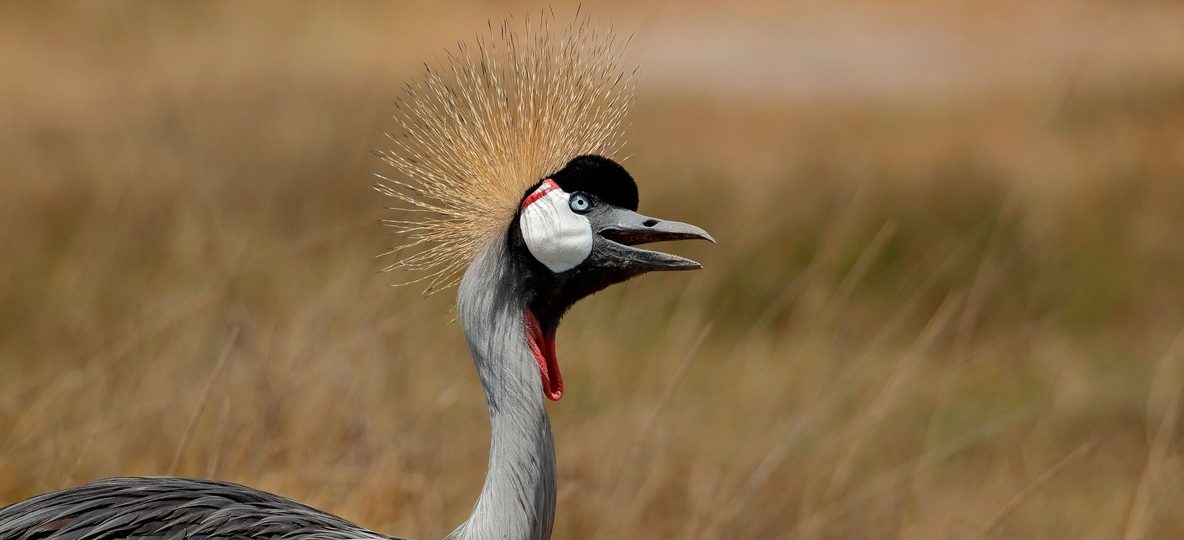
Amboseli in June: What to Expect as the Long Rains End and Kilimanjaro Views Clear
Amboseli in June sits at the exact hinge point of Kenya’s weather calendar. The long rains that soak the ecosystem from March through May are tapering off, the plains are still green from months of moisture, and the humid cloud cover that hides Mount Kilimanjaro for most of the wet season starts breaking apart. Few months change this fast on the ground, and that shift is exactly what makes June worth planning around.
This guide covers what June actually looks like in Amboseli, from the odds of a clear Kilimanjaro sunrise to the shoulder season rates most travelers do not know to ask about, with real distances, fees, and named camps so you can plan with numbers instead of guesswork. Trunktrails Safaris runs June departures into Amboseli every year as part of our wider tours and safaris across southern Kenya, and the transition pattern is consistent enough to build an itinerary around.
Why June Is Amboseli’s Transition Month
Kenya’s long rains typically run from March through May, and by June the heaviest downpours have usually passed, though a few lingering showers in the first week or two are common. What is left behind is an ecosystem still carrying the benefits of the rains, green grass across the plains, full seasonal pans, and swamps running at their fullest for the year.
That combination does not last. As June progresses, the ground starts drying out and the park begins its slow shift toward the dry season concentration that defines July and August. Travelers who visit early in June still catch genuinely lush scenery, while those visiting toward the end of the month start seeing the first signs of the golden, dust-lit plains that Amboseli is known for later in the dry season.
Kilimanjaro Views in June: When the Clouds Start Clearing
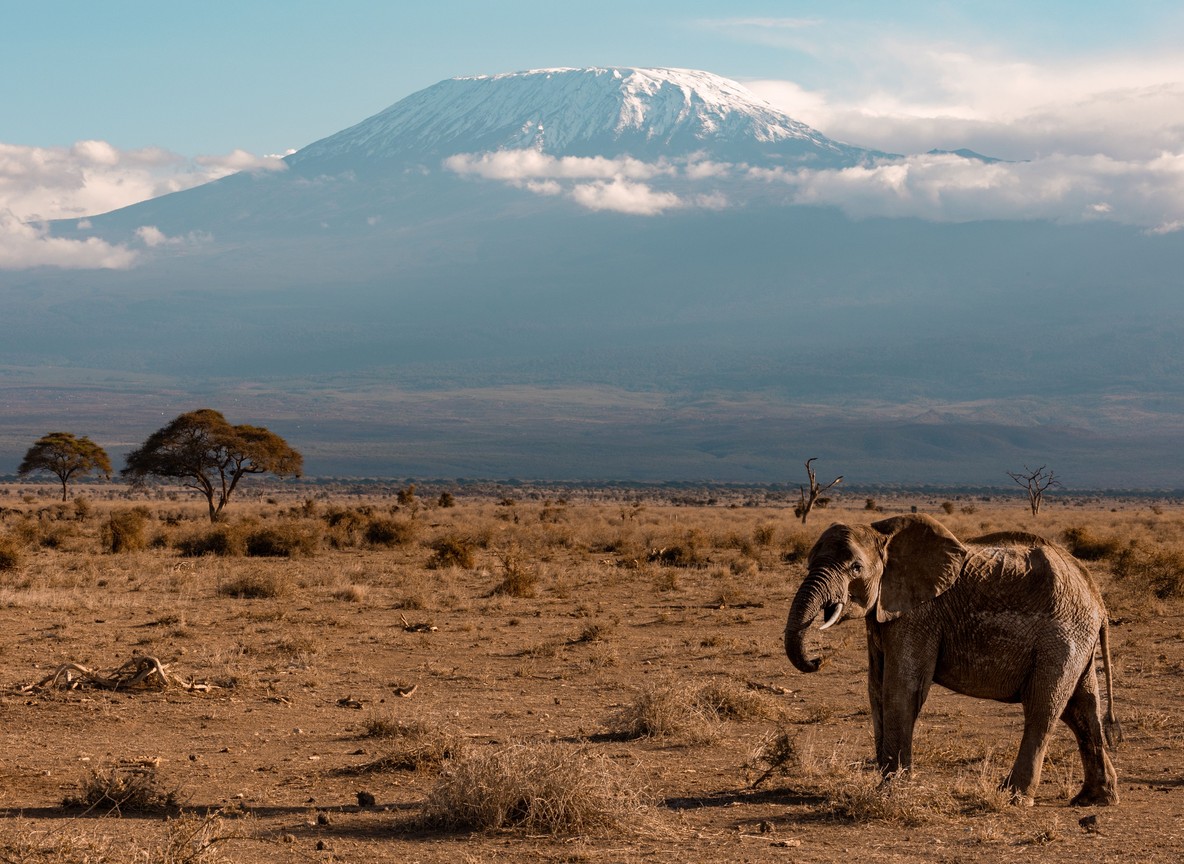
Mount Kilimanjaro, standing 5,895 meters tall just across the Tanzanian border, is the single biggest draw for most Amboseli visitors, and June is the month where its visibility odds noticeably improve. During the long rains, humidity and storm cloud regularly block the summit for days at a stretch. By June, that cloud cover starts thinning, especially in the earliest hours of the day before the sun has a chance to build heat and haze.
Dawn remains the best window, generally between 6:00am and 8:00am, before the mountain’s own weather system starts generating cloud around the peak. Visibility is not yet as reliable as it becomes in July and August, so travelers chasing the classic elephants-with-Kilimanjaro photograph should plan at least two mornings in the park to allow for one clouded-out attempt.
Wildlife and Photography Light: How the Rains’ End Changes the Plains
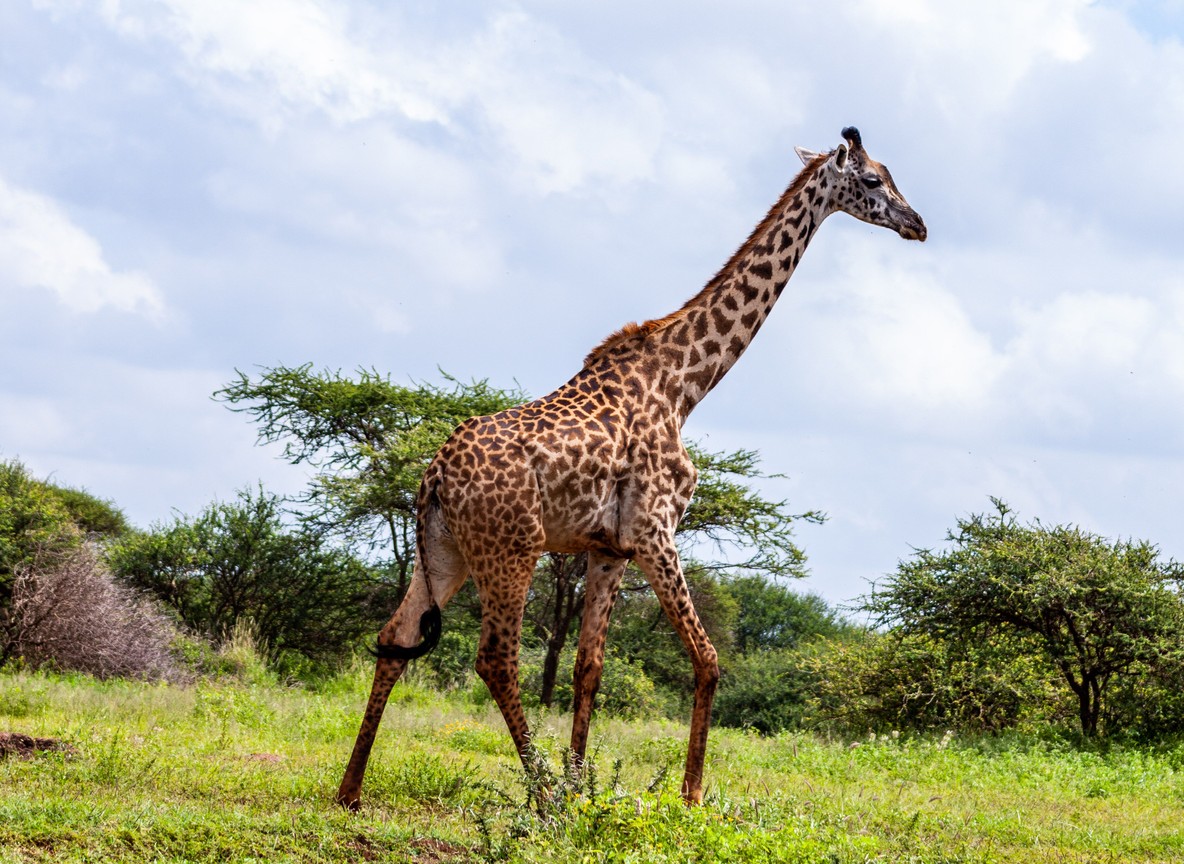
June’s lingering greenery combined with clearing skies creates a light quality that photographers specifically travel for. Storm clouds breaking apart at sunrise and sunset produce dramatic skies that the flat, dust-hazed light of peak dry season simply cannot match, and the plains underneath are still green rather than the golden-brown of July onward.
Wildlife is more dispersed in June than it will be later in the dry season, since water and grazing are still available across a wider stretch of the park rather than concentrated at a handful of swamps. That means longer drives between sightings compared to July, but it also means fewer vehicles bunched at any single waterhole and a genuine chance at dramatic storm-light images that most Amboseli visitors never see, since they tend to arrive after the skies have already settled into the flatter light of the dry months.
Amboseli in June: Facts, Distances, and Named Camps
Plan around real numbers rather than estimates. Figures below are indicative and should always be confirmed at time of booking.
| Item | Detail |
|---|---|
| Park size | 392 km2 |
| Nairobi to Amboseli by road | Approx. 240 km via the Namanga road, 4 to 5 hour drive |
| Nairobi (Wilson Airport) to Amboseli Airstrip | Approx. 35 to 45 minute flight |
| Main gates | Meshanani Gate, Kimana Gate, Iremito Gate |
| Non-resident park fee | Indicative USD 60 to 97 per adult per 24 hours (KWS gate rate, confirm before travel) |
| Kilimanjaro summit height | 5,895 meters, across the border in Tanzania |
| Average June daytime temperature | Approx. 24 to 27 degrees Celsius |
| Average June nighttime temperature | Approx. 10 to 13 degrees Celsius, pack a warm layer |
| Ol Tukai Lodge | Central park, near Ol Tukai airstrip, indicative USD 220 to 380 per night (shoulder rate) |
| Tortilis Camp | Kitirua Conservancy, southwestern park boundary, indicative USD 450 to 750 per night (shoulder rate) |
| Amboseli Serena Safari Lodge | Northern park, near Meshanani Gate, indicative USD 180 to 320 per night (shoulder rate) |
| Kibo Safari Camp | Near Kimana Gate, eastern park boundary, indicative USD 150 to 260 per night |
| Satao Elerai | Private conservancy, southern boundary, indicative USD 280 to 470 per night (shoulder rate) |
June vs July in Amboseli: Shoulder Season Value vs Peak Season Crowds
Travelers deciding between an early booking in June and waiting for July are really weighing lower rates and quieter roads against the tighter wildlife concentration and higher Kilimanjaro odds that peak dry season delivers. The comparison is worth seeing side by side.
| Factor | Amboseli in June (Shoulder Season) | Amboseli in July (Peak Season) |
|---|---|---|
| Camp and lodge rates | Lower, shoulder season pricing at most properties | Higher, peak season rates apply |
| Kilimanjaro visibility | Improving, best at dawn, some cloud still likely | Consistently good, especially at dawn |
| Wildlife concentration | Moderate, still spread across a green park | High, animals cluster tightly at swamps |
| Scenery | Green plains, dramatic clearing-storm skies | Dry, dusty plains with hazy light |
| Crowds at swamps and gates | Lower, before peak international travel season | Higher, camps and vehicles both increase |
| Road conditions | Improving but occasional soft patches early in the month | Dry and generally firm throughout |
Neither month is the objectively correct choice for every traveler. June wins on value, quieter game drives, and dramatic light for photography. July wins on Kilimanjaro reliability and wildlife concentration. Travelers on a tighter budget or chasing storm-light photography over guaranteed cat sightings tend to prefer June.
Elephants and Birdlife in June: Green Season Bonus
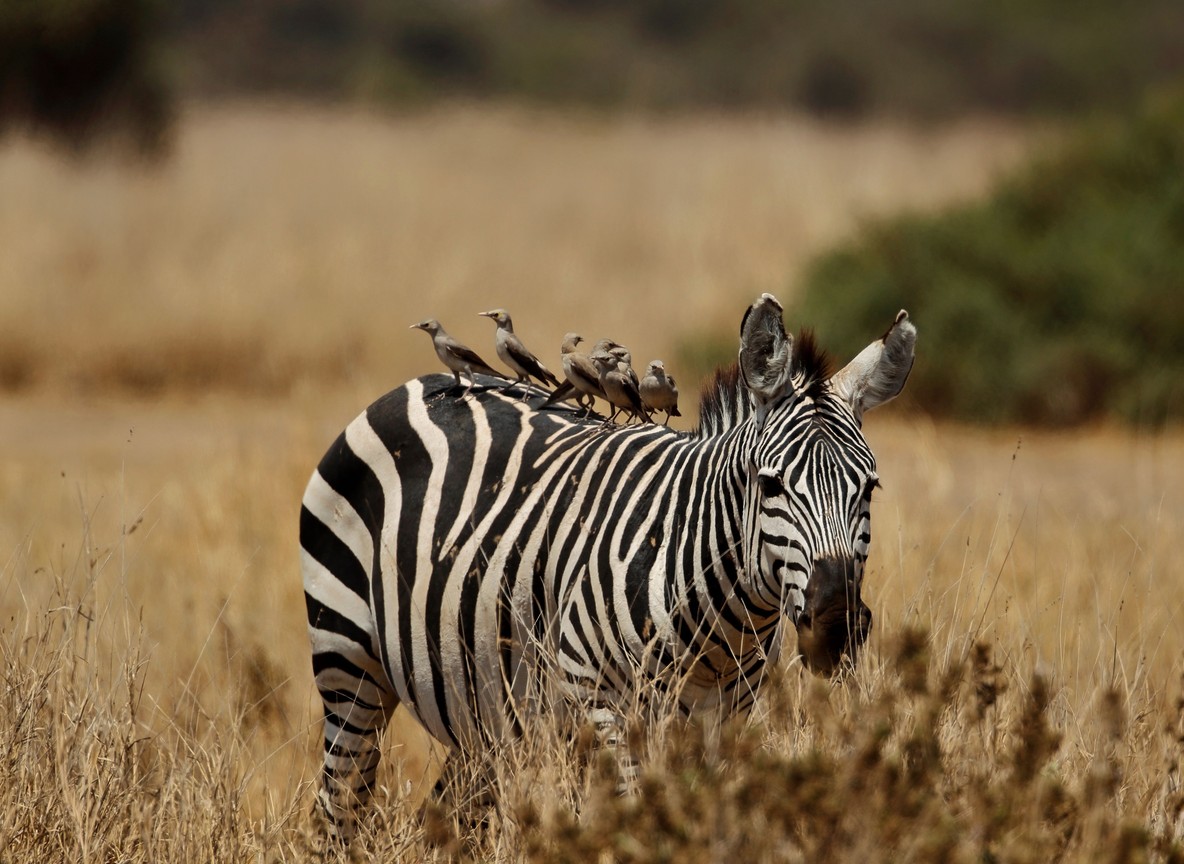
Amboseli’s elephant herds remain a near-daily sighting in June, just as in every other month, since the Enkongo Narok and Olokenya swamps hold water year round thanks to underground melt from Kilimanjaro’s glaciers. What changes in June is the backdrop, herds moving through genuinely green grass rather than the dust of later months, which gives a softer, more layered look to elephant photography than the flatter dry season scenes most images of Amboseli show.
June also rewards birders. The tail end of the rains leaves seasonal pans and marshes at their fullest, drawing waterbirds alongside Amboseli’s resident species. Wildlife and conservation focused travelers who prioritize photography conditions and species diversity over guaranteed cat sightings often find June’s mix of water, birdlife, and dramatic light more rewarding than the drier months that follow.
Practical Planning Notes for a June Amboseli Trip
A handful of details shape how a June trip actually feels on the ground.
- Early June can still carry light showers, so a light rain jacket is worth packing alongside dust-season gear
- Nights are noticeably cooler in June than in the following dry months, so a warm layer for early morning game drives matters
- Shoulder season rates at most Amboseli camps make June a strong month for travelers balancing quality against budget
- Roads inside the park are generally passable in June, though a few low-lying sections near the swamps can stay soft early in the month
- Dawn remains the priority game drive slot, both for Kilimanjaro’s clearest window and for the softest photography light of the day
Travelers arriving by road via Namanga should expect some green, occasionally muddy stretches close to the park in early June, easing as the month progresses. This is a normal part of the seasonal transition and not a sign of a difficult route.
Photography Timing: Catching the Clearing Skies
June’s specific value for photographers is the collision of two things that rarely overlap later in the year, green plains and dramatic, breaking storm cloud. The first hour after sunrise is the strongest window, when overnight cloud is often still dissolving across the summit and low light rakes across the green grass at an angle that flat dry season light cannot reproduce.
Photographers should treat any clear Kilimanjaro morning in June as a bonus rather than a guarantee, and build a two to three night stay to raise the odds of catching at least one clean window. Observation Hill and the open plains near Ol Tukai remain the strongest vantage points, with the added benefit in June of green foreground grass rather than the dust haze that dominates July onward.
The Trunktrails Advantage
Trunktrails Safaris is a Kenyan-owned operator, and our June Amboseli itineraries are built around the specific transition this month delivers, clearing skies, green plains, and shoulder season value.
| What We Provide | What It Means for You |
|---|---|
| Local guiding team based in Kenya | Real-time read on which swamps and pans are holding water and birdlife |
| Itineraries built around dawn Kilimanjaro windows | Better odds at the classic clearing-sky photograph without wasted mornings |
| Shoulder season rate knowledge | Access to lower June pricing at camps like Ol Tukai Lodge and Amboseli Serena Safari Lodge |
| Transparent, indicative pricing on gate fees and lodges | No surprise costs comparing Kibo Safari Camp, Tortilis Camp, or Satao Elerai |
| Combined circuit planning | Easy pairing with Masai Mara or Tsavo tours and safaris on longer trips |
Every June booking through Trunktrails Safaris is built around the clearing skies, green plains, and value this transition month offers. 🐘🌅
Plan Your Amboseli in June Trip With Trunktrails Safaris
June’s clearing Kilimanjaro mornings, lingering green plains, and shoulder season rates make it one of the smartest windows to visit Amboseli, and Trunktrails Safaris can build your itinerary around the exact swamps, gates, and camps that matter most to you.
Further reading
More safari planning resources
- Best time to visit Kenya month-by-month map from Valley Safaris
- Amboseli National Park guide on Touring Insights
- Amboseli destination guide on FindMySafari
- Map of Amboseli from Valley Safaris
Message Trunktrails Safaris on WhatsApp at +254 113 208888, email info@trunktrailssafaris.com, or visit trunktrailssafaris.com to start planning your Amboseli tours and safaris. ✨