How to Be a Responsible Tourist on a Kenya Safari: The Complete Ethical Guide
A kenya safari responsible tourist does more than avoid littering. Every choice on a game drive, from how close a vehicle sits to a resting cheetah to which camp gets your money, feeds back into whether that landscape still has wildlife in it a decade from now. Kenya’s parks and conservancies are not museums. They are working ecosystems shared with the Maasai, Samburu, and other communities who have lived alongside these animals for generations. 🌍
This guide breaks down what responsible behavior actually looks like on the ground, with the fees, distances, and rules that shape a real itinerary. Trunktrails Safaris builds every tours and safaris package around these same standards, because the guides who protect this land are the same guides putting you in front of the wildlife.
Why Responsible Tourism Matters More in Kenya Right Now
Kenya’s wildlife tourism generates a large share of the country’s foreign exchange earnings, and park and conservancy fees fund anti-poaching patrols, ranger salaries, and habitat management directly. When that money is spent well, and visitors follow the rules protecting animal behavior, wildlife populations hold steady or grow. When it is not, the pressure shows fast: stressed animals, degraded habitat, and communities that see tourism as extraction rather than partnership.
The Maasai Mara ecosystem alone sees enormous seasonal visitor volume during the July to October wildebeest migration, when vehicle congestion at river crossings has become a documented problem. Responsible choices at the individual level, spread across thousands of visitors a year, add up to real conservation outcomes.
Kenya Safari Ethics at a Glance: Real Numbers
Before the details, here is what responsible behavior costs and where the rules apply most strictly.
| Practice | Where It Applies | Real Number |
|---|---|---|
| Vehicle distance from predators | All national parks and reserves | Minimum 20-25 meters recommended by KWS rangers |
| Off-road driving | Maasai Mara National Reserve | Prohibited; permitted only in bordering conservancies |
| Vehicle cap per sighting | Mara conservancies (Naboisho, Mara North, Olare Motorogi) | Typically 5 vehicles maximum per sighting |
| Conservancy bed-night conservation fee | Mara conservancies | USD 80-120 per person per night, indicative |
| National park entrance fee (non-resident) | Maasai Mara National Reserve | USD 80-100 per day, indicative |
| Guide and driver tipping | All Trunktrails Safaris tours | USD 15-20 per guest per day, indicative |
| Community/cultural visit fee | Maasai villages near Mara, Amboseli | USD 10-20 per person, indicative |
Fees shift with park management updates and season, so treat these as planning ranges. Trunktrails Safaris confirms current rates before every booking.
Vehicle and Game Drive Etiquette
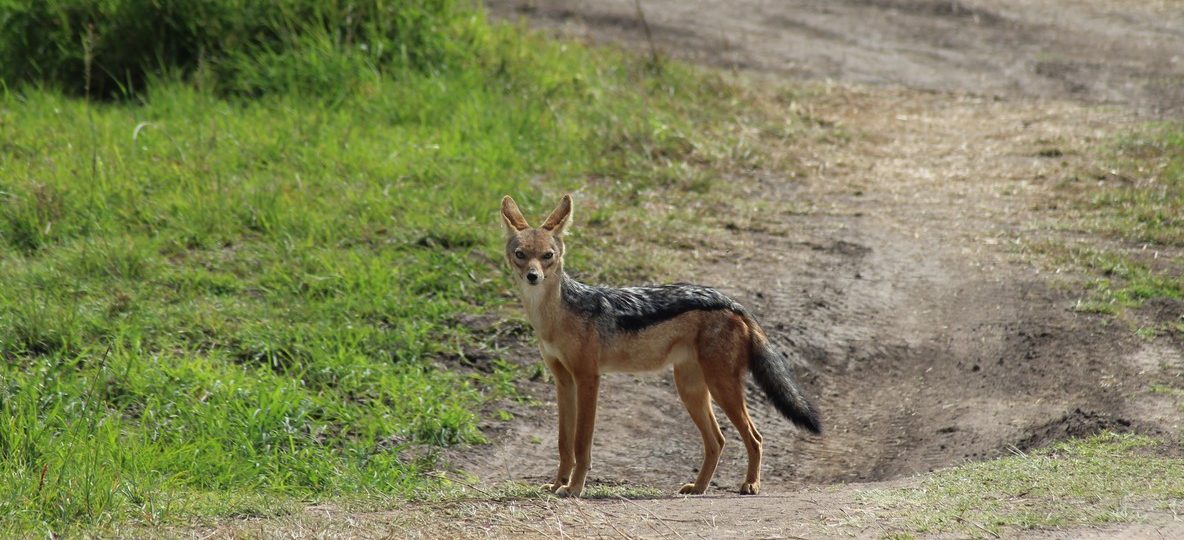
The single most damaging habit on a safari is a vehicle pushing too close to an animal for a better photo. Predators hunting at dusk, cheetahs stalking on open plains, and lionesses moving cubs between den sites all rely on cover and distance from disturbance. A vehicle crowding that space can cause a hunt to fail or a den site to be abandoned.
Kenya Wildlife Service guidelines and most conservancy rules set a minimum distance of 20 to 25 meters from predators, with drivers required to switch off engines during a close sighting rather than idling nearby. The Maasai Mara National Reserve prohibits off-road driving entirely. Bordering conservancies, Naboisho, Mara North, and Olare Motorogi among them, permit limited off-road approaches under trained guide supervision, and cap vehicles at any single sighting, often to five or fewer.
A responsible tourist asks their driver-guide about the vehicle limit at a sighting before pulling in, and accepts moving on if the count is already full. That patience is part of what conservancies are protecting when they charge a higher nightly fee than the open reserve.
Wildlife Interaction Rules That Actually Protect Animals
Feeding wildlife, however tempting with a curious vervet monkey at a lodge lunch table, trains animals to associate humans with food and often ends badly for the animal once that behavior turns aggressive. No legitimate camp or reserve permits it, and Trunktrails Safaris guides brief every group on this before the first game drive.
Staying inside the vehicle except at designated picnic and viewpoint areas is a rule across every Kenyan national park and reserve, not a suggestion. Predators habituated to vehicles are not habituated to a person standing beside one. Noise discipline matters too. Loud voices, phone speakers, and drone use (banned in Kenyan parks without a specific permit) all disturb animals and other guests.
Photography has its own etiquette. A telephoto lens of at least 300mm lets a visitor get a frame-filling shot from a respectful distance rather than asking a driver to close the gap. Flash photography at night sightings, common during leopard or lion spotlight drives, should be avoided or used sparingly since it can affect an animal’s night vision temporarily.
Supporting Community Conservancies, Not Just National Parks
Kenya’s private and community conservancies, covering land adjacent to reserves like the Maasai Mara and Amboseli National Park, exist because Maasai and other landowners agreed to set aside grazing land for wildlife in exchange for lease payments and tourism revenue. Naboisho Conservancy, at roughly 200 square kilometres bordering the Maasai Mara, is one of the clearer examples: landowners receive a share of every bed-night fee, which funds both direct household income and conservation staff.
Choosing a conservancy stay over an exclusively national-park itinerary puts money directly into that lease system. It also reduces pressure on the more heavily visited reserve, since conservancies cap visitor density by design.
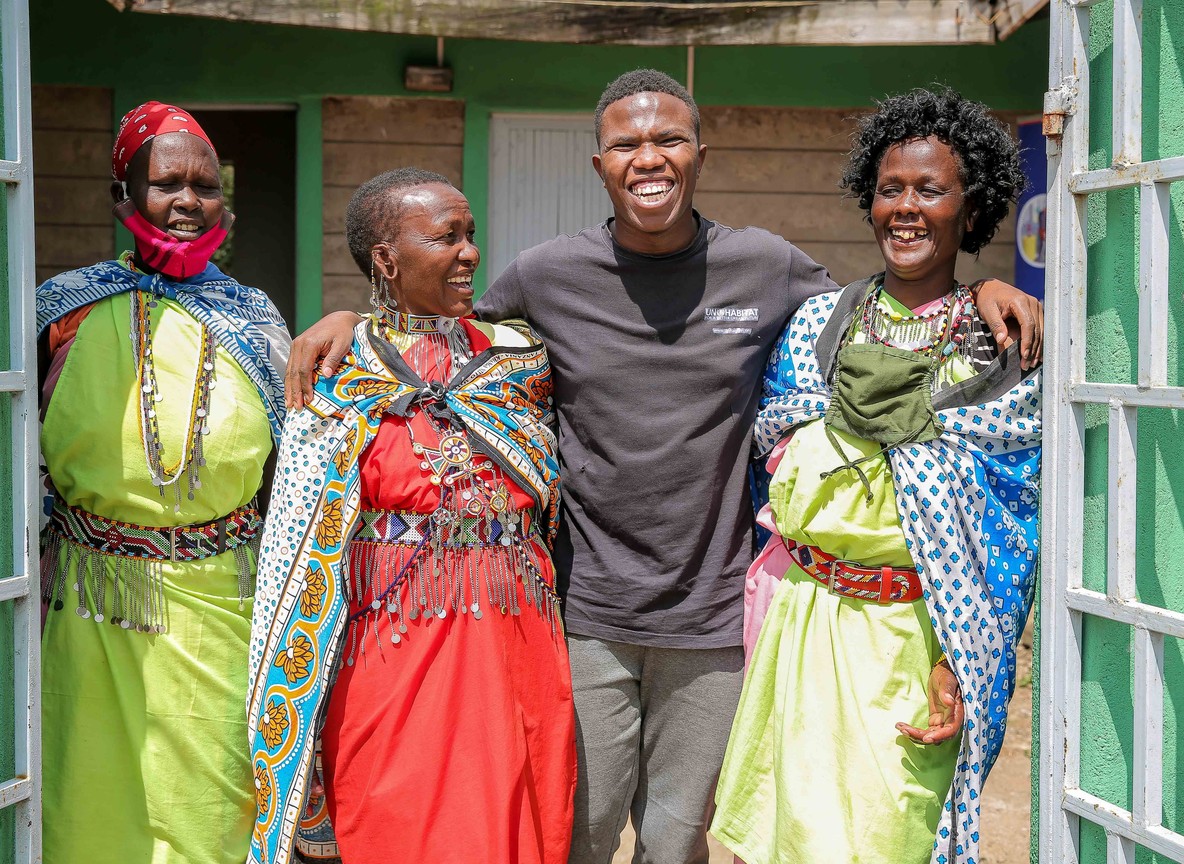
Cultural visits to Maasai villages near the Mara or Amboseli follow a similar logic. A fee in the range of USD 10 to 20 per person, paid directly at the village rather than through a third party, supports the community hosting the visit. A responsible tourist treats these visits as a paid cultural exchange, asks before photographing individuals, and follows the host community’s guidance on what is and is not appropriate to photograph.
Tipping and Fair Payment on Safari
Tipping in Kenya’s safari industry is not optional in practice, since driver-guides, camp staff, and trackers rely on it as a meaningful part of their income. A standard indicative range is USD 15 to 20 per guest per day for the driver-guide, with camp staff tipped separately, often through a shared staff tip box of USD 10 to 15 per guest per day.
Paying guides and staff fairly, and on time, is as much a part of ethical safari behavior as wildlife etiquette. Trunktrails Safaris briefs every guest on current tipping norms before departure so nobody is guessing at the airstrip.
Comparing Ethical Safari Choices in Kenya
| Choice | Lower-Impact Option | Why It Matters |
|---|---|---|
| Where to stay | Community conservancy (Naboisho, Mara North, Ol Pejeta) | Lease fees fund landowners and rangers directly |
| Vehicle sighting behavior | Wait your turn, 5-vehicle cap | Reduces stress on hunting and denning animals |
| Cultural visits | Paid, guide-arranged village visit | Fee goes to host community, not a middleman |
| Souvenirs | Beadwork and crafts bought from named cooperatives | Income reaches the maker, not a resale chain |
| Photography | 300mm+ lens, no flash at night sightings | Protects animal behavior and night vision |
| Waste | Reusable water bottle, no single-use plastic in the vehicle | Parks like Maasai Mara restrict single-use plastics |
Practical Ethical Safari Checklist
- Ask about vehicle caps before every sighting. A guide who volunteers this information without being asked is a good sign of a conservancy or operator that takes it seriously.
- Never request the guide to speed up or cut off an animal’s path. A moving predator on a hunt should never be boxed in by vehicles.
- Confirm your camp’s conservancy fee structure. Ask whether it funds landowner leases directly or only general operations.
- Carry cash in small denominations for tips and village visit fees. Rural conservancies and community visits are rarely set up for card payment.
- Pack out what you pack in. Several Kenyan parks, including the Maasai Mara, have restricted or banned single-use plastic bags and bottles.
- Choose operators who employ local guides and trackers. Community employment is one of the clearest markers of a responsible tours and safaris operator.
The Trunktrails Advantage
Trunktrails Safaris is a Kenyan-owned tours and safaris operator, and responsible tourism is not a marketing add-on for us. It is how our guides were trained long before “ethical safari” became a search term. We brief every guest on vehicle etiquette and wildlife codes before the first game drive, and we route itineraries through community conservancies whenever it fits the trip, because that is where conservation fees reach landowners directly.
Our tours and safaris packages default to conservancy stays adjacent to the Maasai Mara and Amboseli National Park rather than exclusively inside the busiest reserve sections during peak migration months. We work with named community partners rather than anonymous cultural stops, and our driver-guides are Kenyan professionals paid fairly, not contracted gig labor.
As a Kenyan-owned operator, Trunktrails Safaris understands the balance between a guest’s photograph and an ecosystem’s long-term health, because our guides live in the same landscape they are protecting. That is the difference between a company that sells wildlife and one that safeguards it. 🐘
Plan a Safari That Gives Back
Being a responsible tourist on a Kenya safari is not complicated once you know the real numbers behind it, the vehicle distances, the conservancy fees, and the tipping norms that keep this whole system fair. What it takes is an operator who builds those standards into the itinerary from the first day, not a guest scrambling to remember rules mid-trip.
Talk to our tours and safaris team about a Kenya itinerary built around community conservancies, fair guide employment, and wildlife codes that actually get followed in the field. Tell us your dates and we will build a route that protects the place as much as it shows it to you.
Further reading
More safari planning resources
- Interactive Maasai Mara map from Valley Safaris
- Maasai Mara National Reserve guide on Touring Insights
- Masai Mara destination guide on FindMySafari
- Kenya national parks map from Valley Safaris
WhatsApp: +254 113 208888 Email: info@trunktrailssafaris.com Website: https://trunktrailssafaris.com
Conservancy bed spaces near the Mara and Amboseli fill fast in migration season, and the camps doing this right book out first. Reach out to Trunktrails Safaris now and travel the way this land was meant to be visited. ✨