Amboseli in July: Dry Season Peak With Clear Kilimanjaro Mornings and Big Cat Action
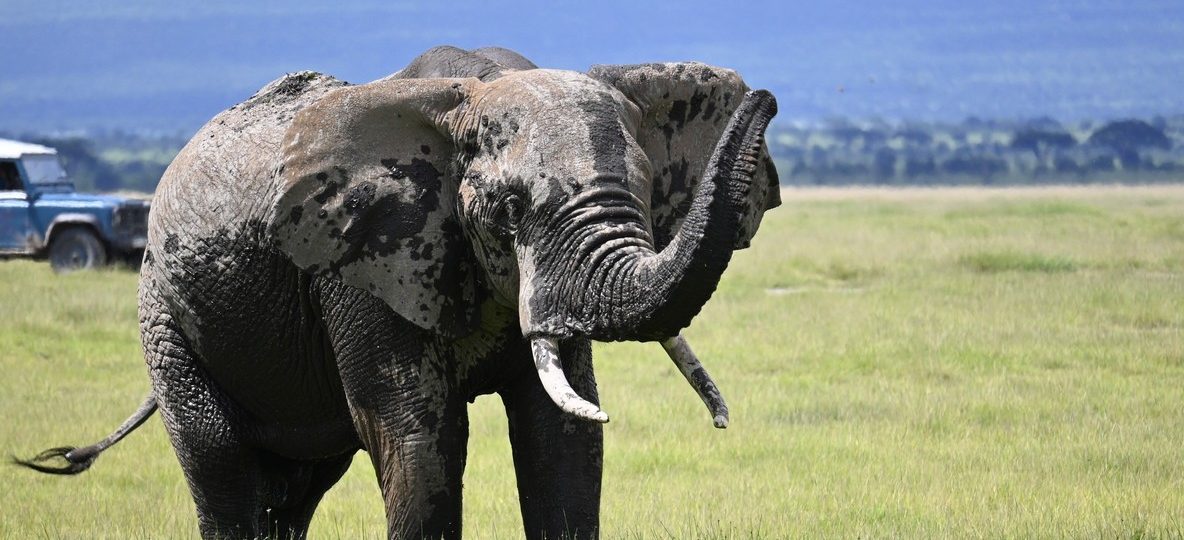
Amboseli in July sits right at the start of Kenya’s long dry season, and that timing changes almost everything about the park. Grass thins out, water pulls back to a handful of reliable swamps, and animals that spent the wet months spread across the ecosystem start concentrating where the water still is. For travelers planning tours and safaris around this specific month, that concentration is the entire point.
This guide walks through what July actually looks like on the ground in Amboseli, from Kilimanjaro visibility odds to which swamps hold the big cats, with real distances, fees, and named camps so you can plan with numbers instead of guesswork. Trunktrails Safaris runs July departures into Amboseli every year, and the pattern is consistent enough to plan around with confidence.
Why July Is a Dry Season Peak Month in Amboseli
Kenya’s long dry season runs roughly from late June through October, and July sits close to the front edge of it. Rain that fell during the March to May long rains has mostly drained away by July, and the daily heat pushes evaporation hard across the open plains. What survives is groundwater fed by Mount Kilimanjaro’s glacial melt, which surfaces in a small number of permanent swamps.
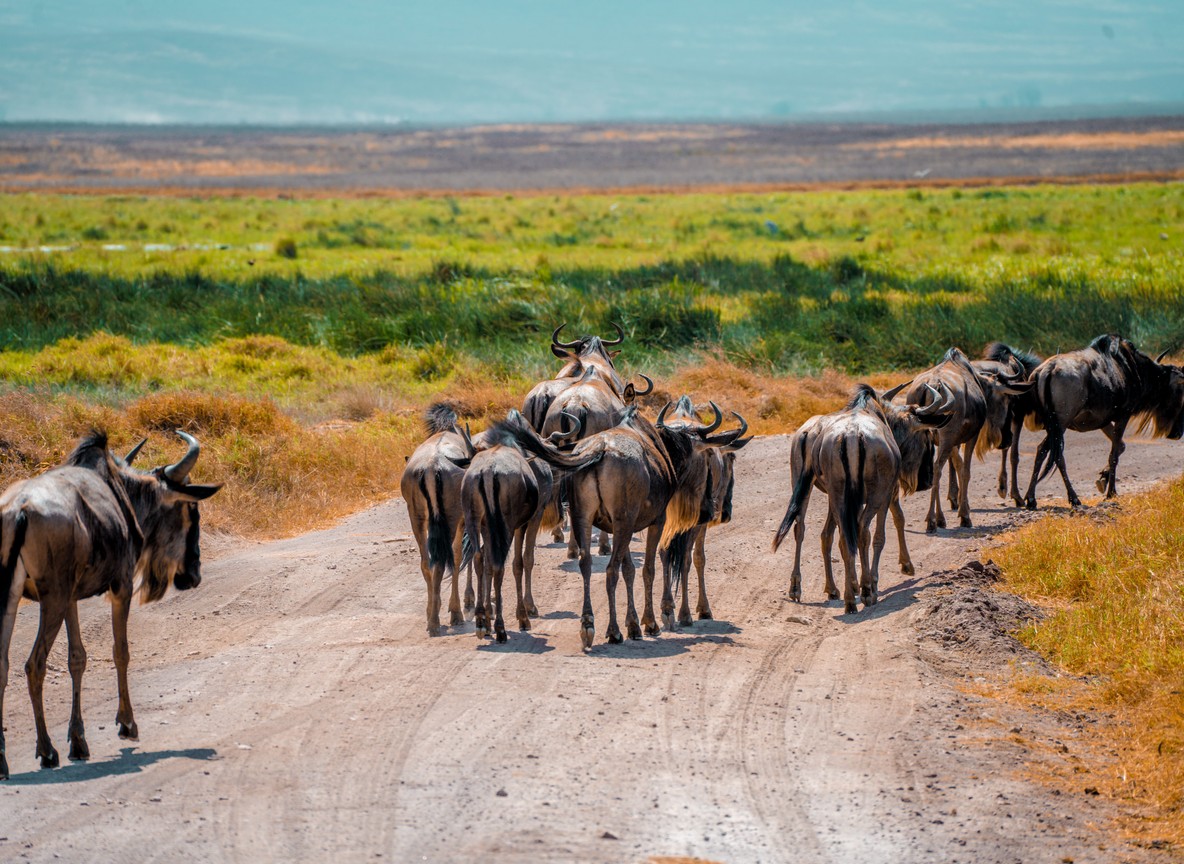
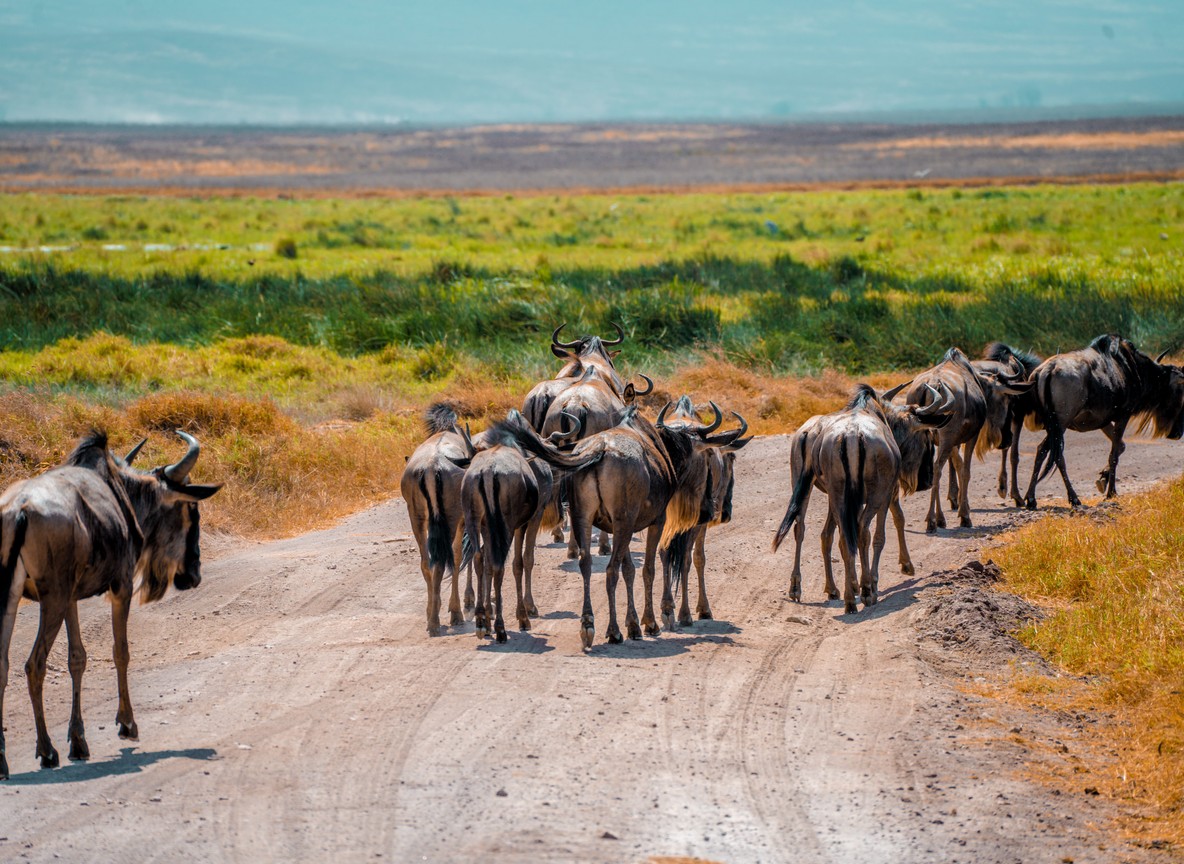
That single fact drives the whole month. Wildlife that could scatter across 392 square kilometers of park in the wet season instead funnels toward Enkongo Narok, Olokenya, and Longinye swamps, because those are the places still holding green grass and standing water. Fewer places to be means easier, more concentrated sightings for anyone on a game drive.
Kilimanjaro Views in July: What the Odds Actually Look Like
Mount Kilimanjaro, at 5,895 meters and just across the border in Tanzania, is the single biggest reason most travelers choose Amboseli over other Kenyan parks. July is one of the better months for seeing it clearly, because dry season air carries less moisture and cloud tends to build more slowly through the morning than it does in the wetter months.
The pattern holds fairly reliably: skies are often clearest right at dawn, with cloud building across the summit from mid-morning onward. A single overnight stay gives one shot at that window. Two or three nights meaningfully raises the odds of catching at least one clear morning, since cloud cover in July still varies day to day even though the season favors visibility overall.
Big Cat Action: Where July’s Concentration Effect Pays Off
Lions, cheetahs, and occasionally leopards follow the same water-driven logic as everything else in Amboseli during July. Prey animals cluster around the swamps, and predators follow the prey. The open, short grass typical of dry season also makes cats easier to spot than they are when vegetation is tall and green.
Lion prides are most consistently reported around the Enkongo Narok swamp edges and the open plains near Ol Tukai, where they take advantage of clear sightlines to stalk wildebeest, zebra, and impala coming to drink. Cheetahs favor the drier, more open ground toward the eastern park sections and the Amboseli dry lakebed, where their speed advantage over prey is greatest on firm, short grass. Sightings are never guaranteed on any single game drive, but July’s concentration pattern is the single biggest structural advantage a visitor gets for finding cats compared to the scattered wet season months.
Amboseli in July: Facts, Distances, and Named Camps
Planning around real numbers avoids surprises later. Figures below are indicative and should always be confirmed at time of booking.
| Item | Detail |
|---|---|
| Park size | 392 km2 |
| Nairobi to Amboseli by road | Approx. 240 km via the Namanga road, 4 to 5 hour drive |
| Nairobi (Wilson Airport) to Amboseli Airstrip | Approx. 35 to 45 minute flight |
| Main gates | Meshanani Gate, Kimana Gate, Iremito Gate |
| Non-resident park fee | Indicative USD 60 to 97 per adult per 24 hours (KWS gate rate, confirm before travel) |
| Kilimanjaro summit height | 5,895 meters, across the border in Tanzania |
| Average July daytime temperature | Approx. 25 to 28 degrees Celsius |
| Average July nighttime temperature | Approx. 12 to 15 degrees Celsius, pack a warm layer |
| Ol Tukai Lodge | Central park, near Ol Tukai airstrip, indicative USD 250 to 400 per night |
| Tortilis Camp | Kitirua Conservancy, southwestern park boundary, indicative USD 500 to 800 per night |
| Amboseli Serena Safari Lodge | Northern park, near Meshanani Gate, indicative USD 200 to 350 per night |
| Satao Elerai | Private conservancy, southern boundary, indicative USD 300 to 500 per night |
July vs the Wet Season: How the Experience Actually Differs
Travelers weighing an Amboseli in July trip against a wet season visit are really weighing concentration against greenery, and the tradeoffs are worth seeing side by side.
| Factor | Amboseli in July (Dry Season) | Amboseli in April (Wet Season) |
|---|---|---|
| Wildlife concentration | High, animals cluster at swamps | Lower, wildlife spreads across the park |
| Kilimanjaro visibility | Generally good, especially at dawn | Poor, cloud cover common most of the day |
| Cat sightings | Strong, open ground and predictable prey routes | Inconsistent, tall grass hides movement |
| Road conditions | Dry, dusty, generally passable | Muddy, some tracks slow or closed |
| Scenery | Dry, dusty plains, dust haze in afternoon | Lush green plains, dramatic skies |
| Crowds at swamps | Higher, peak season traffic | Lower, quieter game drives |
Neither season is objectively better for every traveler. July wins clearly for cats, Kilimanjaro odds, and predictable sightings. The wet season wins for green scenery and quieter roads. For most first-time visitors chasing the classic Amboseli photograph, elephants against a clear mountain, July is the stronger bet.
Elephants in July: Still Amboseli’s Most Reliable Draw
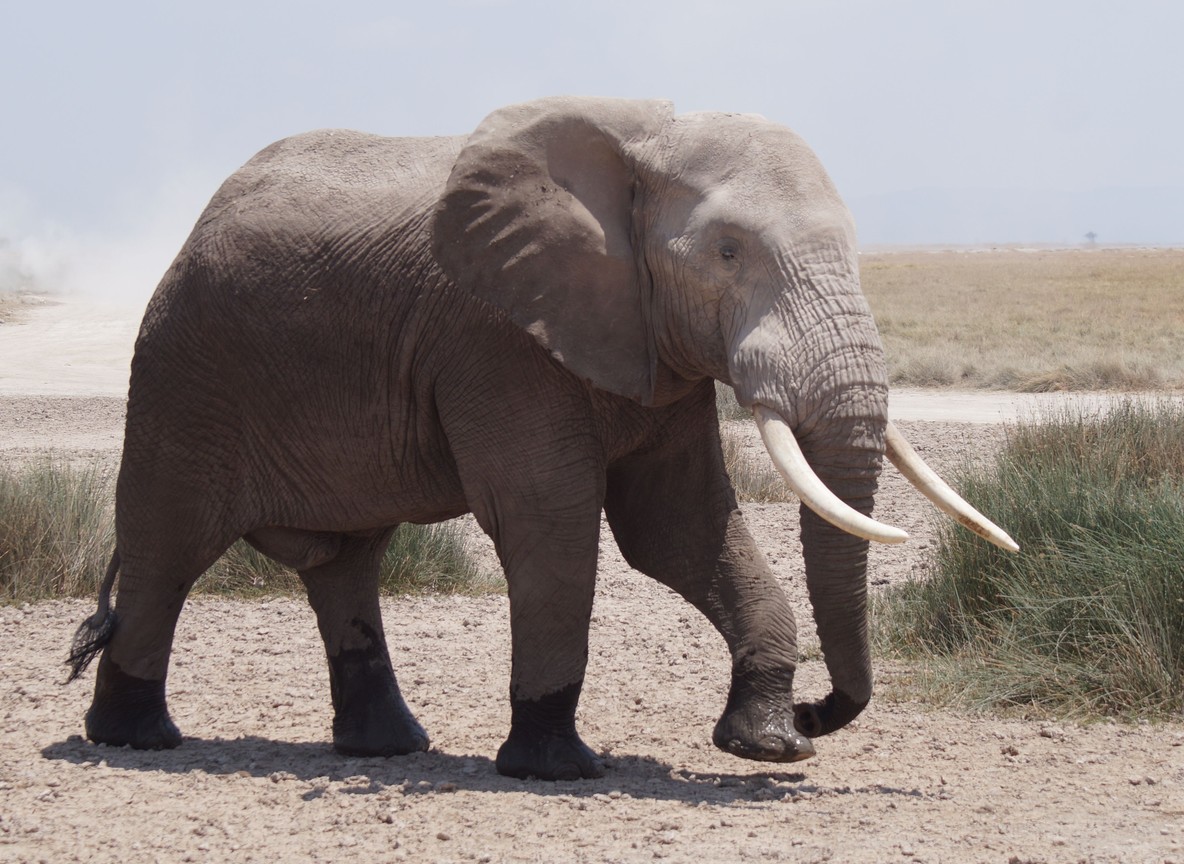
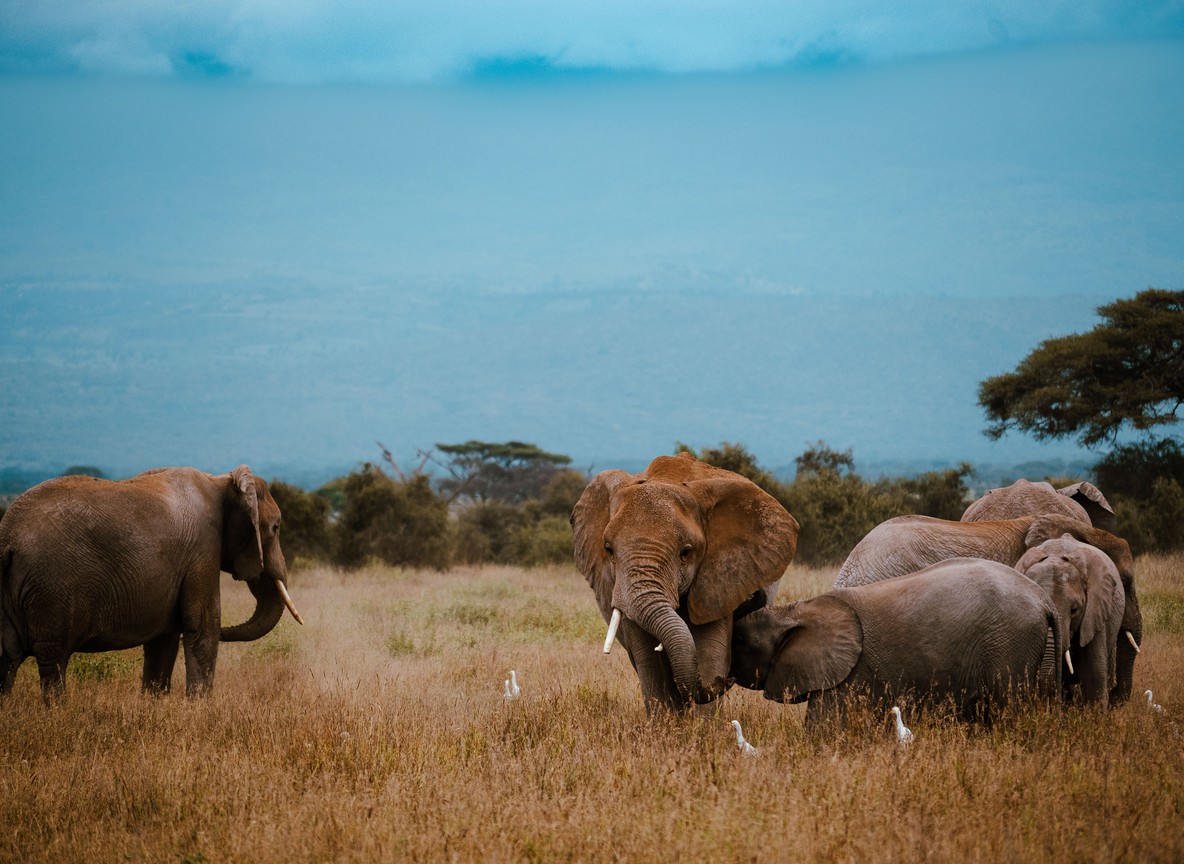
Amboseli’s elephant herds are famous for a reason, and July does nothing to change that. The Enkongo Narok and Olokenya swamps stay green year round thanks to underground water from Kilimanjaro’s glaciers, and July’s dry conditions elsewhere in the park only push more elephants toward these two zones. Multi-generational herds, often 20 to 50 animals strong, are a near-daily sighting for visitors who spend even a single game drive near the swamps.
This is Amboseli’s most dependable wildlife experience regardless of month, but July adds the bonus of clearer skies behind the herds, which is when the park’s signature image, elephants walking with Kilimanjaro rising behind them, is easiest to capture.
Practical Planning Notes for a July Amboseli Trip
A few details make a real difference in how a July trip actually feels on the ground.
- Dust is heavier in July than in wetter months, so a scarf or light dust mask for open-sided game drive vehicles helps
- Nights and early mornings are cool enough for a fleece or light jacket, even though afternoons run warm
- July overlaps with Kenya’s peak international travel season, so camps and lodges book out earlier than shoulder-season months
- Dawn game drives are worth prioritizing for both Kilimanjaro visibility and cooler, more active wildlife before the midday heat sets in
- Water sources are limited enough in July that a good guide who knows the current swamp activity matters more than in wetter months
Road conditions inside the park are generally at their best in July, since the dry ground firms up the tracks that turn to mud during the long rains. That means more of the park circuit, including the Amboseli dry lakebed crossing on the western side, stays accessible without the detours or slowdowns that follow heavy rain. Travelers arriving by road via Namanga should still expect a dusty final stretch closer to the park gates, which is normal for the season and not a sign of a rough route.
Photography Timing: Getting the Classic Amboseli Shot
The image most travelers come to Amboseli for, elephants walking with Kilimanjaro rising clear behind them, depends on lining up light, animal movement, and mountain visibility all at once, and July gives better odds at all three than most other months. The first hour after sunrise is consistently the best window: light is soft and low, elephant herds are often moving toward the swamps for their first drink of the day, and cloud has not yet built across the summit.
By late morning, heat haze and rising cloud typically soften both the mountain and the light, so a second attempt is best saved for the following dawn rather than the same afternoon. Photographers serious about the shot should plan at least two full mornings in the park, positioned near Observation Hill or the open plains around Ol Tukai, to allow for one clouded-out attempt without losing the trip’s chance at the photo.
The Trunktrails Advantage
Trunktrails Safaris is a Kenyan-owned operator, and our July Amboseli itineraries are built around the specific swamps, gates, and dawn windows that this dry season month rewards.
| What We Provide | What It Means for You |
|---|---|
| Local guiding team based in Kenya | Real-time read on where swamp activity and cat sightings are concentrated |
| Itineraries built around Enkongo Narok, Olokenya, and Longinye | You reach the exact zones where July’s dry season concentration pays off |
| Dawn-first game drive scheduling | Better odds at both clear Kilimanjaro views and active predators |
| Transparent, indicative pricing on gate fees and lodges | No surprise costs comparing Ol Tukai Lodge, Tortilis Camp, or Satao Elerai |
| Combined circuit planning | Easy pairing with Masai Mara or Tsavo tours and safaris on longer trips |
Every July booking through Trunktrails Safaris is built around the swamps, cats, and mountain views that make this month worth choosing. 🦁🌅
Plan Your Amboseli in July Trip With Trunktrails Safaris
July’s dry season concentration, clearer Kilimanjaro mornings, and stronger cat activity make this one of the most rewarding months to visit Amboseli, and Trunktrails Safaris can build your itinerary around the exact swamps, gates, and camps that matter most to you.
Further reading
More safari planning resources
- Best time to visit Kenya month-by-month map from Valley Safaris
- Amboseli National Park guide on Touring Insights
- Amboseli destination guide on FindMySafari
- Map of Amboseli from Valley Safaris
Message Trunktrails Safaris on WhatsApp at +254 113 208888, email info@trunktrailssafaris.com, or visit trunktrailssafaris.com to start planning your Amboseli tours and safaris. ✨