
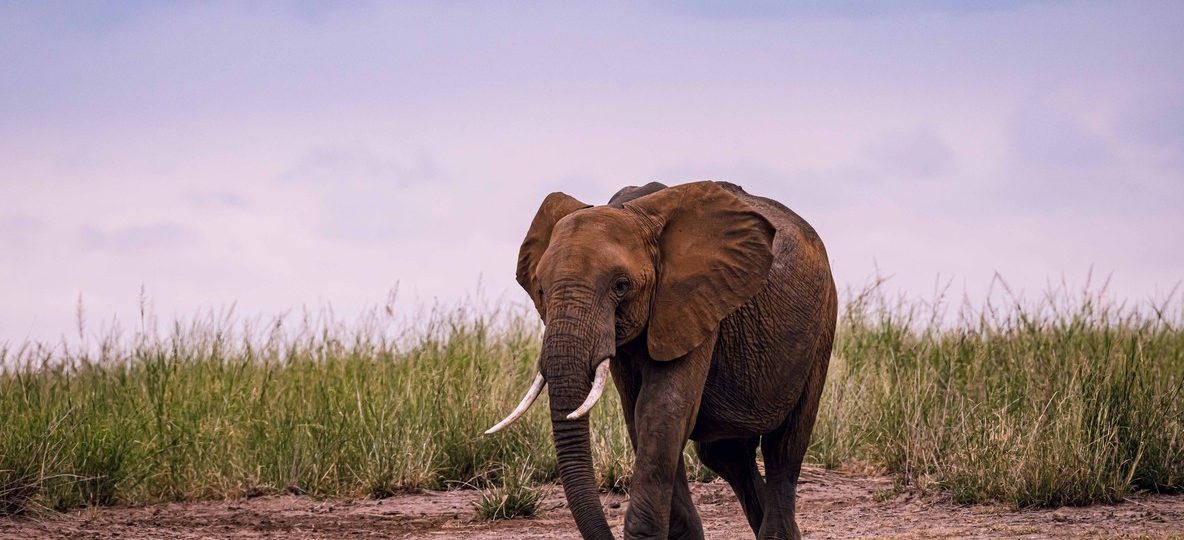
Amboseli Elephant Research Project: What 52 Years of Study Reveals About Kenya’s Giants 🐘
No wild elephant population on Earth has been watched this closely for this long. Beneath Mount Kilimanjaro’s 5,895-metre summit, researchers have spent 52 years tracking the same elephant families across Amboseli National Park, recording births, deaths, friendships, and grief in a level of detail no other study matches. At Trunktrails Safaris, we send guests into this landscape knowing that every elephant they photograph may already have a name, a family tree, and five decades of recorded history behind it. This is what the Amboseli Elephant Research Project has actually found, and why it changes how you should plan your next Kenya safari.
This guide breaks down the real numbers behind the science: park size, distances, fees, and the named organization running the work, alongside the discoveries that reshaped how the world understands elephants.
The Amboseli Elephant Research Project at a Glance: The Facts
The research is run by the Amboseli Trust for Elephants (ATE), founded by conservationist Cynthia Moss in the early 1970s. It operates from a field research camp inside Amboseli National Park and is widely recognized as the longest continuous study of any wild elephant population in the world.
| Amboseli Elephant Research Project fact | Detail |
|---|---|
| Research organization | Amboseli Trust for Elephants (ATE) |
| Founded | Early 1970s, by Cynthia Moss |
| Length of study | 52 years and counting, the longest-running wild elephant study on record |
| Park size | Amboseli National Park, 392 km2 |
| Elephants individually identified | More than 3,000 across three to four generations |
| Family units monitored | Approximately 58 |
| Distance from Nairobi | About 240 km, 4 to 5 hours by road |
| Nearest airstrip | Amboseli Airstrip, about 45 minutes by air from Wilson Airport |
| Main gates | Meshanani, Kimana, Iremito, Kitirua |
| Non-resident park entry fee (indicative) | Around 60 to 75 USD per adult, per day |
Always confirm current Kenya Wildlife Service rates before you travel, since park fees are reviewed periodically. The figures above are indicative planning ranges, not fixed quotes.
Why Amboseli Became the World’s Longest-Running Elephant Study
Amboseli’s open grassland, short vegetation, and predictable swamps make elephants unusually easy to observe up close, all year round. Unlike forested habitats, where elephants disappear into thick cover, Amboseli lets researchers watch entire families for hours without losing sight of them. That visibility is the reason Cynthia Moss chose this ecosystem over other options when she began building what became the Amboseli Elephant Research Project.
Every elephant in the study is identified by ear shape, notches, and vein patterns rather than by tag or collar alone, a method that has held up since the earliest years of the project. That consistency is what allowed the same researchers, and their successors, to track individual elephants and their descendants across five decades without losing the thread of any single family’s story.
Five Decades of Discovery: What the Research Actually Found
Longitudinal data at this scale answers questions no short-term study can touch. Key findings from the Amboseli Elephant Research Project include:
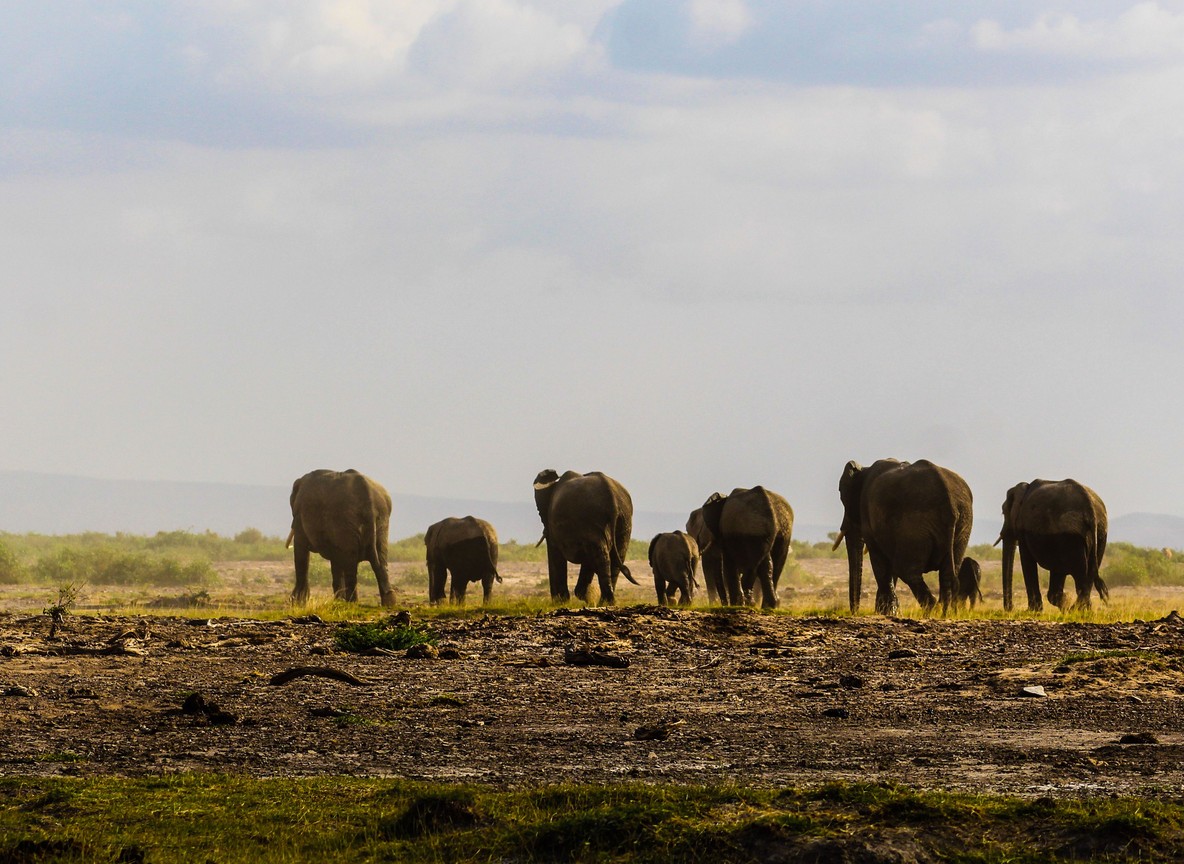
- Elephants live in matriarch-led families for life. Daughters stay with their mothers permanently, building family units that researchers have now tracked across four generations.
- Elephants recognize dozens of individuals by voice, scent, and sight. Playback experiments in Amboseli proved elephants can distinguish family members from strangers at a distance.
- Elephants show measurable grief responses. Long-term observation documented families lingering over the remains of dead relatives, a behavior now cited in conservation and animal cognition research worldwide.
- Older matriarchs improve family survival. Families led by the oldest, most experienced matriarchs raise more calves successfully, especially during drought years, because older matriarchs remember where distant water and food exist.
- Poaching pressure in the 1970s and 1980s reshaped elephant social structure. The research recorded how ivory poaching stripped out older bulls and matriarchs, forcing younger, less experienced elephants into leadership roles earlier than they otherwise would have.
The Elephant Families Behind the Data
Two individuals from the study became known internationally. Echo, one of Amboseli’s best-documented matriarchs, led her family for decades and became the subject of books and wildlife documentaries before her death in 2009. Tim, one of Amboseli’s last great tuskers with ivory reaching close to the ground, became a symbol of the ecosystem’s surviving big-tusker bloodline until his death in 2020.
Their stories matter because they are backed by data, not anecdote. Every birth, injury, and family shift in Echo’s and Tim’s lives sits in the same long-term dataset researchers still use today. On a Trunktrails Safaris game drive through Amboseli, guides can often point out descendants of these documented families, connecting what you see through your camera lens to a written record stretching back generations.
How 52 Years of Data Changed Elephant Conservation
Findings from Amboseli directly shaped how Kenya and neighboring countries manage elephant corridors today. The data proved that elephant families rely on specific migratory routes between Amboseli, the Chyulu Hills, and Tanzania’s Kilimanjaro foothills, evidence that helped justify protecting community conservancies along those exact paths. The project’s decades of demographic data also became a reference point for international ivory trade policy discussions, since it offered hard proof of how poaching pressure alters elephant populations over multiple generations rather than just one breeding season.
For safari travelers, the practical result is a landscape where conservation decisions are backed by evidence rather than guesswork, and where community conservancies bordering the park now share in tourism revenue tied directly to elephant protection.
Amboseli Elephant Research vs Other Kenya Elephant Studies
Amboseli is not the only place in Kenya running serious elephant science, but it holds the longevity record. Here is how it compares to two other well-known programs.
| Feature | Amboseli Trust for Elephants | Save the Elephants (Samburu) | Mara Elephant Project (Maasai Mara) |
|---|---|---|---|
| Founded | Early 1970s | 1993 | 2011 |
| Length of study | 52 years | Over 30 years | Over 14 years |
| Ecosystem | Amboseli National Park, 392 km2 | Samburu-Laikipia ecosystem | Greater Maasai Mara ecosystem |
| Identification method | Ear shape and vein pattern photography | Naming plus GPS collaring | GPS collaring and ranger patrols |
| Signature focus | Multi-generational family history | Long-distance movement tracking | Human-elephant conflict response |
Each program answers a different question. Amboseli’s advantage is depth across time. Samburu and the Mara excel at tracking movement and conflict in real time. Together, they give Kenya one of the most complete pictures of wild elephant behavior anywhere in Africa.
Seeing the Research Legacy on Safari Today
Most visitors enter through Meshanani Gate on the Namanga road or Kimana Gate on the Emali route, both feeding into a park small enough to cover thoroughly in two to three game drives. Camps and lodges positioned closest to the swamps where research families congregate include Ol Tukai Lodge, Tortilis Camp, Tawi Lodge, and Satao Elerai, all of which put guests within easy dawn-drive range of the elephant activity researchers study daily.
Guides briefed on the Amboseli Elephant Research Project’s findings can point out specific family units, explain matriarch hierarchy in real time, and flag behavior, like a family forming a defensive circle around a calf, that connects directly to five decades of documented science. That context is what separates a good elephant sighting from a genuinely informed one, and it is exactly what we build into every Trunktrails Safaris tours and safaris itinerary through Amboseli.
The Trunktrails Advantage
At Trunktrails Safaris, we do not treat Amboseli as a photo stop. As a Kenyan-owned operator, we build our tours and safaris around the same research knowledge that has made this ecosystem famous, briefing guides on family histories, matriarch identities, and current behavior patterns before every departure. We time game drives around the swamp-feeding windows when elephant families are most active, and we route guests toward the camps and gates positioned closest to that activity.
Every Trunktrails Safaris itinerary through Amboseli is built to turn a wildlife sighting into a story with context. We coordinate airstrip transfers, gate timing, and camp placement so you spend more time watching elephants and less time in transit. When you book tours and safaris with Trunktrails Safaris, you travel with a team that understands the science behind what you are seeing, not just the schedule. ✨
Watch Kenya’s Elephant History Unfold
Further reading
More safari planning resources
- Map of Amboseli from Valley Safaris
- Amboseli National Park guide on Touring Insights
- Big Five safari collection on FindMySafari
- Amboseli destination guide on FindMySafari
Fifty-two years of data means the elephant family grazing near your vehicle in Amboseli may be the great-granddaughter of an elephant researchers first identified in the 1970s. Few wildlife experiences on Earth carry that kind of documented depth. Message Trunktrails Safaris on WhatsApp at +254 113 208888, email info@trunktrailssafaris.com, or visit trunktrailssafaris.com to build a Kenya safari itinerary that puts you inside this living research legacy. Tell us how much time you want with Amboseli’s elephants, and we will design the route around it. 📸