
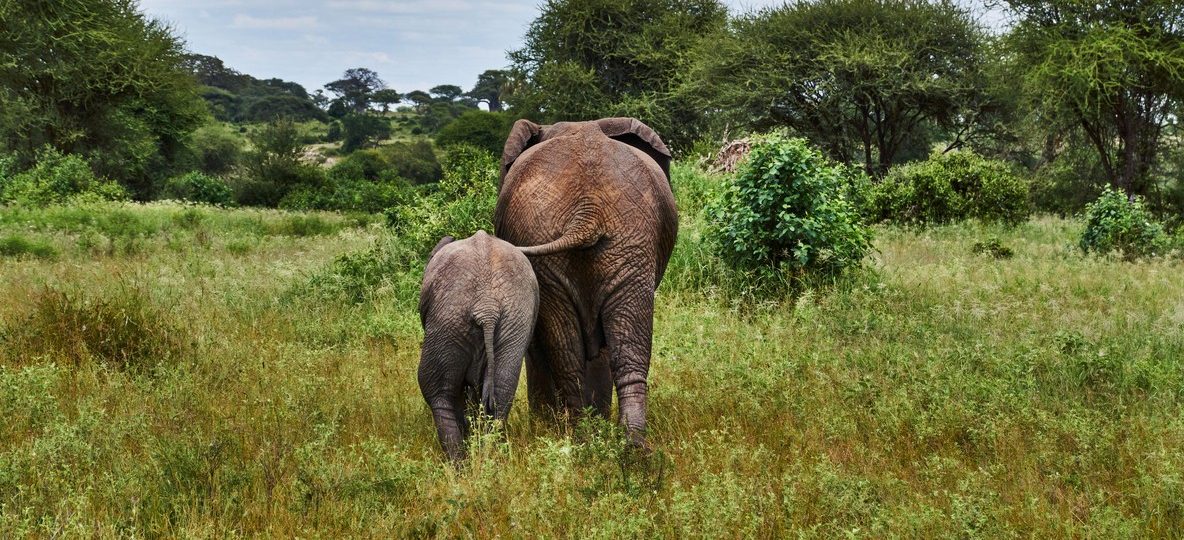
Amboseli Baby Elephants: When to See Calves and Why 2025 Was a Record-Breaking Year
If you are planning a trip around the Amboseli baby elephants season, 2025 gave researchers their best year on record. The Amboseli Trust for Elephants (ATE) logged more than 220 new calves across the ecosystem, the highest single-year count since long-term monitoring began. For travellers, that record matters because it points to exactly when and where the calf sightings are richest right now. This guide covers the timing, the science behind the boom, and the camps that put you closest to the action on your Kenya tours and safaris.
Why Amboseli Is the Best Park in Kenya for Baby Elephants
Amboseli National Park covers 392 square kilometres, small by East African standards, but it sits inside a much larger 8,000 square kilometre ecosystem fed by underground water draining off Mount Kilimanjaro. That water surfaces as permanent swamps, most notably the Longinye and Ol Tukai swamps, which stay green even in the dry months when the surrounding plains turn to dust.
Permanent water and short grass mean elephant families do not have to travel far to feed and drink. Herds stay concentrated and visible, often in open view of Kilimanjaro’s snowcap, which is why Amboseli produces the most reliable calf sightings of any park in Kenya. Family groups with newborns tend to stay close to the swamp edges, where the ground is soft and the grazing is easy on very young legs.
When Is Amboseli Baby Elephants Season?
Elephants can give birth at any time of year, but births cluster around Kenya’s two wet seasons because a mother’s nutrition in the final months of a roughly 22-month pregnancy strongly affects calf survival. The two calving peaks to plan around are:
- November to December, tied to the short rains
- March to May, tied to the long rains, with April usually the wettest and greenest month
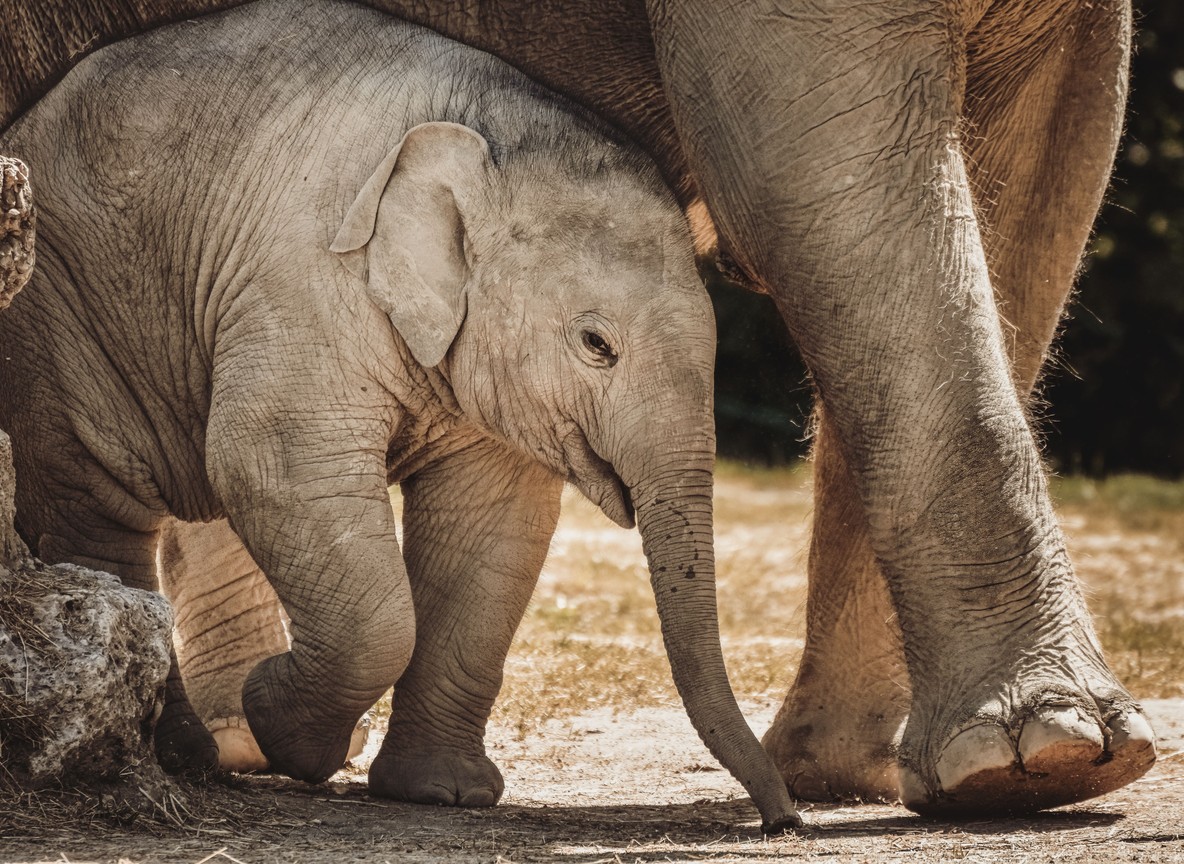
Calves born in these windows arrive when grass is at its most nutritious, giving mothers the milk supply newborns need in their first fragile weeks. Visiting in the six to eight weeks after either wet season gives you the highest odds of seeing very young calves, the ones still small enough to walk directly under their mother’s belly.
Why 2025 Was a Record-Breaking Year
ATE researchers, who have tracked named elephant families in Amboseli continuously since 1972, recorded the highest annual calf count in the study’s history in 2025, with more than 220 calves documented across the monitored population. Two consecutive strong wet seasons in the preceding rainfall cycle are the leading explanation. Good rain built up grass reserves and swamp levels, which improved maternal body condition heading into the birthing window, and low poaching pressure in the Amboseli ecosystem allowed more females to reach reproductive age.
For visitors, the practical effect is a larger, younger cohort of calves moving through the swamps and plains right now, which means family herds with multiple young calves are easier to find than in an average year.
Amboseli Baby Elephant Season at a Glance
| Period | Rainfall Pattern | Calving Likelihood | Crowd Levels | Best For |
|---|---|---|---|---|
| November – December | Short rains | High | Moderate | Fresh calves, green scenery |
| January – February | Dry, cool | Moderate (late arrivals) | High (peak season) | Clear skies, easier game drives |
| March – May | Long rains (peak April) | Highest | Low | Youngest calves, best light, fewer vehicles |
| June – October | Dry season | Low (calves now mobile) | High | Larger herds at swamp edges, dust backdrops |
Amboseli Facts Travellers Actually Need
| Detail | Figure |
|---|---|
| Park size | 392 km² (wider ecosystem approx. 8,000 km²) |
| Distance from Nairobi | Approx. 240 km via Namanga or Emali road |
| Drive time from Nairobi | Approx. 4 hours by road |
| Flight time from Wilson Airport | Approx. 45 minutes to Amboseli Airport |
| Non-resident park entry (adult) | USD 90 per day (KWS rate) |
| Non-resident park entry (child) | USD 45 per day (KWS rate) |
| Main gates | Meshanani (Iremito) Gate, Kimana Gate, Kitirua Gate |
| Key permanent water sources | Longinye Swamp, Ol Tukai Swamp |
| Elephant gestation period | Approx. 22 months |
| 2025 recorded calf births (ATE) | 220+ (ecosystem record) |
Accommodation cost is not fixed by the park, so treat any figure as an indicative range rather than a quote. Mid-range lodges near the swamps typically run in the USD 250-450 per person per night bracket, while premium tented camps closer to the elephant corridors run higher. Confirm current rates directly with Trunktrails Safaris before booking, since camp pricing shifts with season and availability.
Best Camps for Watching Elephant Families with Calves
Camps positioned near the swamp system give you the shortest drive to where calves actually feed. Strong options include:
- Tortilis Camp (Elewana Collection), on the Kitirua Conservancy side, with private access away from the main park crowds
- Ol Tukai Lodge, inside the park boundary and within a short drive of both Longinye and Ol Tukai swamps
- Amboseli Serena Safari Lodge, positioned near the swamp edge with strong resident elephant traffic
- Satao Elerai Camp, on a private conservancy bordering the park with Kilimanjaro views and lower vehicle density
Camps closer to the swamps generally mean shorter game drives at dawn, which is when family herds with young calves are most active before the day heats up. Trunktrails Safaris books all four of these camps directly as part of custom Amboseli tours and safaris, matched to whichever calving window you are travelling in.
How Elephant Calves Behave on Safari
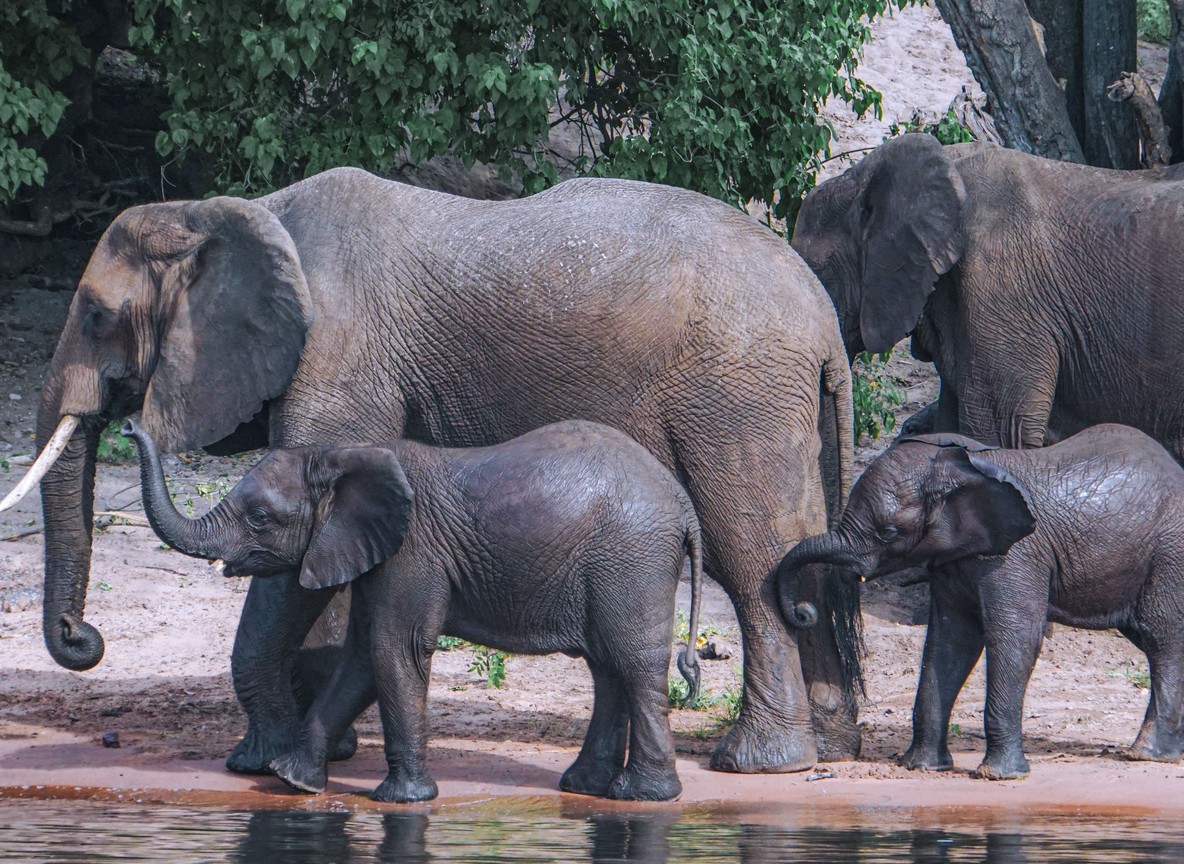
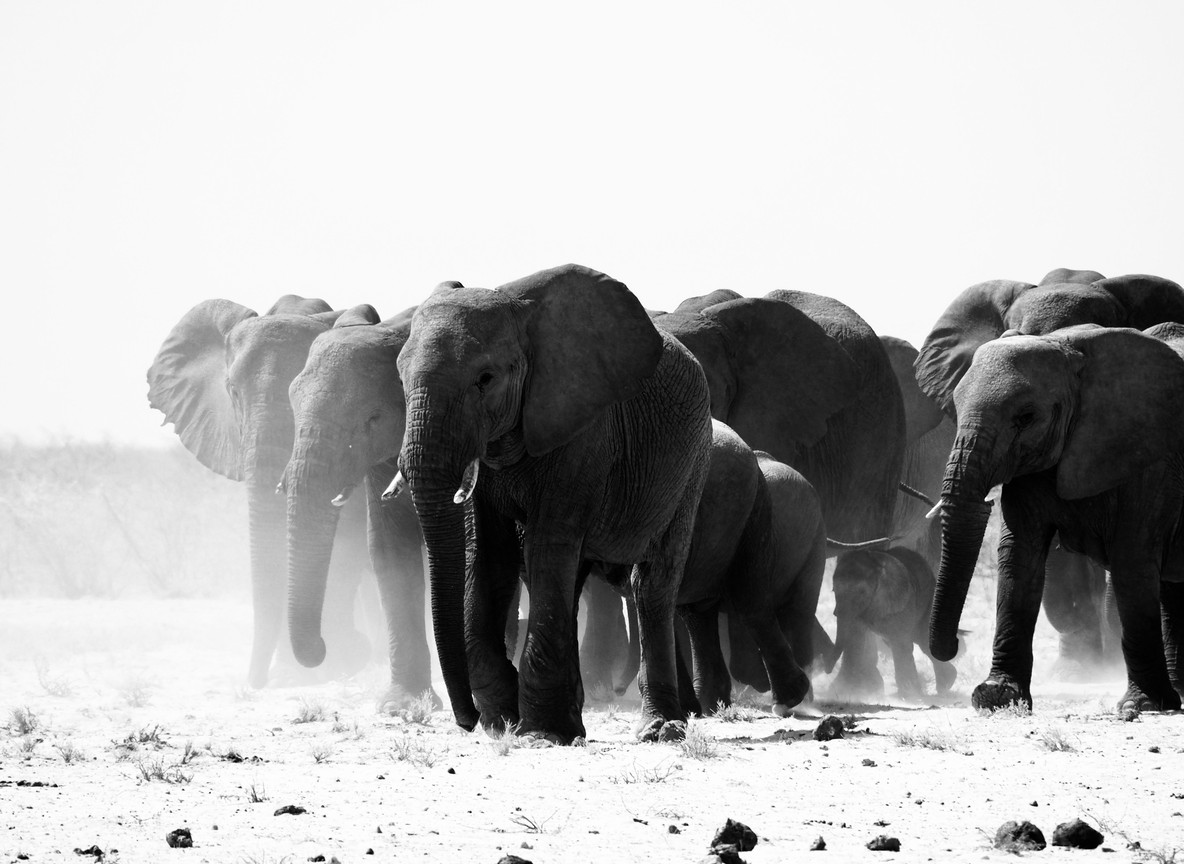
Newborn calves stay within touching distance of their mother for the first weeks, often shielded on both sides by an aunt or older sibling in what researchers call an alloparenting formation. Calves under three months struggle to control their trunks and will trip over them, drink water the wrong way, or use their mouths instead. By four to six months, calves start testing short bursts of independence, trotting a few metres from the herd before circling back.
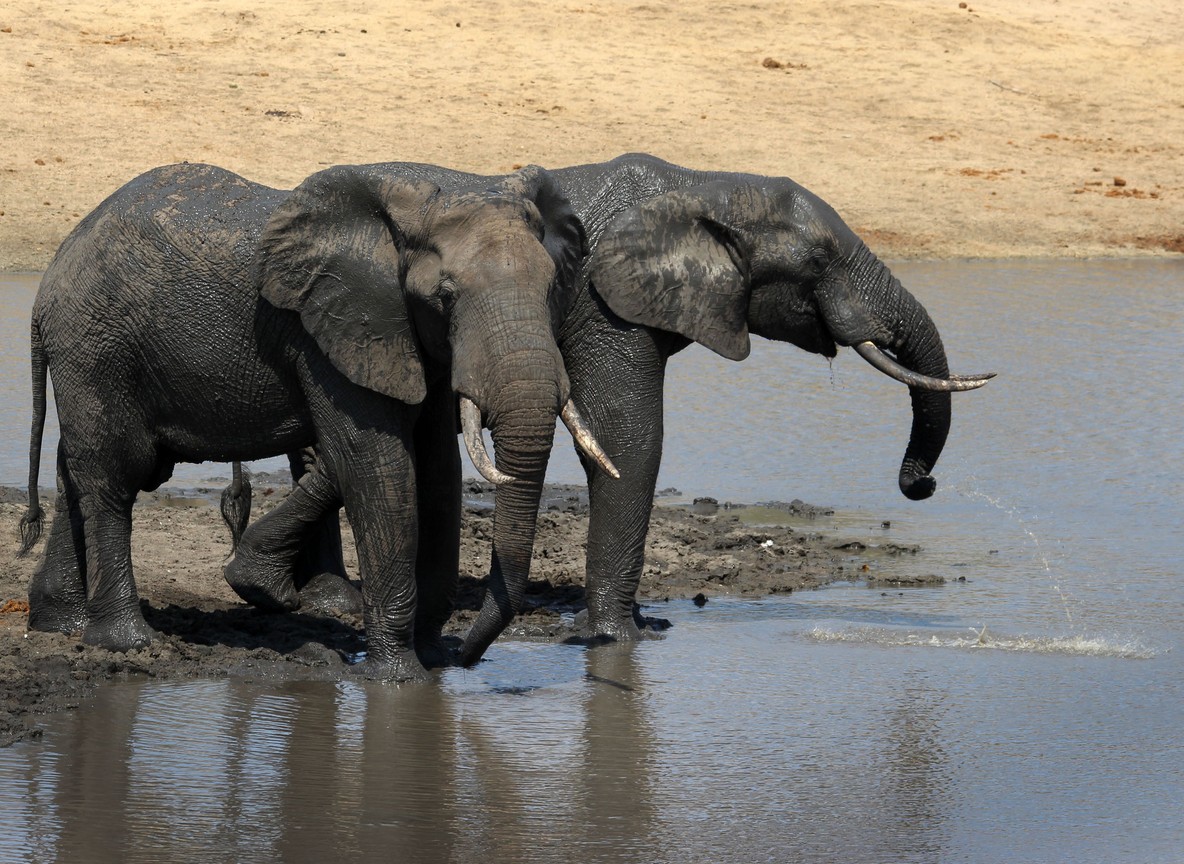
Family groups with multiple calves tend to bunch tightly near water and shade during the hottest midday hours, then spread out to graze in the cooler morning and late afternoon. Planning game drives around those windows gives you the best combination of active behaviour and good light.
Amboseli Trust for Elephants: The Research Behind the Record
The Amboseli Trust for Elephants, founded by researcher Cynthia Moss in 1972, runs the longest continuous study of a wild elephant population anywhere in the world. Every elephant in the monitored population is individually identified, named, and tracked across generations, which is how ATE can confirm a birth record with confidence rather than estimate it. That five-decade dataset is also why Amboseli elephant families are so well documented for guides and travellers, since many of the animals you will see on a game drive have known family histories stretching back multiple generations.
Photographing and Viewing Calves Responsibly
- Keep vehicles at a respectful distance, especially around very young calves whose mothers are more defensive in the first weeks
- Avoid boxing a herd in on multiple sides with several vehicles
- Keep voices low and avoid sudden vehicle movement near a resting family group
- Early morning and late afternoon light near the swamps gives the strongest photography conditions, with Kilimanjaro often clear before mid-morning cloud builds
The Trunktrails Advantage
Timing an Amboseli baby elephants season trip well requires more than picking a month. It means matching camp location to swamp access, booking around the short window when calf numbers peak, and reading current ranger and researcher reports on where family herds are concentrated that week. Generic booking platforms cannot give you that level of local detail.
Trunktrails Safaris builds every Amboseli itinerary around current elephant movement, camp proximity to the Longinye and Ol Tukai swamps, and the calving calendar rather than generic seasonal advice. As a Kenyan-owned operator running tours and safaris across Amboseli year-round, we track which camps are seeing the most calf activity each month and adjust client itineraries accordingly. Trunktrails Safaris also handles park permits, gate logistics, and camp bookings as one coordinated package, so you are not managing fee schedules and availability windows on your own.
For families and first-time safari travellers, that local knowledge is the difference between a trip that hopes to see calves and one that is planned around exactly where they are. 🐘
Plan Your Amboseli Baby Elephant Safari
The next calving peak is closer than you think, and camps near the swamps book out fastest in the weeks that follow the rains. If watching elephant families with young calves is the centrepiece of your Kenya trip, now is the time to lock in dates.
Contact Trunktrails Safaris to build your Amboseli itinerary around the current calving season:
Further reading
More safari planning resources
- Map of Amboseli from Valley Safaris
- Amboseli National Park guide on Touring Insights
- Amboseli destination guide on FindMySafari
- Big Five safari collection on FindMySafari
- WhatsApp: +254 113 208888
- Email: info@trunktrailssafaris.com
- Website: trunktrailssafaris.com
- Kenyan-Owned Tours and Safaris Operator 🌍