Namunyak Conservancy Kenya: Inside the 850,000-Acre Wilderness and the Reteti Connection
Namunyak Conservancy Kenya covers roughly 850,000 acres (about 3,440 km²) of the Mathews Range and the plains around it in Samburu County. That makes it one of the largest community-owned conservancies in the country. Trunktrails Safaris built this guide because most travelers only know Namunyak through one name, Reteti Elephant Sanctuary. Few understand the much bigger wilderness that surrounds it. Here is what the conservancy actually protects, how Reteti fits into that story, and what it costs to get there. 🐘
What Is Namunyak Conservancy?
Namunyak means “blessed” in the Samburu language, and the name fits. This is community-owned land, not a government reserve. Local Samburu pastoralists manage it through the Namunyak Wildlife Conservation Trust. The Northern Rangelands Trust (NRT) supports that work as the umbrella body overseeing 43 community conservancies across northern and coastal Kenya. Namunyak sits north of Samburu National Reserve, wrapping around the forested peaks of the Mathews Range. Locals call these hills the Lenkiyio Hills. They rise above 2,300 meters and pull rain out of clouds that would otherwise pass over the surrounding desert.
That forest is the reason Namunyak matters ecologically. It is a rare highland water catchment inside an otherwise arid landscape, feeding seasonal rivers that Samburu herders and wildlife both depend on through the dry season. Elephants move freely between Namunyak, neighboring Westgate and Kalama conservancies, and Samburu National Reserve to the south. They follow corridors that community conservancies like Namunyak exist specifically to protect. Revenue from tourism and conservation fees funds ranger salaries, schools, and healthcare for the roughly 8,500 Samburu residents who live inside conservancy boundaries. That is the core of the NRT model: conservation that pays local communities directly, instead of fencing them out.
The Reteti Connection
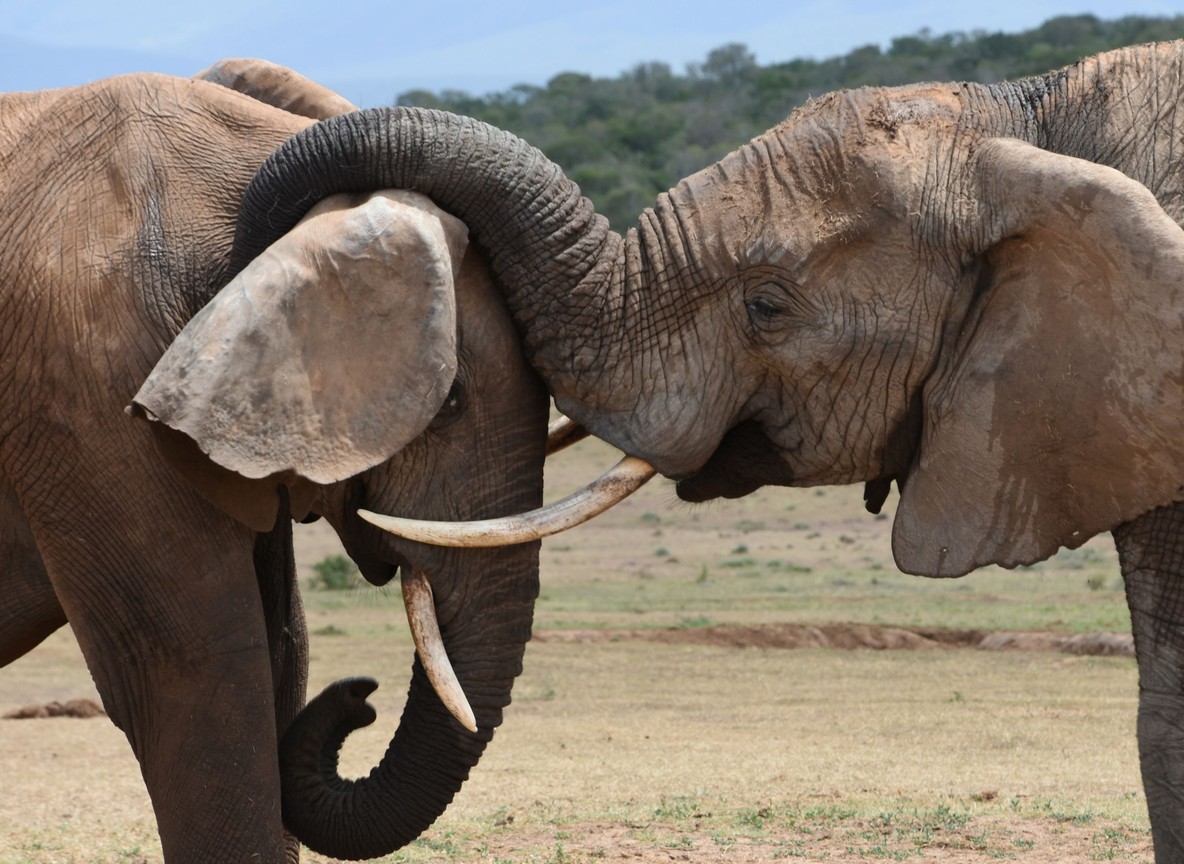
Reteti Elephant Sanctuary sits inside Namunyak, near the Sarara area of the Mathews Range foothills. It is Africa’s first community-owned and community-run elephant sanctuary. The sanctuary opened in 2016, staffed almost entirely by Samburu keepers, several of them women. That matters in a region where elephant care work had long been assumed to be a job for outsiders. Reteti takes in orphaned and abandoned elephant calves found across northern Kenya. Keepers hand-raise them and work toward releasing them back into the wild Namunyak herds once they are old enough to cope on their own.
The sanctuary is not an add-on to a Namunyak visit. It is the clearest expression of what the conservancy is trying to prove, that a community can run world-class conservation infrastructure on its own land and keep the tourism revenue local. Reteti now welcomes day visitors for scheduled feeding sessions. Trunktrails Safaris books this as a standalone half-day excursion for guests staying at Sarara Camp or nearby Samburu properties, timed around the sanctuary’s public visiting windows.
Namunyak by the Numbers
Real figures matter more than adjectives when you are planning logistics. Here is what to expect in terms of scale, access, and cost.
| Detail | Figure |
|---|---|
| Conservancy size | ~850,000 acres (~3,440 km²) |
| Location | Samburu County, northern Kenya, north of Samburu National Reserve |
| Managing body | Namunyak Wildlife Conservation Trust, under Northern Rangelands Trust (NRT) |
| Reteti Elephant Sanctuary opened | 2016 |
| Main camp inside the conservancy | Sarara Camp, Mathews Range foothills |
| Drive from Nairobi to Sarara | ~345 km via Nanyuki, Isiolo, and Wamba, roughly 7-8 hours on the final unpaved stretch |
| Flight from Nairobi (Wilson Airport) | To Namunyak or Kalama airstrip, roughly 75-90 minutes, often via a Samburu stop |
| Indicative conservancy fee | USD 60-100 per person, per day |
| Indicative Sarara Camp rate | USD 700-1,200 per person, per night, all-inclusive |
Fees above are indicative planning ranges only. Always confirm current conservancy and lodge rates with your operator before booking, since community conservancy fees are reviewed periodically by the NRT network.
Sarara Camp and the Singing Wells
Sarara Camp is the flagship lodge inside Namunyak, an intimate tented camp built into the rock and thorn scrub of the Mathews Range foothills. A second option, Sarara Treehouses, suits travelers who want to sleep in the open air above a waterhole. Both properties are community-owned in partnership with the Samburu. Bed-night fees flow directly into the same trust that funds Reteti and conservancy ranger patrols.
Sarara is also the access point for one of the region’s most distinctive cultural experiences, the Samburu singing wells. Herders lower buckets by hand into hand-dug wells and chant rhythmic songs while watering their cattle, camels, and goats. The practice has continued for generations in this part of Samburu County. Guests can visit with a local guide as part of a longer Namunyak itinerary, alongside game drives, walking safaris with Samburu trackers, and the Reteti excursion.
Wildlife Beyond the Elephants
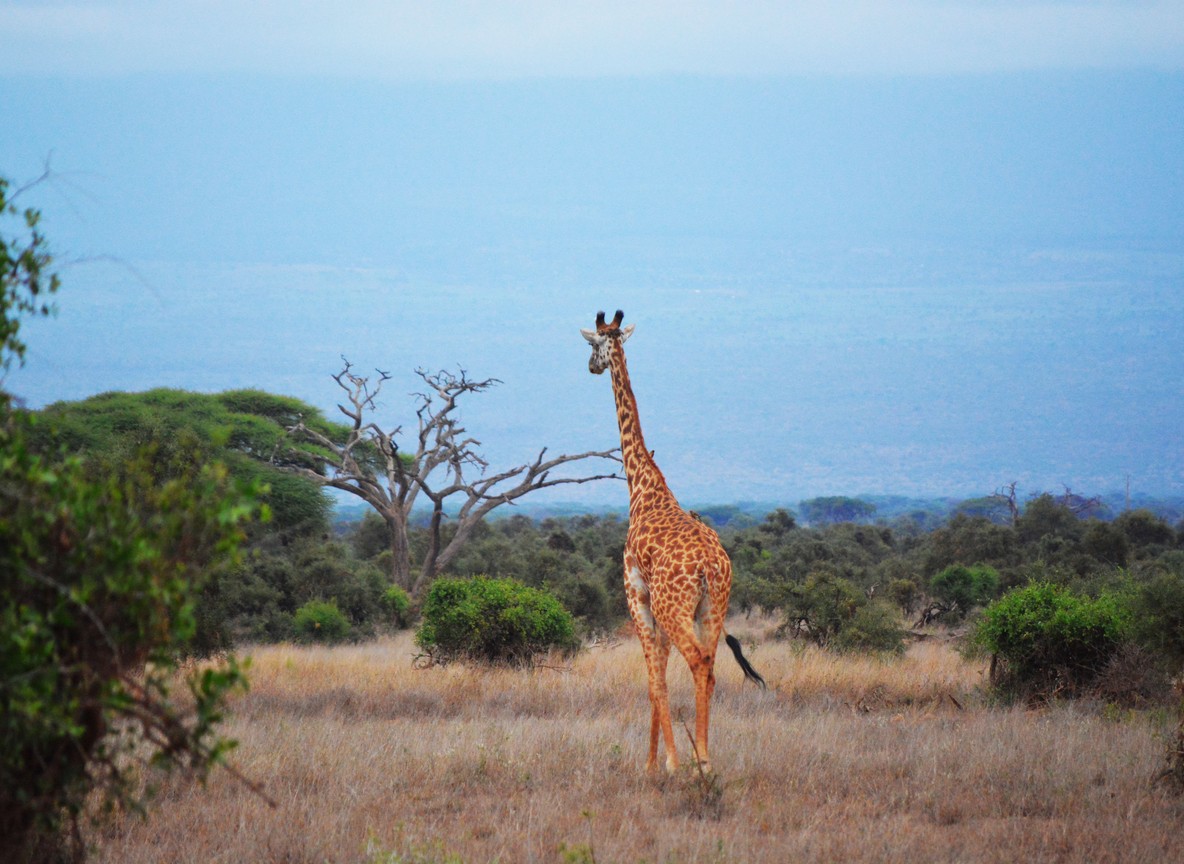
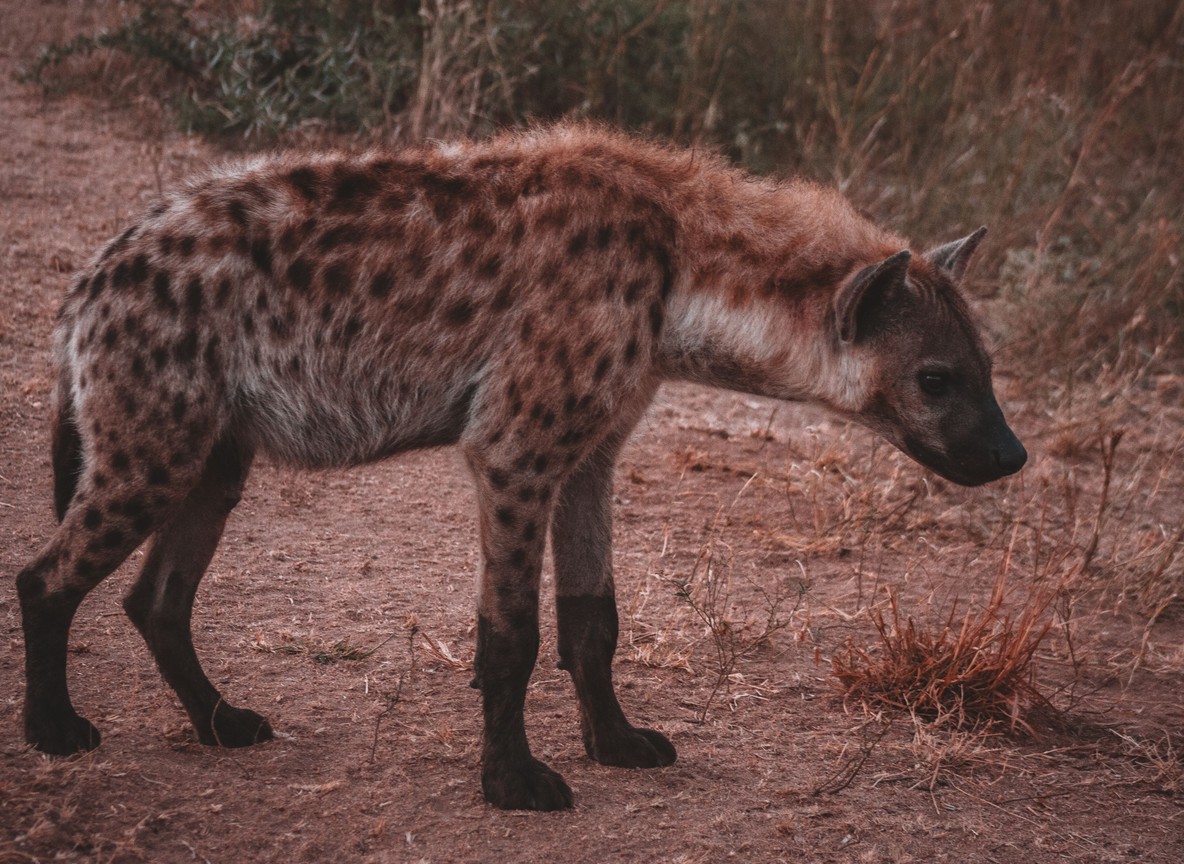
Namunyak’s size means it protects far more than the elephant corridors that feed Reteti. The Mathews Range forest and the drier plains below it support reticulated giraffe, Grevy’s zebra, gerenuk, and Beisa oryx. These four species define northern Kenya’s arid-country wildlife, and they are rarely seen in the same numbers on southern safari circuits. Leopard and striped hyena move through the forest edges. The conservancy’s community rangers also track lion prides that range between Namunyak, Westgate, and Samburu National Reserve. Birdlife is strong too, with over 350 species recorded across the wider Samburu conservancy cluster, from Somali ostrich on the plains to forest hornbills in the Mathews Range canopy.
Walking safaris are a bigger part of the experience here than in most Kenyan parks. Sarara Camp guides guests on foot with armed Samburu trackers who read animal sign the way a city guide reads street signs. That skill comes from growing up herding livestock through this exact landscape. It is a slower, quieter way to encounter wildlife than a vehicle-based game drive. That pace is also one of the clearest reasons travelers choose tours and safaris built around Namunyak over a standard reserve stopover.
Best Time to Visit Namunyak
Namunyak is a year-round destination, but conditions shift with Kenya’s two dry seasons. June through October and again January through February give the clearest game viewing. Wildlife concentrates around permanent water in the conservancy’s lower plains during those months. The long rains in April and May turn the Wamba road into difficult driving. Many operators, including Trunktrails Safaris, recommend flying in during that window rather than risking the drive. December brings short rains and a green landscape that photographers favor, though roads can still be muddy after storms.
Getting There: Drive vs Fly
The road to Namunyak is part of the adventure, but it is not for every traveler. From Nairobi, the drive runs through Nanyuki and Isiolo on tarmac, then turns onto the unpaved Wamba road for the final stretch into the Mathews Range. That journey takes 7-8 hours depending on recent rain. Self-drive is possible with a 4×4 but not recommended without local knowledge of the route.
Flying cuts that down dramatically. Scheduled and charter flights leave Nairobi’s Wilson Airport for Namunyak or nearby Kalama airstrip, landing in roughly 75-90 minutes, often with a short stop at Samburu or Lewa en route. Trunktrails Safaris books these connections directly with camp transfers included. Guests land at the airstrip and are on their way to Sarara Camp within the hour, instead of losing a full travel day on a difficult road.
Namunyak vs Other Northern Kenya Conservancies
Namunyak is one of several community conservancies clustered around Samburu National Reserve, and each offers a different mix of scale, wildlife, and infrastructure. Here is how it compares.
| Destination | Size | Signature Draw | Crowd Level | Best For |
|---|---|---|---|---|
| Namunyak Conservancy | ~850,000 acres (~3,440 km²) | Reteti Elephant Sanctuary, Mathews Range forest | Low | Elephant conservation, cultural immersion |
| Samburu National Reserve | 165 km² | Special Five species, Ewaso Ng’iro River | Moderate | Classic game drives, shorter stays |
| Sera Conservancy | ~340,000 acres (~1,375 km²) | Community-run black rhino sanctuary since 2015 | Very low | Rhino tracking, off-grid travel |
| Westgate Conservancy | ~86,000 acres (~348 km²) | Buffer zone bordering Samburu Reserve | Low | Easy add-on from Samburu stays |
The Trunktrails Advantage
Trunktrails Safaris is a Kenyan-owned operator, and northern conservancies like Namunyak reward exactly that kind of local grounding. Booking Sarara Camp or a Reteti visit through an agent who has never driven the Wamba road is a different experience. Our team knows which airstrip transfer saves you three hours and which months make that road impassable.
We build Namunyak into wider northern Kenya routes, pairing it with Samburu National Reserve, Sera’s rhino sanctuary, or Laikipia’s conservancy network depending on how much time you have. Trunktrails Safaris also keeps current relationships with the community trusts behind Reteti and Sarara. That means we confirm real visiting windows and conservation fees rather than guessing. Maybe you want one focused day at Reteti. Or perhaps a full week of tours and safaris through the Mathews Range and beyond suits you better. Either way, Trunktrails Safaris designs the itinerary around your dates, pace, and budget. 🌍
Ready to See Namunyak for Yourself?
Namunyak Conservancy Kenya is not a place you stumble into on a standard Mara-and-Amboseli circuit. It takes planning to reach, and that is exactly why it stays quiet, wild, and community-run on its own terms. Trunktrails Safaris can build your route from Nairobi through Samburu into Namunyak, with Reteti Elephant Sanctuary and Sarara Camp built into the pace you want.
Further reading
More safari planning resources
- Map of Samburu from Valley Safaris
- Samburu National Reserve guide on Touring Insights
- Samburu destination guide on FindMySafari
- Big Five safari collection on FindMySafari
Reach out on WhatsApp at +254 113 208888 or email info@trunktrailssafaris.com. Our team will confirm current conservation fees, flight schedules, and camp availability across Namunyak and the wider Samburu region. Trunktrails Safaris books tours and safaris throughout northern Kenya, so let us turn this guide into your next confirmed departure. 📸