Aberdare National Park: Kenya’s Misty Highland Safari Beyond the Big Cats
Most safari itineraries skip Aberdare National Park because it does not promise a lion on every game drive. That is the wrong reason to skip it. Aberdare is a highland forest and moorland reserve rising from 1,800 metres to nearly 4,000 metres. It holds wildlife and scenery you cannot find in Kenya’s flatter savannah parks.
Trunktrails Safaris has been building central Kenya tours and safaris around Aberdare for years. This guide covers what the park offers, what it costs, and how it compares to Masai Mara and Amboseli, so you can decide if it belongs on your itinerary. 🌍
What Makes Aberdare National Park Different
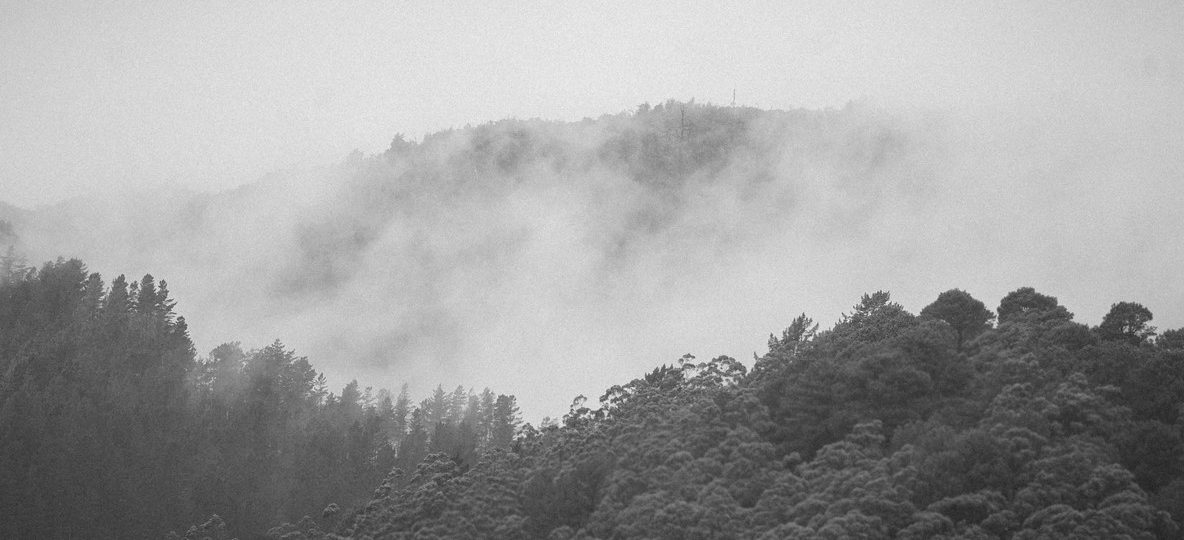
Aberdare National Park sits inside the Aberdare Range, a mountain block northwest of Nairobi that feeds Nairobi’s water supply and much of central Kenya’s farmland. Unlike the open grassland of Masai Mara or Amboseli, Aberdare is layered. Dense rainforest and bamboo cover the lower slopes, giving way to open moorland, heather, and rocky peaks higher up.
That layering is the whole point. Aberdare is a highland forest safari, not a plains safari. You will not see herds of wildebeest crossing rivers here. Instead, a black leopard has been photographed on camera trap in the moorland. Giant forest hogs turn up at forest edges, alongside rare antelope found almost nowhere else on earth. If your goal is the widest possible picture of Kenya’s ecosystems, Aberdare fills a gap that Masai Mara and Amboseli cannot.
In June 2026, the Kenya Wildlife Service (KWS) translocated 50 elephants from Mwea National Reserve into Aberdare. The move eased pressure on Mwea’s habitat and strengthened the historic wildlife corridor linking Aberdare to Mount Kenya. It is a real signal that Aberdare’s ecosystem is being actively reinforced, not left to decline.
Aberdare National Park: Fast Facts
Before booking, these are the numbers that actually matter for planning.
| Fact | Detail |
|---|---|
| Park size | 766 square kilometres |
| Elevation range | Approximately 1,800m to 3,999m at Ol Doinyo Lesatima peak |
| Gazetted | 1950, one of Kenya’s oldest national parks |
| Main gates | Ruhuruini Gate, Kiandongoro Gate, Mutubio Gate, Wandare Gate, Shamata Gate |
| Distance from Nairobi | Around 165km to Nyeri, then roughly 15-25km further to the nearest gate |
| Drive time from Nairobi | Approximately 3 to 3.5 hours to the main gates |
| KWS entry fee (indicative) | Non-resident adult approximately USD 60 per day, non-resident child approximately USD 30 per day (confirm current KWS rates before travel) |
| Key rivers and falls | Chania River, Gura River, Karura Falls, Gura Falls (one of Kenya’s tallest waterfalls at roughly 300m) |
| Signature lodges | The Ark, Treetops Lodge, Aberdare Country Club, Sangare Tented Camp |
All KWS fees are subject to change without notice. Always confirm current rates through KWS or your tour operator before your trip.
Wildlife Beyond the Big Cats
Aberdare’s aberdare national park wildlife list reads differently from a typical savannah checklist. The park is one of the last strongholds for the mountain bongo, a critically endangered forest antelope. Fewer than 100 individuals survive in the wild, most protected through reintroduction work tied to Aberdare and the Mount Kenya Wildlife Conservancy’s Bongo Surveillance Project.
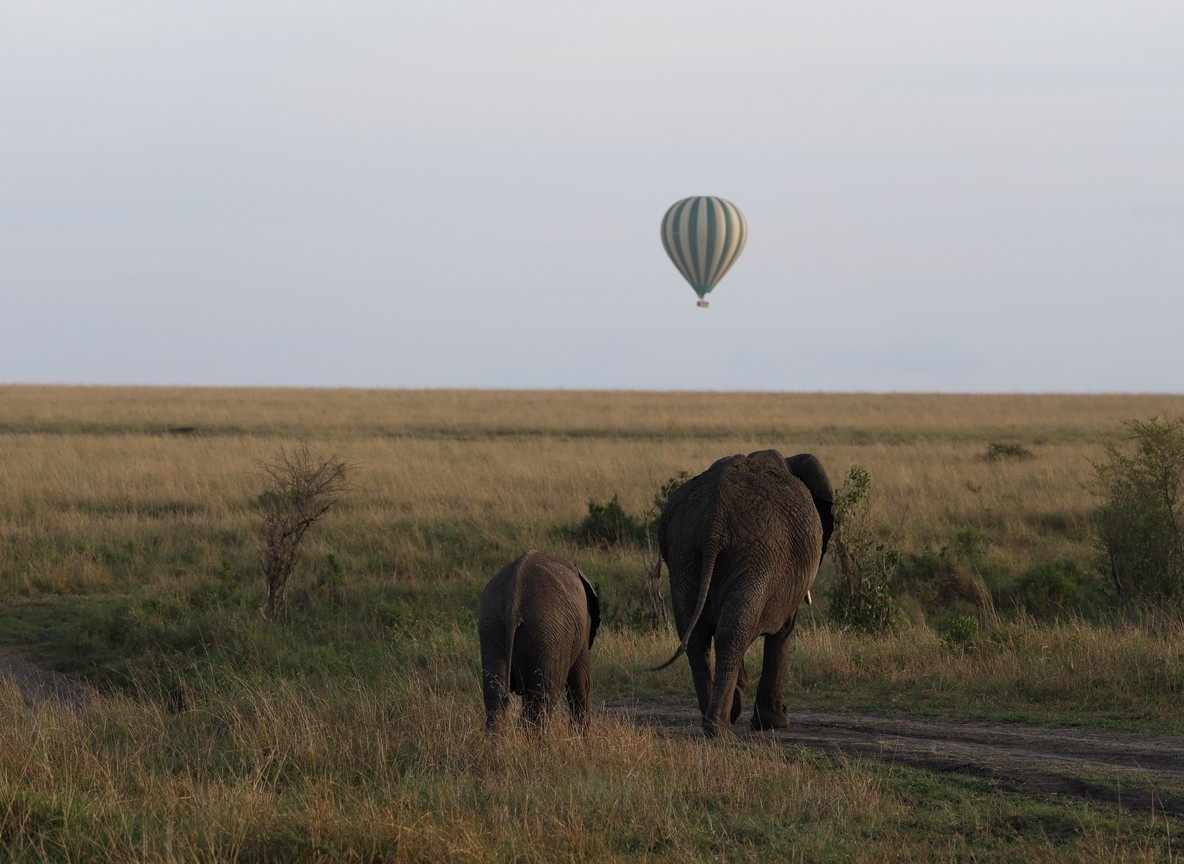
The park also produced one of the most striking wildlife photographs of the last decade: a melanistic, fully black leopard, captured on camera in Aberdare’s moorland in 2019. It was one of the first confirmed sightings of its kind in Africa in almost a century. Alongside these rarities, expect giant forest hog, black-fronted duiker, Colobus monkeys, buffalo, elephant, and over 250 recorded bird species, including the Aberdare cisticola, found only in this ecosystem.
This is aberdare highland forest safari territory: quieter, slower, and built around patience rather than guaranteed sightings. Guests who come expecting a different kind of wildlife experience, rather than a Big Five checklist, tend to leave impressed.
The Ark and Treetops: Aberdare’s Waterhole Lodges
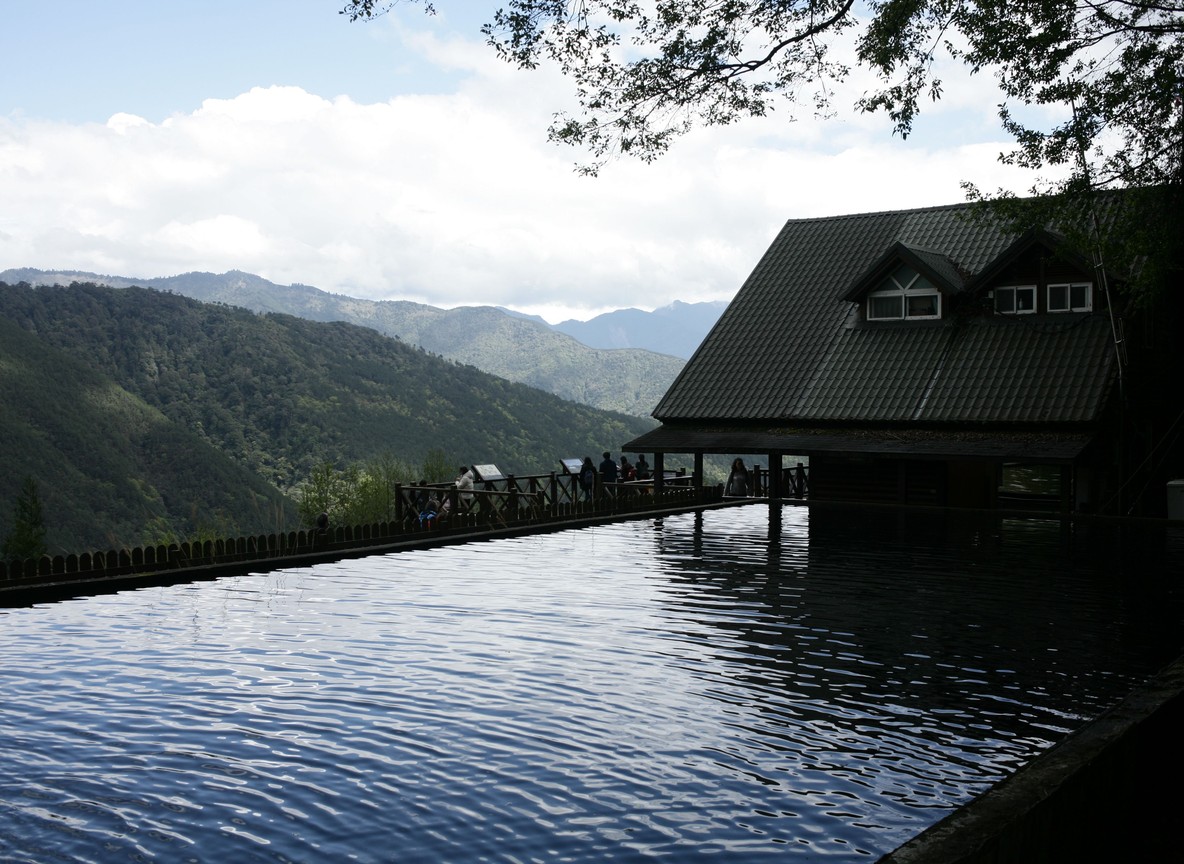
Aberdare popularized a lodge style unique in Kenya: the waterhole lodge, where you stay still and let wildlife come to you rather than driving to find it. The Ark Aberdare National Park is the most famous example. It is a timber lodge built over a floodlit natural waterhole, where elephant, buffalo, and forest antelope regularly appear through the night. Guests get a buzzer system that wakes them if rare animals arrive after dark.
Treetops Lodge, Aberdare’s original waterhole lodge dating to 1932, holds its own place in history. Then-Princess Elizabeth was staying there when she learned she had become Queen in 1952. Aberdare Country Club, at the base of the range, and Sangare Tented Camp offer a gentler pace with mountain views instead of nighttime waterhole viewing.
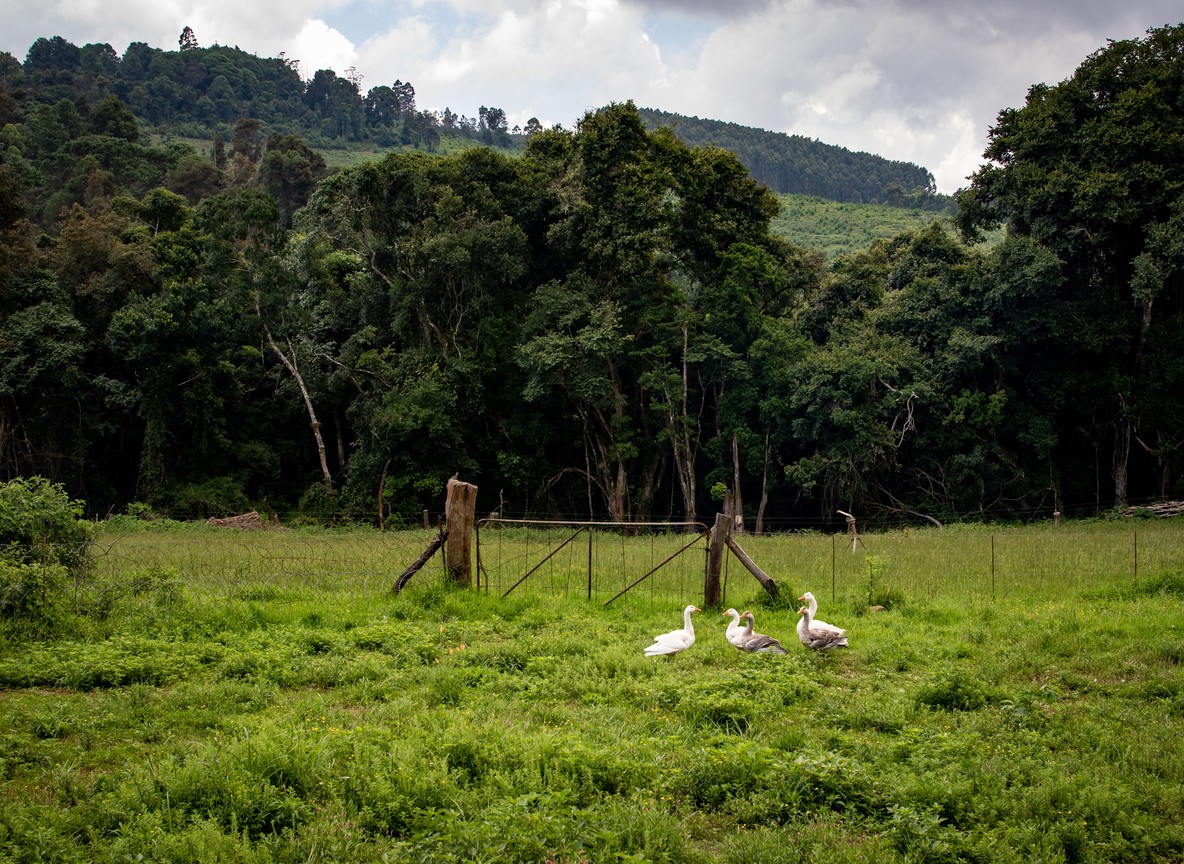
Aberdare’s Waterfalls and Moorland
Few Kenyan parks combine dense forest, open moorland, and dramatic waterfalls in one reserve. Aberdare does. Gura Falls drops roughly 300 metres through forested cliffs and ranks among the tallest waterfalls in Kenya. Karura Falls and Chania Falls are more accessible stops on shorter game drives.
Above the forest line, the park opens into aberdare moorland safari country: rolling heather moorland, tussock grass, and volcanic peaks including Ol Doinyo Lesatima. This terrain feels closer to Scottish highlands than East African savannah. It is the part of Aberdare most visitors never see, since reaching it takes a full-day route through the park rather than a short loop.
Aberdare vs Masai Mara vs Amboseli
Here is how Aberdare stacks up against Kenya’s two most-visited parks, so you can see where it fits in a wider itinerary.
| Feature | Aberdare National Park | Masai Mara | Amboseli |
|---|---|---|---|
| Park size | 766 sq km | Approximately 1,510 sq km (Mara Reserve) | Approximately 392 sq km |
| Landscape | Highland forest and moorland | Open savannah grassland | Semi-arid plains, Mt Kilimanjaro views |
| Drive time from Nairobi | 3 to 3.5 hours | 5 to 6 hours (or 45-minute flight) | Approximately 4 hours |
| Entry fee (indicative, non-resident adult) | Approximately USD 60/day | Approximately USD 100/day (Narok County rate) | Approximately USD 60/day |
| Signature wildlife | Mountain bongo, black leopard, forest elephant | Wildebeest migration, lion prides | Elephant herds, Kilimanjaro backdrop |
| Best fit | Conservation-focused and highland scenery travelers | First-time safari, Big Five and migration | Elephant and photography-focused travelers |
Aberdare works best combined with Mount Kenya, Ol Pejeta, or Lake Nakuru on a central Kenya circuit. It is a weaker fit as a standalone stop for first-time visitors chasing the Big Five in one trip.
Best Time to Visit and How to Get There
Aberdare’s highland climate means cooler temperatures year-round, often below 15 degrees Celsius at night near the moorland. The driest and clearest viewing months are January to February and June to September, when misty conditions lift more often and mountain roads stay passable. Long rains from March to May bring the thickest mist and the greenest forest, beautiful for photography but harder for wildlife visibility.
Most travelers reach Aberdare by road from Nairobi through Nyeri, entering via Ruhuruini or Kiandongoro Gate depending on which lodge they are booked into. Self-drive is possible but a 4×4 is strongly recommended, since forest roads become slippery after rain. Most guests on organized tours and safaris arrive by private vehicle with a guide who knows current road conditions inside the park.
The Trunktrails Advantage
Trunktrails Safaris is a Kenyan-owned operator, licensed by the Tourism Regulatory Authority (Licence No. TRA1/22/C01/92750, Class C), which means every Aberdare itinerary we run is backed by a locally accountable operator, not a foreign booking platform reselling someone else’s ground arrangements.
Our guides know which gate suits which lodge and when the moorland road is actually passable. They pace each highland safari so guests are not disappointed by mist or a quiet game drive. We combine Aberdare with Ol Pejeta, Lake Nakuru, or Mount Kenya into full central Kenya tours and safaris. Every guest also gets an honest brief on what Aberdare will and will not deliver before they book, because an accurate expectation makes for a better trip than an oversold one.
Trunktrails Safaris prices Aberdare itineraries around real KWS fees and lodge rates, not inflated packages, so what you are quoted reflects what the park and property actually charge.
Ready to See Kenya’s Misty Highlands?
Aberdare National Park rewards travelers who want more than another game drive through open grassland. A highland forest safari with waterfalls, rare wildlife, and a waterhole lodge might be exactly the trip you want. Trunktrails Safaris can build it around your dates and your budget.
Further reading
More safari planning resources
- Kenya national parks map from SafariPure
- Kenya national parks map from Valley Safaris
- Big Five safari parks guide on Touring Insights
- Big Five safari collection on FindMySafari
Message us on WhatsApp at +254 113 208888 or email info@trunktrailssafaris.com and tell us how many days you have. We will map an Aberdare itinerary, tell you honestly which lodge fits your style, and confirm current park fees before you pay a shilling. Spaces at The Ark and Treetops fill early in peak dry season, so reach out now to lock in your dates. 📸