Why Kenya Is Best Safari Country: 7 Reasons It Still Wins in 2026 🦁
Ask ten well-traveled safari-goers why Kenya is best safari country and you will hear ten different favorite moments, a lion pride crossing the road at Maasai Mara, elephants against Kilimanjaro at Amboseli, a leopard in a fig tree at Samburu. In 2026, none of that has changed, and a few things have gotten better: more direct flights into Nairobi, a rebounding rhino population, and a conservancy network that keeps growing around the Mara.
At Trunktrails Safaris, we have spent years building tours and safaris across every one of Kenya’s major ecosystems, and we still believe no other country packs this much wildlife, landscape and access into one trip. Here are the seven reasons why, with the real numbers to back each one.
1. The Great Migration Still Belongs to the Mara River
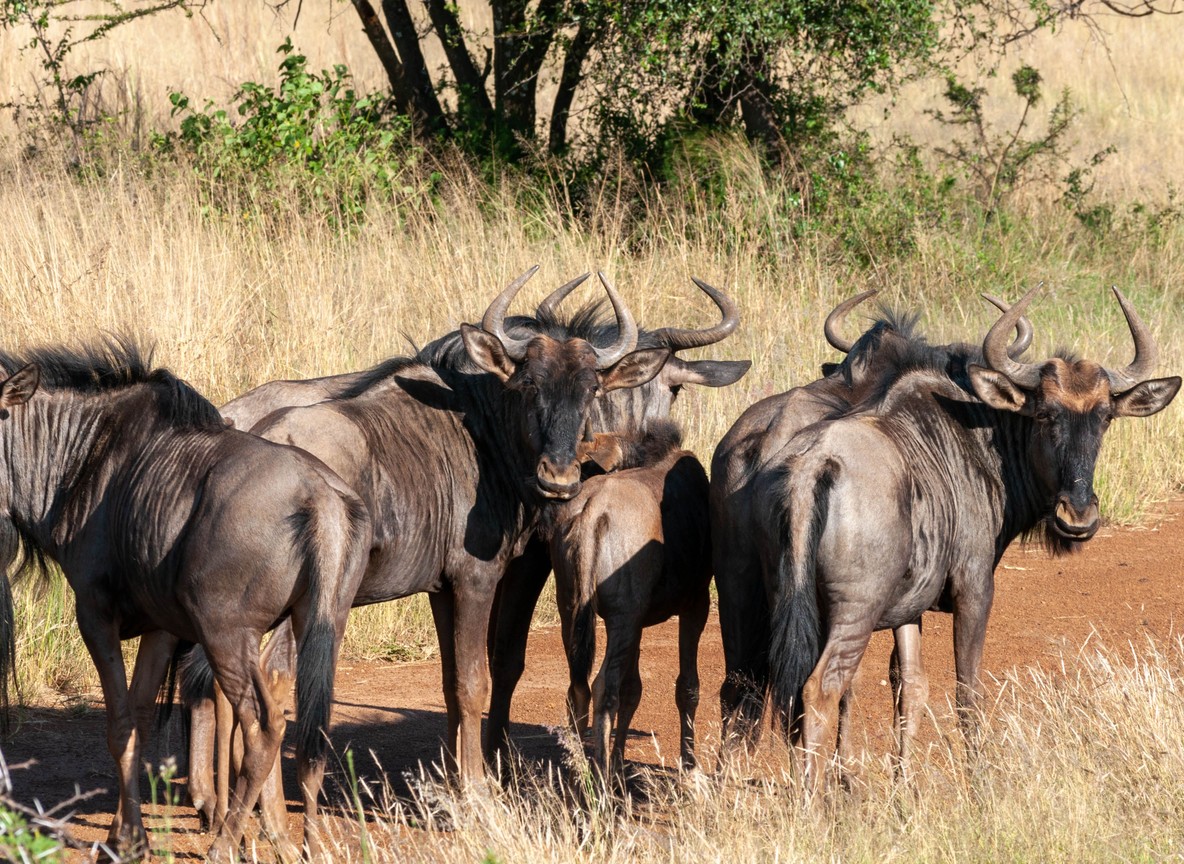
No other single moment in African wildlife travel matches the tension of a Mara River crossing. Between roughly July and October, over 1.5 million wildebeest and 200,000 zebra funnel through the Maasai Mara National Reserve and its surrounding conservancies, forcing river crossings at well-known points like Lookout Hill and Paradise Crossing on the Mara River. Kenya is where the crossings happen, while Tanzania’s Serengeti holds the migration for the rest of the year. If your bucket list has “witness the Great Migration” on it, the Mara is the specific place, not just the general region.
2. Big Five Density Without Big Empty Stretches
The Maasai Mara National Reserve covers approximately 1,510 km², a fraction of Tanzania’s 14,750 km² Serengeti National Park, yet delivers comparable or better predator sightings per game drive because the wildlife concentrates around permanent water. Add Amboseli National Park (392 km²) for elephant herds under Kilimanjaro, Tsavo East and Tsavo West (a combined 22,812 km², one of the largest protected areas on earth) for red elephants and vast wilderness, and Lake Nakuru National Park (188 km²) for rhino and flamingos, and you get Big Five density across multiple ecosystems within a single, manageable itinerary.
3. Kenya’s Rhino Recovery Is a 2026 Headline, Not History
Kenya’s rhino population fell below 380 animals nationally in the 1980s. In 2026, combined black and white rhino numbers have climbed past 1,000, driven by the Kenya Rhino Range Expansion initiative anchored at Ol Pejeta Conservancy in Laikipia. Ol Pejeta alone protects both black rhinos and the world’s last two northern white rhinos, Najin and Fatu. Conservation success like this is exactly why travelers who care about where their tourism dollars go keep choosing Kenya over destinations with less transparent conservation reporting.
4. More Direct Flights Into Nairobi Than Ever
Jomo Kenyatta International Airport (JKIA) has added new direct routes from the Middle East and Europe heading into 2026, cutting connection times for travelers from the Gulf, the UK and the US East Coast. From JKIA, a domestic flight to the Mara takes as little as 45 minutes to airstrips like Keekorok or Ol Kiombo, compared with the longer multi-leg routings often required to reach remote circuits in Botswana or northern Tanzania. Fewer connections means more time on game drives and less time in transit lounges, which matters most for travelers planning a once-in-a-lifetime trip.
5. The Conservancy Model Gives You the Mara Without the Crowds
Kenya pioneered the community conservancy model that now rings the Maasai Mara National Reserve with roughly 15 private and community-owned conservancies, including Mara North, Naboisho and Olare Motorogi. These conservancies enforce strict vehicle limits, typically five to six vehicles per sighting, off-road driving rights and night game drives, none of which are permitted inside the national reserve itself. You pay a separate conservancy fee, generally in the USD 80 to 120 per day indicative range, but you get exclusivity and direct community revenue-sharing that keeps local Maasai landowners invested in wildlife over livestock or farming.
6. A Wider Price Range Than Any Other Safari Country
Kenya runs the full spectrum from budget mobile camps to ultra-luxury lodges, often within the same conservancy. Compare that to Botswana, where government policy keeps almost the entire safari sector in the high-cost, low-volume bracket, or to South Africa, where the flagship Kruger National Park (19,485 km²) is excellent but delivers a different, more vehicle-dense experience outside its private concessions. Kenya lets a family traveling on a mid-range budget and a couple booking an ultra-luxury honeymoon suite both build genuine, high-quality tours and safaris in the same country.
7. Guiding Standards and Infrastructure Built Over a Century
Kenya’s safari industry traces back to the early 1900s, and its guides are certified through the Kenya Professional Safari Guides Association (KPSGA), a rigorous bronze-silver-gold system respected across the region. Combined with an established network of all-weather roads, domestic airstrips and English as an official language, Kenya offers first-time safari travelers, especially those planning a milestone trip, an experience with fewer logistical surprises than younger safari markets.
Kenya vs. Tanzania vs. Botswana vs. South Africa: The Real Numbers
| Country | Flagship Park/Reserve | Park Size | Flight Time from Major Hub | Entry Fee (Indicative, 2026) |
|---|---|---|---|---|
| Kenya | Maasai Mara National Reserve | approx. 1,510 km² | 45 min from Nairobi (JKIA) to Ol Kiombo airstrip | approx. USD 80-100/day |
| Tanzania | Serengeti National Park | approx. 14,750 km² | 1-1.5 hrs from Arusha to Seronera airstrip | approx. USD 70-82/day |
| Botswana | Okavango Delta (Moremi Game Reserve) | approx. 4,871 km² (Moremi core) | 30-40 min from Maun to delta airstrips | approx. USD 90-110/day plus concession fees |
| South Africa | Kruger National Park | approx. 19,485 km² | 1 hr from Johannesburg to Skukuza airport | approx. USD 25-30/day (national park gate) |
Fees are indicative ranges, change seasonally, and often exclude conservancy or concession surcharges. Trunktrails Safaris confirms current rates for every park on your itinerary and builds them transparently into your quote.
Kenya’s Core Safari Circuit: Distances and Costs From Nairobi
| Park/Reserve | Distance from Nairobi | Drive Time | Flight Time | Conservancy/Park Fee (Indicative) |
|---|---|---|---|---|
| Maasai Mara National Reserve | approx. 270 km | 5-6 hrs | 45 min | approx. USD 80-100/day |
| Amboseli National Park | approx. 240 km | 4 hrs | 40 min | approx. USD 60-80/day |
| Tsavo East/West National Parks | approx. 230-330 km | 4-5 hrs | 40-45 min | approx. USD 52-60/day |
| Lake Nakuru National Park | approx. 160 km | 2.5-3 hrs | N/A (drive only) | approx. USD 60/day |
| Samburu National Reserve | approx. 325 km | 5-6 hrs | 50 min | approx. USD 70/day |
Distances and drive times are approximate and vary with road conditions and season. All fees above are indicative, non-resident, high-season ranges that Trunktrails Safaris verifies before every departure.
The Trunktrails Advantage
Choosing why Kenya is best safari country is one decision. Choosing the right camps, conservancies and timing inside Kenya is the harder part, and that is where Trunktrails Safaris earns its place. As a Kenyan-owned operator, we build every itinerary around the specific reasons you are traveling, whether that is the Mara River crossing, Amboseli’s elephants, or a rhino-focused circuit through Laikipia.
Our guides hold KPSGA certification and maintain direct relationships with conservancy rangers across the Mara ecosystem, so you get access to sightings and community stories that a generic booking platform cannot arrange. We price every conservancy fee and park levy transparently into your quote from day one, and we design pacing that works for every traveler, from a first safari to a milestone anniversary trip. When you book tours and safaris with Trunktrails Safaris, you are booking a team that lives the answer to why Kenya is best safari country every single week.
Frequently Asked Questions
Is Kenya really better than Tanzania for a safari? Both countries share the same Great Migration ecosystem, but Kenya offers shorter domestic flights, a stronger private conservancy network around the Mara, and generally faster international access through Nairobi. Many travelers choose Kenya for a first safari and add Tanzania’s Serengeti or Ngorongoro Crater on a future trip.
What is the best time of year to safari in Kenya? July through October covers the Mara River crossings, while January through March offers green scenery, newborn wildlife and lower rates. Kenya’s year-round game viewing means there is no genuinely bad month to visit.
How many days do I need for a first Kenya safari? Most first-time travelers do well with 6 to 8 days, enough for 2 to 3 parks or conservancies without excessive driving. Trunktrails Safaris typically pairs the Maasai Mara with Amboseli or Lake Nakuru for a balanced first itinerary.
Ready to See Why Kenya Is Still the Best Safari Country?
Every reason on this list, the migration, the rhinos, the conservancies, the guiding, comes down to the same thing: nowhere else puts this much wildlife within such easy reach. 🌍
Further reading
More safari planning resources
- Kenya national parks map from Valley Safaris
- Mara River crossing guide on Touring Insights
- Big Five safari collection on FindMySafari
- Compare Kenya safari packages on FindMySafari
Message Trunktrails Safaris on WhatsApp at +254 113 208888 or email info@trunktrailssafaris.com, and let our Kenyan team build the itinerary that answers why Kenya is best safari country for you, in person, this year.