
How to Be a Responsible Tourist on a Kenya Safari: The Complete Ethical Guide
Being a responsible tourist on a Kenya safari is not about following a checklist at the airport. It is a set of daily choices. Which vehicle you book, how close you get to a lion, who receives your park fees, these choices decide whether your trip protects the wildlife and communities you came to see. Kenya’s parks and conservancies host over a million visitors a year. The difference between a good guest and a harmful one usually comes down to information the average traveler never receives before landing. 🌍
This guide covers the real numbers behind park fees and the etiquette rules that protect both animals and people. It also covers how to pick a tours and safaris operator whose money actually reaches the communities doing the conservation work. Trunktrails Safaris built this guide from the same standards our guides follow on every trip we run.
Why Responsible Tourism Matters in Kenya
Kenya’s wildlife economy funds a large share of its conservation budget directly through visitor fees, not government grants. When park fees and conservancy lease payments reach the right accounts, they cover ranger salaries and anti-poaching patrols. They also fund the land leases that keep private conservancies from being converted to farmland or housing.
The Maasai Mara ecosystem alone depends on lease payments to more than 14,000 Maasai landowners across its surrounding conservancies. When tourism drops or operators underpay, those leases lapse and the land reverts to agriculture within a season or two. A responsible tourist on a Kenya safari is, in practical terms, part of that funding chain every day of the trip.
Park and Conservancy Fees: Where Your Money Actually Goes
Understanding what you are paying for, and to whom, is the first real step toward responsible travel. National reserves are government or county-managed, while conservancies are typically community or privately owned land leased directly from Maasai, Samburu, or other local landowners.
| Destination | Size | Distance from Nairobi | Entrance/Conservancy Fee (non-resident, indicative) | Fee Destination |
|---|---|---|---|---|
| Maasai Mara National Reserve (Sekenani Gate) | Approx. 1,510 km2 | 270 km / 5-6 hrs road, 45 min flight | USD 80-100 per day | Narok County Government |
| Mara Naboisho Conservancy | Approx. 200 km2 | 280 km / 5-6 hrs road | USD 100-130 per day | Approx. 500 Maasai landowner families |
| Il Ngwesi Community Conservancy, Laikipia | Approx. 89 km2 | 230 km / 4-5 hrs road | USD 60-80 per day | Il Ngwesi community trust (100% community-owned) |
| Namunyak Wildlife Conservancy (Sarara Camp area) | Approx. 981 km2 | 345 km / 6-7 hrs road, 1 hr flight to Kalama Airstrip | USD 60-70 per day | Samburu community trust + Reteti Elephant Sanctuary |
| Amboseli National Park (Kimana Gate) | Approx. 392 km2 | 240 km / 4-5 hrs road | USD 60-90 per day | Kenya Wildlife Service |
| Ol Pejeta Conservancy, Laikipia | Approx. 364 km2 | 200 km / 3-4 hrs road | USD 85-100 per day | Ol Pejeta Conservancy (non-profit, rhino sanctuary funding) |
Fees change with season and management updates, so treat these figures as planning ranges rather than fixed rates. Trunktrails Safaris confirms current gate and conservancy fees before every booking so guests know exactly what they are funding.
Wildlife Etiquette: Rules That Protect Animals and You
Kenya Wildlife Service and conservancy management rules exist because vehicle pressure and noise change animal behavior, sometimes permanently. A responsible tourist on a Kenya safari follows these rules even when a guide does not enforce them strictly.
- Stay inside the vehicle. Except at designated picnic and viewpoint areas, exiting the vehicle is prohibited in every national park and reserve. This protects both you and the animals.
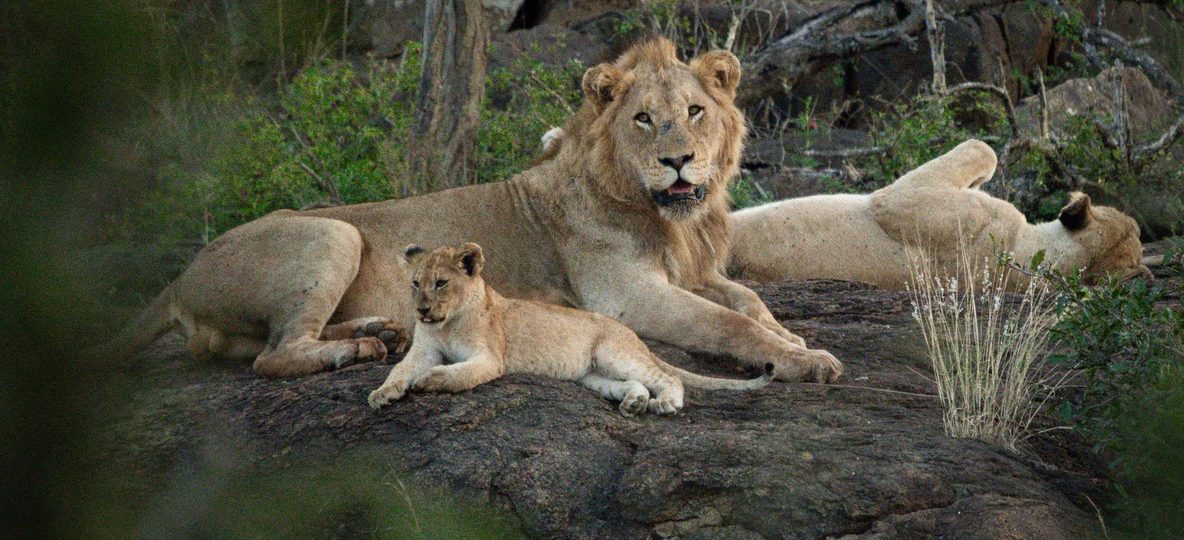
- Keep a distance of at least 20-25 meters from predators. Crowding a resting lion or cheetah forces it to relocate, often into worse cover.
- Limit vehicles at a single sighting to five or fewer where possible. Naboisho and Il Ngwesi enforce this through bed caps and permits. National reserves rely on guide discipline instead.
- No off-road driving in national reserves. The Maasai Mara National Reserve restricts vehicles to marked tracks. Off-road access is only legal inside licensed conservancies with trained guides.
- No baiting, calling, or feeding wildlife. This includes using recorded calls to draw out leopards, a practice that disrupts natural hunting behavior.
- Turn off engines during a sighting when safe to do so. Idling engines add stress noise that shortens viewing time before animals move off.
Respecting Maasai, Samburu, and Local Communities
A safari crosses land that is home to Maasai, Samburu, and other communities long before it is a tourist route. Respectful conduct here matters as much as wildlife etiquette.
Always ask before photographing people, homes, or village life. A village visit fee, typically USD 10-20 per person, is a legitimate payment for time and access, not a tip. If your itinerary includes a community conservancy like Il Ngwesi or Namunyak, a share of your conservancy fee already funds schools and water projects. It also funds the Reteti Elephant Sanctuary’s orphan elephant program, one of the only elephant sanctuaries in Africa owned and operated locally rather than by an outside NGO.
Dress modestly in village settings. Avoid handing out sweets, money, or gifts directly to children, since this can normalize begging and undercut community development efforts already in place. Ask your guide for the right channel, usually a village fund or school project, instead.
Choosing a Conservancy-Positive Tours and Safaris Operator
Not every operator selling tours and safaris in Kenya routes money the same way. Before booking, ask three direct questions: Does the itinerary include community conservancies alongside national reserves? Does the operator publish or disclose where conservancy fees go? Does the company employ local guides and staff from the areas visited?
Trunktrails Safaris works directly with community conservancies including Il Ngwesi and Namunyak. Conservancy fees paid on our tours and safaris packages go straight to the landowner trusts managing that land, not a third-party booking layer. As a Kenyan-owned operator, we also hire Kenyan guides who grew up in or near the ecosystems we visit. This keeps tourism revenue circulating locally instead of leaving the country with a foreign tour operator’s margin.
Reducing Your Environmental Footprint on Safari
Safari camps in remote conservancies often run on solar power and borehole water, both shared with wildlife and neighboring communities. Small habits add up across a multi-day trip.
- Carry a refillable water bottle. Most camps, including those in Naboisho and Il Ngwesi, provide filtered water stations to cut single-use plastic.
- Pack out waste your camp cannot process locally, particularly batteries and electronics.
- Choose camps with visible solar or borehole infrastructure over generator-dependent lodges where possible.
- Avoid campfires outside designated fire pits, since dry-season grass ignites easily across savanna ecosystems.
Tipping Guides and Camp Staff the Right Way
Tipping in Kenya’s safari industry is not optional in practice, since driver-guides and camp staff rely on it as a meaningful part of income. Indicative ranges, confirmed with your operator before travel, run as follows.
| Role | Indicative Tip (per guest, per day, USD) | How It Is Given |
|---|---|---|
| Driver-guide | 15-20 | Directly, at the end of the safari |
| Camp/lodge general staff (pooled) | 10-15 | Placed in a communal staff tip box at checkout |
| Spotter or tracker (community conservancies) | 5-10 | Directly, if a separate tracker accompanies the guide |
| Porter (per bag, per transfer) | 1-2 | Directly, at time of service |
Carry small USD bills or Kenyan shillings, since camps in remote conservancies rarely have card facilities for tips. Confirm currency preference with your Trunktrails Safaris guide before departure.
Responsible Photography and Content Sharing
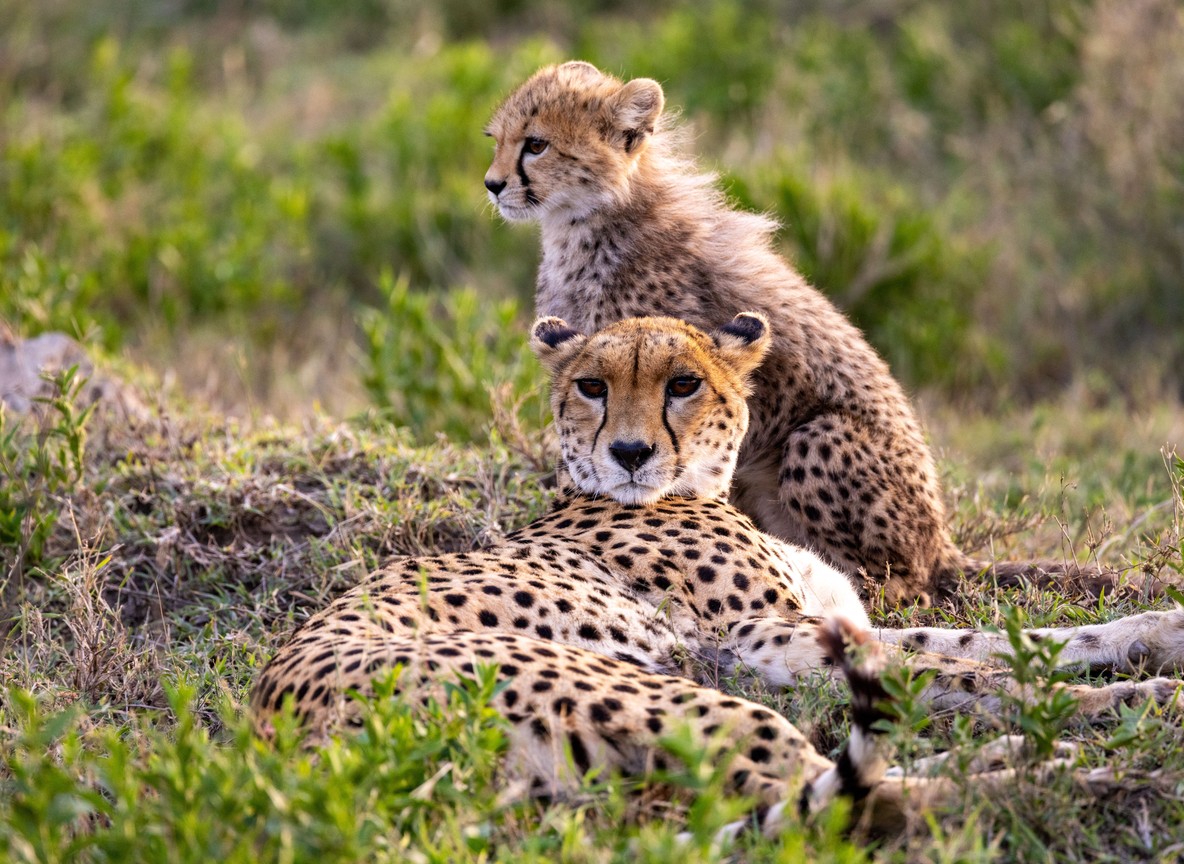
Photography is one of the most common ways tourists unintentionally cause harm, usually through geotagging. Posting an exact GPS location of a rare sighting, particularly a leopard den or a cheetah with cubs, can draw vehicles to that spot within hours. Tag the general park or conservancy instead of pinning coordinates. Also avoid flash photography on night drives, since it disorients nocturnal predators mid-hunt.
National Reserve vs Community Conservancy: What Changes for a Responsible Tourist
| Factor | National Reserve (e.g. Maasai Mara) | Community Conservancy (e.g. Naboisho, Il Ngwesi) |
|---|---|---|
| Fee destination | County or national government | Local landowner trust, direct community income |
| Off-road driving | Not permitted | Permitted with trained guides |
| Night game drives | Not permitted | Often permitted |
| Vehicle density at sightings | Higher, harder to control | Capped by conservancy bed limits |
| Community revenue share | Indirect, via county budget | Direct lease payments to families |
| Best for | Iconic landmarks, migration crossings | Lower-impact, closer wildlife access |
Both have a place in a well-built itinerary. A responsible tourist on a Kenya safari usually benefits most from combining a day or two in the national reserve with two or three nights in an adjoining conservancy.
The Trunktrails Advantage
Trunktrails Safaris is a Kenyan-owned tours and safaris operator, and responsible tourism is built into how we plan every itinerary, not added as an afterthought. We route conservancy fees directly to landowner trusts in Naboisho, Il Ngwesi, and Namunyak. Our guides also brief every guest on wildlife distance rules and community etiquette before the first game drive.
Our tours and safaris packages deliberately pair national reserves with community conservancies. Guests see the migration’s scale in the Maasai Mara and still experience the lower-impact, off-road access that only a conservancy permits. Trunktrails Safaris also employs local guides from the regions we operate in, so your safari fee supports Kenyan livelihoods directly, not a foreign booking intermediary.
Being a responsible tourist on a Kenya safari should not require extra research on your part. That is what a properly briefed Trunktrails Safaris itinerary is for. 🦒
Plan a Kenya Safari That Gives Back
If you want a trip that protects the wildlife and funds the communities, Trunktrails Safaris can build it around conservancies and reserves that actually route fees where they belong.
Message our tours and safaris team today with your travel dates. We will map an itinerary that pairs the Maasai Mara’s scale with a conservancy stay that gives your trip real conservation impact.
Further reading
More safari planning resources
- Kenya national parks map from Valley Safaris
- Maasai Mara National Reserve guide on Touring Insights
- Big Five safari collection on FindMySafari
- Kenya tour packages from Valley Safaris
WhatsApp: +254 113 208888 Email: info@trunktrailssafaris.com Website: https://trunktrailssafaris.com
Conservancy bed limits are capped by design, and the camps that route fees directly to landowners fill fastest in peak season. Reach out now and let Trunktrails Safaris lock in dates that match your ethics and your calendar. ✨

