Walking Safari in Kenya: The Best Conservancies for Guided Bush Walks 🐘
A vehicle is a tool. It puts you close to wildlife, it keeps you cool, and it moves you across long distances efficiently. But it also places a wall of steel and glass between you and the landscape. A walking safari in kenya removes that wall entirely.
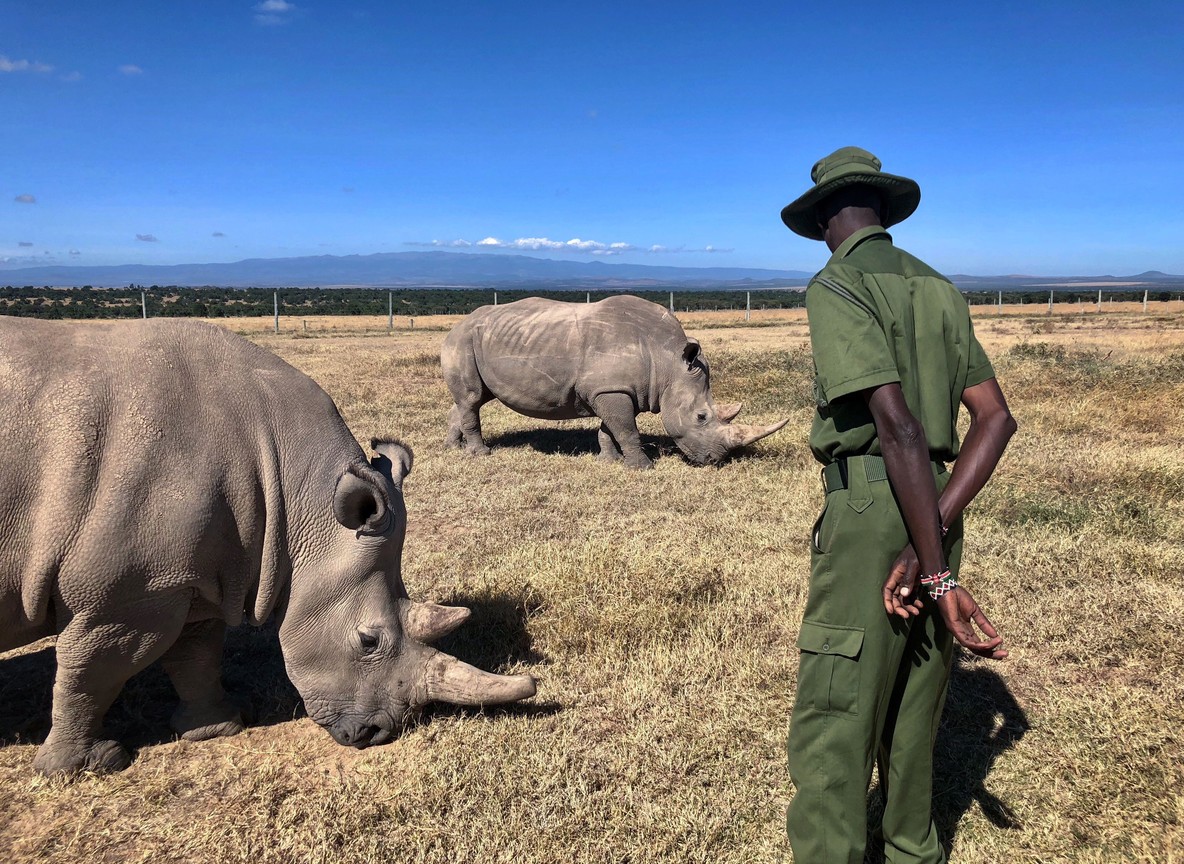
On foot, the Mara smells different. The sound of your boots on dry grass is the same sound a leopard hears when you walk past its kopje. You see the world at animal height. You notice the beetle on the acacia branch, the lion track in the clay, the termite mound that is also a lookout point and a den and a source of minerals for elephants. Walking in kenya turns the safari into a full sensory experience rather than a viewing exercise.
This guide covers the best conservancies for walking safaris in Kenya, how they work, what to expect, and how Trunktrails Safaris builds walking-focused itineraries.
Why Walking Safaris Are Only Available in Conservancies
The Masai Mara National Reserve, Tsavo, and Amboseli are national parks. Kenya Wildlife Service rules prohibit walking in national parks without special permits that are almost never issued to general visitors. Walking safaris are a conservancy product.
Kenya’s private and community conservancies operate under different frameworks. They can offer walking, night drives, cultural visits, and off-road driving that national parks cannot. The conservancies surrounding the Masai Mara — Olare Motorogi, Mara North, Naboisho, Ol Kinyei, and others — are adjacent to the reserve and share the same wildlife. A pride of lions does not know or care whether it is inside the reserve boundary or on Naboisho land.
This structure creates a meaningful choice for safari travelers: pay slightly more to stay in a conservancy camp, gain access to a wider range of activities, and experience significantly fewer vehicles. The walking safari is the clearest expression of what that difference means in practice.
The Best Kenya Walking Safari Conservancies
Olare Motorogi Conservancy (Mara Ecosystem)
Olare Motorogi is 33,000 acres on the northeastern edge of the Masai Mara. The conservancy limits total visitor numbers and runs strict vehicle caps per pride of lions or cheetah. Walking safaris here go into open savannah, along luggas (seasonal drainage channels) that are excellent for leopard sign, and through woodland edges where buffalo gather.
Walks are led by a Kenya Professional Safari Guide (KPSG-certified) guide and an armed ranger from the Kenya Wildlife Service. Group size is typically two to six guests. Duration ranges from two hours to a full morning, ending at a bush breakfast site.
Best months for walking: June to October (dry) and January to February.
Naboisho Conservancy (Mara Ecosystem)
Naboisho, 50,000 acres, has one of the highest lion densities in Africa. It borders Olare Motorogi to the south. Walking in Naboisho means you are walking through land that holds resident lions, cheetah, elephant, and significant leopard numbers.
Naboisho camps tend to be smaller and more intimate than those inside the reserve. The conservancy model here is directly tied to community income: Maasai landowners lease their plots to the conservancy and receive per-acre payments. Walking the land here has a direct conservation and community economic dimension.
Notable camp: Mahali Mzuri (Sir Richard Branson’s Virgin Limited Edition camp) is inside Naboisho. Several other mid-range and luxury camps offer walking.
Mara North Conservancy
Mara North is 74,000 acres on the northern edge of the Mara ecosystem, bounded by the Mara River. It has fewer vehicles per acre than any Mara conservancy, which makes walking feel genuinely remote even though camps are 45 minutes’ drive from the reserve gate.
The terrain in Mara North includes river forest along the Mara and its tributaries, open savannah, and rocky hillsides with excellent viewpoints. Walking routes here tend to follow the river edge where hippo pods, crocodile, and elephant are predictable. Buffalo herds of several hundred animals move through Mara North in the dry season.
Laikipia Plateau Conservancies (Northern Kenya)
Laikipia is Kenya’s premier walking safari destination for travelers who want serious distances and multi-day routes. The plateau north of Mount Kenya holds Lewa, Ol Pejeta, Borana, Il Ngwesi, and several other conservancies that allow extended walking.
Lewa Wildlife Conservancy permits guided walking through open moorland and savannah in one of Kenya’s most successful rhino-protection programs. Walking in Lewa means walking past white rhino at distances of thirty meters. That is not a typo. Both black and white rhino are encountered on foot in Lewa, guided by staff who have worked the land for years.
Ol Pejeta allows walking with its rhino ranger patrols — an immersive conservation participation experience as well as a safari activity.
For travelers (solo, non-touristy, exclusive): Laikipia walking safaris are the most distinct Kenya experience available. The Lewa Marathon takes place here in June; the landscape the marathon runs through is the landscape you walk on safari.
Chyulu Hills (Southern Kenya)
Chyulu Hills sits between Tsavo West and Amboseli, rising to 2,200 metres across a narrow volcanic ridge. The vegetation is unlike anywhere else in Kenya — dense green hills running above dry thornbush savannah. Walking in the Chyulu is through montane grassland with views across to Kilimanjaro and down to Tsavo.
Wildlife in the Chyulu includes elephant (moving between Tsavo and Amboseli through this corridor), buffalo, and excellent birdlife. The remoteness is significant; there are fewer than ten permanent camps in the entire Chyulu Hills National Park and Conservation Area.
What to Expect on a Guided Bush Walk
A standard morning walk follows this structure:
Pre-walk briefing (20 minutes): Your guide reviews the route, the wildlife signs from the previous evening, and the rules. Walk in single file, stay behind the guide, no talking above a whisper. If the guide raises a fist, stop immediately and crouch. No running unless directly instructed.
The walk (2 to 4 hours): Distance ranges from 4km to 12km depending on terrain and what you encounter. Guides track continuously — reading soil compression, broken vegetation, fresh dung, scent. You will learn to read the landscape differently within an hour.
What you might encounter: At walking distances, any wildlife encounter is fundamentally different from a vehicle encounter. Elephant at 40 metres on foot changes your relationship with elephants permanently. Buffalo are given more space. Predators are approached downwind and cautiously.
Bush breakfast: Most walking safaris end at a pre-positioned breakfast site — a lugga bank, a hilltop, a river bend. Coffee, fresh fruit, eggs cooked on a camp stove. The combination of physical activity, wildlife encounter, and outdoor breakfast at 9am in the Mara is one of the most consistently praised moments in any Trunktrails Safaris itinerary.
Comparing Kenya’s Walking Safari Conservancies
| Conservancy | Walking Type | Terrain | Wildlife Highlight | Vehicle Limit | Best Month |
|---|---|---|---|---|---|
| Olare Motorogi | Morning walk + bush breakfast | Open savannah + luggas | Cheetah + big cat tracking | 6 per sighting | Jun-Oct |
| Naboisho | Morning walk | Mixed woodland + savannah | Highest lion density | 6 per sighting | Jun-Oct |
| Mara North | River-edge walks | River forest + open Mara | Buffalo + hippo | 6 per sighting | Jun-Oct |
| Lewa (Laikipia) | Full-morning + multi-day | Open moorland + savannah | Rhino at close range | Low | Jan-Mar, Jun-Aug |
| Chyulu Hills | Day walks | Volcanic ridge + montane | Elephant + Kilimanjaro views | Very low | Jun-Oct |
How Trunktrails Safaris Builds Walking Itineraries
Trunktrails Safaris is a Kenya tours and safaris company. We specialise in itineraries that combine the standard game drive experience with walking, cultural visits, and off-road routes that most generic tour operators skip.
For walking safari itineraries, we typically recommend:
- Minimum 3 nights in any single conservancy (to allow 2-3 walk mornings and acclimatise to on-foot wildlife)
- Pairing a Mara conservancy walk with a Laikipia walking focus gives the most complete experience
- Guide continuity where possible — the same guide for game drives and walks means they know your fitness level and pace
- Camp selection aligned with walking quality — not all camps in a conservancy have equal access to the best walking routes
Our tours and safaris include full pre-trip guides on physical preparation, what to expect, and how to get the most from your walk time with the guide.
The Trunktrails Advantage on Walking Safaris 🌅
We have guided guests who have walked with lions in Naboisho, tracked elephants through the Chyulu mist, and spent a morning identifying acacia species with a botanist-trained ranger in Laikipia. These are not stories from brochures; they are trip reports from our clients.
Walking safaris require guides who understand the difference between a vehicle-based approach and an on-foot approach. Not every guide has that training. Trunktrails Safaris works only with KPSG-certified guides and KWS-registered rangers for all walking activities.
We match your fitness level, interests, and risk comfort to the right conservancy and guide. A first-time walker in Naboisho with an experienced guide is a different experience from a seasoned hiker doing a multi-day traverse in Laikipia — both are excellent and both are what we do.
Plan Your Kenya Walking Safari with Trunktrails Safaris
Ready to experience Kenya on foot? Trunktrails Safaris builds walking-focused Kenya tours and safaris for solo travelers, couples, and small groups. We handle every detail from conservancy access permissions to camp selection to the briefing call with your guide.
Contact Micah to start building your walking safari itinerary:
Further reading
More safari planning resources
- Ol Pejeta and Sweetwaters safari package from Valley Safaris
- Big Five safari parks guide on Touring Insights
- Big Five safari collection on FindMySafari
- Kenya tour packages from Valley Safaris
WhatsApp: +254 113 208888 Email: info@trunktrailssafaris.com Website: https://trunktrailssafaris.com
| Kenyan-Owned and Operated
Tell us your travel dates, fitness level, and which conservancies interest you. We will put together a walking-focused itinerary with camp recommendations and realistic daily schedules within 24 hours.