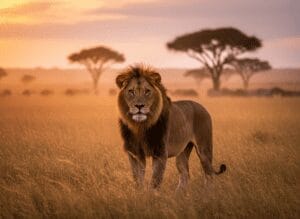
Nine days is what it takes to see Kenya properly: and this is the circuit we recommend to anyone who wants to leave with a real sense of the country rather than just a list of parks.
How Kenya Stands Out Among Africa’s Safari Destinations
Ask any seasoned travel writer and you’ll find no shortage of passionate debates about the “top safari country” in Africa. While Tanzania, Botswana, and South Africa regularly enter the conversation, Kenya always holds its own—or, more often than not, steals the limelight.
What makes Kenya stand apart? For experts who have roamed from the Okavango Delta to the Serengeti, Kenya blends old-school safari tradition with something intangible: that sense of cinematic drama you might expect from a BBC Earth documentary.
Writers frequently note:
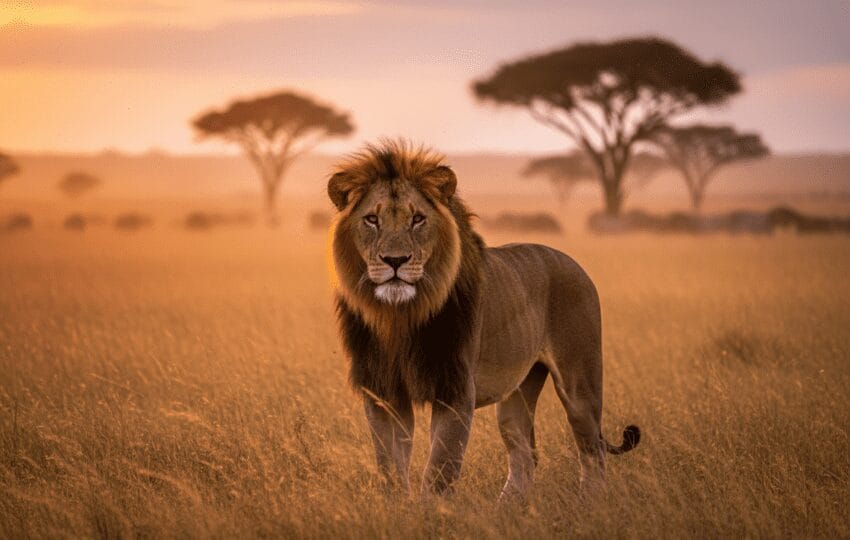
- Classic Wildlife Encounters: Kenya’s Masai Mara provides not only the “Big Five”—lion, leopard, rhino, elephant, and buffalo—but also the spectacle of the Great Migration, an event often touted in the same breath as Tanzania’s Serengeti.
- Sheer Diversity: From the alien beauty of Samburu’s landscapes to the soda lakes of the Rift Valley and the rolling highlands of Laikipia, Kenya’s scenery changes as quickly as the wildlife.
- Easy Access & Rich Culture: Veteran contributors for Lonely Planet and National Geographic mention Kenya’s ease of travel, with Nairobi acting as an international gateway, and the chance to meet Maasai, Samburu, and Swahili communities along the way.
- Conservation Leadership: With reserves like Ol Pejeta leading black rhino conservation, Kenya is referenced in expert circles as a pioneer compared to many other African destinations.
In short, if you talk to people who’ve written the guidebooks, Kenya consistently emerges as the all-rounder—offering variety, accessibility, and a real sense of place that leaves a lasting impression.
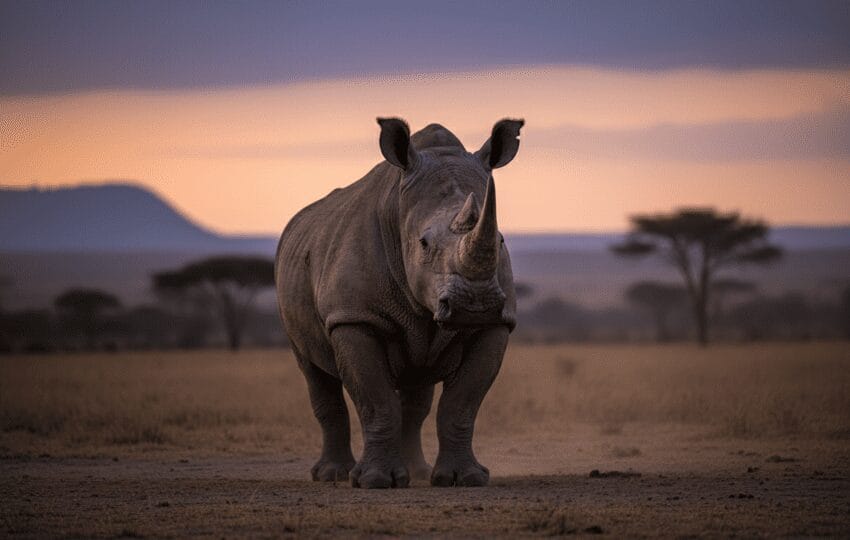
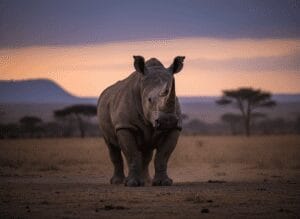
We start in the north, in Samburu, where the landscape is completely different from anything else in Kenya: semi-arid, vast, and home to five animal species found nowhere else in the country. From there we visit Ol Pejeta on the Laikipia Plateau, home to the world's last two northern white rhinos and Kenya's largest black rhino population: with night game drives that reveal a completely different side of the conservancy.
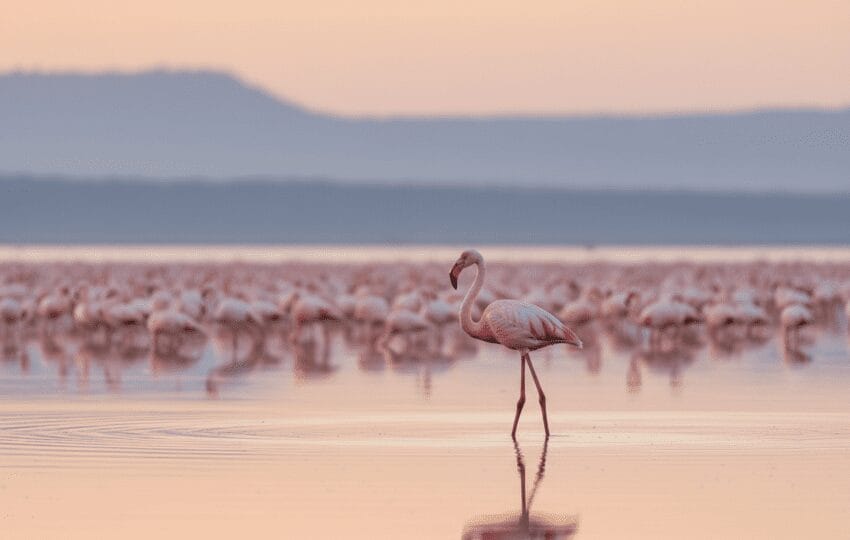
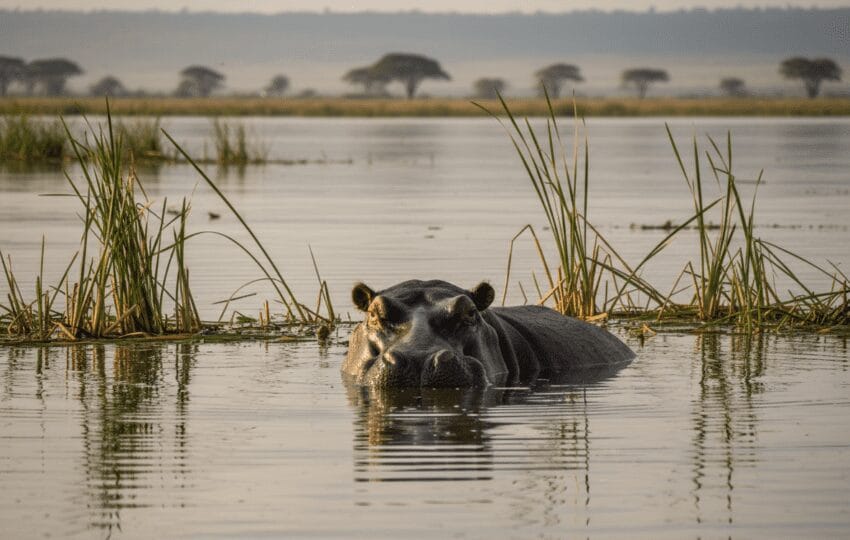
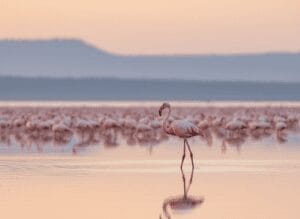
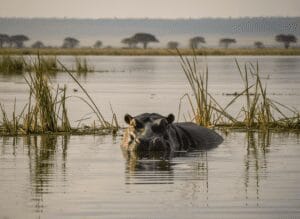
We track south through the Rift Valley: Lake Nakuru for flamingoes and rhino, Lake Naivasha for the hippo boat ride and Crescent Island, and then the Masai Mara for the last two nights: the Big Five finale, the great predators, the Mara River. By day nine you will have seen more Kenya than most people see in three trips.
What’s a Sundowner? (And Why You’ll Start Looking Forward to It)
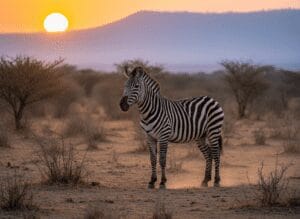
Some safari rituals are simply too good to skip—and the sundowner is the star of the show. As the afternoon game drive stretches into early evening, you’ll find yourself whisked away to an open spot with a commanding view: think acacia-dotted plains, a riverbank, or a kopje with endless horizons.
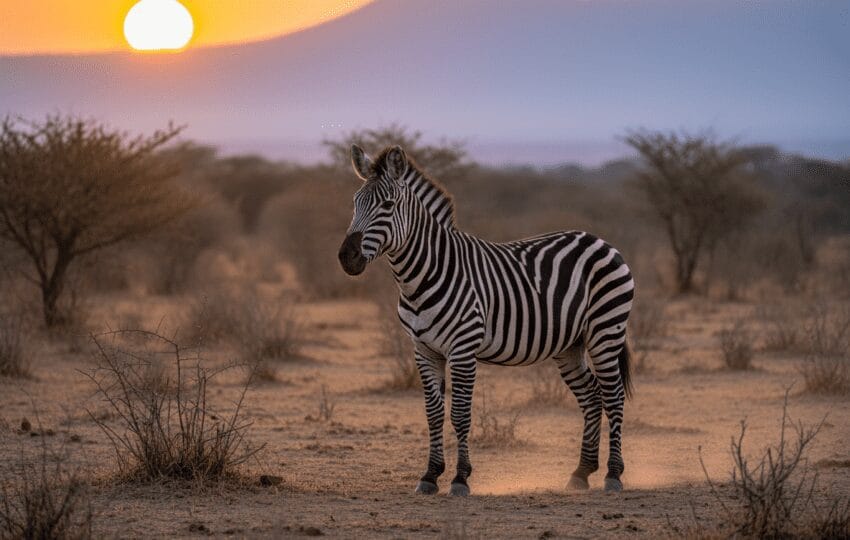
Here, as the sky tips from gold to deep purple, you pause to enjoy a drink—a gin and tonic, a Tusker beer, maybe a bit of bubbly—while the sun drops below the landscape. It’s the moment when the bush seems to exhale; animals grow active, the air cools, and you unwind for a slow, spectacular sunset.
Sundowners are more than a happy hour—they’re a beloved safari tradition. It’s where stories and sightings are shared, and even the guides relax a little. By the time night falls, you’re refreshed and ready for anything: maybe a nocturnal game drive, or just another memorably hearty dinner under the stars.
Private Guided Safaris: Organization and Support
Private guided safaris are absolutely available throughout Kenya, and they offer an entirely bespoke experience tailored around your interests and pace. With an expert guide by your side from start to finish, you get more than just wildlife spotting—you benefit from local insights, seamless logistics, and the flexibility to shape each day to your wishes.
Guests consistently remark on the high level of organization and service. From the moment you're met in Nairobi to the final day’s game drive, leading operators like Trunks Trails Safaris and Asilia Africa ensure every detail is handled. Your itinerary, accommodation, and even your meal stops are coordinated so you can focus purely on the adventure. And with private vehicles, support is never far away—whether it's a spontaneous detour to follow a pride of lions or advice on the best time for breakfast with a view.
Whether you’re a first-timer or a seasoned traveler, a private guided safari in Kenya means you’re looked after every step of the way—allowing you to simply enjoy the journey.
How Safari Price Impacts Your Accommodation
The safari experience you’ll get in Kenya is closely tied to what you invest in your trip—especially when it comes to where you’ll sleep after a day’s adventures. Here’s how the accommodation spectrum unfolds:
- Budget Range: Choosing a lower-priced safari usually means staying in basic campsites. These tend to be simple, sometimes busy, and not always tucked away in the prime corners of the reserves. Still, you’ll generally find essentials—think showers, toilets, and the joy of swapping stories by the campfire.
- Mid-Range to Upscale: Most classic safaris place you in lodges, which vary from charming and well-situated to those in need of a little TLC. Some lodges, particularly in established parks, have unparalleled locations, while others boast recent upgrades and spa-level comfort.
- Luxury and Tented Camps: Opting for the higher end opens the door to stylish tented camps or mobile camps. Here, you’ll sleep in spacious walk-in tents—complete with real beds, private bathrooms, and sometimes even open-air showers (with privacy walls). The soundtrack? The calls of the African bush drifting through canvas walls.
Whether you’re listening to distant lions from a simple cot or sipping sundowners on the porch of a luxe tent, the level of comfort—bed quality, room amenities, and even where you’ll charge your camera—depends on your safari budget. Many tented camps cluster their charging stations in central communal areas, giving you another excuse to swap tales over a cold Tusker or cup of Kenyan tea.
What Travelers Say About Kenya Safaris
Safari-goers consistently rate Kenya as one of the world’s top destinations for wildlife adventures, and for good reason. Feedback from visitors—ranging from seasoned travel writers to first-time explorers—paints a vivid picture: Kenya’s variety, organization, and sheer wow-factor rarely fail to impress.
Here’s what stands out from recent traveler reviews:
- Stunning Diversity
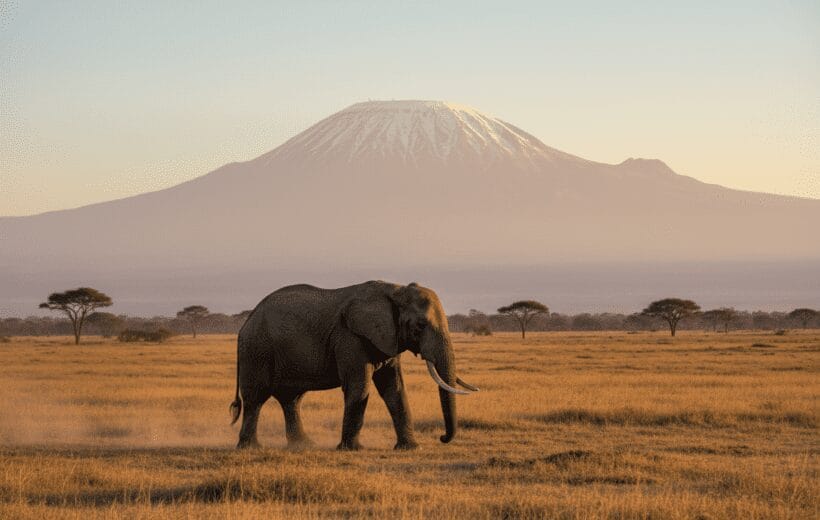
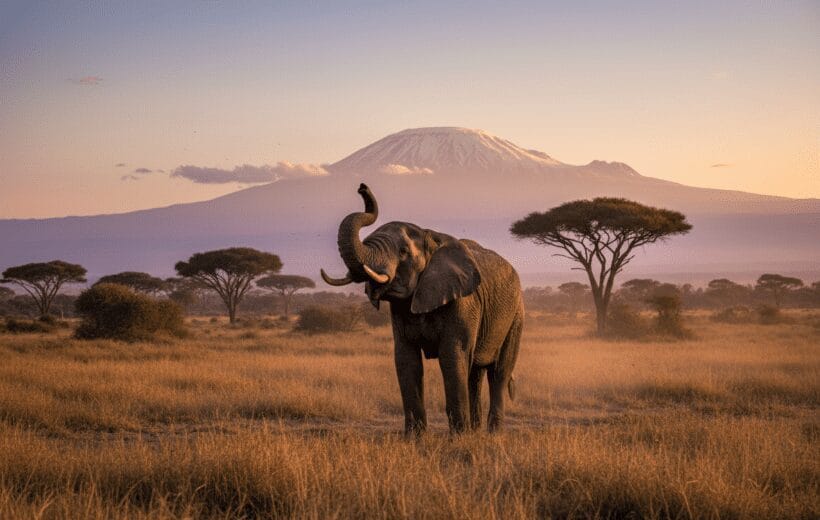
People love the range of experiences: towering herds of elephants in Amboseli, the unique wildlife of Samburu, the flamingo spectacle at Lake Nakuru, and the drama of the Masai Mara’s great migration. - Top-Notch Guiding and Organization
Guests consistently mention the professionalism of guides and seamless logistics, whether on private journeys or group trips. - Adventure Beyond Animals
It’s not just about ticking off the Big Five. Many cite the deep sense of immersion, from learning local Maasai traditions to discovering Kenya’s history through museums and community visits. - Highlights & High Praise
Average ratings hover around 4.6 to 5 out of 5 stars. Phrases like “once-in-a-lifetime experience,” “perfectly organized,” and “authentic wildlife encounter” are common threads. - Minor Challenges
Some travelers note the usual ups and downs—occasional service hiccups or variable weather—but agree the highs far outweigh the lows.
In summary, Kenya earns its reputation: travelers leave with memories of dazzling landscapes, superb wildlife encounters, and a genuine connection to place. Whether it’s your first safari or your tenth, the reviews speak for themselves: Kenya is a perennial favorite.