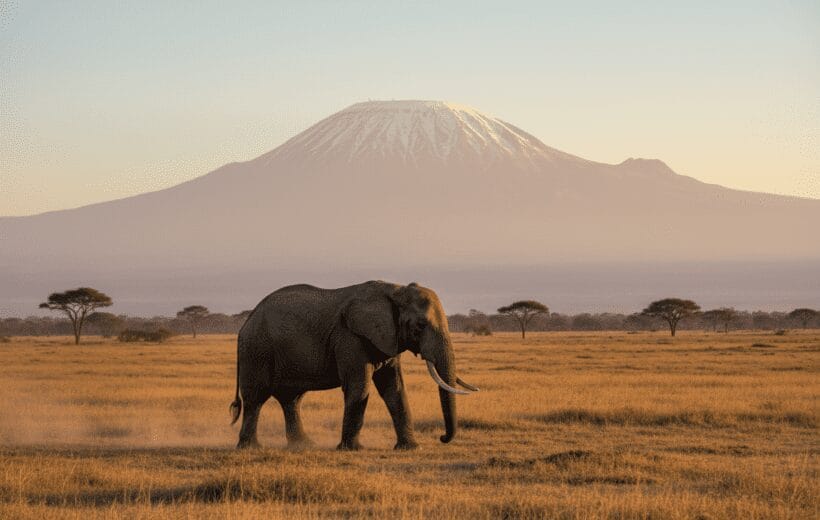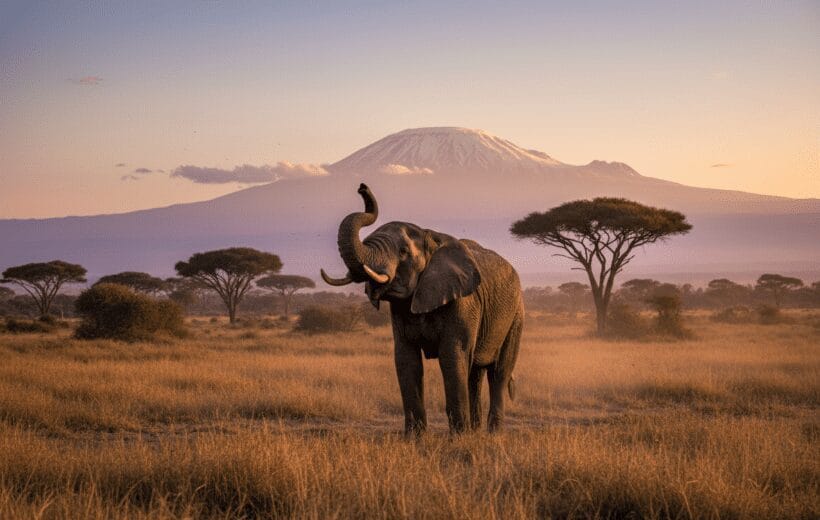
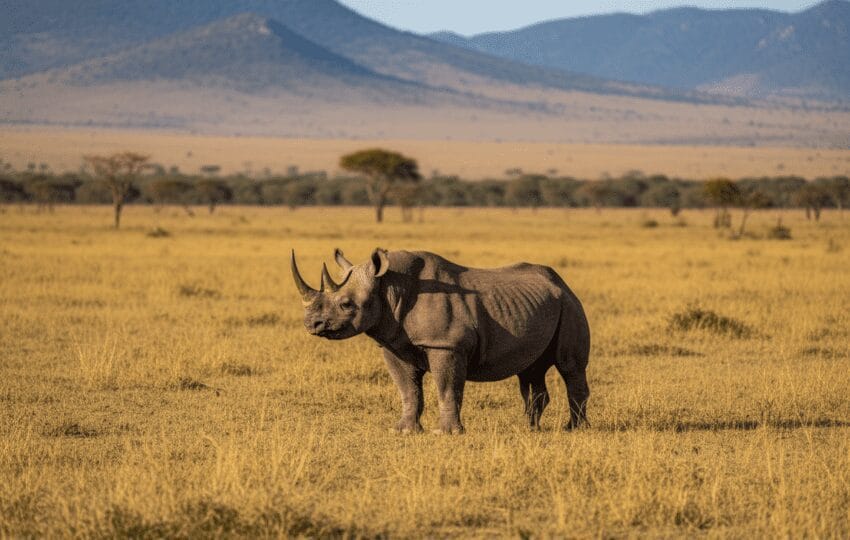
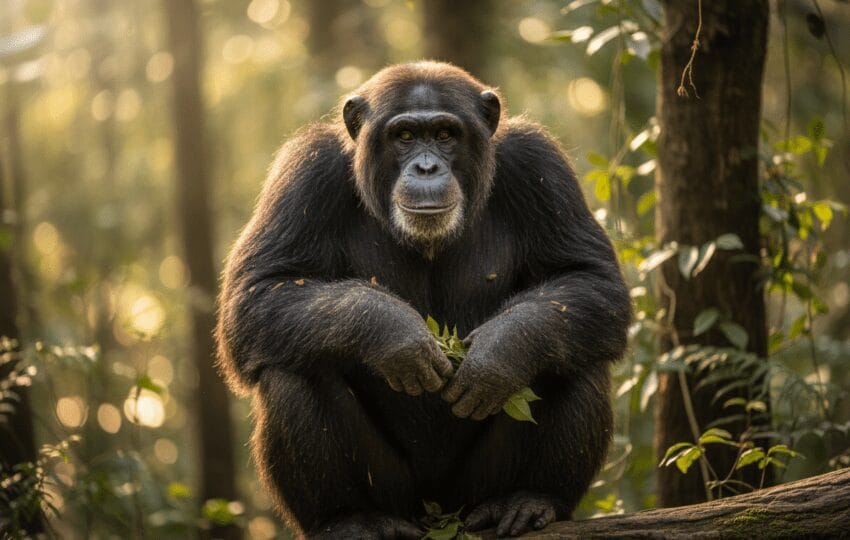
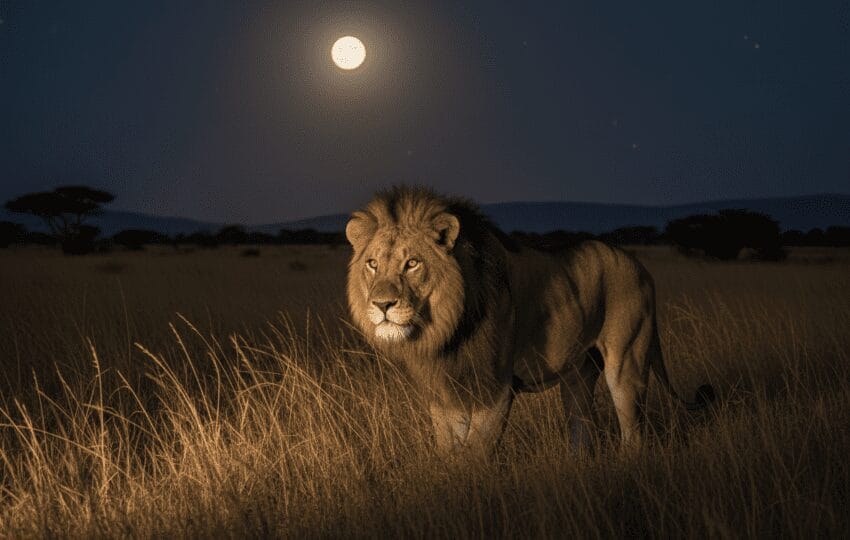
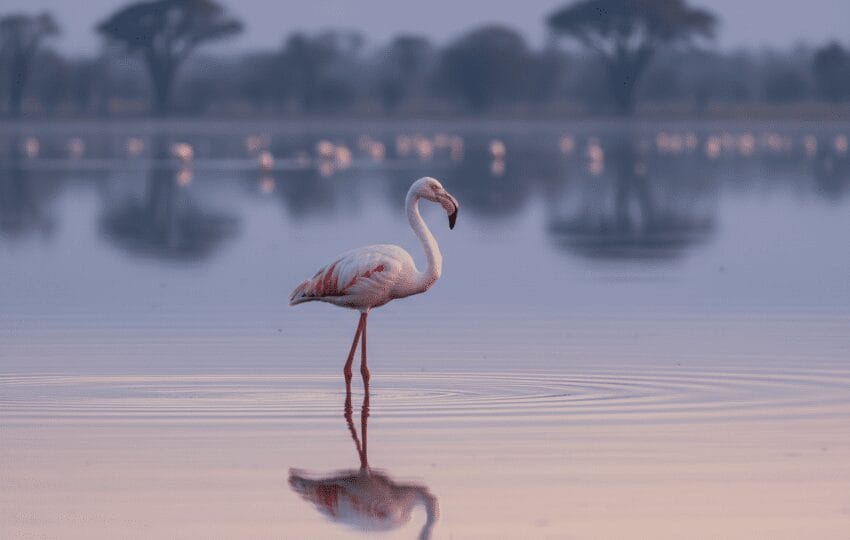
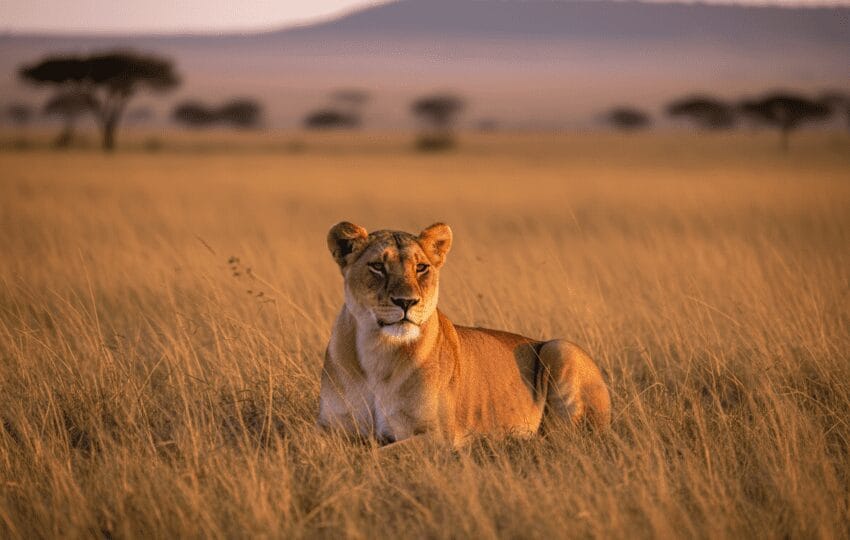
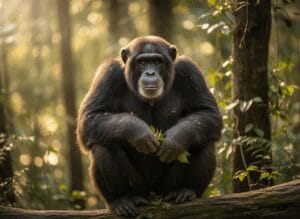
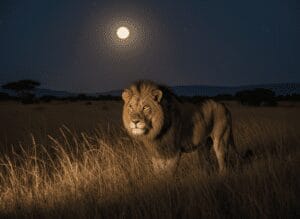
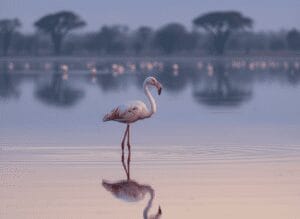
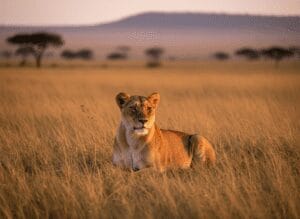
There are two northern white rhinos left on Earth. Their names are Najin and Fatu: a mother and daughter: and they live at Ol Pejeta Conservancy on Kenya's Laikipia Plateau, under 24-hour armed protection. This safari goes to see them. Ol Pejeta is also home to Kenya's largest black rhino population, all Big Five, night game drives (permitted in the conservancy, not in national parks), and the only chimpanzee sanctuary in Kenya. After three days exploring Laikipia, we drive south through Lake Nakuru's flamingo spectacle
and rhino sanctuary, and end at the Masai Mara for the Big Five finale.
Kenya’s Wildlife: Beyond the Usual Suspects
Kenya’s wildlife is nothing short of phenomenal. While your bucket list probably includes the Big Five—lion, leopard, buffalo, elephant, and rhino—you’re likely to tick off most, if not all, during your journey. Yet, every day on safari brings surprises: animals roam freely, and no two game drives are ever quite the same.
Some reserves, like Ol Pejeta and Lake Nakuru, are especially rewarding for rhino sightings, while the Masai Mara is legendary for big cats. Across Kenya, you’ll also encounter herds of elephant, towers of giraffe, buffalo, zebra, plus lesser-known species you may not expect—like the endangered fringe-eared oryx in the vast, wild spaces of Tsavo.
Whether you’re witnessing Lake Nakuru’s pink flamingo clouds, tracking rhinos across the Laikipia Plateau, or scanning the Mara’s golden plains for lions, each stop delivers its own signature wildlife moments. Every conservancy fee paid at Ol Pejeta goes directly to the protection of the animals here. Coming to see the last two northern white rhinos is one of the most significant wildlife experiences available anywhere in Africa, made more so by the knowledge that this particular encounter cannot last forever.
What Visitors Love About the Kenyan Safari Experience
Safari-goers rave about Kenya for a reason: the experience is genuinely transformative. Reviews from travelers consistently highlight several aspects that set a Kenyan safari apart:
- Spectacular Wildlife Sightings: Guests are often astonished at how regularly they encounter the Big Five and other iconic species, from elephants in Amboseli to lions and rhinos in the Masai Mara and Ol Pejeta. Many mention the thrill of tracking black rhinos or witnessing the delicate presence of Najin and Fatu—the last northern white rhinos at Ol Pejeta—as moments they’ll never forget.
- Diverse Landscapes: From the acacia-dotted plains of the Mara to the flamingo-filled shores of Lake Nakuru and the snow-capped peaks of Mount Kenya glimpsed on clear mornings, Kenya’s geographic contrasts leave a strong impression.
- Well-Organized, Seamless Experiences: Many travelers point out how smoothly their safari days run—early starts, well-timed game drives, and helpful, knowledgeable guides who share insights into animal behavior and the region’s history.
- Commitment to Conservation: There’s a sense among visitors that their presence matters. Knowing that conservancy fees directly support animal protection gives extra meaning to each wildlife encounter.
- Quality Lodging and Unique Activities: Whether spending the night in a tented camp beneath the stars or enjoying a sundowner after a game drive, travelers appreciate the blend of comfort and authentic bush atmosphere. Night game drives (a rarity outside conservancies like Ol Pejeta) and visits to sanctuaries—such as Kenya’s only chimpanzee refuge—add depth to the journey.
- Cultural Connections: Encounters with local communities and the opportunity to learn about Maasai and Samburu heritage add further richness to the adventure.
- Ease of Access: The proximity to Nairobi and the efficiency of Kenya’s domestic flight network mean going from city to savannah is refreshingly straightforward, allowing more time for actual adventure.
Ultimately, what stands out in guest reviews is the sense of wonder inspired by Kenya’s wild spaces and the people dedicated to protecting them. The feeling of witnessing nature in its purest form—and knowing that these experiences are helping to secure a future for endangered species—leaves a lasting mark.
Why Kenya Makes an Ideal Introduction to Africa
Kenya is frequently recommended as the perfect place for first-time visitors to Africa—and for good reason. The country is remarkably accessible, with direct overnight flights from cities like London, making your arrival in Nairobi refreshingly seamless. Within hours, you can find yourself out of the city and immersed in wild landscapes.
What truly sets Kenya apart is its extraordinary variety packed into one journey. From the iconic acacia-dotted plains of the Masai Mara to the highland forests of Laikipia and the shimmering pink flocks at Lake Nakuru, Kenya feels like a sampler platter of Africa’s most celebrated wonders. Even the drive between parks becomes part of the adventure, revealing herds of giraffe, zebra, and the occasional market bustling roadside.
English is widely spoken, and Kenya’s safari infrastructure is world-class, with a wide range of lodges and camps—from simple to spectacular. Whether you’re hoping to track endangered black rhinos, witness the Great Migration, or simply marvel at elephants lumbering among baobabs, the country’s parks and conservancies are expertly managed for conservation and visitor experience alike.
Above all, Kenya’s legendary hospitality ensures you never feel like a stranger. Many travelers depart already planning their return—proof that for most, Kenya is not just an introduction to Africa, but the start of a lifelong affair.
Dry Season vs. Wet Season: Weighing Your Kenya Safari Options
Choosing when to embark on a Kenyan safari can shape your entire adventure. The Dry season (June to October) is often the preferred window—water sources shrink, drawing wildlife into the open and making classic Big Five sightings a regular affair. The landscape is golden, visibility improves, and the roads are generally in good shape, which makes moving between destinations like Ol Pejeta, Lake Nakuru, and the Masai Mara pleasantly seamless. If your heart is set on witnessing the Masai Mara’s Great Migration, July through October is peak season.
Yet the Wet season (November to February) brings its own set of unique rewards. The parks burst into emerald green, newborn animals emerge, and migratory birds turn Kenya into a birder’s paradise. Fewer vehicles roam the conservancies, giving you a more private feel at even the most famous spots. Many camps and lodges, including some within Ol Pejeta and along the Mara, offer enticing low-season rates, making this an ideal time for travelers seeking value or a quieter landscape.
However, April and May are Kenya’s rainiest months. Roads can get muddy, some lodges temporarily close, and game viewing becomes more challenging as animals spread out with the abundance of water. While the colors are spectacular and crowds minimal, these months suit adventurous spirits willing to trade convenience for seclusion and lush scenery.
In summary:
- Dry season (June–October): Easier wildlife viewing, minimal rainfall, prime migration months, but higher rates and busier parks.
- Wet season (November–February): Lush beauty, fewer tourists, better deals, excellent birding, yet with the occasional downpour and trickier logistics during peak rains.
Your ideal timing depends on whether you value predictability and animal density or seek the quiet magic of Kenya without the crowds.