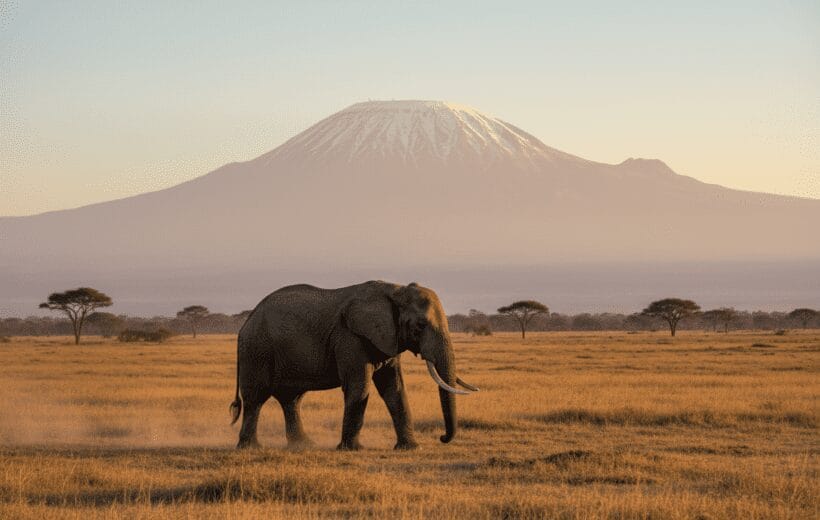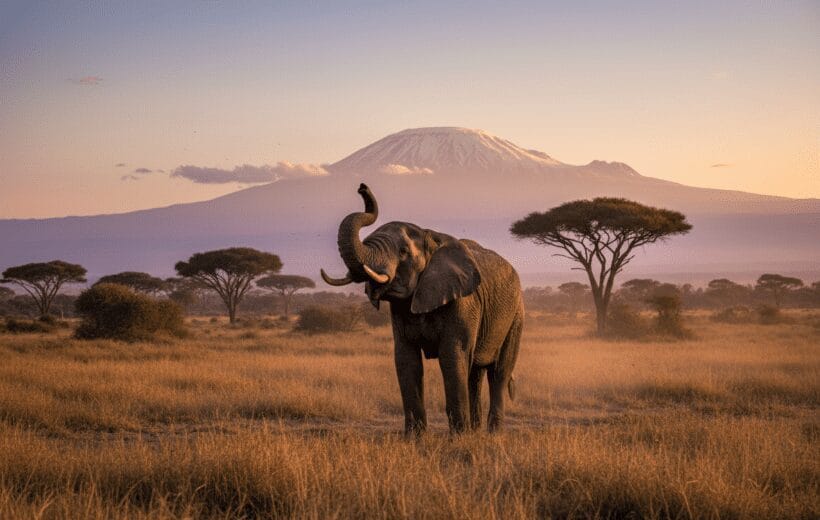
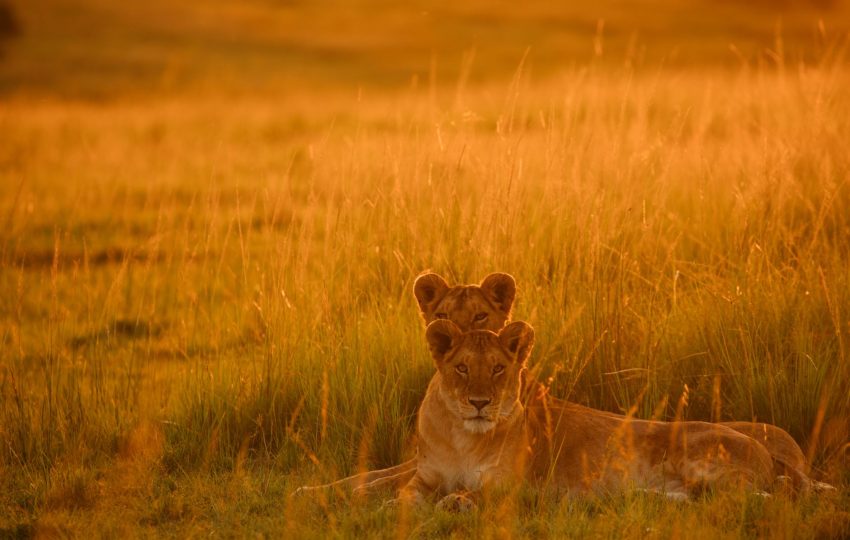
Ask our guides for their personal favourite park and Meru comes up again and again. This is where George and Joy Adamson released Elsa the lioness, the story the world knows as Born Free, and sixty years later it remains gloriously empty: a park the size of the Mara that sees a fraction of one percent of its visitors.
What Makes Meru Different
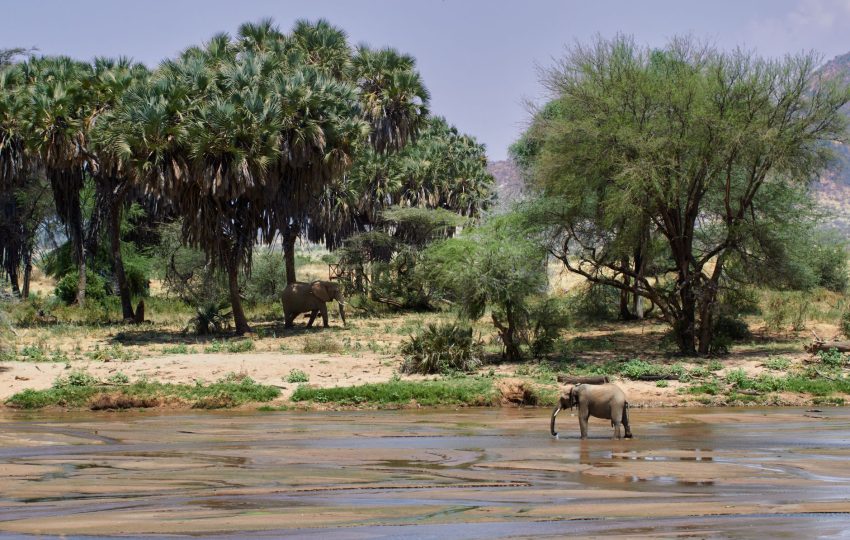
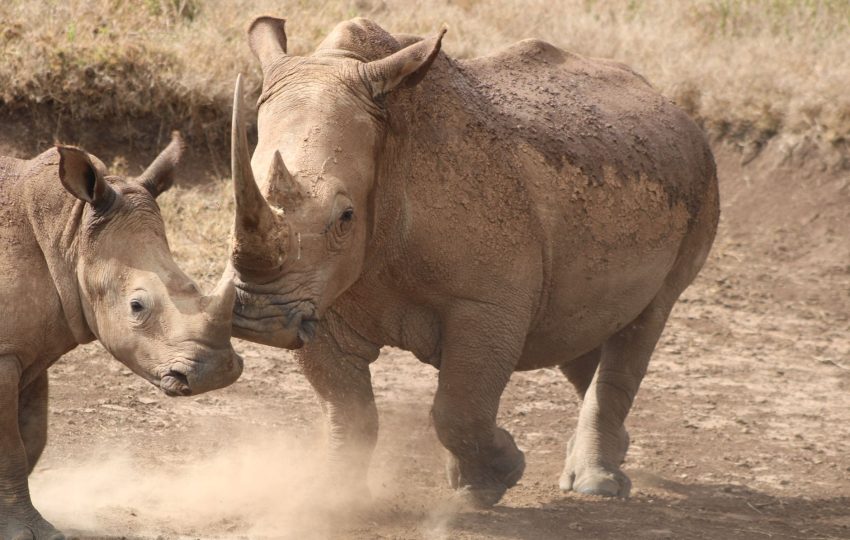
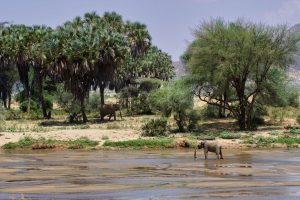
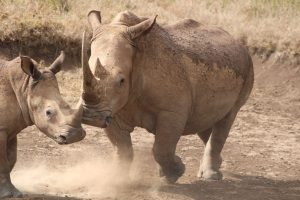
Thirteen permanent rivers cross Meru National Park, each lined with doum palms and fig forest, so the park stays green and the game stays put year-round. Elephant, lion, lesser kudu, gerenuk and some of Kenya's biggest buffalo herds share the tall grass, and the fenced Meru rhino sanctuary protects both black and white rhino with near-guaranteed sightings. Because visitor numbers are so low, a full day can pass without meeting another vehicle: sightings here are yours alone.
Elsa's Legacy
We visit Elsa's Kopje, the rock outcrop above George Adamson's original camp, and her grave on the bank of the Ura River. For anyone who grew up with the book or the film, standing in the actual landscape is quietly moving in a way no busy park can match.
Practical Notes
Meru sits five to six hours' drive northeast of Nairobi, skirting Mount Kenya, which is why we run it as four days rather than three: you get two full days inside the park rather than spending half the trip on the road. Lodging is a mid-range safari lodge or tented camp inside the park. June to October and December to March are the prime windows.