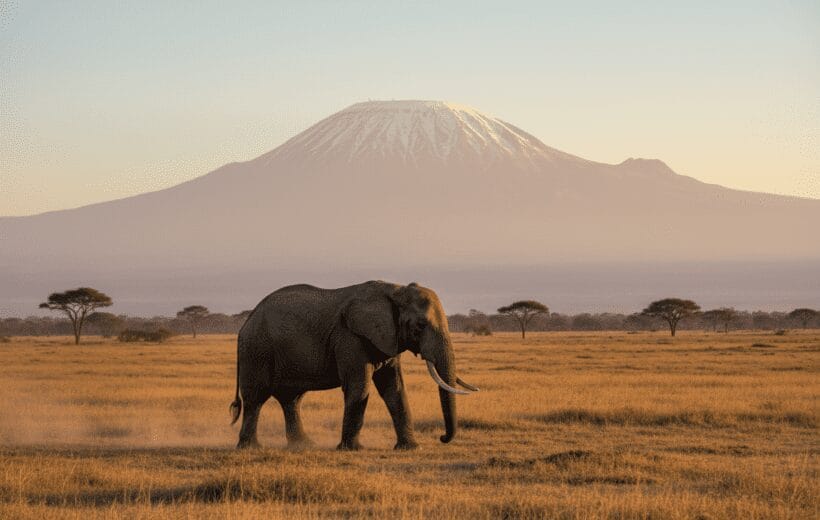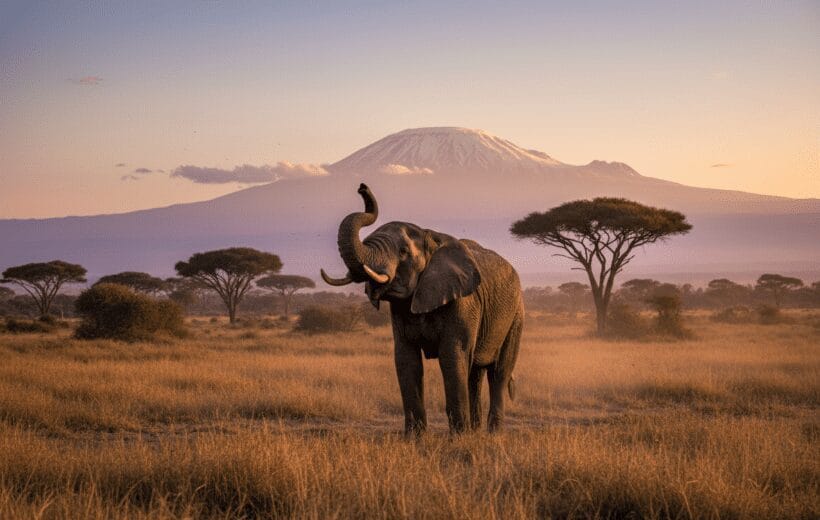
Ol Pejeta Conservancy is a leading private wildlife conservancy located in Laikipia County, Kenya, between the foothills of Mount Kenya and the Aberdare ranges.
Getting to Ol Pejeta: Can You Use Public Transportation?
Absolutely—you do not need a private vehicle to reach Ol Pejeta. Travelers interested in public transportation can catch a matatu or bus from Nairobi to Nanyuki town, a journey of roughly four hours by road. Once in Nanyuki, local taxis or motorcycle taxis (known as boda-bodas) are readily available to take you the rest of the way to the conservancy’s gate.
For those who prefer to fly, daily flights with carriers such as Air Kenya and Safarilink depart from Nairobi’s Wilson Airport to Nanyuki Airport. From there, it's a short drive to Ol Pejeta.
Many visitors also consider pairing their visit here with a trip to Samburu National Reserve, given the close proximity. Whether you opt for self-drive or public transit, reaching Ol Pejeta is straightforward and accessible for most travelers.
Noteworthy Conservancies Near Ol Pejeta
Ol Pejeta is in good company—the Laikipia and Greater Mara regions are dotted with standout conservancies, each offering its own spin on safari adventure, conservation, and local partnerships.
Loisaba Conservancy sits not far from Ol Pejeta, unfolding miles of wild terrain with a spirit of adventure. Known for its innovative approach to conservation tourism, Loisaba lets you swap the typical game vehicle for a camel trek, mountain bike, or horseback ride. Lion prides, elephant herds, and the occasional leopard crossing add to the magic, set against dramatic escarpments. Here, your stay contributes directly to both wildlife and community projects.
Lewa Conservancy is another big name in the region. It’s particularly famous for its work safeguarding endangered species like black rhinos and Grevy’s zebra. The scenery alone is captivating, but the real draw might be Lewa’s commitment to community-led conservation. Every visit helps protect not just rhinos and giraffes, but also supports healthcare, education, and water initiatives for local people.
Mara North Conservancy sits within the legendary Maasai Mara ecosystem, offering a more exclusive alternative to the bustling Mara Reserve. With limited visitor numbers and a model that benefits over 900 Maasai landowners, Mara North delivers serene wildlife viewing—think big cats, seasonal migration spectacles, and dining under the African stars. Their low-impact philosophy keeps the wilderness undisturbed while uplifting local communities.
Each of these conservancies adds to the tapestry of Kenyan conservation: safeguarding wildlife, championing local livelihoods, and giving visitors experiences far beyond the ordinary.
What Makes Ol Pejeta Special?
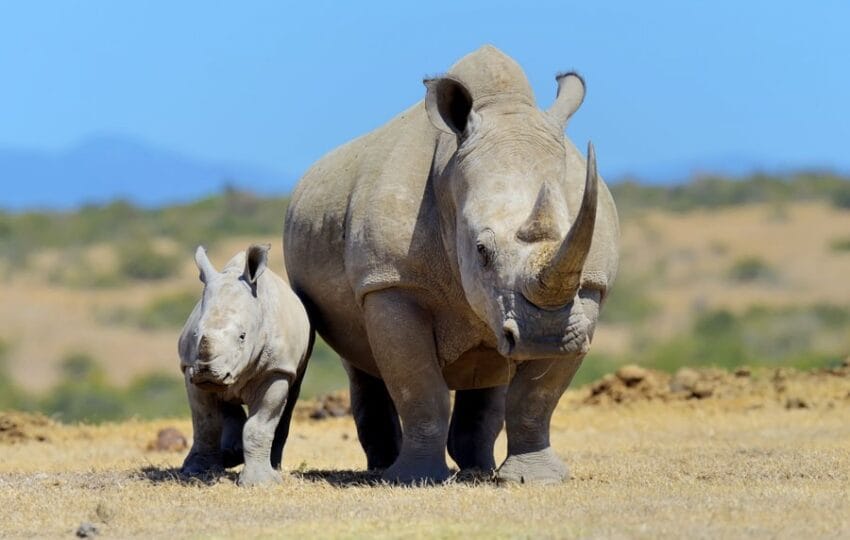
- Largest black rhino sanctuary in East Africa
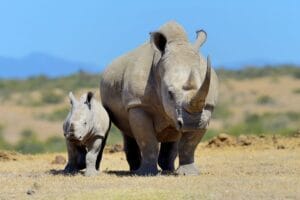
- Home to the world’s last two northern white rhinos : Ol Pejeta offers a once-in-a-lifetime chance to encounter these incredibly rare creatures, now protected around the clock by dedicated 24-hour armed security. Every sighting here is a privilege, as you witness conservation in action and stand face-to-face with a species on the brink of extinction.
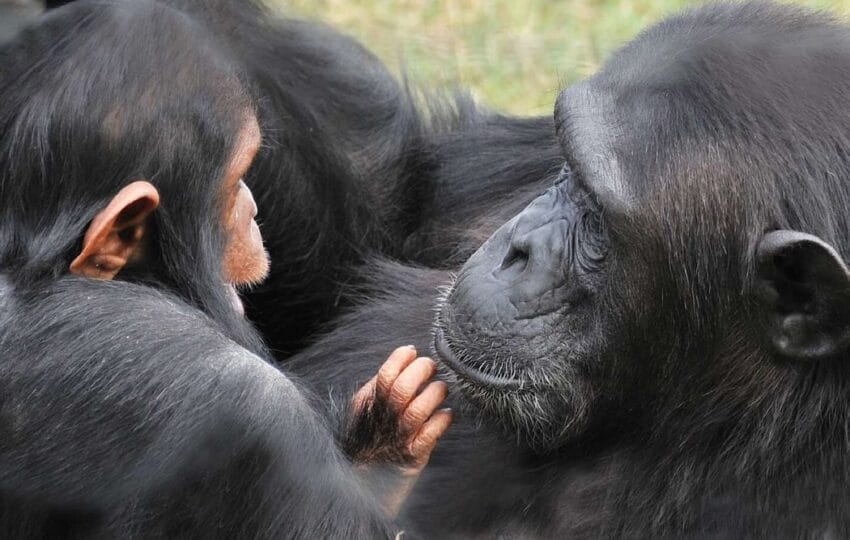
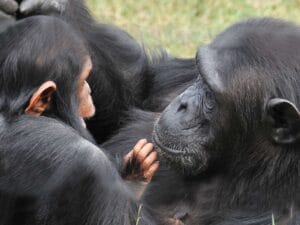
- Only place in Kenya with a chimpanzee sanctuary
- Offers Big Five wildlife viewing
- Conservation Excellence
- Ol Pejeta is internationally recognized for its strong anti-poaching efforts and innovative wildlife protection programs, making it one of Kenya’s most successful conservation areas.
Conservation at Ol Pejeta: Efforts in Action
Ol Pejeta Conservancy stands out for its proactive approach to wildlife protection and sustainable land use. The conservancy is especially known for its commitment to safeguarding critically endangered species and promoting a model where wildlife and people thrive side-by-side.
Endangered Species Protection
- Last Two Northern White Rhinos: As the last stronghold for the northern white rhino, Ol Pejeta provides 24/7 security and specialized care for the world’s final two individuals of this subspecies.
- Black Rhino Sanctuary: With the largest population of black rhinos in East Africa, Ol Pejeta is at the forefront of monitoring, habitat management, and anti-poaching strategies to support rhino recovery.
Chimpanzee Sanctuary
Ol Pejeta remains the only place in Kenya where you can witness rescued chimpanzees living in a safe, rehabilitative environment. Their care program is internationally recognized, emphasizing animal welfare and educational outreach.
Innovative Conservation Initiatives
- Anti-Poaching Canine Unit: Highly trained bloodhounds and their handlers conduct regular patrols, making Ol Pejeta’s anti-poaching program both cutting-edge and highly effective.
- Lion Tracking and Research: Scientists and rangers track collared lions, gathering critical data on population health, territory, and behavior to enhance species management plans.
Sustainable Land Management
Ol Pejeta integrates livestock ranching with wildlife conservation, managing thousands of cattle while maintaining ecological balance. This unique model supports local communities and ensures the continued health of the ecosystem.
Community Engagement and Education
Ongoing educational programs connect local schools and global visitors to the realities and importance of conservation, inspiring the next generation of wildlife guardians.
Monitoring and Data Collection
Rangers and researchers actively track animal health, movements, and habitats through hands-on fieldwork and technological monitoring, informing long-term strategies for species survival and landscape preservation.
Unforgettable Photo Opportunities at Ol Pejeta
One of Ol Pejeta’s most delightful surprises for photographers is its location right on the equator—stand with one foot in each hemisphere and capture a picture worth framing. Wildlife enthusiasts will also relish the chance to shoot the distinctively patterned reticulated giraffe, whose striking geometric markings are a hallmark of the Laikipia region. With the dramatic backdrop of Mount Kenya and abundant opportunities to see rare species up close, photographers—amateur or pro—will find endless inspiration here.
How Does Ol Pejeta Balance Wildlife and Livestock?
One of Ol Pejeta’s standout approaches is its innovative wildlife-livestock integration. Rather than keeping cattle and wildlife separate, the conservancy expertly manages over 6,000 head of cattle alongside thriving wild animal populations. This model allows livestock and native species like elephants and antelope to share the landscape, with careful rotational grazing practices that maintain healthy grasslands.
By blending conservation science with traditional ranching, Ol Pejeta demonstrates how agriculture and wildlife protection can support each other. This approach not only sustains the ecosystem but also benefits neighboring communities, who gain from improved land productivity and employment opportunities—all while preserving a safe haven for endangered species.
Canine Anti-Poaching Unit
Ol Pejeta is home to a highly skilled canine anti-poaching team. Specially trained bloodhounds work alongside experienced handlers, tracking down poachers and safeguarding the conservancy’s precious wildlife. These dogs are an essential part of Ol Pejeta’s security efforts, using their powerful sense of smell to detect illegal activity and respond quickly in the field. For visitors, a behind-the-scenes look at the canine unit offers insight into the innovative approaches used here to protect endangered species and uphold world-class conservation standards
- Close-up rhino encounters
- Game drives with stunning Mount Kenya views
- Night game drives and guided bush walks
Unique Experiences at Ol Pejeta
- Meet the world’s last two northern white rhinos, Najin and Fatu, in their protected enclosure and learn about their extraordinary story.
- Visit the renowned chimpanzee sanctuary—the only one in Kenya—where rescued chimps find a safe haven.
- Join the anti-poaching unit’s canine officers and discover how expertly trained dogs help rangers protect wildlife. Try your hand at playing hide and seek with these remarkable canines.
- Track lions alongside researchers, using unique identifiers like nose and whisker spots or ear tears.
- Kids can become Junior Rangers for a day—complete with a ranger oath, hat, certificate, and pin.
- Lace up for a gentle 5-7k run with Ol Pejeta’s rangers, with a chance to spot elephants or rhinos along the way. Refuel with fresh coffee after your run.
- Explore the conservancy on foot or by bike, guided by local experts who reveal the secrets of the bush.
- Enjoy magical bush dinners or sundowners arranged by your lodge.
- Experience the thrill of horseback riding with views of grazing rhinos (no riding on the rhinos, of course!).
These hands-on activities combine adventure, education, and conservation, making Ol Pejeta an unforgettable destination for families and wildlife lovers alike.
- Family-friendly and educational experiences
- Ol Pejeta Conservancy offers a unique safari experience where conservation and adventure come together beautifully.
When Is the Best Time to Visit Ol Pejeta Conservancy?
The ideal time to explore Ol Pejeta Conservancy largely depends on your safari priorities and what type of experience you’re after.
- Dry Season (June to September): For classic game viewing, these months are fantastic—days are pleasantly cool, skies are clear, and wildlife tends to gather around watering holes, making sightings extra rewarding. The landscape is open and movement is easier, perfect for both first-time visitors and seasoned safari-goers.
- Green Season (October, April, and May): If you’re chasing quieter moments and value-budget rates, the rainy months bring lush scenery and fewer crowds. However, expect sudden showers, and a 4x4 vehicle is a must—adventure comes standard, with a chance for dramatic skies and a glimpse of newborn wildlife.
- Transitional Months (January to March): These months offer warm temperatures and stunning greenery, with plenty of animals still out and about before the long rains set in.
No matter when you visit, Ol Pejeta Conservancy rolls out unforgettable wildlife encounters year-round—just be sure to pack accordingly for the season!
Unforgettable Extras: Bush Dinners & Sundowners
For those looking to elevate their safari experience at Ol Pejeta, bush dinners and sundowners are not to be missed. Imagine enjoying a delicious meal or a refreshing drink surrounded by the sights and sounds of the African wilderness, as the sun sets behind Mount Kenya. These special moments can typically be arranged through your lodge or camp—simply ask your hosts, and they’ll help you plan an evening to remember.
Visiting Ol Pejeta: Best Times and What to Expect
Ol Pejeta welcomes visitors year-round, but your experience can vary depending on the season. Here’s what to consider as you plan your trip:
Dry Season (June–September, January–February)
- Advantages: These months bring cooler, drier weather, making wildlife viewing at its peak. Animals gather around the waterholes, so you’re more likely to see concentrated wildlife activity—perfect for photography and classic game drives.
- Disadvantages: The popularity of these months means higher park fees and lodge rates. You may also find more visitors, especially on weekends and during school holidays.
Rainy Season (March–May, October–December)
- Advantages: Travel during these shoulder months often means fewer crowds and more budget-friendly pricing. The landscape turns vibrantly green, offering a fresh, picturesque backdrop and excellent bird-watching opportunities.
- Disadvantages: Heavy rainfall can make some roads muddy and tough to navigate. We recommend a sturdy 4x4 vehicle for exploring at this time, and activities may occasionally be reshuffled due to the weather.
No matter when you choose to visit, each season brings its own rewards—from lush scenery to thrilling animal sightings. Ultimately, your choice comes down to whether you prefer exceptional wildlife viewing in the dry months or quieter, greener adventures in the wet season.
What to Pack: Clothing and Gear for Ol Pejeta
When preparing for a trip to Ol Pejeta, smart packing can make all the difference. The conservancy sits at a higher altitude on the equator, which means chilly nights and mornings, but afternoons can quickly warm up—so layers are key.
Here are some recommendations to keep you comfortable throughout the day:
- Layered Clothing: Start with a lightweight t-shirt or long-sleeved shirt for sun protection, then add a jumper or fleece for cooler moments. A rain jacket is handy for unexpected showers.
- Trousers and Shorts: Comfortable, breathable trousers for bush walks and game drives; a pair of shorts works well for midday relaxation.
- Footwear: Sturdy hiking boots or closed shoes are essential for nature walks. Flip flops or sandals come in handy at your lodge.
- Accessories: Don’t forget a wide-brimmed sun hat, sunglasses, and sunscreen. The combination of altitude and equatorial sun packs a punch.
- Extras: Evenings can be crisp, so a light scarf or shawl is useful. And as always, packing a reusable water bottle helps you stay hydrated on your adventures.
By packing the right gear, you're ready to make the most of Ol Pejeta’s unpredictable but beautiful climate—and focus on enjoying those rhino encounters and game drives.
Can You Combine Ol Pejeta With Other Nearby Reserves?
Absolutely. Ol Pejeta’s strategic location in Laikipia County places it within easy driving distance of other iconic Kenyan reserves, most notably Samburu National Reserve. Many travelers opt to pair their stay at Ol Pejeta with a journey north to Samburu for a more varied safari experience.
By combining these destinations, you’ll have the chance to explore the unique wildlife and landscapes of both conservancies. It’s an excellent way to maximize your time in Kenya—spotting black rhinos on the Ol Pejeta plains one day and searching for Samburu’s special “Big Five” (like the reticulated giraffe and Grevy’s zebra) the next.
This combination makes for a rich, diverse itinerary, especially for those seeking a blend of adventure and conservation-focused travel.
More Ways to Explore Ol Pejeta
- Game Drives: Set out in comfortable 4×4 vehicles (accommodating up to five guests) to spot the Conservancy’s diverse wildlife and impressive birdlife.
- Night Drives: Venture out after dark for a thrilling chance to discover nocturnal creatures such as aardvarks, zorillas (resembling skunks), and white-tailed mongooses—rare sightings that make for unforgettable memories.
- Guided Bush Walks: Step out on foot with expert guides and learn about tracking, animal behavior, and the smaller wonders of the bush.
- Engaging for All Ages: With activities designed for families and curious travelers alike, Ol Pejeta is as educational as it is exciting.
Whether you’re looking for up-close wildlife encounters or a deeper understanding of conservation, Ol Pejeta delivers an authentic safari adventure with something for everyone.
Safari & Wildlife Adventures at Ol Pejeta
Ol Pejeta offers a variety of hands-on activities that bring you closer to nature, wildlife conservation, and life on the savannah. Whether you're an adventurer, a wildlife enthusiast, or traveling with the family, there’s an experience waiting for you.
Exciting Things to Do:
- Game Drives: Set out in a 4x4 to track the Big Five and marvel at the variety of birdlife. The open plains and acacia woodlands make every drive memorable, with knowledgeable guides pointing out hard-to-spot species and sharing fascinating facts along the way.
- Night Drives: For those seeking something unique, an evening game drive unveils the Conservancy’s nocturnal residents—think aardvarks, mongooses, and elusive nocturnal cats. These after-dark outings offer an entirely new perspective on Kenya’s wildlife.
- Meet the Last Northern White Rhinos: Gain rare access to the world’s final two northern white rhinos, protected within a special enclosure. You'll also learn about their story and Ol Pejeta’s ongoing conservation efforts to save the species from extinction.
- Chimpanzee Sanctuary Tours: Explore Kenya’s only chimpanzee sanctuary. Learn about the rescued chimps and the important rehabilitation work underway.
- Lion Tracking: Team up with researchers to observe collared lions, discover different family groups, and get an inside look at conservation science in action.
- Canine Anti-Poaching Experience: Visit the bloodhound training kennels and see how these incredible dogs help protect wildlife. You can even test your tracking skills with a fun, hands-on demonstration.
- Walking Safaris & Rhino Monitoring: Lace up your boots and join rangers on foot patrols to identify individual rhino by their ear notches, gather important conservation data, and understand how modern conservation works, up close and personal.
- Wildlife & Livestock Integration Tours: Discover how Ol Pejeta successfully balances livestock herding with thriving wildlife—a unique approach that helps preserve both livelihoods and habitats.
- Run with the Rangers: Early riser? Join an invigorating morning run alongside wildlife rangers through the savannah, finishing up with fresh coffee and stories about life in the field.
From up-close animal encounters to behind-the-scenes conservation, every activity at Ol Pejeta is designed to deepen your connection to this extraordinary landscape and the vital work that helps protect it.
Conservation Experiences for Visitors
Ol Pejeta isn’t just about seeing wildlife—it’s about getting involved. Guests have an incredible opportunity to roll up their sleeves and play an active role in ongoing conservation efforts.
Hands-On Conservation Activities
- Rhino Monitoring Walks: Join the dedicated monitoring team on foot as they track rhinos across the plains. You’ll learn how to spot individuals based on unique ear notches, help document their health, and collect important data. It’s a rare, behind-the-scenes look at the meticulous work that keeps rhino populations healthy.
- Lion Tracking Expeditions: Accompany researchers as they locate and observe collared lions, learning to distinguish prides and even individual lions by their features and behaviors. This interactive experience not only educates but contributes directly to vital population studies.
- Meet Endangered Species: Visitors can meet the world’s last two northern white rhinos, under the watchful protection of around-the-clock guardians. Alongside, there’s a chance to see rare species like Grévy’s zebra and Jackson’s hartebeest, all within the safe habitats of the conservancy.
- Anti-Poaching Insights: Explore the canine anti-poaching team’s kennels and discover what it takes to train bloodhounds into elite wildlife protectors. Learn how their tracking skills are crucial in safeguarding wildlife.
- Wildlife & Livestock Integration: Observe firsthand how Ol Pejeta balances over 6,000 cattle with thriving wildlife. The conservancy’s unique approach supports biodiversity while partnering with local communities.
- Ranger-Led Fitness Runs: For the early risers, there’s a chance to join morning runs with rangers—a blend of exercise, camaraderie, and conservation storytelling over a cup of coffee afterward.
Participating in these activities not only enriches your safari adventure but also fosters a deeper connection to conservation and leaves a positive impact on the landscape you’ve come to explore.
Unique Experiences at Ol Pejeta
Beyond classic game drives, Ol Pejeta Conservancy offers some truly memorable extras for those looking to make the most of their time in the wild. Imagine starting your day with a bush breakfast on the open plains, enjoying fresh coffee and pastries as the sun lights up the Laikipia plateau—all with front-row views of wildlife and Mount Kenya.
If adventure calls, lace up your sneakers and join the rangers for a morning run through the reserve. It’s not just a fitness boost—you’ll gain insight into the daily work of the team that protects the Conservancy's animals, rounding out the experience with a cup of coffee and stories from the frontline.
For those curious about what happens after dark, night game drives reveal a whole new side of Ol Pejeta. Spot rarely-seen nocturnal animals—like aardvark or white-tailed mongoose—under a glittering starlit sky.
Wildlife enthusiasts can take part in rhino monitoring walks, learning how researchers track and identify individual rhinos by their unique ear notches. Join the lion tracking team to follow collared prides and witness real conservation science in action. You can even meet the dedicated anti-poaching dogs or tour the Conservancy’s innovative wildlife-livestock integration project, seeing firsthand how Ol Pejeta balances cattle farming with habitat protection.
These hands-on activities allow visitors to dive deeper into the spirit of Ol Pejeta—where adventure, conservation, and community are always at the heart of the experience.
Best Time to Visit Ol Pejeta Conservancy
Deciding when to visit depends on what you want to experience, but the conservancy offers something special in every season.
January to March: Crisp Skies and Vibrant Landscapes
This is a favorite for many safari enthusiasts—expect clear, sunny days and minimal rainfall, perfect for photographers and anyone eager for wide-open views of Mount Kenya. February, in particular, brings migratory birds like white storks and cool evenings that invite you to cozy up around the campfire. Daytime highs hover near 27°C (81°F), but remember to pack a sweater for evenings, which can dip to 7°C (45°F) thanks to the conservancy’s elevation.
April to June: Lush Greenery and Quiet Trails
The long rains transform Ol Pejeta into a lush, green haven—ideal if you enjoy quieter game drives and fewer tourists. April typically sees the heaviest downpours, but wildlife viewing remains excellent; big cats are likely to be spotted along the roads, keen to steer clear of the wet grass. By June, the rains taper off and the landscape bursts with life. Expect daytime temperatures between 11°C (52°F) and 25°C (77°F).
July to September: Peak Wildlife Viewing
This is prime time for Big Five sightings as the dry season returns, thinning out the vegetation and drawing animals to water sources—perfect conditions for those “National Geographic” moments. July and August are cooler (highs around 23°C/72°F) and pleasant, while September warms up slightly, with just occasional afternoon showers.
October to December: Fresh Grasslands and Migratory Birds
Late September and October are quieter, with fewer visitors and increased chances of unique wildlife encounters. The short rains arrive in November and December, painting the plains green and attracting migratory birds. It’s an excellent window for spotting cheetahs navigating the taller, rejuvenated grasses. Temperatures average 24°C (75°F) during the day and a comfortable 9°C (48°F) at night.
Quick Recap:
- Best for photography & clear views: January to March
- Best for lush scenery & quiet safaris: April to June
- Best for wildlife viewing: July to September
- Best for birding & green landscapes: October to December
No matter when you visit, Ol Pejeta’s diverse climate and exceptional wildlife ensure a memorable safari experience year-round.
View More
Combining Your Safari With Coastal Escapes
It’s easy to pair your Ol Pejeta adventure with other unforgettable destinations. After exploring the Conservancy’s remarkable wildlife, many guests choose to unwind on Kenya’s beautiful Indian Ocean beaches—picture powdery sand, turquoise waters, and swaying palms along the coast in places like Diani or Watamu.
For those seeking even more adventure, extending your journey to the spice-laden streets and white sand shores of Zanzibar is a popular choice. Convenient connections by road from Nairobi (around four hours by car) or short flights from Nairobi or the Masai Mara make it seamless to combine your safari experience with a serene beach escape or island exploration.
Whether you crave coastal relaxation or a cultural detour, Ol Pejeta fits easily into a broader Kenyan or East African itinerary.
Recent Travel Tips & Inspiration
Looking for fresh ideas as you plan your visit to Ol Pejeta? Here are some of the latest travel insights and tips that can help you make the most of your safari:
- Where to Spot Rhinos in Kenya & Tanzania: Discover lesser-known hotspots and trusted conservancies, including the best time to visit for rhino sightings.
- Why Kenya Tops the Safari Charts: Explore the unique elements that set Kenya apart as a premier safari destination, from diverse landscapes to rich wildlife encounters.
- Kids on Safari: Learn about innovative children’s nature programs and how Ol Pejeta and similar conservancies are making safaris exciting and educational for young explorers.
- Eco-Friendly Stays in East Africa: Find recommendations for sustainable lodges and camps—perfect for travelers seeking a safari experience that positively impacts both wildlife and local communities.
Whether you’re traveling solo, with family, or in a group, these recent topics offer practical tips and inspiration to help you plan an unforgettable Ol Pejeta adventure.
Seasonal Highlights at Ol Pejeta
Wondering when to visit Ol Pejeta for the best experience? Each season brings its own charm, unique wildlife sightings, and special moments—making every visit memorable in its own way.
January – March: Crisp Vistas & Excellent Photography
- Clear, sunny days with little to no rain—perfect for panoramic Mount Kenya shots.
- Spot migratory white storks in February as they fill the skies.
- Evenings are chilly at this altitude, so pack a cozy jumper for those fireside chats.
- Ideal for photography lovers, thanks to crystal-clear air and brilliant green scenery.
April – June: Adventure & Tranquility
- This is the quiet season, with fewer vehicles on the trails and excellent rates.
- Rains bring lush growth—ideal for birdwatching and catching big cat action as they avoid wet grass by sticking to roads.
- May typically sees the most rain, but come June, everything turns fresh and green, making the landscape truly magical.
July – September: Classic Big Five Safaris
- The dry season makes animal spotting easier as wildlife flocks to dwindling water sources.
- Thinner vegetation means you’re more likely to see elephants, lions, and rhinos up close.
- Peak wildlife viewing time, though it’s also a popular window for visitors—especially families over school holidays.
October – December: Birdlife & Rejuvenation
- Late September and October are quieter, offering peaceful wildlife encounters.
- Short rains in November and December transform the plains, drawing migratory birds and revitalizing the grasslands.
- Watch cheetahs use the taller grass to their advantage while hunting—an unforgettable safari moment.
No matter when you go, Ol Pejeta promises unique sights, engaging wildlife, and breathtaking landscapes every single season.