Solio Lodge Kenya: Sleeping Inside the World’s Oldest Private Rhino Sanctuary
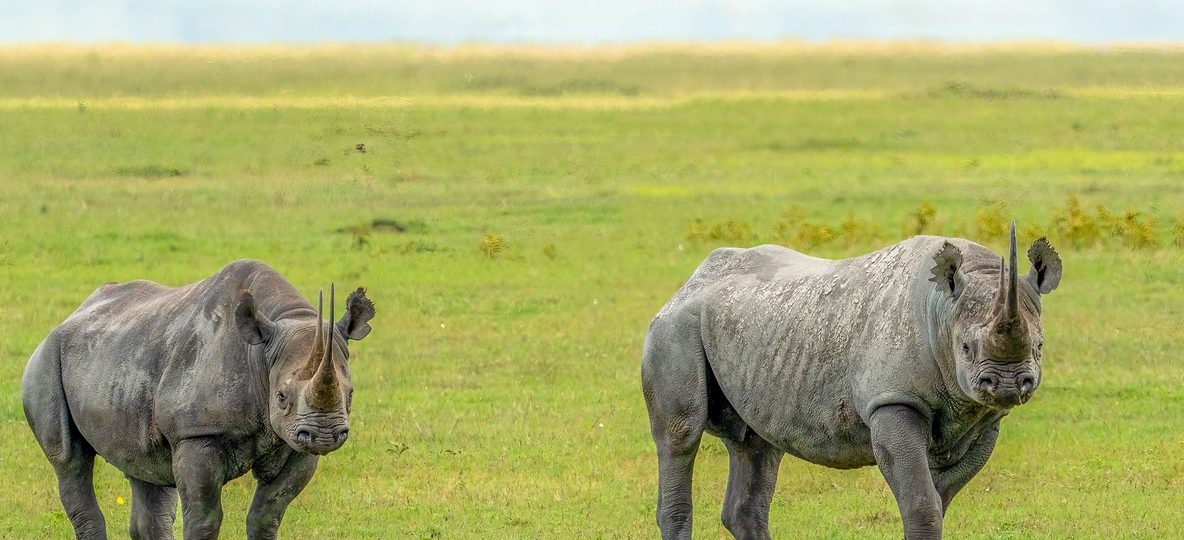
Most Kenya safari lodges sit near a park boundary and send guests out through a gate each morning. Solio Lodge Kenya works differently. The lodge sits inside the fence line of Solio Ranch, a 17,000-acre private rhino sanctuary in Laikipia County. It has protected black rhino since 1970, making it one of the oldest continuously operating private rhino sanctuaries anywhere. There is no drive to reach the wildlife here. The wildlife is already on the property when the lights go out. 🦏
That distinction matters more than it sounds. On a conventional safari, night belongs to the camp: dinner, a fire, sleep, and the vehicle again at dawn. At Solio, the fence keeps the rhino in, not out, and the lodge is a small, private structure inside that boundary. Hyena calls, buffalo moving past camp, and the low grunt of a bull rhino somewhere in the dark are all part of the same 17,000 acres guests explore by day. Trunktrails Safaris books Solio for travellers who want that specific experience: sleeping inside the sanctuary, not beside it.
Why Solio Exists: A Private Rhino Sanctuary Older Than Most National Parks’ Rhino Programmes
Solio Ranch began as a working cattle property northwest of Mount Kenya. In 1970, owner Courtland Parfet fenced a section of the ranch and began protecting black rhino. Kenya’s national parks were losing the species to poaching at the time, faster than any breeding programme could offset. By the late 1980s, Solio held one of the highest densities of black rhino anywhere in Africa.
The sanctuary’s real legacy is in the numbers that followed. Black rhino bred at Solio were translocated to establish or reinforce Lewa Wildlife Conservancy, Ol Pejeta Conservancy, and populations in the Masai Mara ecosystem. A meaningful share of Kenya’s current black rhino population traces its lineage back to Solio breeding stock. Today the sanctuary holds an estimated 50 to 70 black rhino and more than 150 white rhino, alongside elephant, lion, leopard, buffalo, Grevy’s zebra, and reticulated giraffe.
Solio still functions as a working ranch in parts, which means the wildlife shares ground with cattle in a mixed-use landscape that is unusual for a Kenya conservancy. It is a working example of conservation and agriculture on the same fenced ground, not a curated wildlife park built from scratch.
Solio Lodge Quick Facts
| Detail | Figure |
|---|---|
| Sanctuary established | 1970 |
| Sanctuary size | 17,000 acres (approx. 69 km²) |
| Black rhino population | Approx. 50-70 |
| White rhino population | 150+ |
| Lodge capacity | 8 cottages, maximum 16 guests |
| Altitude | 1,800 metres |
| Nairobi to Solio by road | Approx. 200 km, 3.5-4 hours via Nanyuki |
| Nairobi to Solio by air | Wilson Airport to Nanyuki airstrip, approx. 45-50 minutes, plus 45-60 minute road transfer |
| Indicative rate (low season) | $800-$1,000 per person per night, sharing |
| Indicative rate (peak season) | $1,000-$1,400 per person per night, sharing |
Prices above are indicative 2026 ranges for planning purposes only and vary by season and operator package. Trunktrails Safaris confirms current rates at the time of booking.
What It Actually Feels Like to Sleep Inside the Sanctuary
Solio Lodge keeps guest numbers low on purpose. Eight cottages, sixteen guests at full capacity, spread across a property built for calm rather than volume. Each cottage is stone and thatch, with a private veranda facing the reserve and an open fire for cold Laikipia nights. The en-suite bathroom has both an indoor and an outdoor bath. There is no perimeter road separating the rooms from the bush. The rhino sanctuary is the view.
Night game drives, permitted inside the fenced boundary, are where the “sleeping inside” idea becomes tangible. Guides take guests out after dark to look for spotted hyena, aardvark, civet, lesser bushbaby, and the occasional leopard, species that most day-only itineraries in Kenya never encounter. Because the sanctuary is fenced and privately managed, Solio can run these drives with a level of access that open, unfenced reserves cannot offer.
Rhino tracking on foot is the signature daytime activity. A tracker follows sign, footprints, dung, rubbing posts, until the group locates a rhino, then closes the distance on foot with attention to wind direction and the animal’s body language. It is a different register of encounter than a vehicle sighting, and Solio’s guiding team has been running this activity for decades.
Private vehicles are standard here. Guest groups (up to four people) share one vehicle and one guide rather than joining a shared game-drive queue, which keeps sighting time and approach distance calibrated to a small group instead of a crowded one.
Wildlife Inside the Fence: What Guests Actually See
| Species | Likelihood at Solio | Notes |
|---|---|---|
| Black rhino | High | 50-70 individuals; foot tracking improves odds further |
| White rhino | Very high | 150+ on the sanctuary; often seen near water points |
| Elephant | Very high | Large herds use the ranch seasonally |
| Lion | Medium-high | Resident prides; less predictable than Masai Mara |
| Leopard | Medium | Present; night drives raise the chance of a sighting |
| Buffalo | High | Large herds, consistently visible |
| Grevy’s zebra | High | Laikipia-endemic species, distinct from common zebra |
| Reticulated giraffe | Very high | Signature Laikipia species, seen most days |
A four-night stay at Solio without a rhino sighting is close to unheard of. Multiple sightings across both species in a single day are common, which is the core reason conservation-minded travellers choose this property over a broader, lower-density reserve.
Solio Lodge vs Ol Pejeta: Two Ways to Sleep Near Rhino in Laikipia
Both are private rhino sanctuaries within roughly an hour of each other on the Laikipia plateau, and both are strong choices. The right pick depends on what a traveller wants from the stay.
| Factor | Solio Lodge | Ol Pejeta Conservancy |
|---|---|---|
| Sanctuary size | 17,000 acres | 90,000 acres |
| Black rhino | Approx. 50-70 | Approx. 130 (largest population in East Africa) |
| White rhino | 150+ | 300+ |
| Northern white rhino | None | Yes (Najin and Fatu, the last two alive) |
| Lodge capacity | Small, 16 guests maximum | Multiple lodges, higher overall capacity |
| Night game drives | Yes, inside the fence | Yes |
| Distinct extra draw | Intimacy and low guest density | Chimpanzee Sanctuary and northern white rhino |
| Distance from Nanyuki | Approx. 45-60 minutes | Approx. 60-90 minutes |
Solio suits travellers who want the smallest possible footprint and the most private version of a rhino sanctuary stay. Ol Pejeta suits travellers who want a wider conservation portfolio in one visit, including the chimpanzee sanctuary and the world’s last two northern white rhino. Neither is a downgrade from the other; they answer slightly different questions.
Getting to Solio Lodge
By air: Scheduled or charter flight from Wilson Airport in Nairobi to Nanyuki airstrip, roughly 45-50 minutes, followed by a 45-60 minute road transfer to the lodge.
By road: Nairobi to Solio via Nanyuki runs approximately 200 km and 3.5-4 hours in normal traffic, paved as far as Nanyuki and well-maintained dirt for the final stretch.
Solio pairs naturally with other Laikipia and Mount Kenya properties. Guests often extend the trip into a longer circuit:
- Lewa Wildlife Conservancy: adjacent, shares a northern boundary with Solio
- Ol Pejeta Conservancy: approximately 45 minutes south
- Mount Kenya: visible from the lodge, with trekking options nearby
- Aberdare National Park: a further conservation stop within the same region
A 7-10 night circuit through Solio, Lewa, and Ol Pejeta covers Kenya’s private rhino conservation story in depth without a return trip to Nairobi between camps. Trunktrails Safaris designs this exact itinerary regularly for guests who want a conservation-led Laikipia trip rather than a single-camp visit.
The Trunktrails Advantage
Trunktrails Safaris builds Laikipia itineraries around Solio, Ol Pejeta, Lewa, and the wider conservancy network. We combine these with a Masai Mara or coastal segment when guests want a longer trip. We also track the Nanyuki airstrip schedules and the seasonal state of the Solio access road, and we know which camps in this region need booking months ahead versus weeks ahead.
As a native Kenyan operator, Trunktrails Safaris designs tours and safaris around real, current knowledge of how these properties perform for different travellers. We do not work from a template pulled off a brochure. If a guest’s priorities point toward Ol Pejeta’s wider species range instead of Solio’s intimacy, we say so directly. We do not default to the higher-margin option. That is the standard we hold every Trunktrails Safaris itinerary to, and it is why guests return to us for their tours and safaris across the wider region. ✨
Ready to Sleep Inside Solio’s Rhino Sanctuary?
Solio Lodge is a specific kind of trip: small, private, and built around one of the most concentrated rhino experiences in Kenya. It will not suit every itinerary, but for travellers whose priority is genuine proximity to black and white rhino inside a working conservation model, it is close to unmatched.
Trunktrails Safaris can build a Solio stay on its own or as part of a larger Laikipia and Mount Kenya circuit, alongside our wider Kenya tours and safaris. Reach out and we will send a proposal built around your dates and your conservation interests.
Further reading
More safari planning resources
- Kenya national parks map from SafariPure
- Ol Pejeta and Sweetwaters safari package from Valley Safaris
- Big Five safari parks guide on Touring Insights
- Big Five safari collection on FindMySafari
WhatsApp: +254 113 208888 Email: info@trunktrailssafaris.com Website: https://trunktrailssafaris.com