The Real Cost of Safari Overtourism in Kenya’s Masai Mara
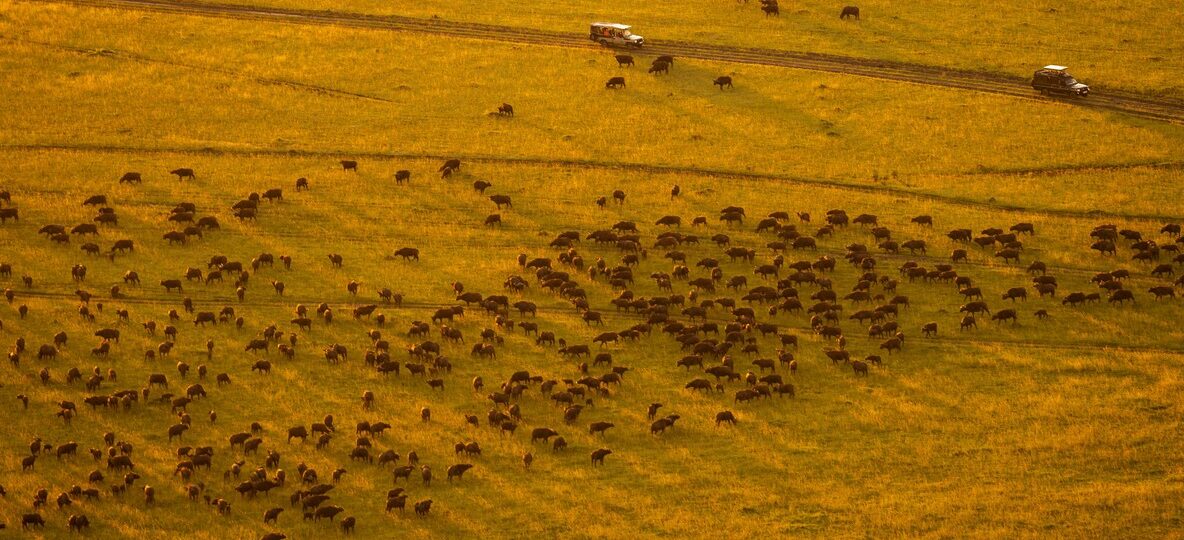
Safari overtourism kenya is no longer a quiet worry whispered by guides. It is a visible pressure you can count in the number of vehicles ringing a single lion at dawn. The Masai Mara draws travellers from every continent, and in peak season the reserve can feel more like a car park than a wilderness. That matters for the wildlife, for the Maasai communities who own this land, and for the quality of your own trip.
This guide from Trunktrails Safaris explains the real cost behind the crowds, with honest numbers on vehicle density, park fees, and conservancy rates. We also show you exactly how to sidestep the crush. The figures below come from itineraries we run every season, not brochure gloss. 🦁
What Safari Overtourism in Kenya Actually Means
Overtourism happens when visitor numbers outgrow what a place can absorb without harm. In the Masai Mara National Reserve, roughly 1,510 square kilometres of savannah, that tipping point arrives fast during the Great Migration between July and October.
The pressure shows up in three ways. First, too many vehicles crowd popular sightings, so a river crossing that should feel wild instead feels staged. Second, off-road driving scars the grassland and disturbs breeding cats. Third, the money and footfall concentrate in a few gates while spreading thin benefit to the Maasai landowners.
None of this means you should skip the Mara. It means you should plan with your eyes open. The travellers who understand the pattern get a better safari and leave a lighter footprint. Because the Mara ecosystem reaches far beyond the reserve boundary, your choice of where to stay and when to travel shapes almost everything about the trip.
Masai Mara Overtourism by the Numbers
Numbers make the problem concrete. Here is what the pressure looks like across the reserve and its neighbouring conservancies, using indicative 2026 figures we work with directly.
| Measure | Masai Mara National Reserve | Private conservancies |
|---|---|---|
| Core area | ~1,510 km2 | ~1,400 km2 combined |
| Vehicles at a peak-season sighting | Often 15-30+ | Capped, usually 5 or fewer |
| Bed density guideline | High, few limits | ~1 tent per 350 acres (low) |
| Off-road driving | Restricted but common | Managed, guide-led only |
| Night drives | Not permitted | Permitted |
| Walking safaris | Not permitted | Permitted |
The contrast is stark. In the reserve, a single cheetah with cubs can attract a wall of minibuses that blocks her hunting line. In a conservancy like Olare Motorogi or Naboisho, a strict vehicle cap means you may share that same cat with one other car, or none at all.
Masai Mara Park Entry Fees 2026 and Why They Rose
Narok County, which manages the reserve, raised fees partly to slow overtourism and fund conservation. Higher prices are a deliberate lever to thin the crowds while raising money for rangers and roads. Here are the indicative non-resident rates for 2026, always confirmed at booking.
| Fee type | Low season (Jan-Jun) | High season (Jul-Dec) |
|---|---|---|
| Adult, per 24 hours (indicative) | ~USD 100 | ~USD 200 |
| Child, per 24 hours (indicative) | ~USD 50 | ~USD 50 |
| Vehicle entry (5-seater) | ~USD 60 | ~USD 60 |
These figures are indicative ranges, not quotes, and Narok County reviews them regularly. The jump from low to high season is real, and it is designed to make peak-migration travel a considered choice rather than a default. A family of four can easily see park fees alone pass USD 800 per day at peak, before beds and vehicles. That reality alone pushes many of our clients toward the conservancy model.
Masai Mara vs Conservancies: Where the Crowds Thin Out
The single most effective move against overtourism is choosing where you sleep. The reserve is public land entered through gates like Sekenani, Talek, Musiara, and Oloololo. The conservancies are private leases held with Maasai landowners, where limits on beds and vehicles are written into the lease.
| Factor | National Reserve | Private conservancy |
|---|---|---|
| Access | Open to day visitors and lodges | Guests of member camps only |
| Nightly conservancy fee | None (park fee applies) | ~USD 70-130 per person |
| Crowd level | High in peak season | Consistently low |
| Community benefit | Via county revenue | Direct lease to Maasai families |
| Great Migration river crossings | Yes, on the Mara River | Rare, but plains game rich |
| Named examples | Governors’ Camp, Mara Serena | Kicheche, Encounter Mara, Naboisho Camp |
Here is the honest trade-off. The reserve holds the famous Mara River crossings, so migration purists still need a day or two inside it. The conservancies give you quiet, exclusivity, night drives, and walking safaris, plus your money flows straight to the landowners. Our favourite plan blends both, and we run these tours and safaris as a combined loop so you get the crossings without living inside the crowd.
When to Visit Masai Mara to Avoid Crowds
Timing is your second big lever. The migration months of July through October pull the largest crowds and the highest fees. If your heart is set on a river crossing, you accept that trade and plan around it. If your priority is space and value, the shoulder and green seasons reward you.
Consider these windows:
- January to early March: warm, dry, resident wildlife strong, big cats denning, far fewer vehicles.
- The long rains of April and May: greenest landscapes, lowest prices, newborn animals, and the quietest gates of the year.
- June: the plains fill ahead of the migration, and crowds have not yet peaked.
- November: the short rains clear the July-to-October rush, and predators are active on green grass.
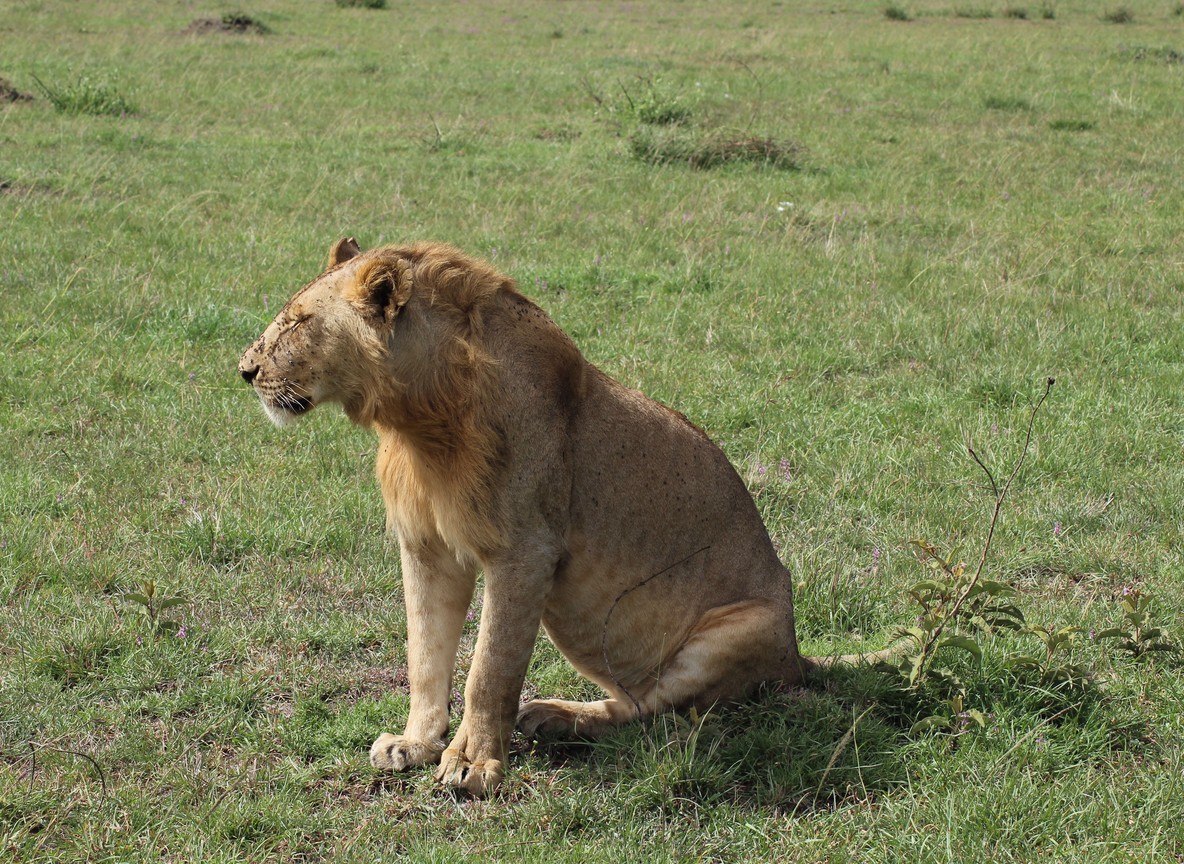
The Mara holds resident lion, elephant, leopard, and cheetah year-round, so a green-season safari is never a lesser safari. It is often the wilder one. We plan our green-season tours and safaris around denning cats and newborn plains game, and the photographs speak for themselves. 🐘
How to Travel as a Responsible Safari Kenya Visitor
Every traveller can shrink their own footprint with a few clear choices. Responsible travel is not about guilt. It is about spending your money where it protects the land and the people who steward it.
Practical steps we ask of our guests:
- Choose camps inside conservancies for at least part of your stay, so lease fees reach Maasai families directly.
- Ask your operator to hold a respectful distance and never crowd or bait a sighting for a photo.
- Travel in the shoulder or green season when you can, easing pressure on peak gates.
- Favour smaller camps over mega-lodges, since low bed density is the whole point.
- Tip and buy locally, keeping value in the community rather than in Nairobi head offices.
These choices cost you nothing extra in most cases, and they change what your safari means. A quiet sighting shared with no one is not only kinder to the wildlife. It is simply a better memory. 📸
The Trunktrails Advantage
Overtourism is exactly the kind of problem a native Kenyan operator is built to solve. Trunktrails Safaris is Kenyan-owned and Nairobi-based, and we hold working relationships with the conservancy camps and Maasai partners who manage access on the ground. We are not booking you into whatever has a bed free. We are routing you around the crush on purpose.
We build every Mara itinerary as a deliberate balance. Where a peak-season river crossing is your dream, we time a short reserve stay for it, then move you into a low-density conservancy for the quiet, close encounters. We tell you plainly when the green season serves you better, even when it earns us a smaller booking. We cost park fees, conservancy fees, and vehicle charges openly, so the plan you approve is the plan you pay for.
Above all, we make sure your money does real work. Our tours and safaris channel conservancy fees to the landowners who keep this ecosystem wild, which is the only lasting answer to overtourism. That is the difference between a packaged trip and a safari built around the land itself.
Ready to See the Real Mara, Without the Crowd?
Tell us your travel dates, whether a migration crossing is a must, and how many are in your party. We will design a Masai Mara safari that places you where the wildlife is and the vehicles are not, blending reserve and conservancy for the best of both, and send you real routed options within 24 hours.
Contact Trunktrails Safaris:
Further reading
More safari planning resources
- Best time to visit Kenya month-by-month map from Valley Safaris
- Best time to visit Kenya on Touring Insights
- Great Migration safari collection on FindMySafari
- Wildebeest migration route map from Valley Safaris
- WhatsApp: +254 113 208888
- Email: info@trunktrailssafaris.com
- Website: trunktrailssafaris.com
- Kenyan-Owned | Nairobi-Based | Responsible Safari Specialists 🌅