Laundry on a Kenya Safari: What Camps Wash, What They Won’t, and How to Pack Lighter
You are standing over an open suitcase two nights before a Kenya safari, and the same worry keeps surfacing. How many shirts do you really need? Can you get things washed out there, or should you pack a fresh outfit for every single day? It feels like a small question, yet it shapes the whole bag, and the bag shapes whether you sail through a bush airstrip or get turned away at the scale.
Here is the good news. A working safari laundry service kenya guests can rely on exists at almost every quality camp and lodge, and it changes the packing maths completely. This guide explains exactly what camps will wash, what they politely will not, how fast clothes come back, and how to pack a light soft bag that clears the strict bush-flight limits. Trunktrails Safaris packs clients this way on every trip, so you carry less and enjoy more. 🌍
The Short Answer: Yes, Most Camps Do Your Laundry
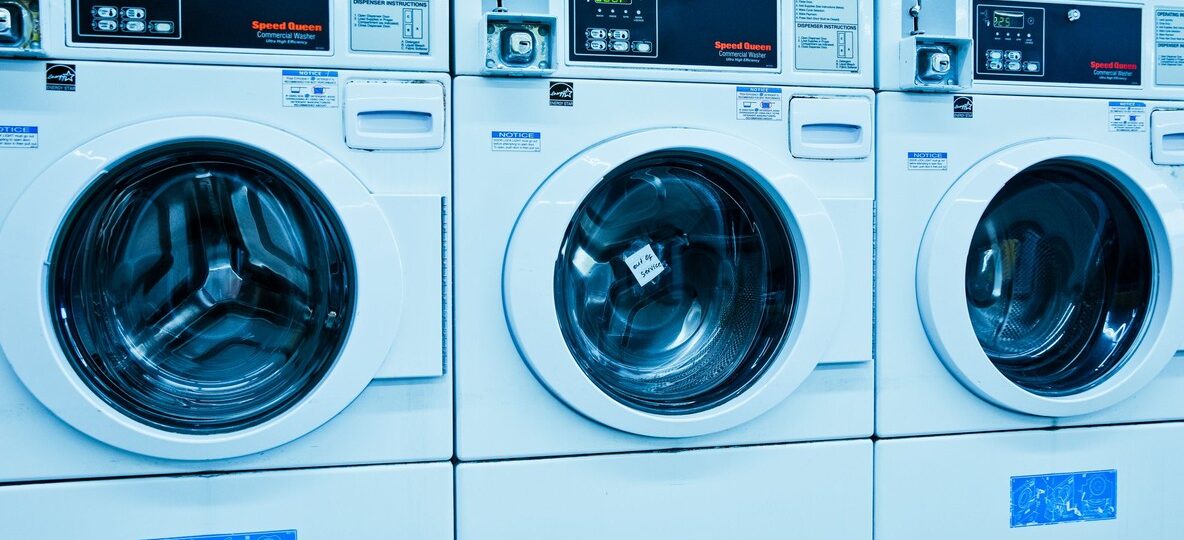
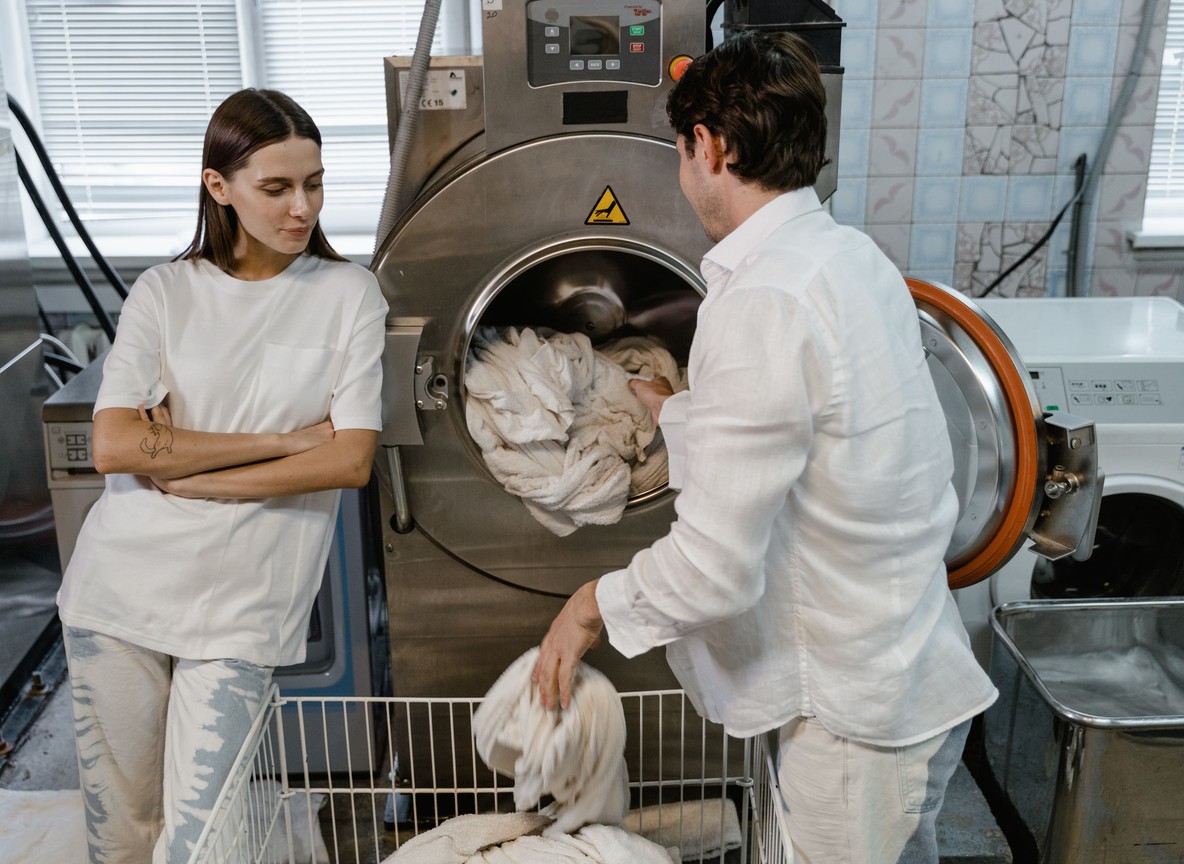
Let the packing anxiety go. Nearly every mid-range and premium safari camp in Kenya offers a laundry service, and at the better properties it is complimentary. You hand in a bag of clothes at breakfast, and they come back clean, dry and folded on your bed by evening turndown. The equatorial sun and dry-season breeze do the heavy lifting, so drying is quick and reliable.
This one fact reshapes your whole suitcase. Instead of packing seven or eight outfits for a week, most travellers do beautifully on three or four, then simply cycle them through the wash. Because so much laundry is included, you pack light, clear the bush-flight scale with room to spare, and never wrestle an overstuffed bag into a tiny Cessna.
Three things are worth knowing before you rely on it, though, and they catch first-timers off guard every season.
- Underwear is usually not machine-washed at camps, for cultural reasons explained below.
- Turnaround needs daylight, so a same-day wash depends on when you hand it in.
- City hotels charge per item, unlike the included service out in the parks.
What Camps Will Happily Wash
For everyday safari clothing, the service is generous and genuinely useful. Hand in your dusty shirts, trousers, socks, buffs and light layers, and they come back fresh. Game-drive dust is relentless on Kenya’s murram roads, so this is not a luxury, it is what keeps a small wardrobe working all week.
Most camps wash by hand or in small machines, then line-dry in the sun. That means natural fabrics like cotton, linen and quick-dry synthetics do best. The neutral safari colours you are told to pack, the khaki, olive and beige, all handle repeat washing without fuss.
Typical items camps wash without a second thought include shirts and t-shirts, trousers and shorts, socks, light fleeces, buffs and scarves, and even sun hats. Hand it in early and it is often dry the same afternoon. ✨
What Camps Won’t Wash (and Why)
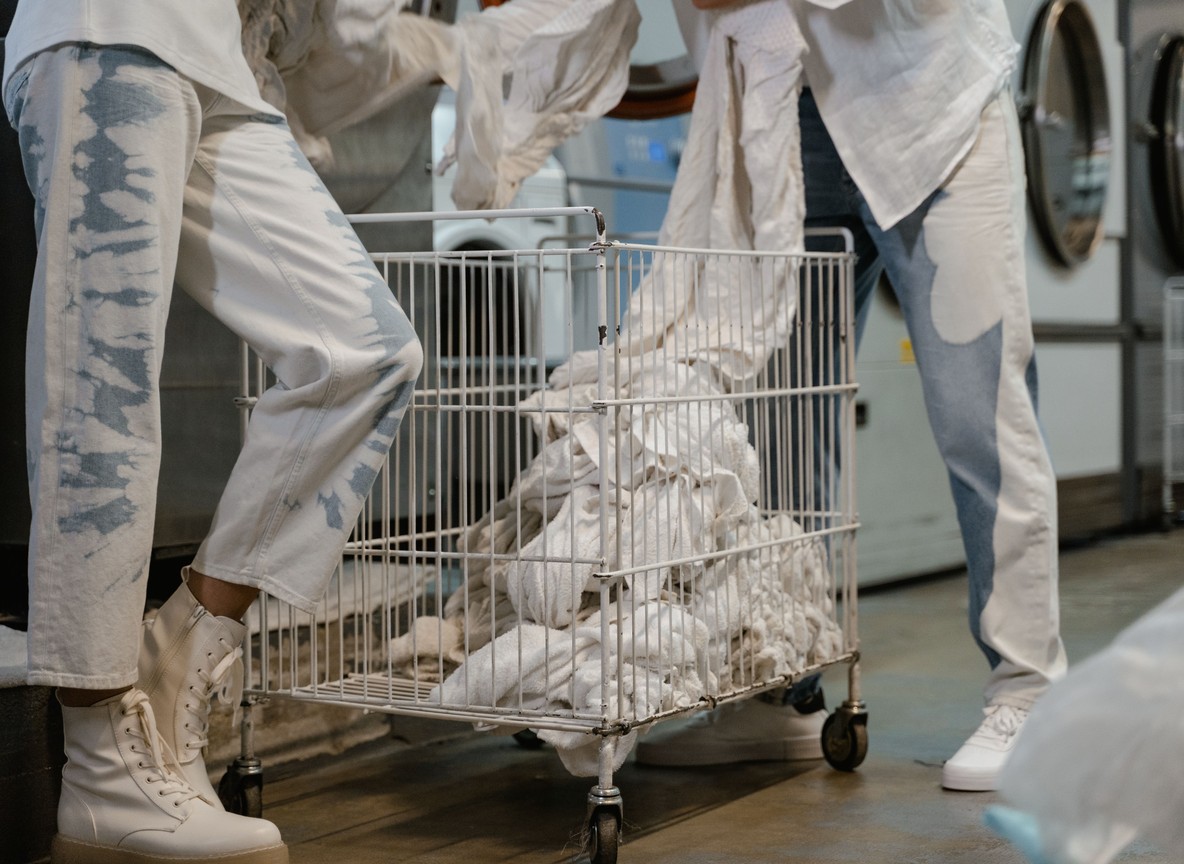
Now the part that surprises people. Most Kenyan safari camps will not machine-wash underwear, bras or socks worn next to the skin. This is not squeamishness or poor service. It is a cultural sensitivity around handling intimate garments, and it is nearly universal across the country’s camps.
What they do instead is thoughtful. Camps almost always leave a small sachet of hand-wash detergent or a bar of soap in your tent, plus a basin or a line, so you can rinse smalls yourself in a couple of minutes and hang them to dry overnight. Bring three or four pairs of quick-dry underwear and this becomes a thirty-second evening habit, not a chore.
A few other limits are worth noting. Delicate items, silk, anything that must not shrink, and technical waterproofs are best kept out of the wash, because hand-washing and line-drying are hard to control precisely. When in doubt, keep it out of the bag and rinse it yourself.
How Fast Is the Turnaround?
Speed comes down to sunlight and timing. The rule almost every camp runs by is simple: hand laundry in at or before breakfast, and it is back clean and dry by the evening. Hand it in after lunch and it may not dry before dark, so it often returns the next morning instead.
Two things slow the wash. The first is rain. During the long rains around April and May, or the short rains in November, line-drying is slower and same-day service is not guaranteed. The second is a single-night stay. If you sleep just one night at a camp before moving on, there may not be enough daylight to wash and return clothes before your transfer, so plan laundry around your longer stops.
The table below sets realistic expectations. These are indicative 2026 patterns across typical Kenyan camps, not fixed promises, so confirm with your specific property.
| Item type | Washed by camp? | Typical turnaround | Notes |
|---|---|---|---|
| Shirts, trousers, socks | Yes | Same day if in by breakfast | Line-dried in the sun |
| Fleeces and light layers | Yes | Same day to next morning | Thicker items dry slower |
| Underwear and bras | Usually no | Self-wash in tent | Soap sachet provided |
| Silk and delicates | No | Not offered | Rinse by hand, air-dry |
| Waterproofs and technical shells | No | Not offered | Wipe clean only |
The Facts That Really Drive Your Packing: Bush-Flight Limits
Here is why packing light is not optional on many Kenya safaris. If your itinerary uses light aircraft between parks, and most classic circuits do, you face a strict luggage limit far below what airlines allow on your international flight. The camps’ generous laundry service is precisely what lets you pack inside these numbers.
Kenya’s two main bush-flight carriers, SafariLink and AirKenya, both fly small Cessna Caravans out of Wilson Airport in Nairobi to airstrips like Musiara and Ol Kiombo in the Maasai Mara. Their rules are firm because of aircraft weight and door size. The figures below are indicative 2026 planning numbers, so confirm current allowances with your operator before you fly.
| Fact | Indicative 2026 figure |
|---|---|
| SafariLink / AirKenya baggage limit | 15 kg (33 lb) per person, including hand luggage |
| Bag type required | Soft-sided duffel only, no hard frames or wheels |
| Maximum bag dimensions | Around 62 cm long, 25 cm wide, 30 cm high |
| Extra weight option | A paid seat may carry surplus, subject to space |
| Wilson Airport to Masai Mara flight | Roughly 45 minutes each way |
| Nairobi to Masai Mara by road (alternative) | About 270 km, 5 to 6 hours |
Read those first two rows twice. A rigid roller case will not fly, and 15 kg has to include your camera bag. This is the single biggest reason travellers over-pack and then panic at Wilson. Lean on the camp laundry and a soft 15 kg bag is easy.
A Light-Packing List That Uses the Laundry
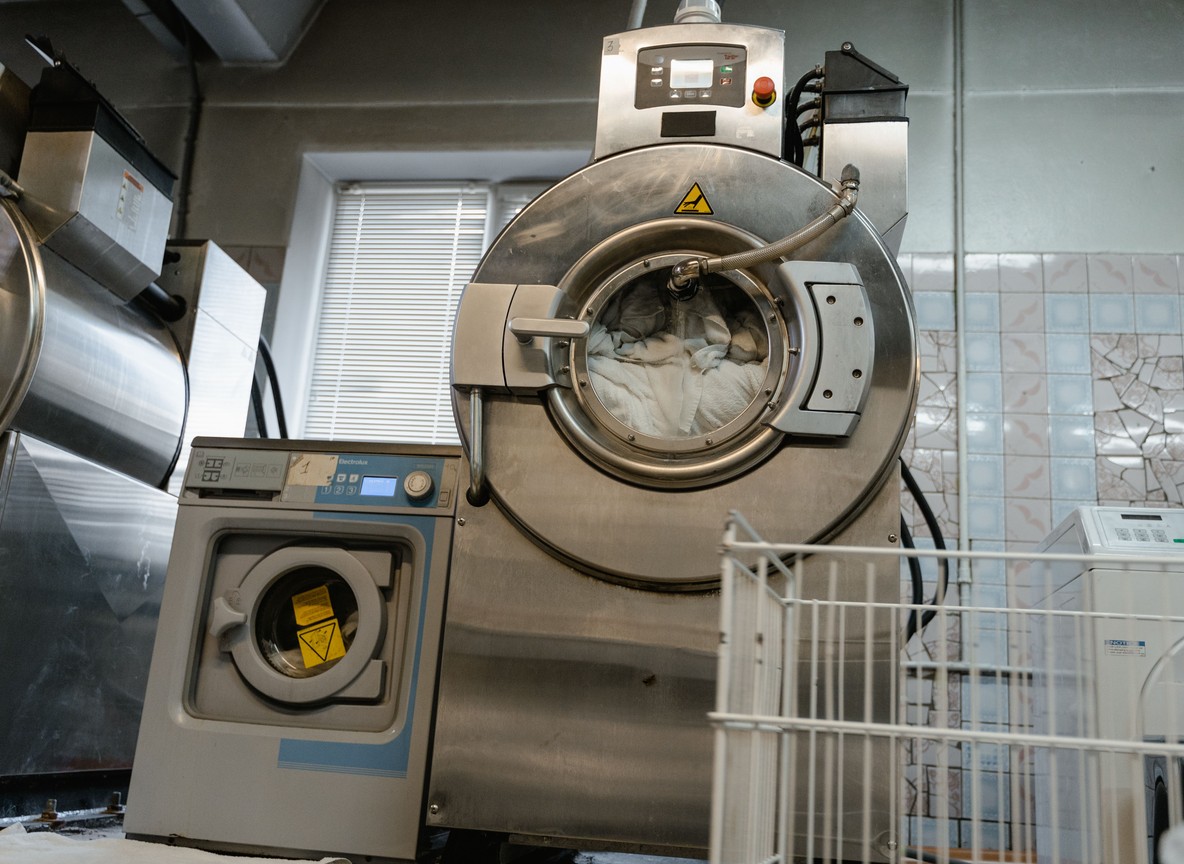
Once you trust the wash, the list gets short. The goal is three to four days of clothing that you cycle through the camp service, all in neutral colours and quick-dry fabrics. Here is the wardrobe that keeps a seven-night safari inside 15 kg with ease.
- Tops: 3 to 4 shirts or t-shirts, one long-sleeve for sun and mosquitoes
- Bottoms: 2 pairs of trousers, 1 pair of shorts, convertible styles save space
- Layers: 1 warm fleece and 1 light windproof for cold dawn drives
- Underwear and socks: 4 pairs each, quick-dry, self-washed in the tent
- One smart-casual outfit for dinner at the nicer lodges
- Extras: wide-brim hat, buff for dust, swimsuit if your camp has a pool
Notice what is missing. You do not pack a fresh shirt for every day, because the laundry cycle covers you. Rolling clothes rather than folding saves room, and a compression cube or two keeps the soft bag neat and under the limit.
The Trunktrails Advantage: We Pack You Right Before You Fly
Trunktrails Safaris is a native Kenyan-owned operator, and the small logistics like laundry and luggage are exactly where local knowledge saves your trip. When you book tours and safaris with us, we tell you in advance which camps on your route offer complimentary laundry, which charge, and how the timing works around your specific nights, so you never guess. 🐘
Because we build itineraries here every day, we know the bush-flight rules cold. We tell you the real 15 kg soft-bag limit for your exact SafariLink or AirKenya legs, we flag the single-night stops where laundry will not turn around in time, and we help you plan the wash around your longer camps. That is the difference between arriving at Wilson Airport relaxed and being told at the scale that your bag cannot board.
We also brief you on the underwear custom before you land, so nobody is caught out, and we make sure your tent has soap for smalls. It is a quiet kind of service, the sort that only comes from a team who lives with these camps and these airstrips season after season. Planning tours and safaris with people who pack Kenyan travellers every week means you carry less, stress less and spend your energy on the wildlife. 📸
Your Next Step: Pack Light, Travel Free
A Kenya safari is far more fun when your bag is light, your clothes are clean and your soft duffel slides onto the plane without a second look. Trust the camp laundry, pack three or four cycling outfits, rinse your own smalls, and keep everything inside 15 kg of soft-sided bag. Do that and packing stops being a worry and starts being easy. 🦁
Talk to Trunktrails Safaris before you finalise your bag, and we will map the laundry stops, the bush-flight limits and a packing list built around your exact route and dates.
Further reading
More safari planning resources
- Nairobi to Maasai Mara route guide from Valley Safaris
- Best time to visit Kenya on Touring Insights
- Masai Mara destination guide on FindMySafari
- Best time to visit Kenya month-by-month map from Valley Safaris
- WhatsApp: +254 113 208888
- Email: info@trunktrailssafaris.com
- Web: trunktrailssafaris.com
Message us today and let us plan tours and safaris where the only heavy thing you carry home is a camera full of memories. 🌅