Tracking Rhinos on Foot: Kenya’s Walking Safari Sanctuaries
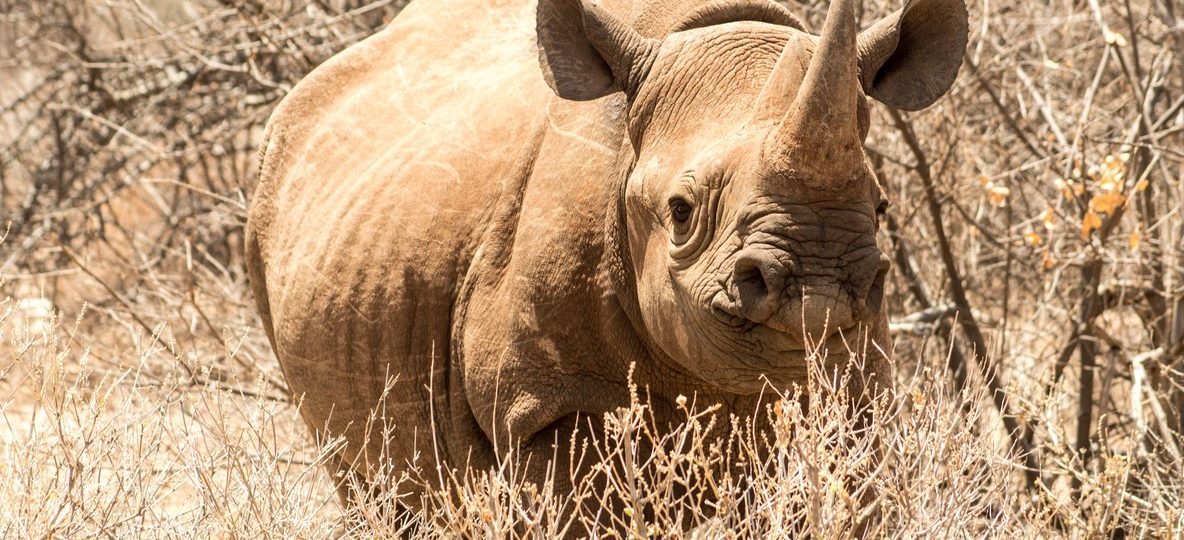
Rhino tracking on foot in Kenya puts you on the ground with an armed ranger and a professional tracker. You follow fresh footprints instead of watching from behind a vehicle windscreen. You read dung age, measure a print in the dust, and close the distance slowly against the wind. A two-tonne black rhino finally comes into view at 30 to 50 meters. It is one of the last walking encounters left with a megaherbivore anywhere in Africa. 🦏
A handful of private and community conservancies in Kenya’s Laikipia and Samburu regions run this activity properly. They use trained trackers and strict safety protocols. Trunktrails Safaris builds walking safari itineraries around these specific sanctuaries. Rhino tracking on foot only works where rhino density, terrain, and ranger training all line up.
Where Rhino Tracking on Foot Actually Happens
Not every rhino sanctuary in Kenya permits walking activity. Vehicle-based viewing remains the default in most parks because of liability and terrain. Four conservancies stand out for organized, guide-led rhino tracking on foot, each with a different rhino population and landscape.
| Sanctuary | Location | Size | Rhino Population (approx.) | Walking Rhino Tracking |
|---|---|---|---|---|
| Lewa Wildlife Conservancy | Laikipia, north of Mount Kenya | 250 km2 (62,000 acres) | 170+ black and white rhino combined | Yes, guided on-foot tracking with armed ranger |
| Borana Conservancy | Laikipia, adjoining Lewa | 130 km2 (32,000 acres) | 40+ black rhino, growing population | Yes, dedicated rhino tracking walks |
| Ol Pejeta Conservancy | Laikipia, near Nanyuki | 364 km2 (90,000 acres) | 160+ black rhino, largest black rhino sanctuary in East Africa | Yes, rhino tracking on foot as a paid activity |
| Solio Ranch | Between Nyeri and Nyahururu | 71 km2 (17,500 acres) | High-density black and white rhino breeding sanctuary since the 1970s | Limited, mostly vehicle-based, some foot access on request |
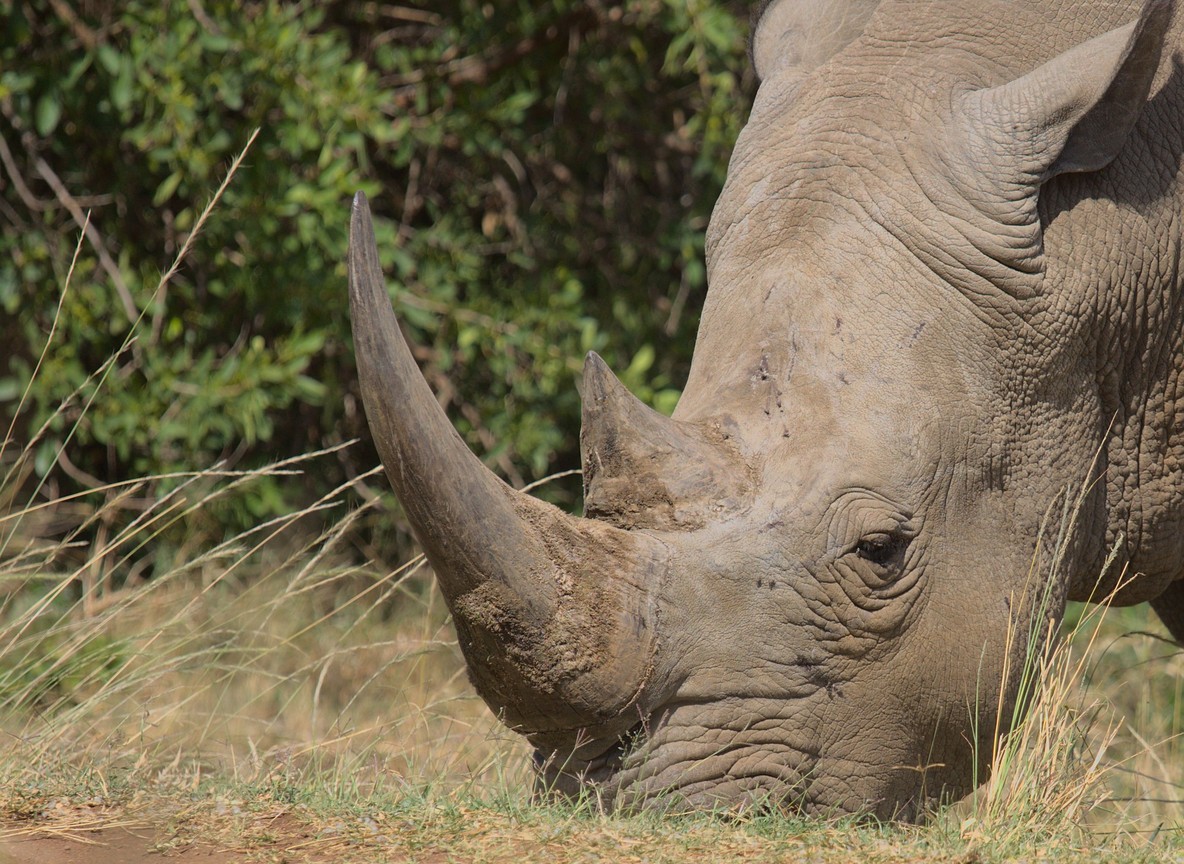
Lewa and Borana dropped the fence between their two conservancies in 2016. This created a combined rhino landscape of roughly 93,000 acres. Trunktrails Safaris routes most walking rhino itineraries through this combined ecosystem. It pairs the highest guided-tracking availability with some of the best rhino density in Kenya.
Getting There: Real Distances and Flight Times
Laikipia sits north of Mount Kenya, reachable by road or scheduled air from Nairobi. Distances and drive times below are approximate and vary with road conditions.
| Route | Distance | Drive Time | Flight Time |
|---|---|---|---|
| Nairobi to Lewa Airstrip | Approx. 230 km by road | 4.5 to 5 hours | Approx. 45 minutes (Wilson Airport) |
| Nairobi to Ol Pejeta / Nanyuki | Approx. 200 km by road | 3.5 to 4 hours | Approx. 40 minutes (Wilson Airport) |
| Nairobi to Solio Ranch | Approx. 180 km by road | 3 to 3.5 hours | No direct scheduled airstrip, fly to Nanyuki then road transfer |
| Lewa to Borana Conservancy (internal transfer) | Approx. 15 km | 20 to 30 minutes | Shared airstrip access |
Scheduled bush flights run daily between Wilson Airport in Nairobi and both Lewa and Nanyuki airstrips. Operators such as Safarilink and AirKenya cover this route. Road transfers use the Nairobi to Nyeri to Nanyuki highway. Most of the route is tarmacked, with a final unpaved stretch into most conservancy gates.
What a Rhino Tracking Walk Actually Involves
A typical rhino tracking walk starts before sunrise, when tracks from the previous night are freshest. The air is cool enough for a two to three hour walk. Your ranger carries a rifle as standard safety protocol, required by every conservancy running this activity. A professional tracker reads spoor, dung, and browse marks to estimate how recently a rhino passed through.
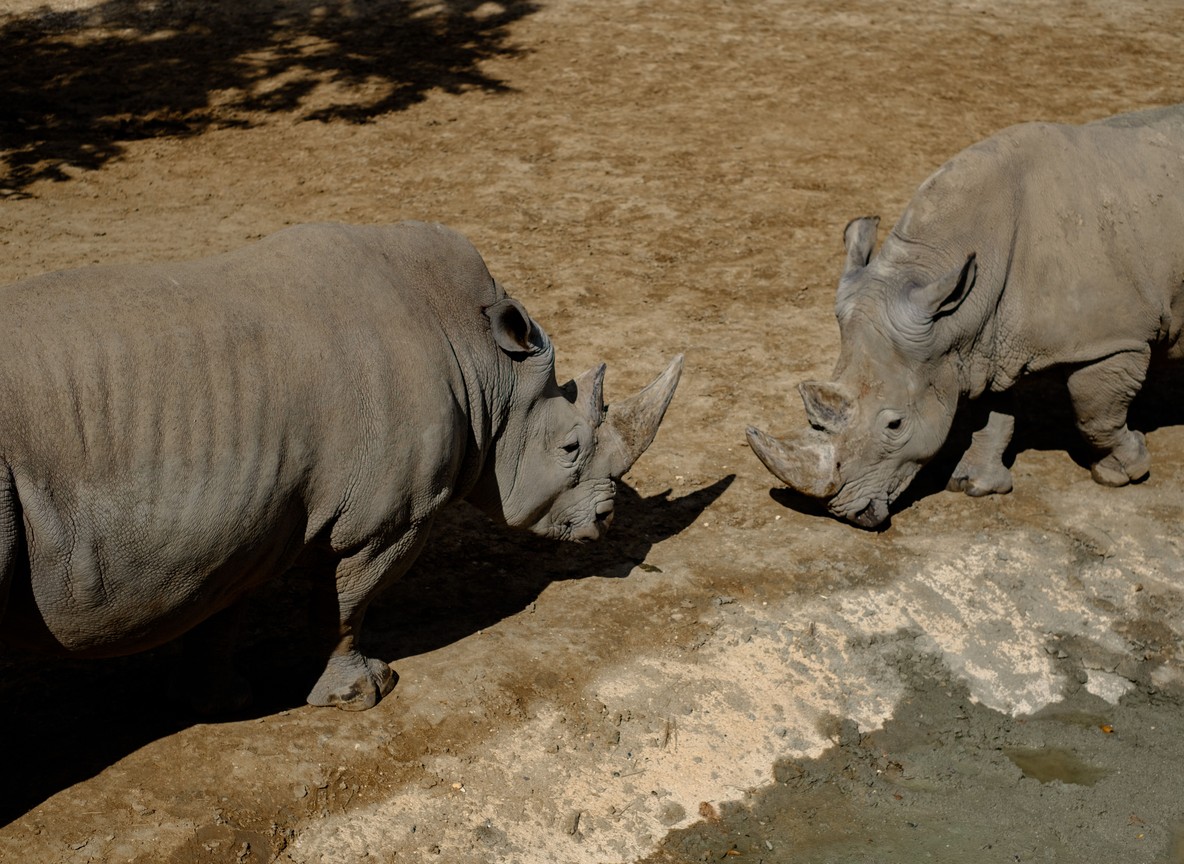
Trackers keep the group downwind and approach in a slow, deliberate line. They stop well short of the animal, typically at 30 to 50 meters, depending on the rhino’s temperament and the terrain. Black rhino are more solitary and can be more reactive than the sociable white rhino. Most walking encounters at Ol Pejeta and Lewa involve extra caution around black rhino sightings. Guides brief every guest beforehand on how to stand still, stay quiet, and retreat calmly if a rhino turns toward the group.
Fitness requirements are moderate. Most tracking walks cover 3 to 6 km over uneven bush terrain, sometimes longer if a rhino has moved far from its last known location. Conservancies typically set a minimum age of 12 to 16 years for walking activities. Confirm the specific policy with your sanctuary before booking a family walk.
Fees and Booking Notes
Conservancy fees and activity charges below are indicative planning ranges. Kenya’s conservancies review rates periodically, so Trunktrails Safaris confirms current pricing before every booking.
| Cost Item | Indicative Range (USD) | Notes |
|---|---|---|
| Ol Pejeta Conservancy day entry (non-resident) | 90 to 100 per adult, per day | Often bundled into camp rates |
| Ol Pejeta rhino tracking on foot activity | 50 to 100 per person, added to entry fee | Subject to ranger and tracker availability |
| Lewa / Borana conservancy fee | 100 to 130 per day | Usually bundled into camp bed-night rate |
| Solio Ranch day visit fee | 50 to 70 per person | Access typically arranged through a nearby lodge |
| Dedicated rhino tracking guide/tracker supplement | 30 to 60 per person | Varies by conservancy and group size |
Most camps inside Lewa, Borana, and Ol Pejeta fold the conservancy fee into the nightly rate. The tracking activity itself is billed separately. Booking through a tours and safaris operator that itemizes these fees means you know exactly what funds ranger salaries and anti-poaching patrols, versus what covers accommodation.
Best Time of Year for Rhino Tracking
Rhino tracking on foot runs year-round across Laikipia, but visibility and tracking conditions shift with the seasons. The dry months of June through October and January through March give trackers cleaner spoor and shorter grass. This makes closing the final distance to a rhino easier to manage safely. The long rains from March through May can make bush terrain heavier going and tracks harder to read. Many conservancies still run the activity with adjusted routes during this period.
Early morning departures, typically between 6:00 and 6:30 am, take advantage of cooler temperatures. Fresher overnight tracks are easier to follow before the midday heat pushes rhino into shade.
Rhino Tracking on Foot vs. Vehicle-Based Rhino Viewing
| Factor | Walking Rhino Tracking | Vehicle-Based Viewing |
|---|---|---|
| Distance to animal | 30 to 50 meters, guide-set | Often 10 to 20 meters from a vehicle |
| Physical demand | Moderate, 3 to 6 km on foot | Low, seated throughout |
| Sense of scale and behavior reading | High, you read tracks and terrain yourself | Lower, animal often already located |
| Availability | Limited to conservancies with trained trackers | Widely available across most parks and reserves |
| Typical cost | Higher, separate tracking fee applies | Included in standard game drive |
| Minimum age | Usually 12 to 16 years | Usually no minimum |
Neither approach replaces the other. Most Trunktrails Safaris itineraries pair a morning rhino tracking walk with an afternoon game drive. Guests get both the on-foot encounter and broader wildlife viewing across the same conservancy.
Community-Owned Rhino Ground: Sera Sanctuary
Northeast of Laikipia in Samburu County, Sera Rhino Sanctuary sits inside the Namunyak Community Conservancy. It became the first community-owned and managed black rhino sanctuary in East Africa when it began receiving translocated rhino in 2015. It sits roughly 340 km from Nairobi, reachable by road in 6 to 7 hours or by scheduled flight to Samburu airstrip in around an hour. Sera offers a genuinely different model. Local Samburu rangers, trained as trackers, run the entire operation. Tourism revenue funds the community conservancy directly rather than a private landholding.
Access to Sera is more limited than Lewa or Ol Pejeta. Visits are typically arranged well in advance through a specialist tours and safaris operator with an existing conservancy relationship.
The Trunktrails Advantage
Trunktrails Safaris is a Kenyan-owned tours and safaris operator with direct relationships across the Lewa-Borana ecosystem, Ol Pejeta Conservancy, and the Sera community sanctuary in Samburu. We do not sell rhino tracking as a generic add-on. Every itinerary is built around confirmed tracker and ranger availability at the specific conservancy you choose. A walking rhino encounter depends entirely on trained staff being on the ground that day.
We itemize conservancy fees and tracking supplements before you book, so there is no guesswork about where your money goes. Our guides brief every guest on safety protocol before the first step into the bush. We match the physical demands of each walk to your group’s fitness level and the ages of any younger travelers. As a Kenyan-owned tours and safaris company, Trunktrails Safaris also channels a share of every conservancy booking back into the ranger and community partnerships that keep these rhino populations growing. 🐘
Plan Your Rhino Tracking Walk
Rhino tracking on foot is not something you improvise at the gate. It takes a conservancy with trained trackers, a ranger on shift, and an operator who books the activity in advance rather than hoping a slot opens up.
Tell our tours and safaris team which conservancy interests you: Lewa, Borana, Ol Pejeta, or the community-run Sera Sanctuary. Let us know how many days you have. We will build a walking safari itinerary with confirmed tracking slots, transparent fees, and a pace that suits your group.
Further reading
More safari planning resources
- Ol Pejeta and Sweetwaters safari package from Valley Safaris
- Samburu National Reserve guide on Touring Insights
- Big Five safari collection on FindMySafari
- Nairobi to Maasai Mara route guide from Valley Safaris
WhatsApp: +254 113 208888 Email: info@trunktrailssafaris.com Website: https://trunktrailssafaris.com
Tracker and ranger slots for rhino walks are limited per conservancy per day. Lock in your Trunktrails Safaris dates now before the dry season books out. ✨