Northern White Rhino IVF: Inside Ol Pejeta’s Race to Save a Species 🦏
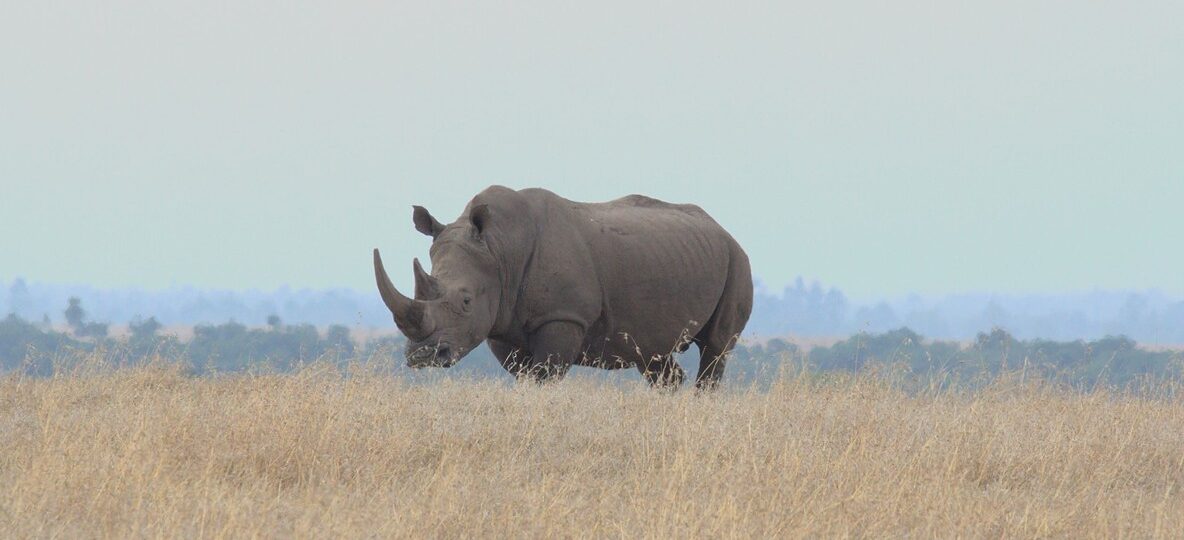
Northern white rhino IVF is one of the boldest conservation projects on Earth, and it is happening right here in Kenya. At Ol Pejeta Conservancy in Laikipia, scientists are working to bring back a species that has, in practical terms, already gone. Only two northern white rhinos are left alive, both female, and both live at Ol Pejeta under armed guard every hour of every day. At Trunktrails Safaris we plan tours and safaris to this conservancy, and we watch this story closely because it may be the most important thing our wildlife tourism ever supports.
This guide explains how the science works, who the two remaining rhinos are, what has already been achieved, and how you can visit responsibly. We include real numbers, named places, and honest limits so you can plan a meaningful trip. ✨
Why Northern White Rhino IVF Matters Now
The northern white rhino once roamed across parts of Uganda, Chad, Sudan, the Central African Republic, and the Democratic Republic of Congo. War, habitat loss, and heavy poaching for horn wiped out wild populations. By 2008 the subspecies was gone from the wild. Sudan, the last living male, died at Ol Pejeta in March 2018 at the age of 45.
His death left only two animals: his daughter Najin and his granddaughter Fatu. Neither can carry a pregnancy safely. Najin, born in 1989, is old and has weak back legs. Fatu, born in 2000, has a damaged uterus. So natural breeding is impossible. The only remaining path runs through the laboratory, and that is why northern white rhino IVF exists. It is a last chance built entirely on science.
Najin and Fatu: The Last Two Northern White Rhinos
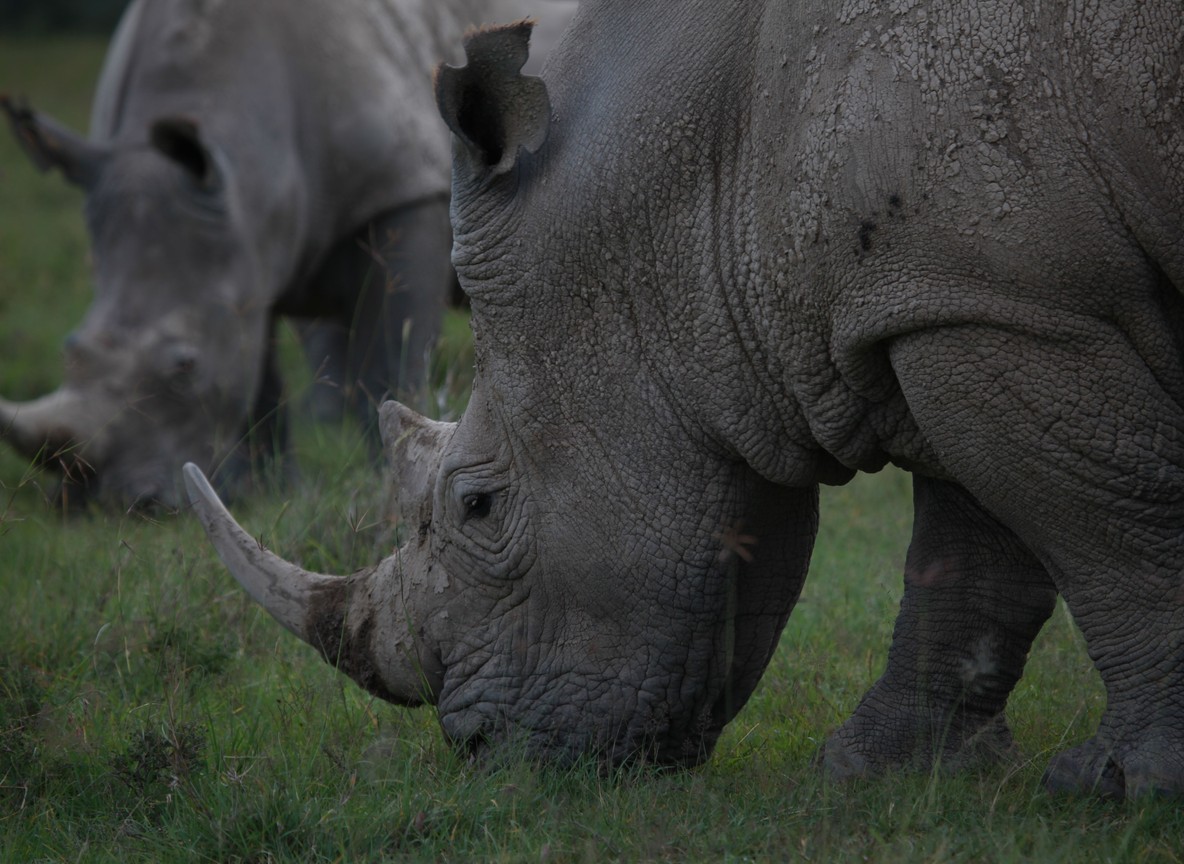
Najin and Fatu are the heart of this whole effort. They graze a large enclosure at Ol Pejeta and are guarded by a dedicated team around the clock. Their keepers know them by temperament, not just by name. Fatu is stronger and more assertive, so she is the source of the precious eggs. Najin has been retired from egg collection because of her age and health.
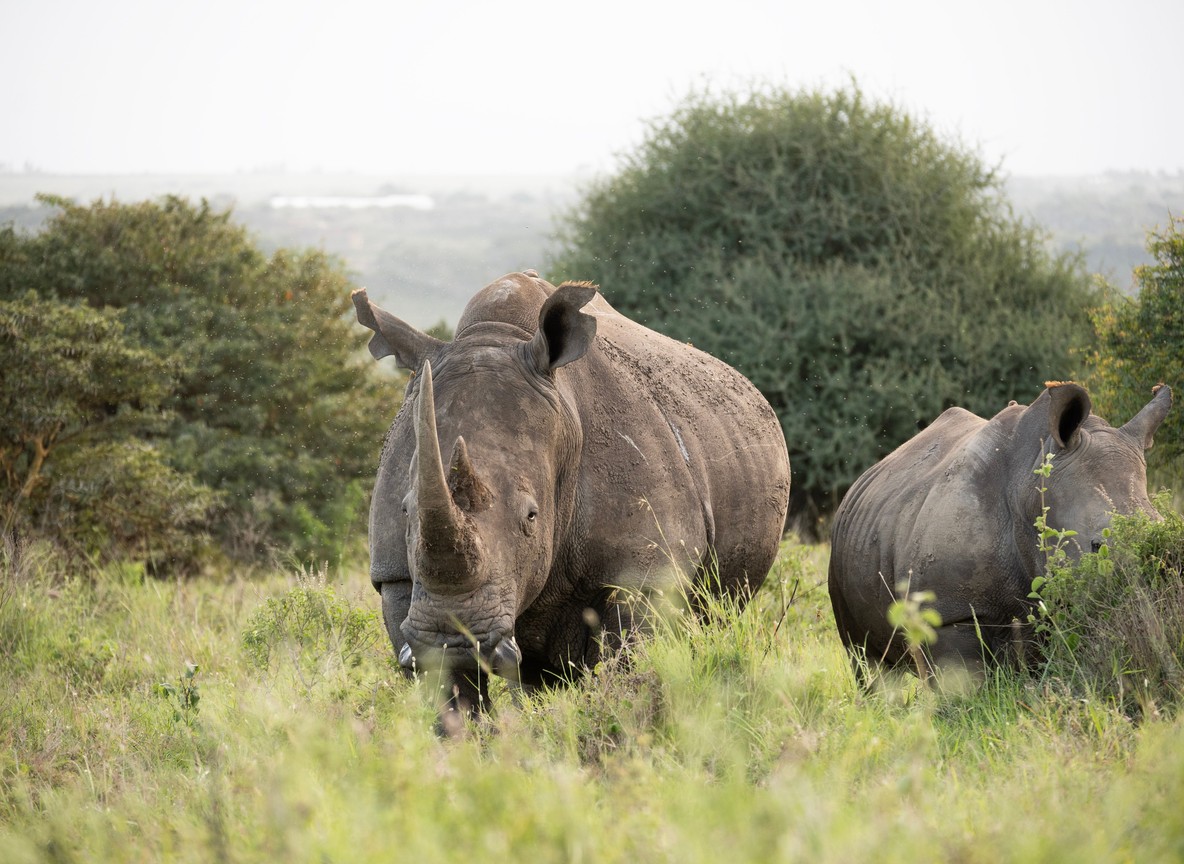
Because the two females cannot carry calves, the plan uses southern white rhino females as surrogate mothers. Southern white rhinos are a close relative and far more numerous, with roughly 15,000 to 17,000 left. A healthy southern white surrogate would carry a northern white embryo to term, and the calf would be raised alongside Najin and Fatu so it learns the behaviour of its own kind. That last step matters as much as the biology.
How the Science Works, Step by Step
The programme is led by BioRescue, an international consortium of scientists and conservationists working with Ol Pejeta and the Kenya Wildlife Service. The process is careful, slow, and repeated many times. Here is the plain version.
- Eggs, called oocytes, are collected from Fatu under general anaesthetic using a long ultrasound-guided probe.
- The eggs travel by air to a specialist laboratory in Italy within hours.
- There they are fertilised with frozen sperm collected from northern white males that have since died, including Suni and Saut.
- Successful fertilisations grow into embryos, which are frozen in liquid nitrogen for safe storage.
- A southern white rhino surrogate is prepared, and an embryo is transferred into her to begin a pregnancy.
Each egg collection is a major operation. The team has built up a bank of pure northern white rhino embryos, around 30 by recent counts, each one a genuine chance at a future calf. Because Najin and Fatu are so closely related, scientists are also working on stem cell techniques to widen the gene pool later, using preserved tissue from other northern whites.
What Has Already Been Achieved
This is not just a plan on paper. BioRescue has proven that the hardest steps can work. In 2023, the team completed the first successful embryo transfer in a rhino, placing a southern white embryo into a southern white surrogate named Curra at Ol Pejeta. A pregnancy was confirmed, which showed the transfer method itself is sound.
Sadly, Curra died from a clostridia infection caught from flooding, before the pregnancy could go further, and the male embryo was lost with her. It was a hard loss, yet it delivered a vital lesson: the technique works, and the biology is real. The next milestone is to transfer a pure northern white rhino embryo into a proven surrogate and carry it to a live birth. Scientists have said a northern white calf could arrive within a few years if the steps continue to hold. There are no guarantees, and the team is honest about that.
Ol Pejeta at a Glance: Facts for Planning a Visit
Ol Pejeta Conservancy is not only a laboratory story. It is a working conservancy you can visit, and your entry fees help fund this exact work. Here are the practical facts you need. Treat all prices as indicative ranges and confirm current figures with us or the conservancy before you book, because rates are reviewed each year.
| Ol Pejeta fact | Detail |
|---|---|
| Location | Laikipia County, central Kenya |
| Size | About 360 km2 (around 90,000 acres) |
| Distance from Nairobi | Around 200 km north |
| Drive time | About 3.5 to 4 hours via Nanyuki |
| Flight time | About 30 to 40 minutes to Nanyuki airstrip |
| Non-resident conservancy fee (indicative) | Around 100 to 110 USD per adult, per day |
| Northern white rhinos alive | 2 (Najin and Fatu) |
| Total rhinos on the conservancy | Around 200, including black rhinos |
| Other draws | Chimpanzee sanctuary, Big Five, night game drives |
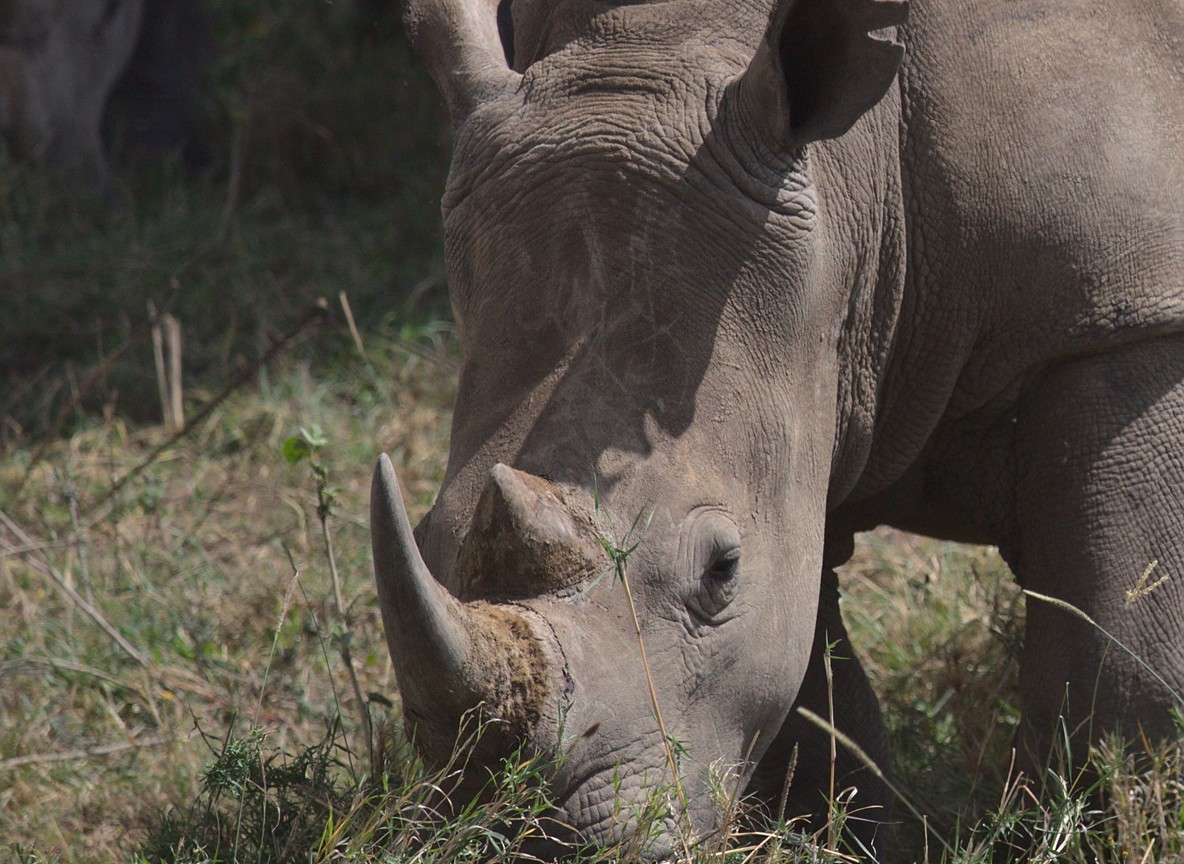
Ol Pejeta is the largest black rhino sanctuary in East Africa, so a visit gives you far more than the two northern whites. You can also meet rescued chimpanzees at the Sweetwaters Chimpanzee Sanctuary, the only place in Kenya to see them.
Comparing Your Rhino Experiences at Ol Pejeta
Not every traveller wants the same thing. Some come only to stand near Najin and Fatu. Others want a full Big Five safari with the rhino story woven in. This table compares the main ways to experience the conservancy so you can match the trip to your goals.
| Experience | What you get | Best for | Typical time needed |
|---|---|---|---|
| Northern white rhino visit | Guided time near Najin and Fatu with a keeper talk | Conservation-focused travellers | 1 to 2 hours |
| Black rhino tracking drive | Game drive to spot wild black and southern white rhinos | Wildlife photographers | Half day |
| Full Big Five safari | Lion, elephant, buffalo, leopard, and rhino across the conservancy | First-time safari guests | 1 to 2 days |
| Chimpanzee sanctuary add-on | Visit to rescued chimps at Sweetwaters | Families and repeat visitors | 1 to 2 hours |
Most of our guests combine two or three of these. A single overnight lets you track rhinos at dawn, meet the northern whites mid-morning, and still fit a chimp visit before lunch.
Where to Stay Near the Rhinos
Ol Pejeta has good lodges and camps at a range of budgets, so you can sleep inside the conservancy and wake up to game near your veranda. Sweetwaters Serena Camp sits beside a floodlit waterhole where animals come to drink at night. Ol Pejeta Bush Camp offers a smaller, more intimate riverside stay. Kicheche Laikipia Camp is a quiet luxury option among the trees. Budget travellers can use the public campsites or the Pelican House guesthouse. Staying on the conservancy cuts your morning drive to the rhino enclosure to just a few minutes, which means better light and fewer crowds.
The Trunktrails Advantage
At Trunktrails Safaris we are a native Kenyan-owned operator, and Laikipia is part of our home ground. When you book your Ol Pejeta trip through us, you get more than a vehicle and a driver.
- A guide who knows the conservancy team and can time your visit around the rhino keeper talks.
- Honest advice on what the northern white rhino IVF project can and cannot promise, with no hype.
- Routes that pair Ol Pejeta with Mount Kenya, Samburu, or the Masai Mara for a fuller journey.
- Direct support for conservation, since your conservancy fees fund the guarding and science.
- Flexible planning by WhatsApp so you can adjust dates, lodges, and pace with ease.
We have run tours and safaris across Kenya for years, and we treat the rhino story with the seriousness it deserves. Our tours and safaris are built to get you close to the work, brief you well, and make sure your visit leaves the conservancy stronger. 🌍
Visiting Responsibly: What to Keep in Mind
Najin and Fatu are elderly, and their wellbeing comes first. Visits are managed, quiet, and respectful. You will keep a safe distance, follow the keepers, and avoid flash photography. Bring binoculars and a zoom lens for the best images, and dress in muted colours. Book ahead, because rhino visit slots are limited to protect the animals. Ask us about the best months too, as Laikipia stays cooler and greener than the lower parks, with light rain around April and November.
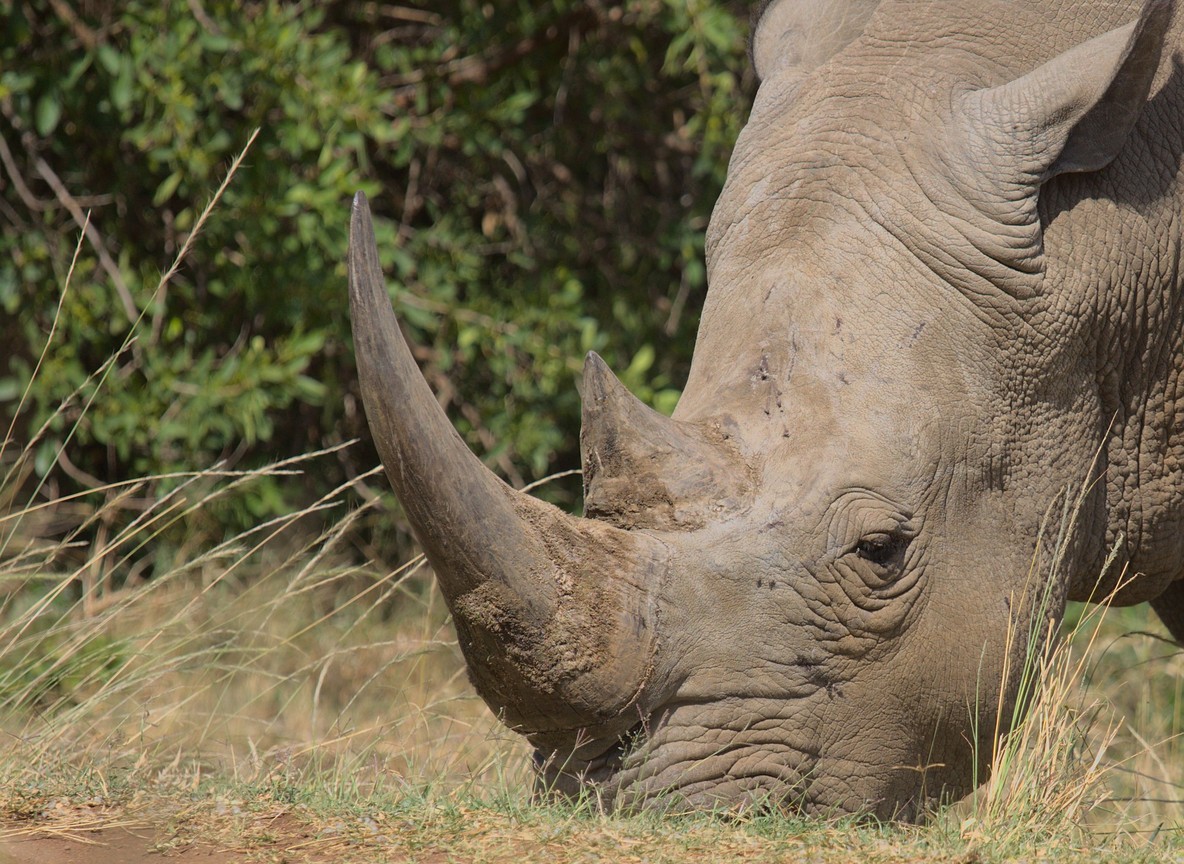
Every guest who comes to see the last two northern white rhinos adds weight to the argument that living wildlife is worth more than horn. That is the quiet power of this trip. You are not just watching a rescue. You are helping to fund it. 📸
Stand With the Last Two: Plan Your Ol Pejeta Trip
The northern white rhino IVF project is a race against time, and Ol Pejeta is where it is being won or lost. You can be part of the story that keeps it going. Let us build you a trip that puts you beside Najin and Fatu, tracks black rhinos at dawn, and supports the science that could bring this species back.
Further reading
More safari planning resources
- Ol Pejeta and Sweetwaters safari package from Valley Safaris
- Big Five safari parks guide on Touring Insights
- Big Five safari collection on FindMySafari
- Nairobi to Maasai Mara route guide from Valley Safaris
Message the Trunktrails Safaris team today on WhatsApp at +254 113 208888, email us at info@trunktrailssafaris.com, or visit trunktrailssafaris.com to start planning your Ol Pejeta rhino journey. The last two are waiting, and time is short. 🐘