Kenya Safari in July: Peak Migration Arrival Across Every Park 🦁
A Kenya safari in July is one of the finest weeks of the whole travel year. This is the month the Great Migration crosses out of Tanzania and pours into the Masai Mara, and the first Mara River crossings begin. Across the rest of the country the dry season holds firm, so grass is short, water is scarce, and animals gather where you can find them. At Trunktrails Safaris we run tours and safaris through every park in this window, and this guide gives you real numbers, named camps, and a park-by-park plan so you book the right dates for what you most want to see.
July is peak season for good reason. Below we break down the weather, the migration timing, the costs, and which parks reward you most this month.
July Weather: Why the Dry Season Makes the Difference
July sits in the heart of Kenya’s long dry season, which runs from late June through October. Rain is rare, the air is cool and clear, and the bush thins out. For a safari, this is close to ideal. Thin vegetation means animals have nowhere to hide, and shrinking waterholes pull wildlife into tight, predictable gatherings.
Expect warm days and genuinely cool mornings. Daytime highs in the Masai Mara sit around 25 to 27 degrees Celsius, while dawn game drives can start near 10 to 12 degrees. Coastal and low-lying parks such as Tsavo and Amboseli run warmer. The cool, dry air also lifts cloud off Mount Kilimanjaro, so Amboseli delivers some of its sharpest mountain views of the year.
| July fact | Detail |
|---|---|
| Season | Long dry season, peak game viewing |
| Masai Mara day temperature | About 25 to 27 degrees Celsius |
| Masai Mara dawn temperature | About 10 to 12 degrees Celsius |
| Rainfall | Low, occasional light morning mist |
| Migration status | First herds arrive, early Mara River crossings begin |
| Demand and price | Peak season, book early |
The one trade-off is crowds. July is popular, so the best camps fill months ahead. Planning early is the single most useful thing you can do for a July trip.
The Great Migration Arrives: What to Expect in the Mara
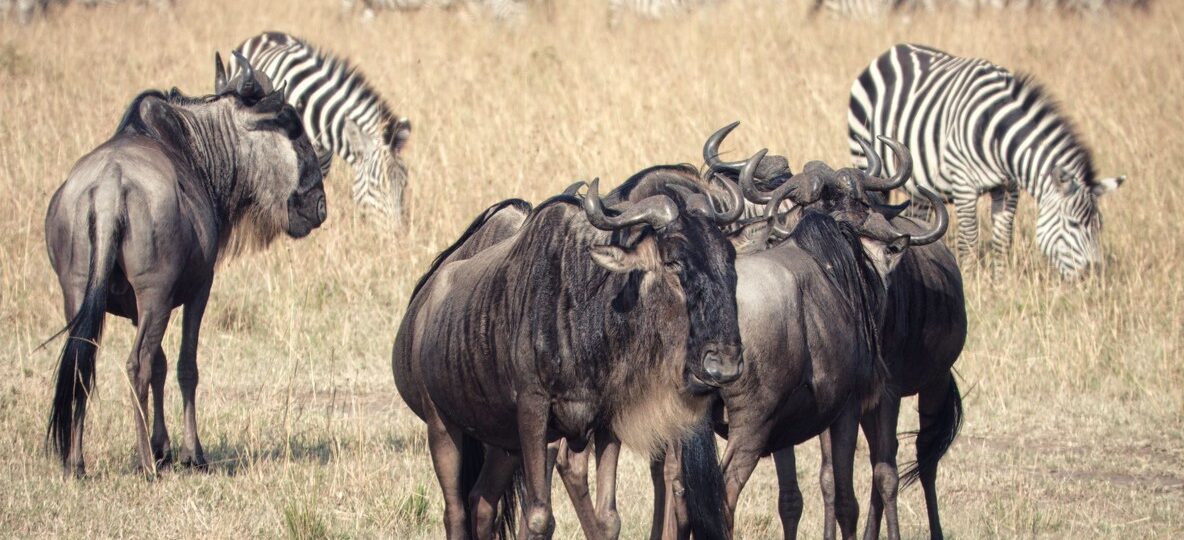
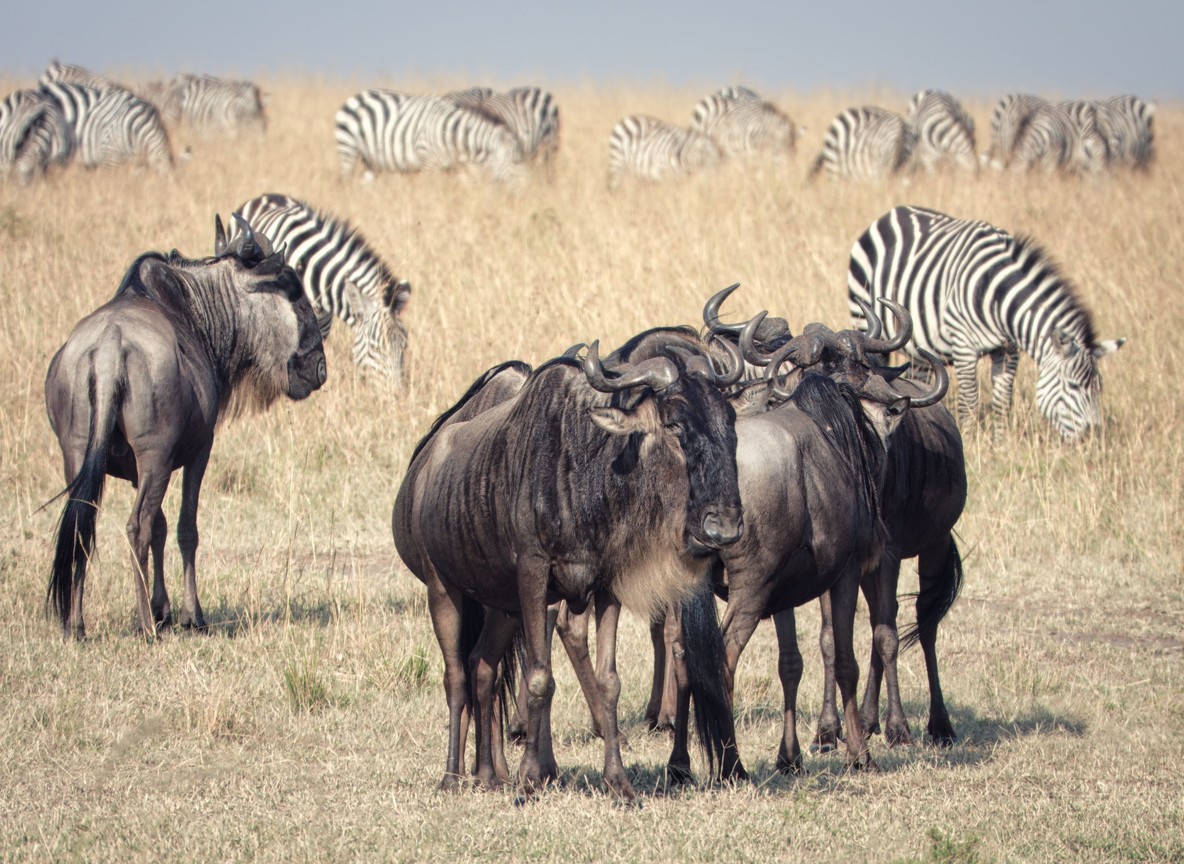
The headline event of a Kenya safari in July is the arrival of the Great Migration. Around 1.5 million wildebeest, joined by hundreds of thousands of zebra and gazelle, move north from Tanzania’s Serengeti and begin crossing the Mara River into Kenya. The first crossings usually start in mid to late July, though nature keeps its own calendar and exact dates shift each year.
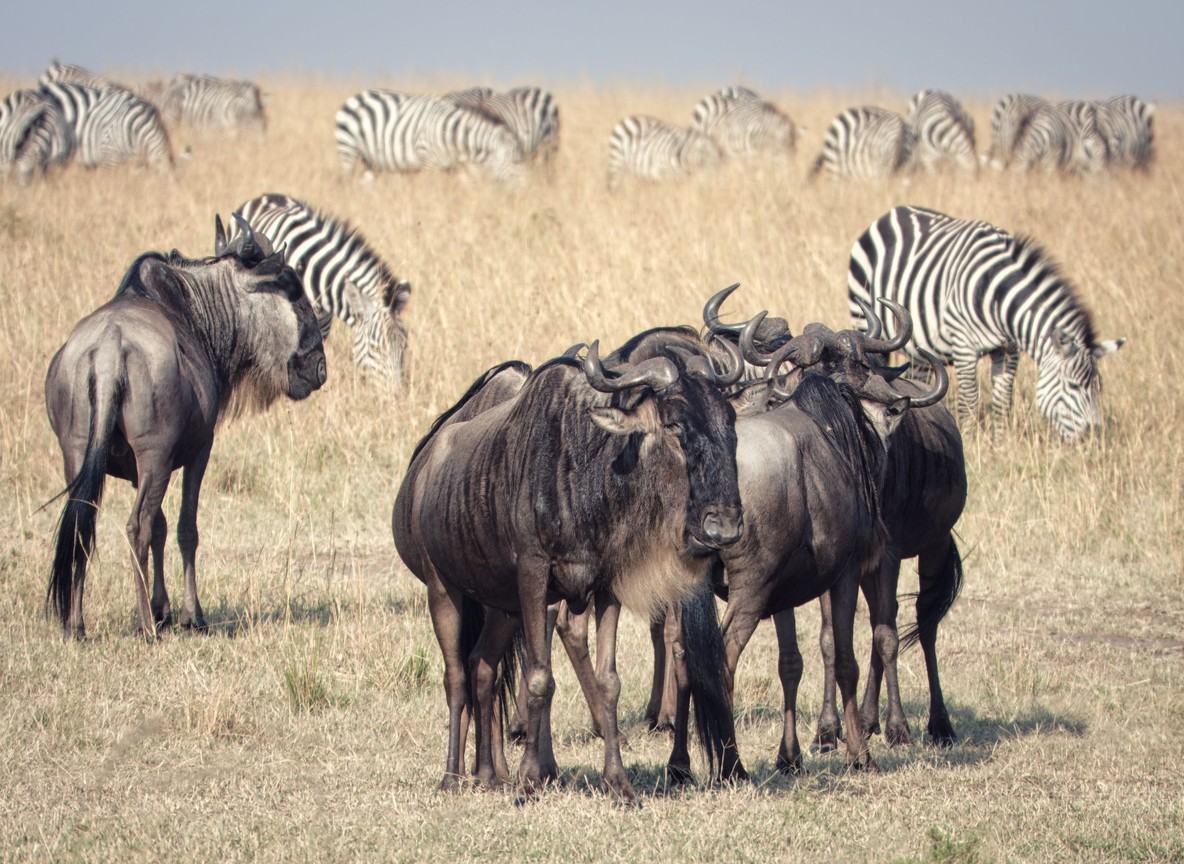
The crossings are the drama people travel across the world to witness. Herds mass on the riverbank, hesitate, then plunge through crocodile-filled water in a churning rush. The greatest concentrations gather near the Mara Triangle in the west and along the Talek and Sand River sectors. Because the herds move, a good guide who tracks their position daily is worth more than any fixed itinerary.
Predators follow the herds, so July is also prime time for lion, cheetah, leopard, and spotted hyena. The Mara holds one of the highest lion densities in Africa, and the extra prey makes hunts more frequent and easier to find.
Best Parks for a Kenya Safari in July: A Comparison
The Mara steals the spotlight, but July rewards travellers across the country. Here is how the main parks compare this month, with real distances, fees, and drive or flight times to help you plan a route.
| Park | Distance from Nairobi | Access | Non-resident fee (indicative) | July highlight |
|---|---|---|---|---|
| Masai Mara | About 270 km southwest | 5 to 6 hr drive or 45 min flight to Keekorok | Around 100 USD per adult, per day | First river crossings and big cats |
| Amboseli | About 240 km southeast | 4 to 5 hr drive or 45 min flight | Around 60 USD per adult, per day | Clear Kilimanjaro views, elephant herds |
| Tsavo East and West | About 230 to 330 km southeast | 4 to 6 hr drive or short flight | Around 52 USD per adult, per day | Red elephants, uncrowded plains |
| Lake Nakuru | About 160 km northwest | 3 hr drive | Around 60 USD per adult, per day | Rhino, flamingos, easy add-on |
| Samburu | About 345 km north | 6 hr drive or 1 hr flight | Around 70 USD per adult, per day | Rare northern species, dry riverbeds |
Always confirm current Kenya Wildlife Service and Narok County fees at the time of booking, as rates are reviewed each year. The figures above are indicative ranges to help you plan, not fixed quotes.
A classic July route pairs the Mara with one or two of these parks. Lake Nakuru sits neatly on the road between Nairobi and the Mara, while Amboseli suits travellers who want the mountain as well as the migration. Our most-booked July tours and safaris combine two or three of these parks into a single loop.
Where to Stay: Named Camps for Peak Season
Because July is peak season, the strongest camps book out first. Below are trusted, well-placed options across the top parks. In the Mara, a camp inside the reserve or in a bordering conservancy puts you closest to the crossings at first light.
| Camp or lodge | Location | Style | Good to know |
|---|---|---|---|
| Governors Camp | Inside Masai Mara, Mara River | Classic tented | Front-row seat for river crossings |
| Mara Serena Safari Lodge | Mara Triangle, western sector | Mid to upper lodge | Elevated views over crossing points |
| Ashnil Mara Camp | Along the Talek River | Value tented | Central for eastern crossings |
| Ol Tukai Lodge | Inside Amboseli | Classic lodge | Strong Kilimanjaro outlook |
| Ashnil Aruba Lodge | Tsavo East, by Aruba Dam | Mid lodge | Quiet, great for waterhole viewing |
Conservancy camps in Mara North, Naboisho, and Olare Motorogi add off-road drives and night game viewing that the main reserve does not permit. For a July trip, that flexibility helps you reach a crossing the moment it starts.
What to Pack and Practical Tips for July
July mornings are cold, so packing warm layers is the mistake most first-timers make in reverse. A fleece and a windproof jacket matter as much as your camera. By midday you will be in a t-shirt, so dress in layers you can shed.
- Warm fleece and windproof jacket for dawn drives
- Neutral colours such as khaki, olive, and beige
- A wide-brimmed hat, sunglasses, and high-factor sunscreen
- Binoculars and a zoom lens for distant crossings
- A refillable water bottle and lip balm for the dry air
Book flights and camps early, since July fills faster than any other month. Give the migration room in your plans too. Spend at least three nights in the Mara, because crossings are unpredictable and patience is the price of the best sightings.
The Trunktrails Advantage
At Trunktrails Safaris, a July trip is never left to luck. As a Kenyan-owned operator, we track the migration from the ground through our network of guides living beside the Mara. When the herds mass on the riverbank, our team knows before the crowds arrive, and we position your vehicle early so you watch the crossing unfold rather than chase it.
We build routes that make the most of peak season without the peak-season scramble. If you want the migration and the mountain, we pair the Mara with Amboseli and time your drives for the clearest Kilimanjaro light. If you want big cats and quiet, we steer you into a conservancy where off-road access gets you close. Every Trunktrails Safaris vehicle is a proper 4×4 with a guaranteed window seat, our guides read animal behaviour rather than a fixed script, and we hold camp bookings early so your dates are secure. When you book tours and safaris with us, you gain a local partner who answers the phone, meets you on arrival, and stands behind every mile. That is the difference between visiting the Mara in July and truly seeing it. 🐆
Plan Your July Safari While Camps Are Still Open
A Kenya safari in July hands you the rarest gift in wildlife travel: the Great Migration arriving alongside dry-season clarity in every other park. The crossings begin, the big cats hunt, Kilimanjaro stands clear above Amboseli, and the whole country delivers its finest game viewing at once. The only catch is that everyone knows it, so the best camps close out early.
Further reading
More safari planning resources
- Best time to visit Kenya month-by-month map from Valley Safaris
- Best time to visit Kenya on Touring Insights
- Great Migration safari collection on FindMySafari
- Wildebeest migration route map from Valley Safaris
Let us lock in your dates before they are gone. Message Trunktrails Safaris on WhatsApp at +254 113 208888, email info@trunktrailssafaris.com, or visit trunktrailssafaris.com to start planning. Tell us the week you can travel, and we will put you on the riverbank when the herds come through. 🐘