
Mount Elgon’s Elephants Are Coming Back: Inside Kenya’s Quiet Conservation Win 🐘
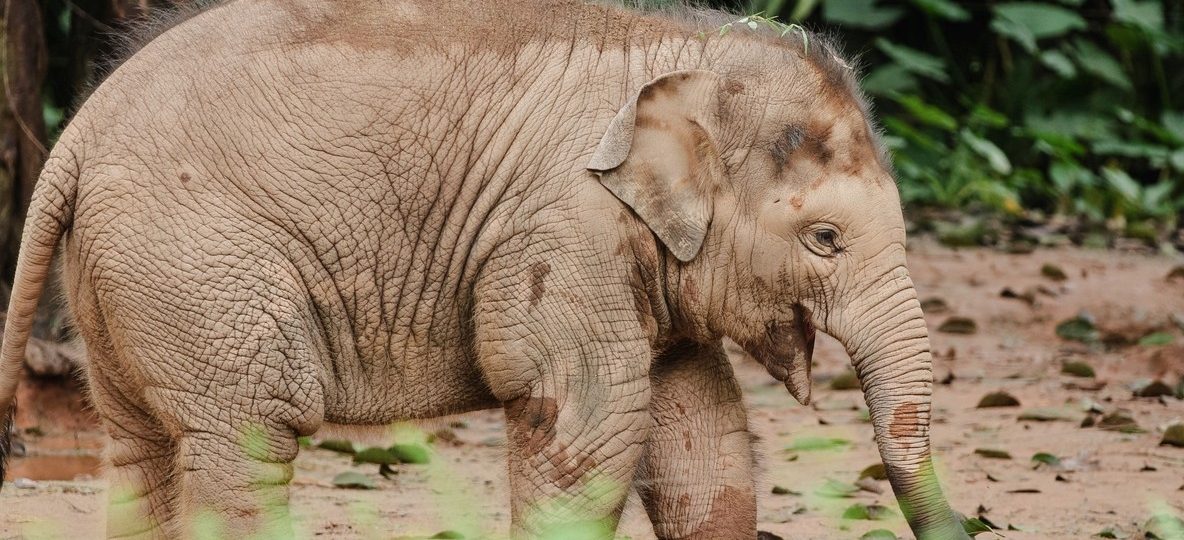
Mount Elgon elephant conservation 2026 is shaping up to be one of the quietest success stories in Kenyan wildlife right now, and it rarely makes the headlines that Amboseli or the Masai Mara get. On the slopes of an extinct volcano straddling the Kenya-Uganda border, forest elephants that were nearly wiped out by decades of ivory poaching are slowly rebuilding their numbers. No crowds, no viral videos, just patient work by rangers, community scouts, and conservation partners. For travelers who care where their safari money actually goes, this recovery is a story worth knowing before you book.
Why Mount Elgon’s Elephants Nearly Disappeared
Mount Elgon National Park was once one of the grimmest chapters in Kenya’s poaching history. Through the 1970s and 1980s, ivory poachers targeted the forest elephants that gather at Kitum Cave and the mountain’s other mineral caves, sometimes killing entire family groups for their tusks. Wildlife surveys from that era tracked the population falling from several hundred animals to a small, fragmented remnant herd by the late 1980s. Habitat loss added pressure too, as forest edges were cleared for farming and the elephants’ range shrank on both the Kenyan and Ugandan sides of the mountain.
By the 1990s, sightings at Kitum Cave had become rare enough that some conservationists worried the population would not recover at all. It took a coordinated, unglamorous effort, stronger ranger patrols, community buy-in, and cross-border cooperation, to turn that trend around.
What Mount Elgon Elephant Conservation Looks Like in 2026
Today, Kenya Wildlife Service (KWS) and the Kenya Forest Service jointly patrol Mount Elgon National Park, backed by community scouts drawn from villages along the park boundary. These scouts know the terrain and the movement patterns of resident herds better than any outside team could, and their presence has sharply reduced poaching incidents on the Kenyan side of the mountain.
Human-wildlife conflict was the other major threat. Elephants raiding farms near the park boundary used to end in retaliatory killings on both sides. Electric fencing projects, modeled on the same approach used successfully around the Aberdare range, now separate cultivated land from elephant corridors in several high-conflict zones. Community-based conservation groups also run early-warning systems, alerting farmers when elephants approach so crops and animals can both be protected without conflict escalating.
Cross-border cooperation matters here too. Mount Elgon National Park sits directly against Uganda’s Mount Elgon National Park, and elephants move freely across that boundary. Kenyan and Ugandan wildlife authorities coordinate patrols and share survey data, since an elephant protected on one side of the mountain but poached on the other is still a loss for the whole population. Conservation groups estimate the combined transboundary population has grown from a low of a few hundred individuals in the 1980s to several hundred today, though exact figures vary by survey year and method.
Kitum Cave: Where You Can Still See the Salt-Mining Elephants
Kitum Cave remains the single most extraordinary reason to visit Mount Elgon National Park. Elephants walk up to 80 metres into total darkness to gouge sodium-rich rock from the cave walls with their tusks, a behavior found almost nowhere else in East Africa. The cave stretches roughly 200 metres into the mountain, and three sister caves, Mackingeny, Chepnyalil, and Ngwarisha, share the same phenomenon on a smaller scale.
Seeing elephants at Kitum Cave today is a direct benefit of the conservation work described above. A herd that visits the cave regularly is a herd that feels safe enough to keep returning to a fixed, predictable location, something that would have been unthinkable during the worst poaching years. Visits happen mostly at dusk and through the night, so a licensed KWS guide and a patient, quiet approach make all the difference between a real sighting and an empty cave mouth.
Mount Elgon Compared With Kenya’s Other Forest Parks
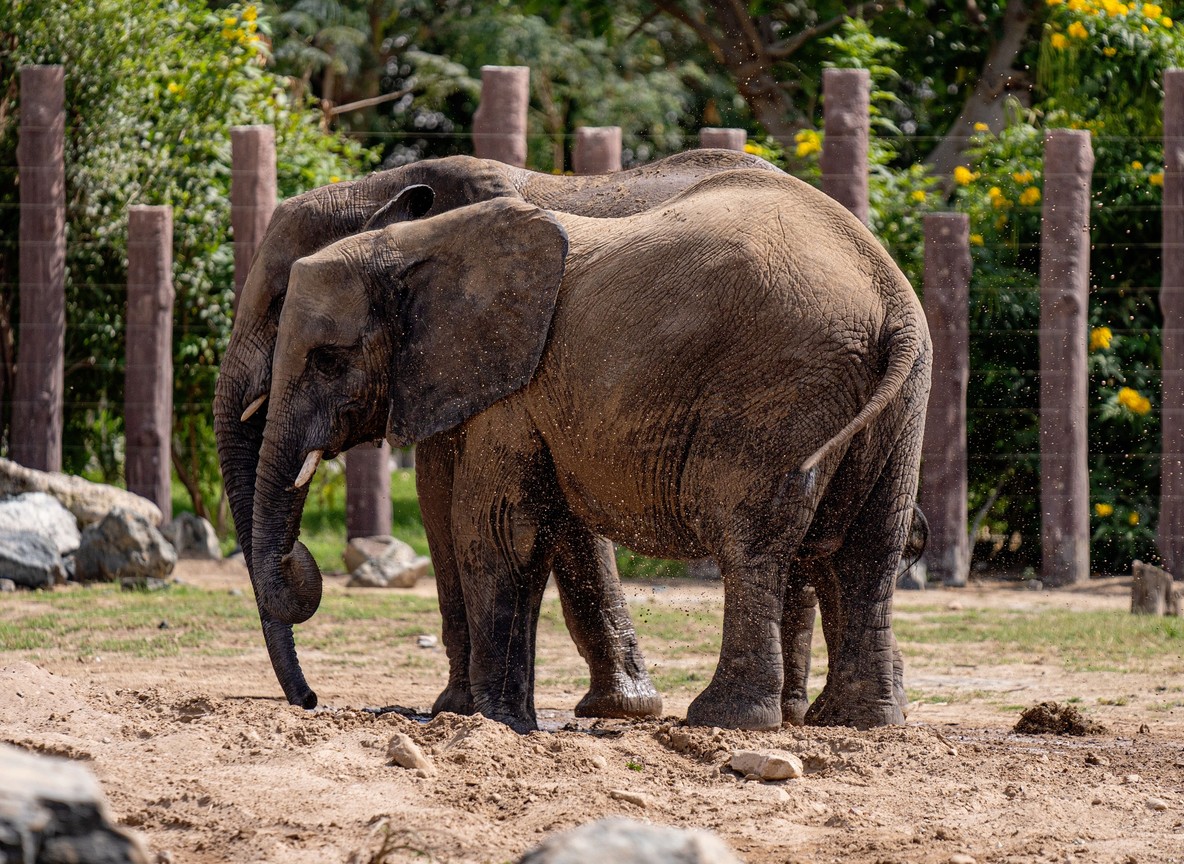
Mount Elgon is not the only forest park in Kenya running an active elephant or wildlife recovery program, but its cave elephant behavior makes it genuinely unique.
| Park | Kenya-Side Area | Signature Wildlife Draw | KWS Entry Fee (indicative, per day) | Drive from Nairobi |
|---|---|---|---|---|
| Mount Elgon National Park | ~169 km2 | Salt-mining cave elephants at Kitum Cave | USD 20 to 30 | ~380 km / 6 to 7 hours |
| Aberdare National Park | ~767 km2 | Tree hotels, leopard, black rhino | USD 20 to 30 | ~150 km / 2.5 hours |
| Kakamega Forest National Reserve | ~45 km2 (reserve core) | Primates, rare forest birds | USD 20 to 25 | ~415 km / 6.5 to 7 hours |
Mount Elgon wins on rarity of experience per visitor. Ranger and scout numbers relative to visitor traffic are high, which is part of why the elephant recovery has held steady even as tourism slowly increases. All fees above are indicative planning ranges only, since KWS rates are updated periodically. Trunktrails Safaris confirms exact entry costs at the time of booking.
Getting There: Gates, Distances, and Fees
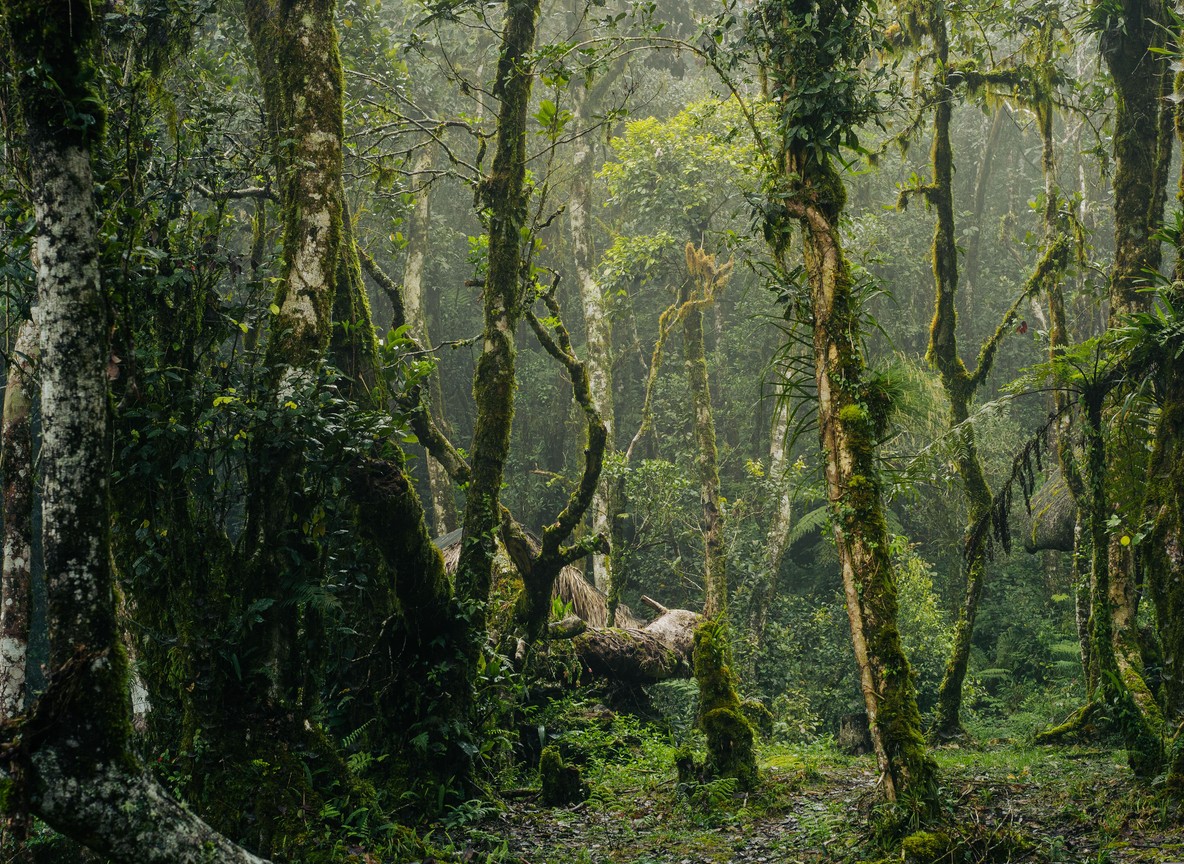
Chorlim Gate is the main entrance to Mount Elgon National Park, sitting about 22 km north of Kitale town in Trans Nzoia County. Most conservation-focused visits combine a night near Kitale with early cave departures, since elephant activity at Kitum Cave is strongest at dusk and before dawn.
| Route | Distance | Approximate Drive Time |
|---|---|---|
| Nairobi to Kitale (via A104, Nakuru, Eldoret) | ~380 km | 6 to 7 hours |
| Kisumu to Kitale | ~140 km | 2.5 to 3 hours |
| Eldoret to Kitale | ~70 km | ~1 hour |
| Kitale to Chorlim Gate | ~22 km | ~30 minutes |
There is no commercial airstrip inside the park, so most visitors either self-drive from Kitale, Kisumu, or Eldoret, or fly into Eldoret’s regional airport and connect by road. A cave and wildlife day visit from Kitale runs roughly USD 120 to 180 per person, indicative, while a two-day, one-night forest and cave itinerary runs closer to USD 350 to 550, again indicative and dependent on group size and camp grade. Most western Kenya tours and safaris operators route Mount Elgon as an add-on to a Kakamega Forest circuit, since the two parks share a similar access corridor through Kitale.
Best Time to Visit for Wildlife and Cave Elephants
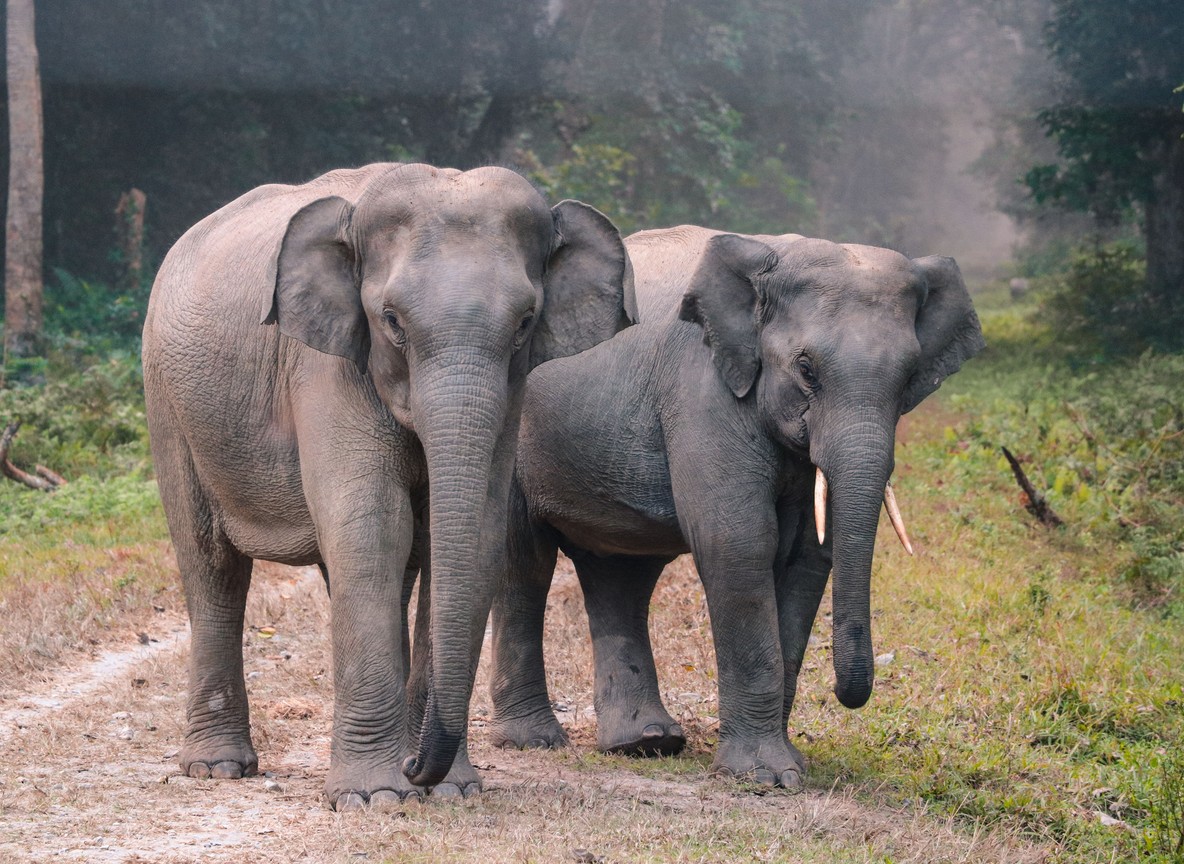
Elephant activity at Kitum Cave happens year-round, but the dry seasons from December to February and June to August give the clearest trails and best walking conditions for the Cave Circuit, a four to six hour guided hike linking Kitum, Mackingeny, and Chepnyalil caves. Rainy months bring lush forest scenery and fewer visitors overall, but muddy trails can slow cave access. Whichever month you choose, arriving at midday rarely works. The elephants have usually moved off by the time the sun is high, so timing your visit around dusk gives you the best realistic chance of a sighting.
The Trunktrails Advantage
Trunktrails Safaris treats Mount Elgon elephant conservation as more than a talking point. As a Kenyan-owned operator, we build our Mount Elgon itineraries around the same information rangers and community scouts use to track elephant movement, so our guests get realistic sighting expectations instead of vague promises. Every Trunktrails Safaris trip to this park pre-books KWS permits through Chorlim Gate and pairs guests with licensed local guides who know the cave schedule better than any generic tour operator could. We also route a portion of our Mount Elgon tours and safaris bookings toward community partners near the park boundary, the same scouts and early-warning teams whose work keeps elephants and farmers safe from conflict. Trunktrails Safaris designs every western Kenya itinerary, whether it is a single cave day trip or a full circuit with Kakamega Forest, around your fitness, timing, and interest in conservation. Choosing Trunktrails Safaris for this trip means your visit directly supports the same recovery story you came to see. 📸
Mount Elgon Elephant Conservation: Quick Facts
| Fact | Detail |
|---|---|
| Main entrance | Chorlim Gate, ~22 km north of Kitale |
| Kenya-side park area | ~169 km2 |
| Elephant behavior | Salt mining inside Kitum Cave, up to 80 metres from the entrance |
| Cave network | Kitum, Mackingeny, Chepnyalil, Ngwarisha |
| Best sighting window | Dusk through night, dry seasons Dec-Feb and Jun-Aug |
| Indicative KWS entry fee | USD 20 to 30 per day |
| Nairobi to Kitale distance | ~380 km, 6 to 7 hours by road |
Plan a Safari That Supports This Recovery
Further reading
More safari planning resources
- Kenya national parks map from Valley Safaris
- Is Kenya safe to visit? on Touring Insights
- Big Five safari collection on FindMySafari
- Nairobi to Maasai Mara route guide from Valley Safaris
Mount Elgon’s elephants did not come back on their own. Rangers, community scouts, and cross-border cooperation between Kenya and Uganda made this recovery possible, and every responsible visit helps keep it going. If you want to see salt-mining elephants at Kitum Cave and understand the conservation story behind them, Trunktrails Safaris can build that trip around your dates and interests. Message us on WhatsApp at +254 113 208888 or email info@trunktrailssafaris.com, and our team will put together a western Kenya tours and safaris itinerary that puts you at Chorlim Gate at exactly the right hour. 🌍

