Meru National Park Kenya: The True Story of Elsa the Lioness and the Born Free Legacy 🦁
Meru National Park Kenya is the real place behind one of the most loved wildlife stories ever told. Long before Born Free became a bestselling book and an Oscar-winning film, a lioness named Elsa grew up on this exact ground. Game warden George Adamson and his wife Joy raised her by hand after her mother was killed in 1956. At Trunktrails Safaris, we build tours and safaris to Meru for travelers who want more than a game drive. Here you can stand where Elsa learned to hunt. You can visit her grave on the Ura River and see the wild country that shaped modern conservation thinking across Kenya.
This guide gives you the real numbers behind Meru National Park Kenya. Distances, fees, named camps, and the exact sites tied to the Adamsons are all here, so you can plan a trip grounded in fact rather than folklore.
Meru National Park Kenya at a Glance: The Facts
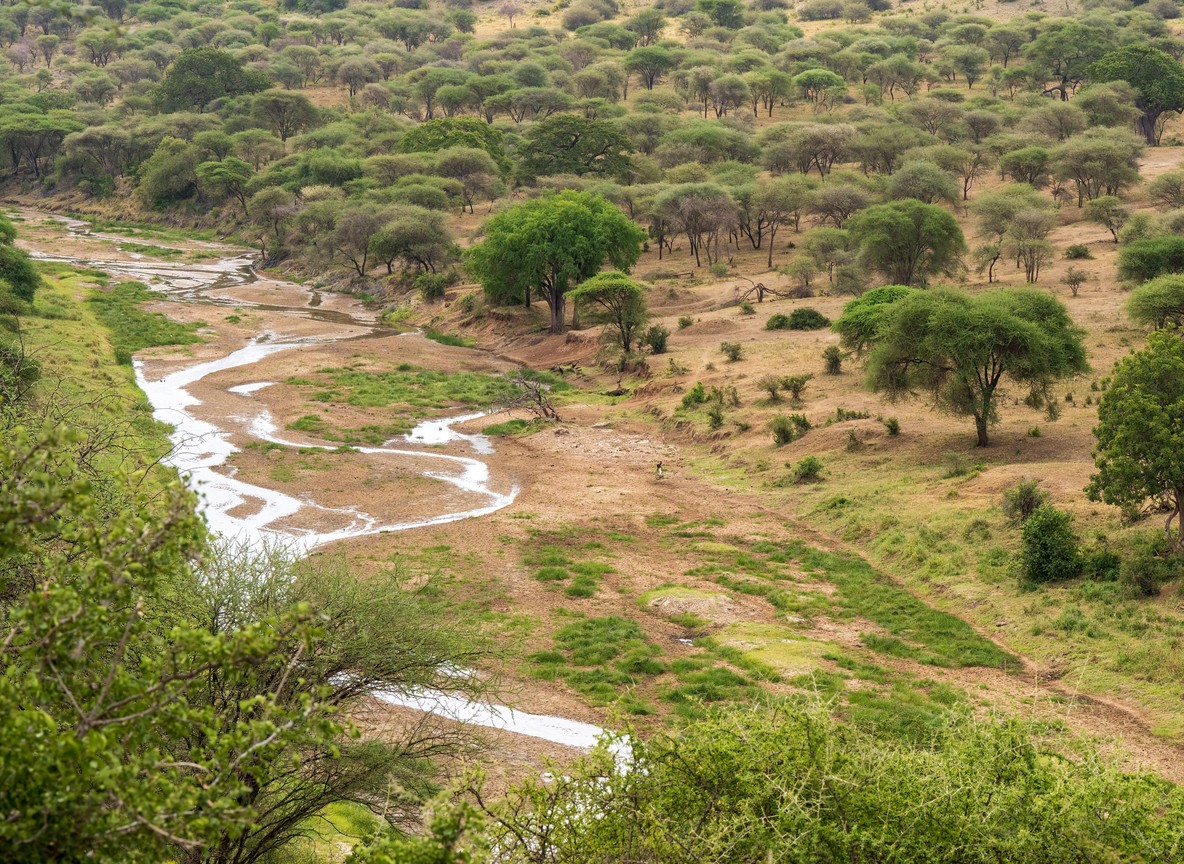
Meru National Park sits in eastern Kenya, in Meru and Tharaka-Nithi counties. It lies roughly 350 km northeast of Nairobi. The park covers 870 square kilometres of grassland, doum palm groves, riverine forest, and swamp. Thirteen rivers and streams cut through it, including the Tana, Rojewero, Ura, Murera, and Kindani. That density of water is unusual for a Kenyan park. It is exactly what drew George Adamson here as a young game warden in the 1950s.
The park was gazetted in 1966, the same decade the Born Free film brought Elsa’s story to a global audience. Inside Meru, a fenced 84 sq km Rhino Sanctuary now protects both black and white rhino. It is a direct legacy of the conservation model the Adamsons pioneered here. Just across the Tana River lies Kora National Park, 1,787 km2 of rugged wilderness. George Adamson later relocated there to run his lion rehabilitation camp, staying until his death in 1989.
| Meru National Park fact | Detail |
|---|---|
| Park size | 870 km2 |
| Gazetted | 1966 |
| Distance from Nairobi | About 350 km, 5 to 6 hours by road via Thika and Embu |
| Nearest airstrips | Kinna and Murera Gate, about 45 minutes by charter from Wilson Airport |
| Rivers crossing the park | 13, including the Tana, Rojewero, and Ura |
| Rhino Sanctuary | 84 km2, fenced, black and white rhino |
| Neighbouring reserve | Kora National Park, 1,787 km2, across the Tana River |
| Non-resident entry fee (indicative) | Around 60 to 75 USD per adult, per day |
Always confirm current Kenya Wildlife Service rates before you travel, since park fees are reviewed periodically. The figures above are indicative planning ranges, not fixed quotes.
Who Was Elsa the Lioness, and Why Meru Matters
In 1956, George Adamson shot a lioness that charged him in self-defence near Isiolo. He then discovered she had left three cubs behind. George and Joy Adamson raised the smallest cub, Elsa, by hand at their camp on the site that is now Meru National Park. Joy’s 1960 book Born Free told the story of raising Elsa and then training her to hunt and live wild again. It was a radical idea at the time, since captive lions were rarely released. Elsa succeeded. She gave birth to three cubs of her own in the wild and became one of the most documented wild lions in history, before dying of babesiosis in 1961.
The Adamsons buried Elsa on the bank of the Ura River, inside what is now Meru National Park. Her grave remains a quiet, marked site that visitors can still reach today. Standing there, beside a slow green river with fish eagles calling overhead, is a different kind of safari moment. This is not about a sighting. It is about the ground itself.
Born Free Kenya Safari: The Sites You Can Actually Visit
A Born Free themed visit to Meru National Park Kenya links a small number of real, named locations. It is not a single monument. Trunktrails Safaris routes these sites into a single day or a two-night stay, timed around game drives rather than replacing them.
| Site | Location | What you see |
|---|---|---|
| Elsa’s grave | Bank of the Ura River, Meru National Park | Marked gravesite, riverine forest, birdlife |
| Elsa’s Kopje | Rocky outcrop above Mughwango Swamp, Meru National Park | Lodge built on George Adamson’s original camp site, panoramic views |
| Kora National Park | Across the Tana River from Meru | George Adamson’s later camp, wild and undeveloped, 4×4 access only |
| Rhino Sanctuary | Fenced zone within Meru National Park | Black and white rhino, high security patrols |
| Meru Museum display | Meru town | Photographs and background on the Adamson era |
Elsa’s Kopje, run today by the Elewana Collection, is built directly on the ridge where George Adamson pitched his original camp. It reopened in June 2026 after a major refurbishment of its tents, pool, and spa. Kora National Park is where Adamson spent his final two decades, and where he was killed by armed bandits in 1989. It remains rugged and lightly visited, reachable only with a properly equipped 4×4 and an experienced guide.
Meru National Park Wildlife Beyond the Born Free Story
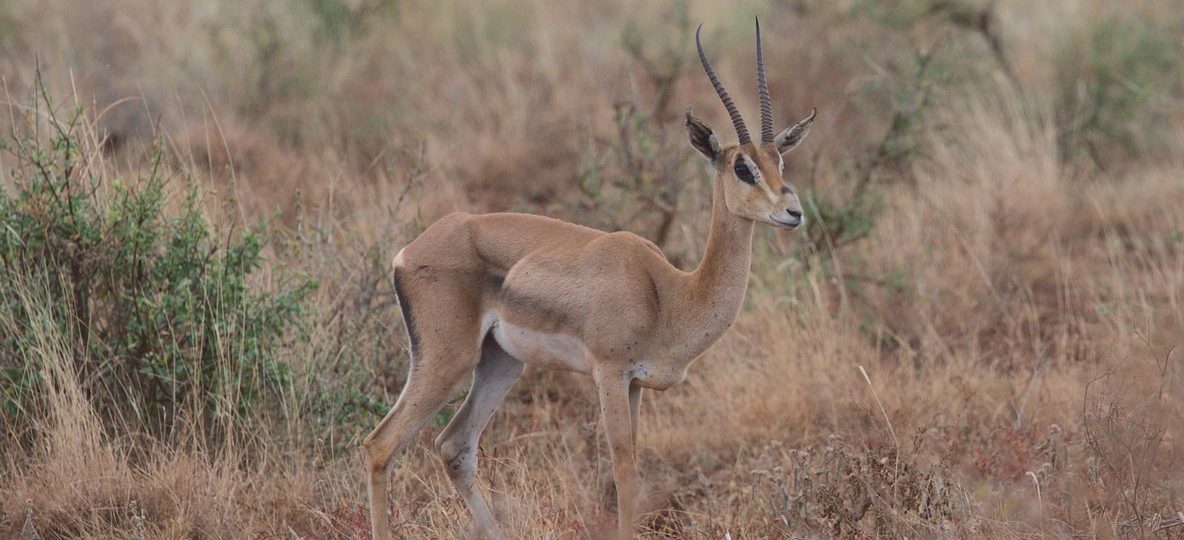
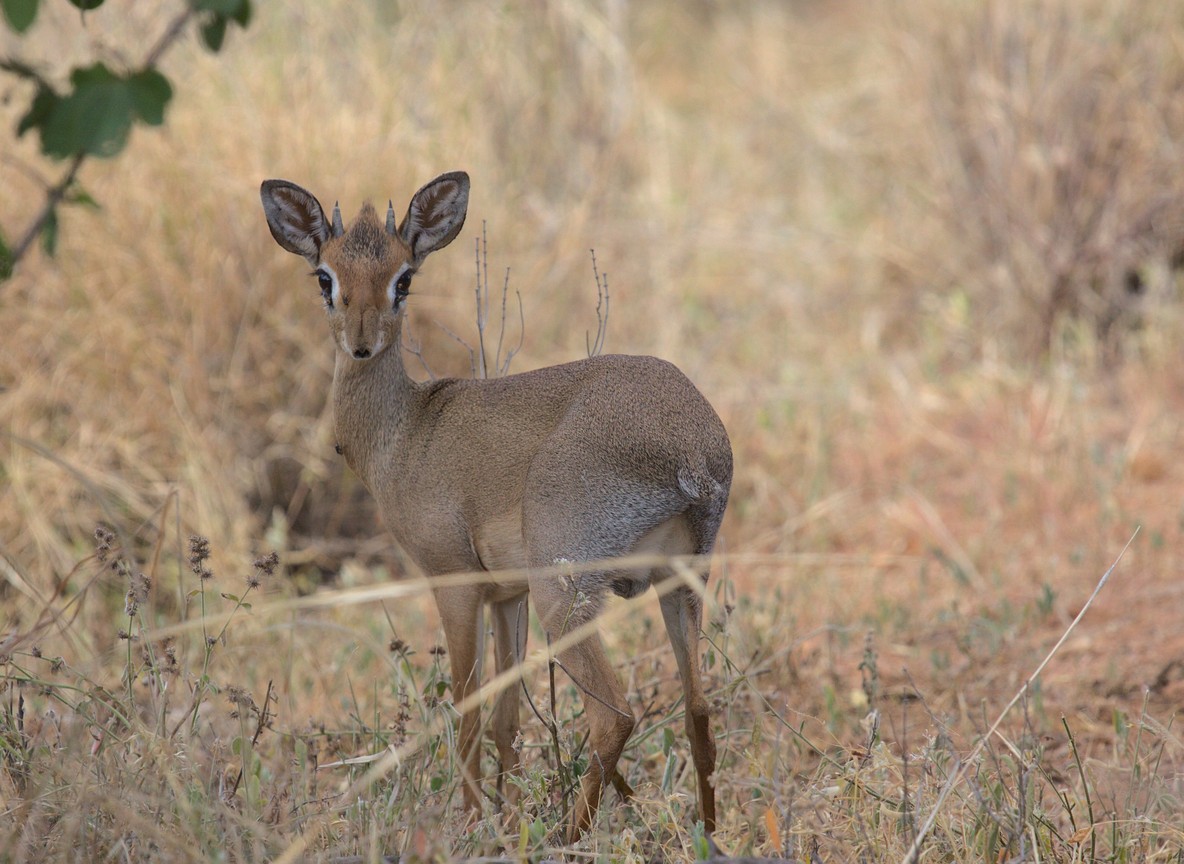
Elsa’s story is the hook, but Meru National Park Kenya earns its place on any serious wildlife itinerary in its own right. The Rhino Sanctuary protects a growing population of both black and white rhino behind an electrified perimeter, patrolled around the clock. Beyond the sanctuary fence, the open plains and riverine forest hold healthy numbers of elephant, buffalo, reticulated giraffe, and Grevy’s zebra. The full range of Kenya’s big cats live here too, including lion prides that descend directly from the same ecosystem Elsa once roamed.
Meru sees a fraction of the visitor numbers that reach the Maasai Mara or Amboseli. Wildlife encounters here feel unhurried, which is exactly why Meru tours and safaris tend to stay small and personal. Guides can park at a sighting for as long as it lasts, without a line of vehicles waiting behind. For a conservation-minded traveler, that quiet is part of the value. It is the same atmosphere the Adamsons were protecting when they first camped on this ground.
Best Time to Visit Meru National Park Kenya
Meru’s rivers mean it never turns fully brown, but road conditions and game visibility still shift with the seasons.
| Period | Season | What to expect |
|---|---|---|
| January to February | Hot and dry | Firm roads, wildlife draws to rivers, clearest game viewing |
| March to May | Long rains | Lush green, some roads soften, lowest rates, fewer visitors |
| June to September | Cool and dry | Ideal driving conditions, strong rhino and cat sightings |
| October | Warm, drying out | Green scenery, good access, quieter than peak months |
| November to December | Short rains | Fresh growth, birdlife peaks, occasional afternoon showers |
June through February generally gives the most reliable road access for reaching Elsa’s grave and Kora National Park, since both sites sit off the main circuit and depend on firmer tracks.
The Trunktrails Advantage
At Trunktrails Safaris, Meru National Park Kenya is one of our specialties. Few operators build a proper itinerary around it. As a Kenyan-owned company, we treat the Born Free story as living history rather than a footnote. Our guides carry background on George and Joy Adamson that most drivers simply do not have. They know which track stays passable to the Ura River after rain, and how to arrange the permit and escort needed to cross into Kora National Park. Timing matters too, since the light on Elsa’s Kopje ridge is often worth pausing the drive for a photograph.
Every Trunktrails Safaris itinerary to Meru pairs the Born Free sites with proper game viewing in the Rhino Sanctuary and along the river systems. You leave with both the story and the sightings. We handle the logistics that trip up independent travelers, from Wilson Airport charter timing to Kinna airstrip transfers, in dependable 4×4 vehicles built for this terrain. When you book tours and safaris with us to Meru, you get a partner who has actually walked this ground. We can put Elsa’s story into context as you stand where it happened. ✨
Walk the Ground Where Elsa Lived
Meru National Park Kenya holds a wilder claim to fame than almost anywhere else on the safari map. It is a true story of a lioness raised by hand and returned to the wild, told from a real riverbank grave you can still visit. Between the Rhino Sanctuary, the rivers, and the rugged reach across to Kora National Park, this is a place that rewards travelers who want depth, not just a photograph.
Further reading
More safari planning resources
- Kenya national parks map from Valley Safaris
- Big Five safari parks guide on Touring Insights
- Big Five safari collection on FindMySafari
- Kenya tour packages from Valley Safaris
Picture standing on the Ura riverbank at dawn, mist still on the water, exactly where Elsa once lived free. Message Trunktrails Safaris on WhatsApp at +254 113 208888, email info@trunktrailssafaris.com, or visit trunktrailssafaris.com to start planning your Meru National Park journey. Tell us how much of the Born Free story you want woven into your safari. We will build the route around it. 📸