
Masai Mara Safari Report 2026: What Wildlife Looked Like April to June
Our Masai Mara safari report 2026 for the April to June quarter is built from guide radio logs, camp sighting boards, and ranger updates gathered across the reserve and its conservancies. This is the green season, the quiet stretch before the wildebeest herds arrive from the Serengeti. It is also, quietly, one of the best windows for resident wildlife, and Trunktrails Safaris ran tours and safaris through this period with strong results for guests who wanted space and value over crowds.
This report walks through what guides actually saw, what the weather did, and what it means if you are booking a Masai Mara trip later this year. Trunktrails Safaris tracks these seasonal shifts closely because they change which camps, gates, and conservancies make sense for each traveler.
Rainfall and Ground Conditions, April to June 2026
April carried the heaviest rain of the quarter, with guide logs recording roughly 180 to 220mm across the reserve, close to the long-term April average for the Mara. Tracks turned muddy on the black cotton soil sections near the Mara Triangle, and several camps used 4×4 transfers rather than saloon vehicles for airstrip pickups during the second and third weeks.
May brought a clear taper. Rainfall logs show a drop to around 90 to 120mm, mostly in short afternoon showers rather than the sustained downpours of April. By June, the reserve had dried out enough for open-sided game drive vehicles to return to full use, with daytime temperatures settling between 24 and 27 degrees Celsius and cool mornings near 12 degrees.
The grass response was the real story. By late May, guides across the Mara Triangle and Naboisho Conservancy described grass height as the tallest seen since the 2023 rains, which pushed predators to hunt closer to riverine tree lines where visibility stayed workable.
What Guides Actually Saw: Wildlife Highlights
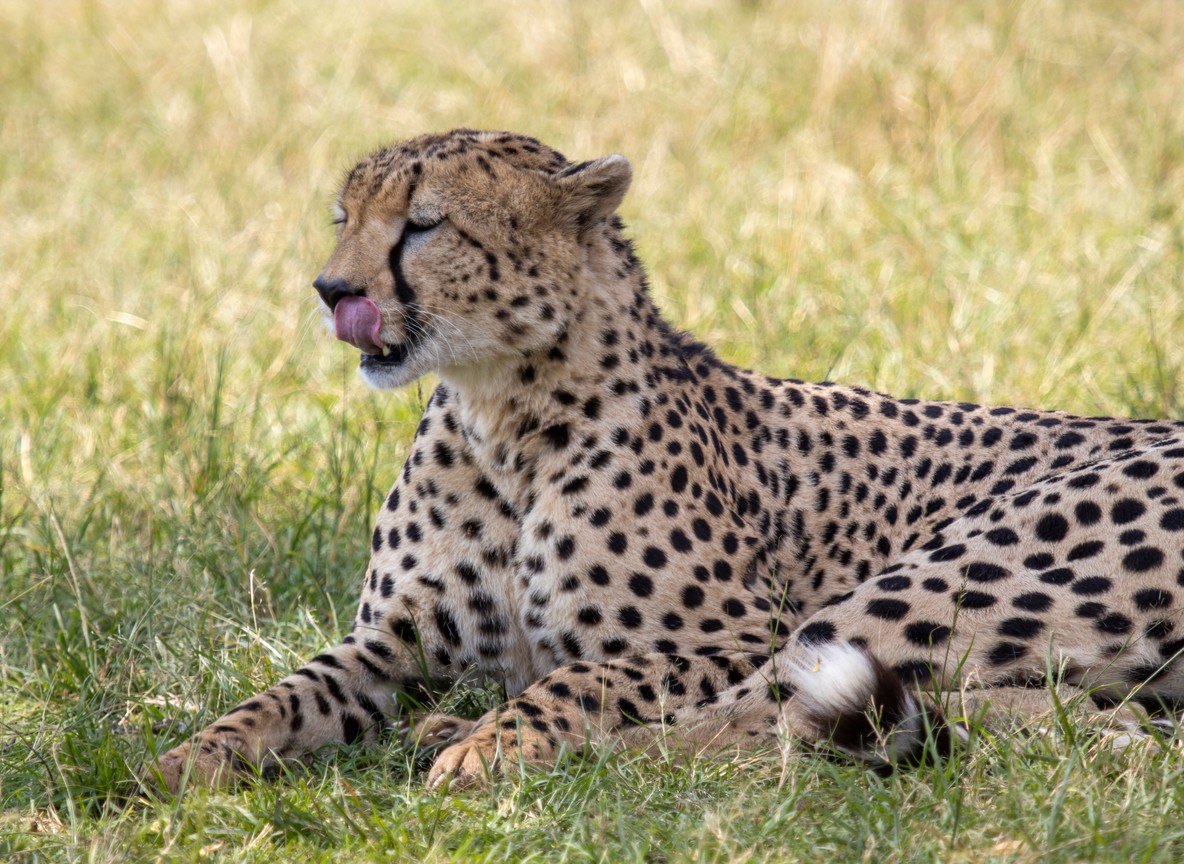
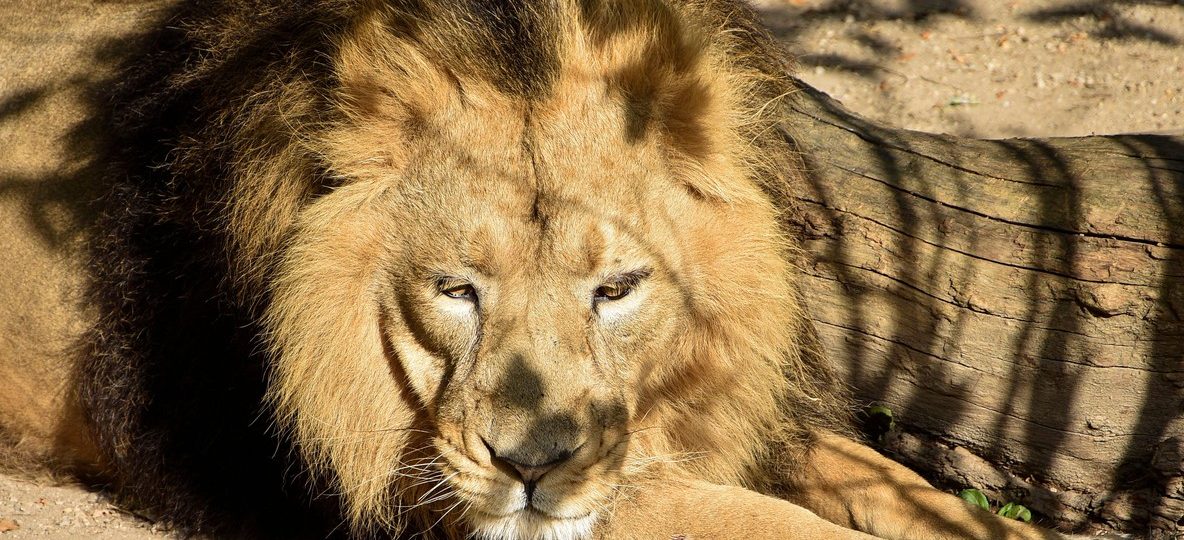
Big cats. Lion prides in the Talek and Ol Kiombo areas stayed highly visible through the quarter, helped by cubs from earlier in the year now old enough to follow the pride on hunts. Cheetah sightings were strongest in the open plains near Naboisho Conservancy, where shorter grass gave better visibility. Leopard sightings clustered along the Mara and Talek Rivers, with several camps logging repeat sightings of the same resident female near Rekero.
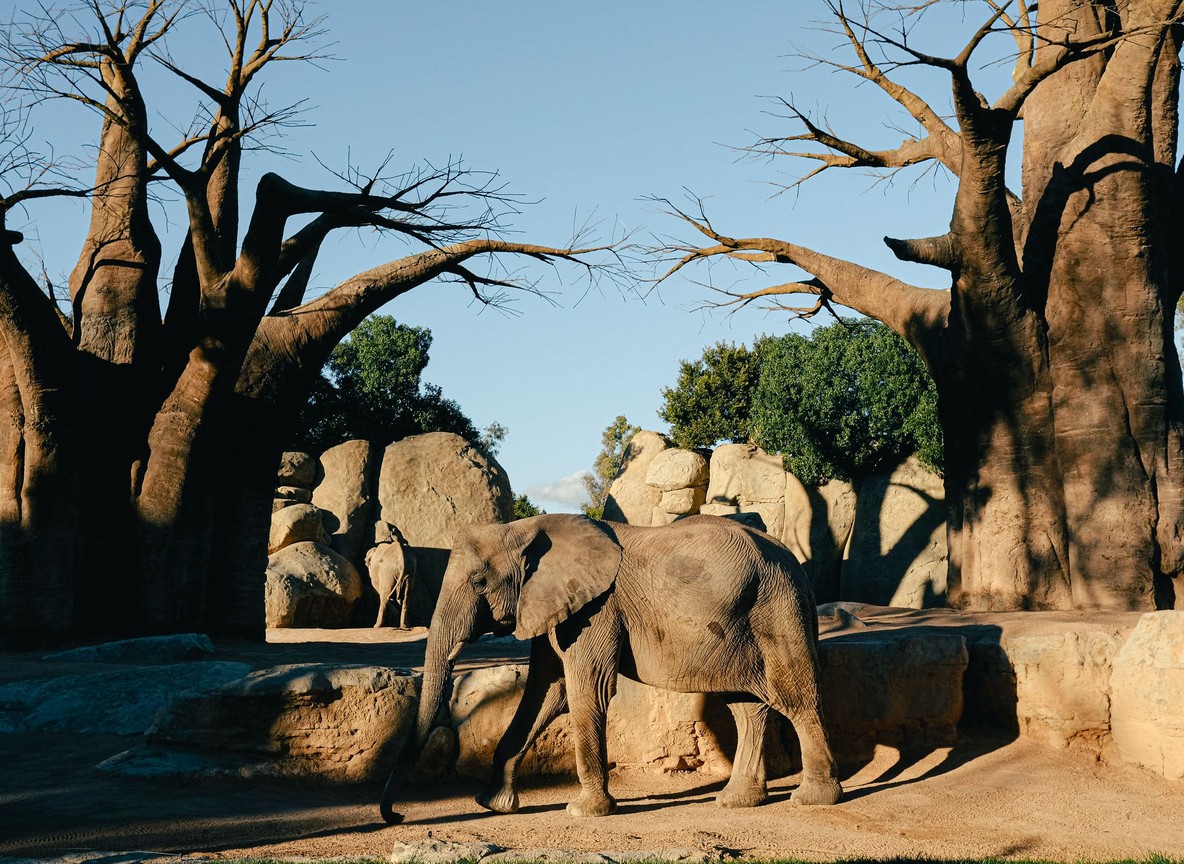
Elephants and general game. Elephant herds moved between the reserve and Mara North Conservancy in loose family groups of 8 to 15 animals, drawn by the fresh grass growth. Giraffe, buffalo, and topi numbers stayed consistent with prior years, and hippo pods in the Mara River held steady counts through the quarter despite lower water levels than the peak wet season.
Birdlife. April and May are strong months for resident and intra-African migrant birds in the Mara. Guides logged good numbers of Rufous-bellied Herons, Saddle-billed Storks, and Lilac-breasted Rollers, particularly around the swampy sections near Musiara.
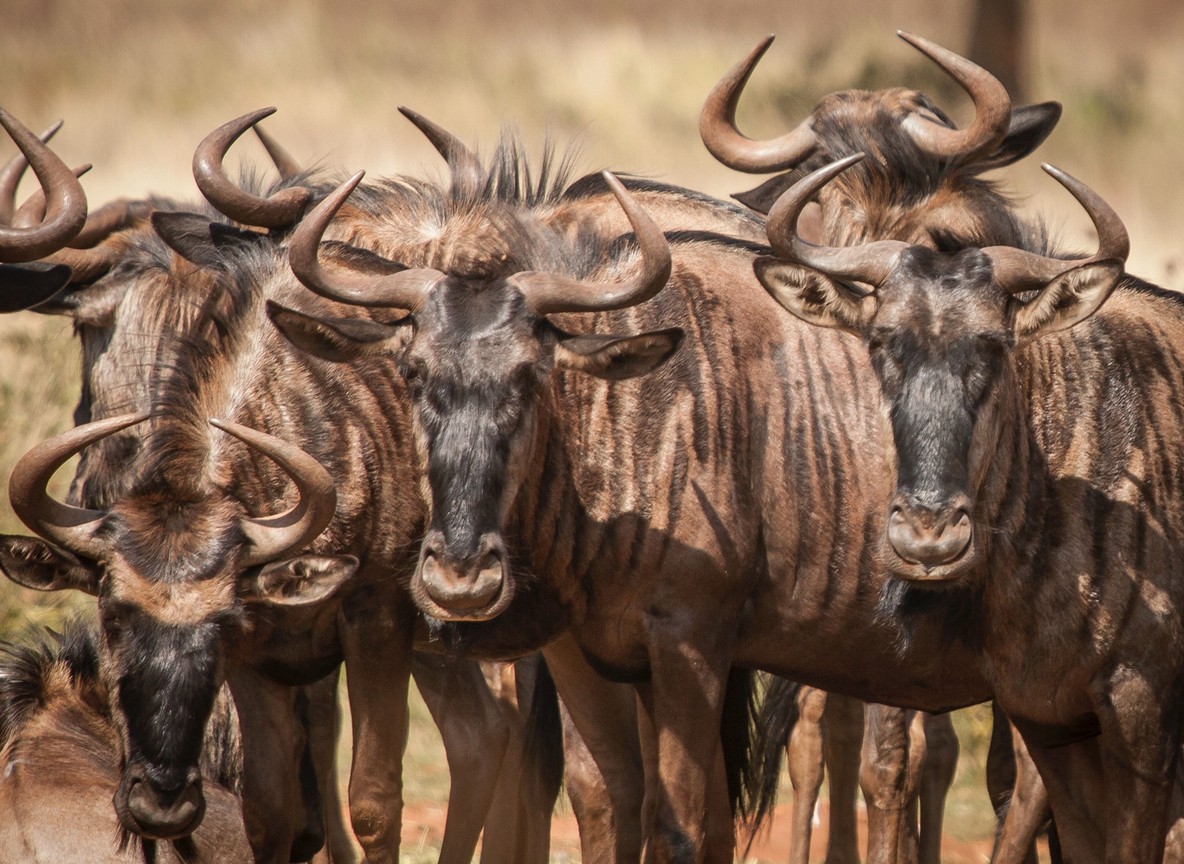
Migration status. No wildebeest migration presence was recorded in the Masai Mara during this quarter, which matches the expected pattern. The herds were in the Serengeti through this window, and the first scouts typically reach the Mara River from July onward. Travelers planning around the crossings should target July through October instead of this report’s window.
Facts Block: Distances, Fees, and Access Points
| Detail | Figure |
|---|---|
| Nairobi to Masai Mara (road) | Approx. 270 km, 5 to 6 hours drive via Narok |
| Nairobi to Masai Mara (flight) | Approx. 45 minutes from Wilson Airport |
| Masai Mara National Reserve size | Approx. 1,510 km2 (Mara Triangle approx. 510 km2, main reserve approx. 1,000 km2) |
| Surrounding conservancies (combined) | Approx. 1,400 km2 (Naboisho approx. 206 km2, Mara North approx. 320 km2, Olare Motorogi approx. 140 km2, Ol Kinyei approx. 74 km2) |
| Main gates | Sekenani Gate, Talek Gate, Oloolaimutia Gate, Musiara Gate, Sand River Gate |
| Main airstrips | Keekorok, Musiara, Ol Kiombo, Mara Serena, Kichwa Tembo |
| Key rivers | Mara River, Talek River, Sand River |
| Reserve entry fee (Narok County side) | Approx. USD 70 to 80 per adult per day, non-resident (indicative 2026 range, confirm at booking) |
| Mara Triangle entry fee (Mara Conservancy) | Approx. USD 90 to 100 per adult per day, non-resident (indicative 2026 range, confirm at booking) |
| Conservancy conservation fees | Approx. USD 100 to 150 per person per night, most conservancies (indicative 2026 range) |
| April rainfall (logged) | Approx. 180 to 220mm |
| May rainfall (logged) | Approx. 90 to 120mm |
| June rainfall (logged) | Under 40mm, mostly dry |
Green Season Camp Rates: April to June vs Peak Season
| Factor | April to June (Green Season) | July to October (Peak Season) |
|---|---|---|
| Indicative camp rate, mid-range tented camp | USD 250 to 400 per person per night, full board (indicative range) | USD 450 to 700 per person per night, full board (indicative range) |
| Vehicle density at sightings | Low, often 1 to 3 vehicles per sighting | High, often 8 to 15+ vehicles at river crossings |
| Migration presence | None, herds in Serengeti | Peak, Mara River crossings from July |
| Resident predator visibility | Strong, tall grass balanced by riverine hunting | Strong, shorter grass improves visibility |
| Road access | Some sections muddy in April, improving by June | Dry and firm across most routes |
| Booking lead time needed | Usually 4 to 8 weeks | Usually 4 to 6 months for top camps |
Comfort and Pacing for Green Season Travelers
The April to June window suits travelers who want a relaxed pace more than a race between sightings. Game drives run shorter on average during this quarter, since predators and plains game concentrate closer to camp rather than spreading out for miles. That means less bumping along rough tracks and more time resting at camp between drives, which matters if long hours in a vehicle are not your idea of a good day.
Most conservancy camps in Naboisho and Mara North also run smaller guest numbers during the green season, so game drive vehicles carry fewer people and stop for longer at each sighting. Access roads from Sekenani Gate and Talek Gate stay passable for most of the quarter, though we recommend confirming vehicle type with your camp in the first two weeks of April specifically, when the black cotton soil sections are at their softest.
The Trunktrails Advantage
Trunktrails Safaris builds every Masai Mara itinerary around what a season can actually deliver, not around a generic peak-season script. For the April to June window, our guides steer guests toward Naboisho Conservancy and Mara North for private, low-vehicle-density game viewing, while keeping flexible drive routes ready for the muddy sections closer to the Mara Triangle. That local knowledge is the difference between a green season trip that feels empty and one that feels like a private wildlife reserve.
Our ground team also tracks camp-level sighting logs across the reserve and conservancies every week, so recommendations reflect what is happening now rather than last year’s pattern. When you book tours and safaris with Trunktrails Safaris, you get a Kenyan-owned team that adjusts routes daily based on real ranger and guide reports, not a fixed template. That is how Trunktrails Safaris keeps green season trips genuinely rewarding instead of a gamble.
What This Means for Your Next Masai Mara Trip
If you want low crowds, strong resident predator activity, and better camp rates, the April to June window is worth serious consideration for your next Masai Mara safari. If the wildebeest river crossings are the priority, shift your dates to July through October and book conservancy camps well ahead of time, since availability tightens fast in that window.
Either way, matching your dates to what actually happens on the ground beats guessing from a generic calendar. Trunktrails Safaris designs tours and safaris around real seasonal data like this report, not assumptions.
Plan Your Masai Mara Safari With Local Experts
Ready to see the Masai Mara at its greenest, quietest, and most rewarding? 🦒 Trunktrails Safaris can build a private itinerary around the conservancies and camps that fit this season best, timed to your travel dates and budget.
Further reading
More safari planning resources
- Best time to visit Kenya month-by-month map from Valley Safaris
- Best time to visit Kenya on Touring Insights
- Masai Mara destination guide on FindMySafari
- Interactive Maasai Mara map from Valley Safaris
Message us on WhatsApp at +254 113 208888 or email info@trunktrailssafaris.com to start planning your Masai Mara tours and safaris today. Our Kenyan-owned team will match your trip to what the wildlife is actually doing, not a generic script.

