Inside the Masai Mara Vet Team Racing to Save Lions Like Beargirl and Letabo 🦁
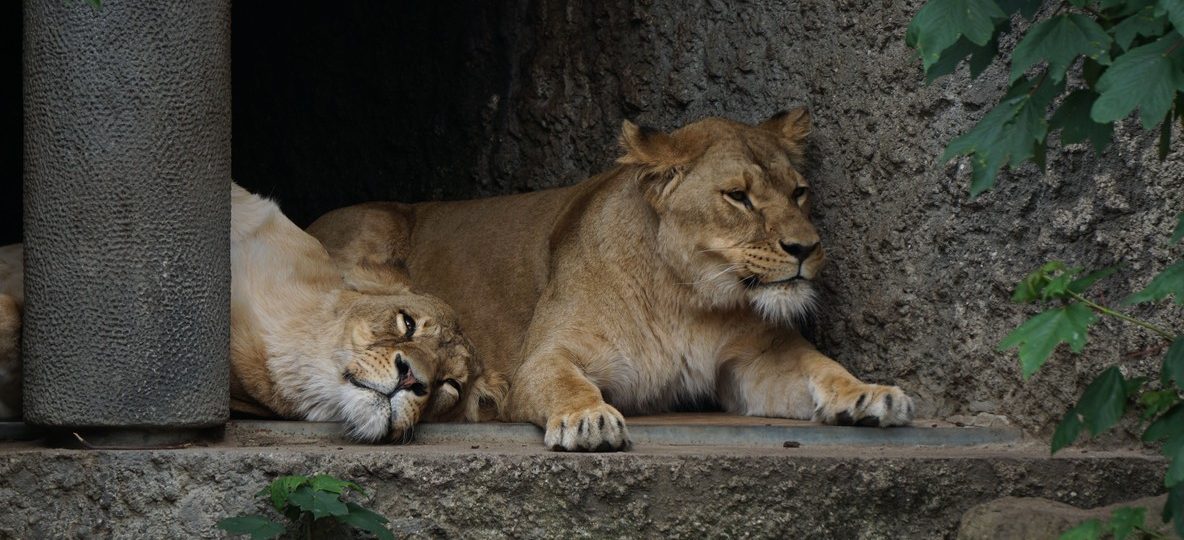
This masai mara lion rescue story starts with a radio call, not a headline. A ranger on patrol spots a lion limping badly. A guide reports a wire snare cutting into a lioness’s neck. Within hours, a mobile veterinary team is airborne or on the road, racing across the Mara Triangle to reach the animal before the injury turns fatal. Two of the lions who lived through that exact scenario, Beargirl and Letabo, are now known by name across the conservation community that tracks the Masai Mara’s prides day by day.
For visitors booking tours and safaris to the Mara, these rescues are usually invisible. You see the lion resting under an acacia tree. You do not see the collar check, the snare scar, or the vet report behind it. This piece pulls back that curtain. It shows why the people fighting to keep Masai Mara’s lions alive matter just as much as the lions themselves.
Who Answers the Call: The Mara Mobile Veterinary Unit
The Masai Mara’s frontline responder is the Mara Mobile Veterinary Unit. It is run by the Kenya Wildlife Trust, in direct partnership with Kenya Wildlife Service vets and the Mara Conservancy, which manages the Mara Triangle sector of the reserve. The unit operates a dedicated 4×4 vehicle stocked with dart guns, anesthetic drugs, surgical kits, and antibiotics. It is based inside the Mara Triangle, so response times to an injured animal stay short.
Working alongside the vet unit is the Mara Predator Conservation Programme. This group keeps a running identification record of individual lions across the ecosystem, tracking prides by whisker spot patterns, scars, and ear notches. Every lion the programme monitors gets a name and a file. So when a snare injury or a territorial fight wound turns up, the team already knows the lion’s history, her pride, and her cubs.
The Stories of Beargirl and Letabo
Beargirl became known to researchers as a resident lioness of the Mara Triangle. She is one of the individually monitored cats whose movements and pride affiliation the Mara Predator Conservation Programme tracks closely. She turned up with a wire snare embedded around her body, the kind typically set for bushmeat poaching but indiscriminate about what it catches. The mobile vet team darted her from a vehicle, removed the wire, and cleaned and treated the wound. They administered long-acting antibiotics, then let her wake and rejoin her pride.
Letabo’s case followed a familiar pattern for Mara vets. A lion struggles with a snare wound that tightens as the animal grows. Left untreated, it eventually cuts into muscle or causes fatal infection. The vet team’s response follows a set protocol: dart and dose calculated by body weight, wound flushed and treated, then recovery monitored from a distance until the lion is back on her feet. That same protocol runs across dozens of interventions each year in the Mara ecosystem.
Neither lion made headlines outside conservation circles, and that is the point. These rescues happen quietly and constantly. The lions you photograph on a Masai Mara game drive are alive today because of exactly this kind of unglamorous, repeated fieldwork.
Why Snares Are Still a Threat in the Masai Mara
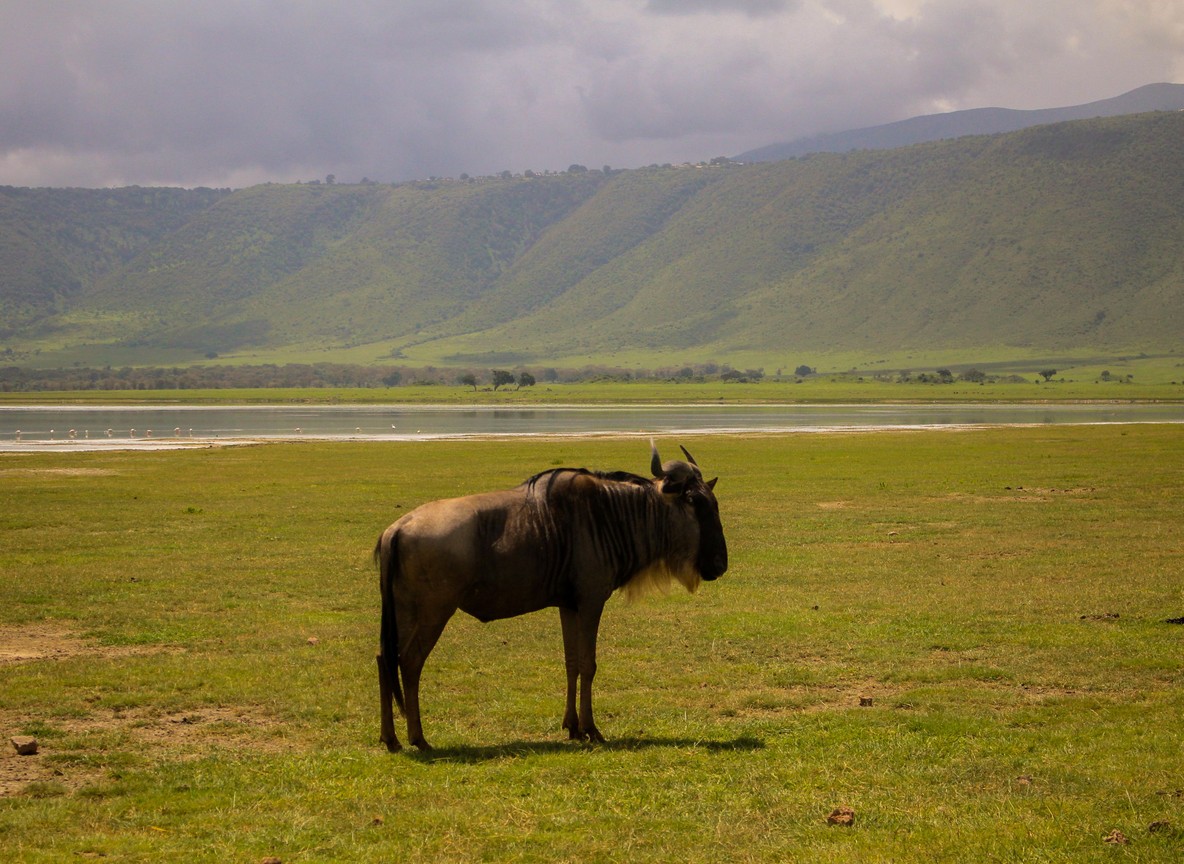
Wire snares are cheap, silent, and set to catch bushmeat species like impala and wildebeest along known game trails. Lions are not the intended target. But a snare set at the wrong height, or a lion investigating a struggling antelope already caught in one, can end up wrapped around a paw, a leg, or a neck. A snare tightens as the animal moves or grows. A wound that starts as a scrape can become a life-threatening injury within days.
The Mara Triangle and the wider reserve sit against a densely populated boundary of farms and settlements, particularly along the Oloololo Escarpment and near Talek. That proximity keeps snaring pressure real despite decades of community outreach. Ranger snare-removal patrols, run jointly by the Mara Conservancy and Kenya Wildlife Service, sweep known hotspots on a rotating basis. New snares still appear faster than any patrol schedule can fully clear.
How a Lion Rescue Actually Works
A typical intervention follows a tight sequence. First, a ranger, guide, or researcher reports a visibly injured lion, usually by radio, with a GPS location. Second, the Mara Mobile Veterinary Unit assesses the report and mobilizes, often reaching the animal within one to three hours depending on distance and terrain. Third, the vet darts the lion from a safe distance using a calibrated anesthetic dose. Fourth, once the lion is fully sedated, the team examines and treats the wound, sometimes performing minor surgery in the field. Fifth, the team reverses the anesthetic and observes from a distance until the lion is alert and mobile again before leaving the site.
Every step carries risk. A pride mate can approach during treatment. Weather can delay a helicopter response. A wound assessed as minor from a distance can turn out to need surgery once the vet is hands-on. The Mara’s vets train for exactly these variables. Response speed and local knowledge of pride locations matter as much as the medical kit itself.
The Masai Mara at a Glance: Access and Logistics
Understanding the geography helps explain why a fast vet response is even possible here. The table below covers the main access points travelers use. These same points double as staging locations for ranger and vet teams responding to wildlife emergencies.
| Access Point | Type | Distance / Time from Nairobi | Indicative Fee or Note (USD) |
|---|---|---|---|
| Sekenani Gate | Main road gate, Narok side | 270 km, 5 to 6 hr drive | Reserve entry required |
| Oloololo Gate | Mara Triangle gate, western side | 275 km, 5.5 to 6.5 hr drive | Managed by Mara Conservancy |
| Talek Gate | Road gate, eastern boundary | 260 km, 5 hr drive | Reserve entry required |
| Mara Serena Airstrip | Airstrip, Mara Triangle | 45 min flight from Wilson Airport | Fly-in access |
| Musiara Airstrip | Airstrip, northern reserve | 45 min flight from Wilson Airport | Fly-in access |
| Masai Mara National Reserve entry | Park fee, Narok County sector | N/A | 80 to 100 per day, indicative, non-resident adult |
| Mara Triangle entry | Park fee, Mara Conservancy sector | N/A | 100 per day, indicative, non-resident adult |
Prices above are indicative ranges only, and they change by season, so confirm current rates before booking. The Masai Mara National Reserve covers roughly 1,510 km2 in total. The Mara Conservancy manages the western Mara Triangle sector, about 510 km2 of that total, where the Mara Mobile Veterinary Unit is based.
Vet and Conservation Coverage: Who Does What
Several organizations share responsibility for lion health and safety across the Mara ecosystem, and their roles are easy to confuse. This comparison lays out who covers what.
| Organization | Primary Role | Coverage Area | Funded Partly By |
|---|---|---|---|
| Mara Mobile Veterinary Unit (Kenya Wildlife Trust) | Emergency wildlife treatment, snare removal, injury response | Mara Triangle and wider Mara ecosystem | Donations, park fee revenue |
| Kenya Wildlife Service Vet and Capture Services | National wildlife veterinary oversight, translocations, major interventions | Countrywide, including Masai Mara | Government budget, park fees |
| Mara Predator Conservation Programme | Individual lion identification, pride monitoring, research data | Masai Mara ecosystem, Mara Triangle focus | Research grants, tourism partners |
| Mara Conservancy rangers | Anti-poaching patrols, snare sweeps, first-response reporting | Mara Triangle sector | Mara Triangle gate fees |
Every dollar spent on a Masai Mara park entry fee or Mara Triangle gate fee feeds directly into this network. That is one reason your choice of tours and safaris operator matters, and so does how openly that operator talks about conservation funding.
What Travelers Can Do to Support Lion Conservation
Booking a safari with an operator who prioritizes conservancy-linked itineraries is the simplest way to support this work. Park and conservancy fees fund ranger patrols and vet operations directly. Reporting any snared or visibly injured animal to your guide right away also genuinely helps. Do not assume someone else has already seen it. Guide reports are one of the fastest ways the Mara Mobile Veterinary Unit hears about a new case. Choosing lodges and camps that partner with local conservation programmes helps too, and so does asking your guide about the individually monitored lions in the area you are visiting. Small choices like these keep tourist demand connected to the conservation funding that keeps lions like Beargirl and Letabo alive.
The Trunktrails Advantage
Trunktrails Safaris is a Kenyan-owned operator. Our Masai Mara itineraries are built with this conservation reality in mind, not treated as a side note.
| What We Provide | What It Means for You |
|---|---|
| Local, Kenyan-owned guiding team | Guides who know pride locations and report injured wildlife fast |
| Conservancy-linked itineraries | Your fees support ranger patrols and the Mara Mobile Veterinary Unit |
| Small-group game drives | Less disturbance to lions and other predators under close monitoring |
| Transparent fee breakdowns | You see how park and conservancy fees fund conservation work |
| Flexible access via Sekenani, Talek, or Oloololo Gate | Routes matched to your camp and the wildlife activity that week |
Every trip booked through Trunktrails Safaris channels real money toward the rangers and vets behind rescues like Beargirl’s and Letabo’s. Our guides do not just find lions. They explain the individual history behind the ones you are lucky enough to see. ✨

Plan a Masai Mara Safari That Protects Its Lions
The lions of the Masai Mara are only as safe as the people funding the teams that protect them. Trunktrails Safaris can build your Masai Mara itinerary around the conservancies and camps closest to where the Mara Mobile Veterinary Unit and Mara Predator Conservation Programme do their work. Your visit becomes part of the same effort that saved Beargirl and Letabo.
Further reading
More safari planning resources
- Interactive Maasai Mara map from Valley Safaris
- Maasai Mara National Reserve guide on Touring Insights
- Masai Mara destination guide on FindMySafari
- Big Five safari parks guide on Touring Insights
Message Trunktrails Safaris on WhatsApp at +254 113 208888, or email info@trunktrailssafaris.com. Visit trunktrailssafaris.com to start planning tours and safaris to the Masai Mara that give back to the lions you have come to see. 🌍