Masai Mara Conservancies Explained: A Traveler’s Guide
A masai mara conservancy is private land leased from Maasai landowners and set aside for low-density wildlife tourism, and it sits right next to, but outside, the Masai Mara National Reserve. More than 14 of these conservancies now ring the reserve, covering over 1,400 square kilometers of land that used to be open grazing ground. Trunktrails Safaris books a large share of its tours and safaris inside these conservancies, because they solve the two biggest complaints travelers have about the reserve itself: crowding and rigid rules. This guide breaks down what a Masai Mara conservancy actually is, which ones matter most, and how to pick the right one for your trip.
What Is a Masai Mara Conservancy?
A conservancy is a partnership. Maasai families who own land bordering the national reserve lease it to safari camp operators for a fixed annual fee, and in return they agree to keep the land free of fencing, farming, and heavy livestock grazing. The camp operators then cap the number of beds and vehicles allowed inside, which keeps wildlife density high and sighting crowds low.
This model differs sharply from the Masai Mara National Reserve, which is run by the Narok County Government and open to any licensed operator with no bed cap. Conservancies instead answer directly to a board made up of landowners and camp partners, and most enforce a strict ratio of roughly one vehicle per 700 to 1,000 acres of land. That single rule is why a conservancy game drive so rarely feels like a queue.
The Major Masai Mara Conservancies
Each conservancy has its own size, character, and camp roster. Here are the ones that matter most for planning a trip.
| Conservancy | Approx. Size | Bordering Reserve Side | Known For |
|---|---|---|---|
| Mara North Conservancy | 320 km2 | Northwest | Large predator prides, open plains |
| Naboisho Conservancy | 200 km2 | North | High leopard density, walking safaris |
| Olare Motorogi Conservancy | 140 km2 | Northeast | Big cat sightings, luxury camps |
| Lemek Conservancy | 200 km2 | North | Community-run, cultural visits |
| Siana Conservancy | 150 km2 | East | Rolling hills, birdlife |
| Ol Kinyei Conservancy | 70 km2 | East | Oldest conservancy model, quiet plains |
| Enonkishu Conservancy | 24 km2 | North | Regenerative grazing, small-camp feel |
| Nashulai Maasai Conservancy | 20 km2 | West | Community-owned, conservation education |
Sizes are approximate and drawn from figures published by conservancy management boards. Boundaries occasionally shift as new landowner blocks join or leave a conservancy, so always confirm current acreage with Trunktrails Safaris before booking.
Conservancy Fees, Camps, and Access
Conservancy fees are almost always bundled into the nightly camp rate rather than charged separately at a gate, which is the opposite of how the national reserve works. Here is a realistic snapshot of what to expect.
| Conservancy | Indicative Conservancy Fee | Example Camps | Nearest Airstrip |
|---|---|---|---|
| Mara North | Approx. USD 70-90 per person, per night | Kicheche Mara Camp, Elephant Pepper Camp | Mara North Airstrip |
| Naboisho | Approx. USD 80-100 per person, per night | Naboisho Camp, Basecamp Eagle View | Naboisho Airstrip |
| Olare Motorogi | Approx. USD 90-120 per person, per night | Mahali Mzuri, Kicheche Bush Camp | Musiara Airstrip |
| Ol Kinyei | Approx. USD 60-80 per person, per night | Porini Mara Camp | Ol Kiombo Airstrip |
| Siana | Approx. USD 60-80 per person, per night | Saruni Mara | Kichwa Tembo Airstrip |
Fee figures are indicative ranges only, based on rates typically quoted by conservancy camps at the time of writing. Confirm exact current pricing with Trunktrails Safaris, since conservancy boards revise fees periodically and most camps quote them as part of an all-inclusive rate.
Getting to any conservancy starts the same way as getting to the reserve. Most travelers fly from Wilson Airport in Nairobi, a flight of roughly 45 to 55 minutes depending on the airstrip. Driving covers about 270 to 300 kilometers through Narok town and takes five to six and a half hours, with the final stretch to a conservancy camp often adding 30 to 60 minutes of unpaved track beyond the reserve boundary.
What You Can Do in a Conservancy That You Cannot Do in the Reserve
This is the real reason Trunktrails Safaris routes so many guests into conservancy camps. The national reserve bans several activities that make a safari feel personal rather than scripted, while conservancies allow them under guide supervision.
| Activity | Masai Mara National Reserve | Masai Mara Conservancy |
|---|---|---|
| Night game drives | Not permitted | Permitted at most camps |
| Walking safaris | Not permitted | Permitted with an armed guide |
| Off-road driving | Not permitted | Permitted within conservancy guidelines |
| Bush dinners and sundowners | Restricted | Widely offered |
| Vehicles per sighting | No enforced cap | Typically 3-5 vehicles maximum |
| Maasai village and cultural visits | Limited | Built into most itineraries |
A night drive in Mara North or Naboisho is often the single moment guests remember most, since it is the only time a spotlight reveals leopards, genets, and hunting hyenas that stay hidden during daylight hours.
How to Choose the Right Masai Mara Conservancy
Not every conservancy suits every traveler, so match the choice to what matters most on your trip.
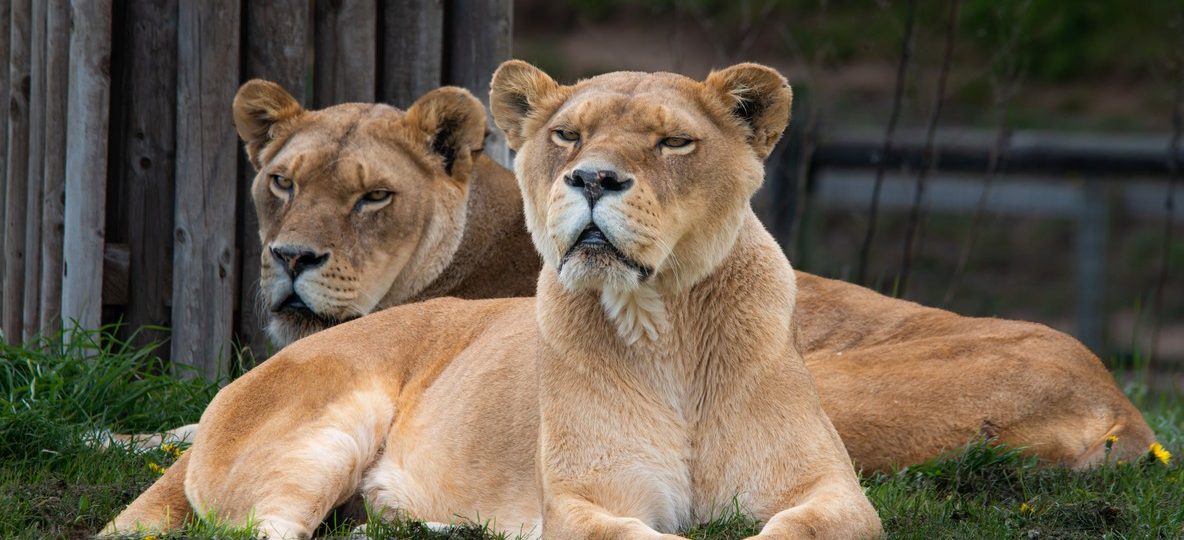
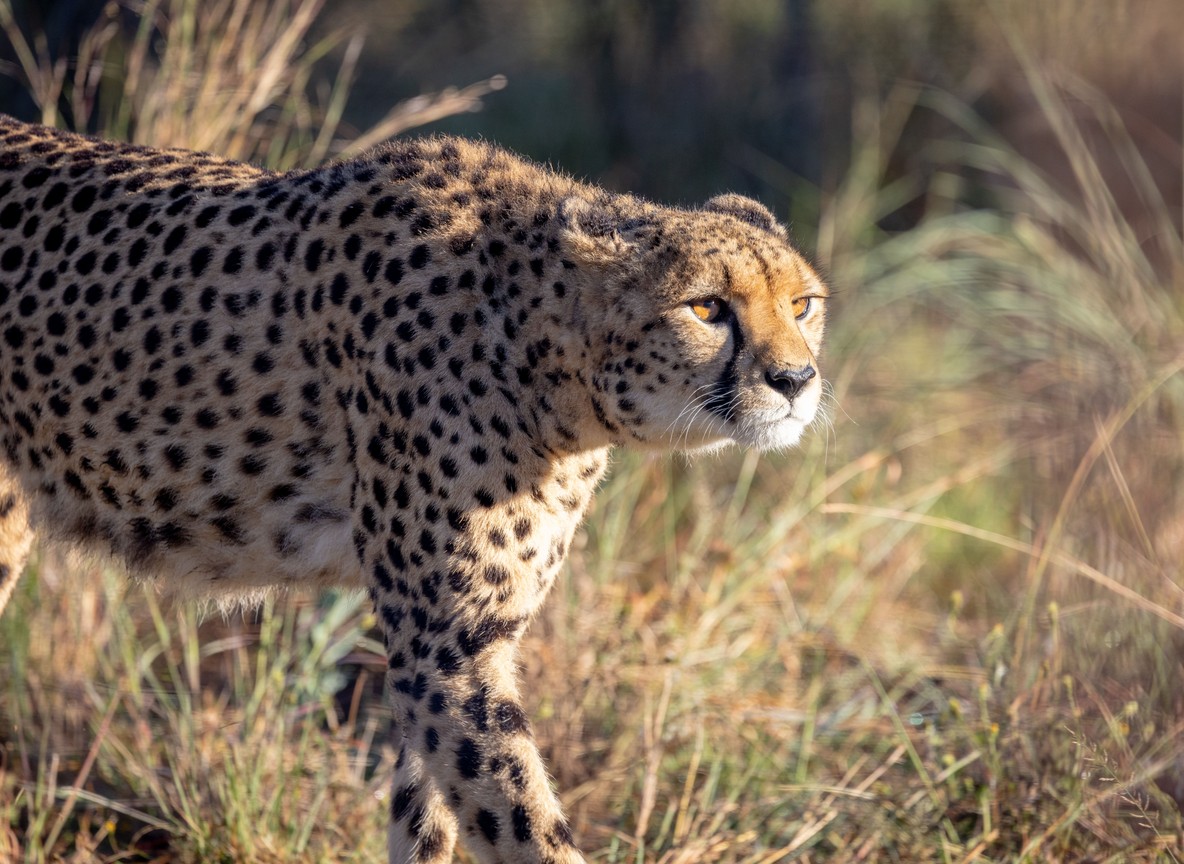
- Chasing big predator numbers: Mara North Conservancy and Olare Motorogi Conservancy carry some of the highest resident lion and cheetah densities in the entire Mara ecosystem.
- Prioritizing leopard sightings: Naboisho Conservancy has one of the highest documented leopard densities in Kenya, thanks to its riverine forest patches.
- Traveling on a tighter budget: Ol Kinyei Conservancy and Siana Conservancy typically run lower nightly rates than the northern conservancies while still delivering strong game viewing.
- Wanting deep community connection: Nashulai Maasai Conservancy and Lemek Conservancy are landowner-run models with the most direct cultural engagement built into the itinerary.
- Traveling solo and want privacy: Enonkishu Conservancy runs small camps with low guest counts, ideal for a quieter, more exclusive stay.
Trunktrails Safaris matches this list against your travel dates, budget, and priorities before recommending a single camp, since the right conservancy for a honeymoon looks nothing like the right conservancy for a family with teenagers or a solo wildlife photographer.
Masai Mara Conservancy vs National Reserve: Quick Comparison
| Factor | National Reserve | Private Conservancy |
|---|---|---|
| Managed by | Narok County Government | Maasai landowners and camp partners |
| Total combined size | Approx. 1,510 km2 | Approx. 1,400+ km2 across 14+ conservancies |
| Entry fee style | Paid per person, per day, at the gate | Bundled into nightly camp rate |
| Vehicle density | No enforced cap | Capped, typically 3-5 per sighting |
| Night drives and walks | Not permitted | Permitted |
For a full breakdown of this comparison, Trunktrails Safaris also publishes a dedicated guide on choosing between the national reserve and a private conservancy for your safari base.
The Trunktrails Advantage
Trunktrails Safaris has built direct relationships with camp operators across Mara North, Naboisho, Olare Motorogi, and the smaller community conservancies, which means our guests get conservancy access without guesswork over fees or availability. We know which camps sit closest to resident prides this season, not last year’s, because our guides work these landscapes year-round.
Every conservancy itinerary from Trunktrails Safaris is priced with the conservancy fee already accounted for, so there are no surprise charges on arrival. Whether you want the open plains of Mara North, the leopard-rich forests of Naboisho, or the quiet community model of Nashulai, our team builds tours and safaris around the conservancy that actually fits your trip, not a one-size itinerary. 🦒
Ready to Book Your Masai Mara Conservancy Safari?
Choosing a masai mara conservancy comes down to matching its strengths to your priorities, whether that is predator density, leopard sightings, community connection, or a quieter, more private camp. Every conservancy on this list delivers real wildlife and real access that the national reserve simply cannot offer under its current rules. 🌍
Further reading
More safari planning resources
- Interactive Maasai Mara map from Valley Safaris
- Maasai Mara National Reserve guide on Touring Insights
- Masai Mara destination guide on FindMySafari
- Kenya national parks map from Valley Safaris
Message Trunktrails Safaris on WhatsApp at +254 113 208888 or email info@trunktrailssafaris.com to talk through which conservancy fits your dates and budget. Visit trunktrailssafaris.com to see current tours and safaris departures into Mara North, Naboisho, and beyond, and let our team build your conservancy itinerary today. 📸