
Lake Turkana Kenya: The Jade Sea, Cradle of Mankind and Far North Safari
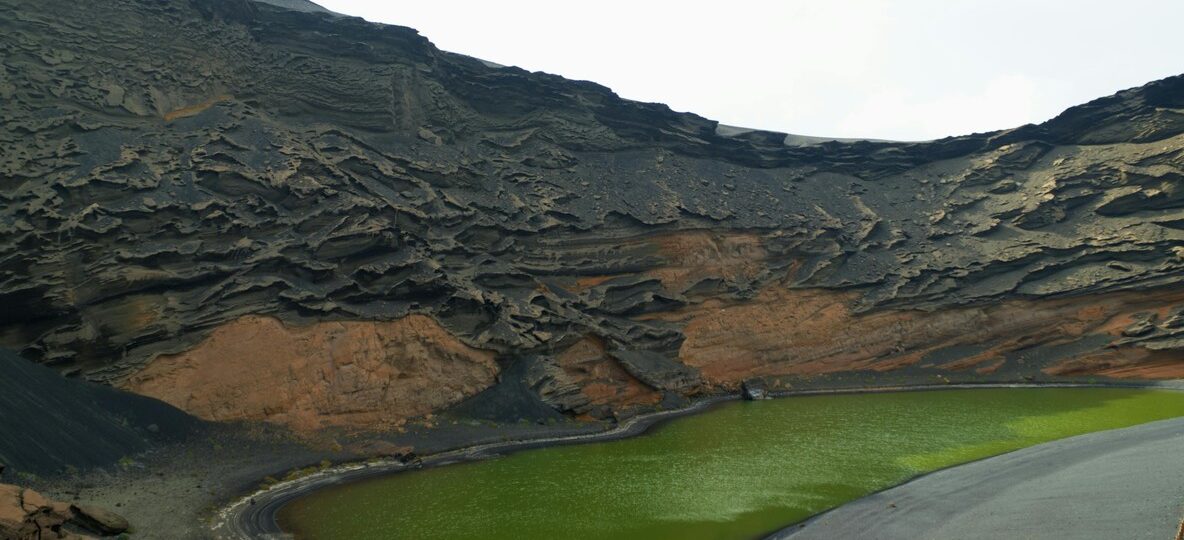
🌍 The water is the colour of malachite. Stretched across 6,405 square kilometres of semi-desert in Kenya’s far north, Lake Turkana sits at the edge of everything most safaris never reach. Wind-hammered shores. Fossilised shorelines where hominid skulls half a million years old still surface after rains. Nile crocodiles the size of dugout canoes. And a silence so complete you can hear your own pulse.
This is not a comfortable destination. That is exactly the point.
Lake Turkana Kenya is the world’s largest permanent desert lake, the world’s largest alkaline lake, and a UNESCO World Heritage Site sitting within one of Earth’s most intact wilderness corridors. At Trunktrails Safaris, we bring travellers here who want something no other Kenya safari can offer: a destination that has barely changed since the first hominids walked its shores.
This guide covers what to see, how to get there, the best time to go, and why the far north should be on your Kenya safari itinerary if you are serious about raw, unmediated Africa.
What Makes Lake Turkana Different From Every Other Kenya Safari
Most Kenya safaris orbit a well-worn circuit: Masai Mara, Amboseli, Samburu, done. Lake Turkana is where that circuit breaks down entirely.
The lake occupies the floor of the Great Rift Valley in Turkana County, roughly 700 kilometres north of Nairobi. Its waters are fed almost entirely by the Omo River from Ethiopia, and its high sodium and fluoride content turns the surface a vivid jade-green that gives it the nickname “The Jade Sea.” At sunset, the water shifts from teal to bronze to deep copper. No photograph does it justice.
What separates a lake turkana safari from any other remote Kenya experience:
- Human evolutionary significance — the Koobi Fora region on the eastern shore has yielded more early hominid fossils than anywhere else on earth. The National Museums of Kenya manage an on-site research station here.
- Three active volcanoes — South Island, North Island, and Central Island are all volcanic. Central Island hosts breeding populations of Nile crocodiles and flamingos simultaneously.
- Indigenous peoples — the Turkana, El Molo, Dassanach, and Gabbra communities have lived around this lake for thousands of years. Many still do, largely on their own terms.
- Absolute remoteness — this is frontier Kenya. The infrastructure is minimal, the distances are large, and the rewards are proportionally immense.
Sibiloi National Park: Kenya’s Cradle of Mankind
On the northeastern shore of Lake Turkana, Sibiloi National Park covers 1,570 square kilometres of volcanic desert. It is Kenya’s most remote national park, and it is here that paleoanthropologist Richard Leakey’s team made the fossil discoveries that rewrote the human evolutionary timeline.
The petrified forest at Sibiloi is remarkable on its own terms: ancient tree trunks, now stone, lying where they fell in a forest that existed two to three million years ago when this landscape was wet and dense. Walk among them with a ranger and the scale of deep time becomes tangible.
Wildlife at Sibiloi:
- Grevy’s zebra (classified as endangered, with Sibiloi supporting a significant population)
- Reticulated giraffe
- Beisa oryx
- Tiang (a subspecies of topi found only in the far north)
- Grant’s gazelle
- Striped hyena
- Nile crocodile (Central Island hosts an estimated 12,000 — one of Africa’s largest concentrations)
The bird life is extraordinary. Flamingos, African fish eagles, goliath herons, and the Carmine bee-eater colonies that turn the cliffs pink during the nesting season are consistent highlights.
The Lake Turkana Tribes: Culture at the Edge of the World
Four distinct communities live on and around Lake Turkana’s shores, and responsible cultural encounters are one of the most powerful reasons to make this journey with a guide who has established community relationships.
The Turkana are pastoralists who keep camels, goats, and cattle across the dry lands east of the lake. Their beadwork, body scarification, and ceremonial dress are among the most visually striking in East Africa. The Turkana have survived millennia in one of Kenya’s harshest environments through an intimate knowledge of weather, water, and movement.
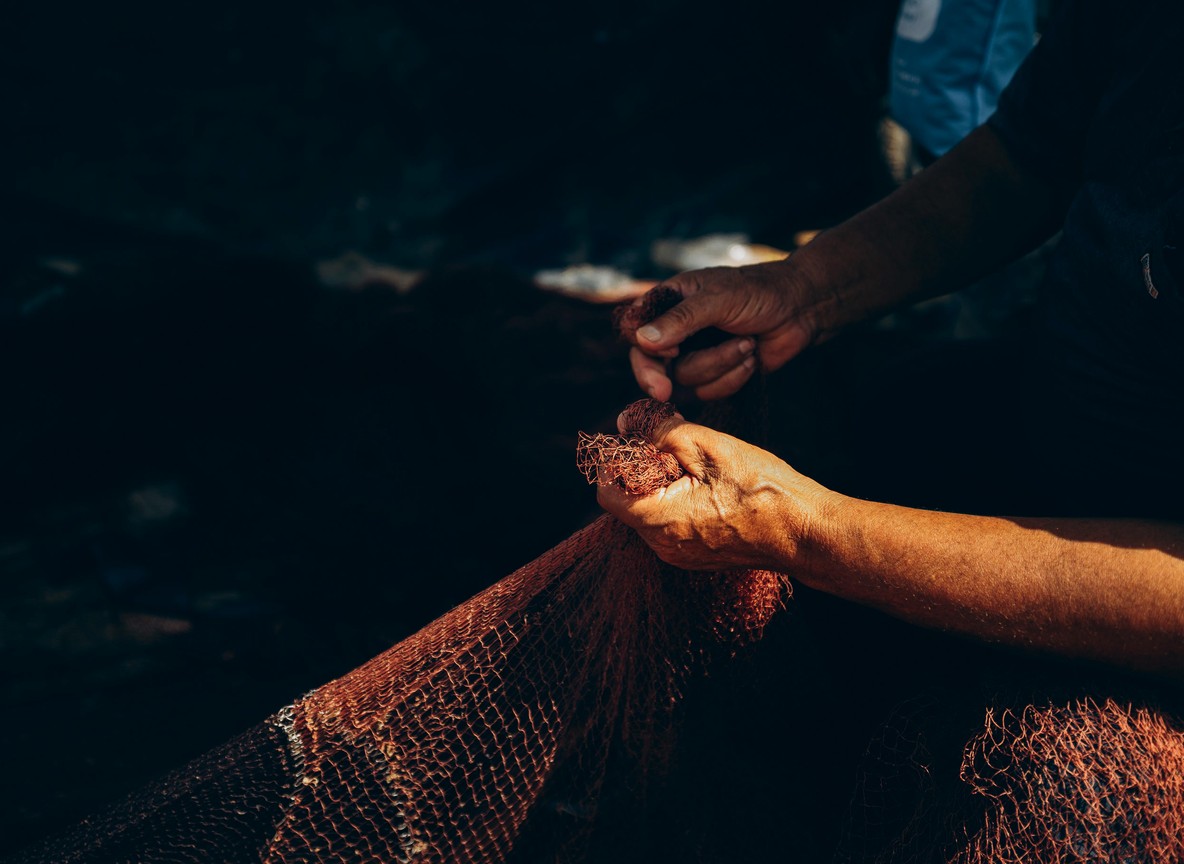
The El Molo are Kenya’s smallest ethnic group, numbering fewer than a thousand people, living on the southern shores. They are the lake’s original fishermen, paddling rafts made from doum palm logs and hunting hippo with harpoons in a practice that stretches back centuries. A visit to an El Molo village is a genuinely rare experience — not a performance, but a living community navigating the tension between a traditional economy and a changing world.
The Dassanach live on the Ethiopian border at the lake’s northern tip and cross into Kenya seasonally. Their fishing villages and cattle camps are among the most photogenic scenes in northern Kenya.
The Gabbra are camel-herding nomads of the Chalbi Desert, east of the lake. During the Chalbi leg of a northern kenya safari, encounters with Gabbra camel caravans are unforgettable.
At Trunktrails Safaris, cultural visits are arranged with community consent and guide relationships built over years. We do not show up unannounced.
Ferguson’s Gulf: Where the Birds Are
The western shore of Lake Turkana at Ferguson’s Gulf is a birding destination of international standing. The shallow, nutrient-rich waters support enormous concentrations of waterbirds year-round.
Highlights include:
- African skimmer — breeding colonies on sandbanks
- Pied kingfisher — in extraordinary numbers
- Pink-backed pelican
- Marabou stork
- African open-billed stork
- Greater and lesser flamingo — numbers fluctuate with water levels but large flocks are regular
The flamingos respond to changes in algal blooms. A good year at Ferguson’s Gulf can produce flamingo concentrations rivalling Nakuru in its peak years. For wildlife travellers, this alone justifies the journey.
Central Island National Park: The Crocodile Island
Central Island sits three kilometres offshore and rises from the lake as three volcanic craters, each holding its own salt lake. It is one of the most unusual places in Kenya.
The largest crater lake hosts an estimated population of Nile crocodiles that is unmatched anywhere on earth. At breeding season (February to March), crocodiles come ashore in numbers that make walking the island surreal. The sheer size of the individuals here — many exceeding five metres — reflects a population that has been largely undisturbed by humans.
Access is by boat from Loyangalani or Ferguson’s Gulf. The crossing takes 30 to 45 minutes and should only be made in calm conditions — afternoon winds on Turkana can build to dangerous speeds with very little warning.
Practical note for your itinerary: Schedule Central Island for morning. By noon, the wind is often up and the crossing becomes uncomfortable.
The Koobi Fora Fossil Site: Walking With Our Ancestors
On the eastern shore of the lake, the Koobi Fora spit is the scientific heart of the Lake Turkana basin. Since the late 1960s, more than 10,000 vertebrate fossils have been recovered here, including skull fragments, teeth, and limb bones from multiple early hominid species.
Key discoveries from Koobi Fora include:
- KNM-ER 1470 — a 1.9-million-year-old skull that became one of the most debated fossils in paleoanthropology
- KNM-ER 1813 — a complete Homo habilis skull
- Paranthropus boisei specimens in exceptional preservation
The site has a small but well-curated on-site museum managed in partnership with the National Museums of Kenya. Guided tours with a qualified interpreter transform what might look like scattered stones into one of the most profound experiences available on any Africa safari.
For travellers who want their travel to carry intellectual weight, Koobi Fora is unmatched anywhere in East Africa.
Best Time to Visit Lake Turkana Kenya
| Month | Conditions | Notes |
|---|---|---|
| Jan-Feb | Hot, dry, windy | Good visibility; Central Island crocodile breeding |
| Mar-Apr | Short rains possible | Some tracks impassable if rains are heavy |
| May | Cool, some rain | Best for overland routes; green desert |
| Jun-Aug | Dry, windy | Best for flying in; bird life excellent |
| Sep-Oct | Hot, dry | Peak season for fossil hunting conditions |
| Nov-Dec | Short rains | Road conditions unpredictable; fewer visitors |
The jade sea kenya experience changes dramatically with season. The cool season (June to August) is the most consistently comfortable for overland travellers. The dry season (January-February and September-October) offers the clearest views and best road conditions for those driving north from Samburu.
Wind warning: Lake Turkana is one of the windiest places in Africa. The afternoon winds (locally called the “Lake Turkana breeze”) can gust to 80 km/h from mid-morning onward. Plan activities for early morning whenever possible.
How to Get to Lake Turkana
This is the question that stops most people — and the answer determines the quality of the experience.
By air (recommended for most travellers): Fly into Loyangalani airstrip from Nairobi Wilson Airport via Samburu. Charter flights operate on request. Flight time is approximately 2.5-3 hours. This approach is expensive but delivers you directly to the southern shore, avoiding two days of road travel each way.
Overland via Samburu (adventurous, rewarding, slow): Drive north from Samburu through Archer’s Post, Wamba, Marsabit, and across the Chalbi Desert to reach the lake’s eastern or southern shore. This is 4WD-mandatory territory. The route passes through Marsabit National Park (another Kenyan gem that most visitors miss) and crosses volcanic desert that looks like the surface of Mars. Allow 3-4 days each way.
Combined fly-in/overland (the best of both worlds): Fly in to Loyangalani, explore the lake for 3-4 days, then overland south via Marsabit and Samburu on the return. This is our recommended itinerary at Trunktrails Safaris for travellers who want the full northern Kenya experience without the brutal double overland.
Our 7-day northern Kenya safari itinerary covers this fly-in/drive-out format in detail.
Where to Stay at Lake Turkana
The accommodation options at Lake Turkana are deliberately limited — this is a feature, not a bug.
Oasis Lodge, Loyangalani — the southern shore’s most established camp, with tented accommodation, a small pool (genuinely useful given the heat), and boat access to Central Island. Simple but comfortable.
Koobi Fora Research Station — basic research accommodation on the eastern shore, bookable through the National Museums of Kenya. Not luxury, but the location is extraordinary.
Mobile camping — for overland groups and adventurous fly-in guests, a mobile tented camp is the most immersive option. Trunktrails Safaris can arrange full mobile operations with our own tented equipment and cook.
For context on how northern Kenya camp logistics work, our northern Kenya safari cost guide breaks down what to expect at each tier.
Combining Lake Turkana with Samburu and Shaba
The northern Kenya safari circuit connects naturally. Most guests who commit to the journey combine Turkana with:
- Samburu National Reserve — the obvious starting point; Samburu’s Special Five set the tone before the landscape shifts into true desert further north
- Shaba National Reserve — east of Samburu, Shaba is where Joy Adamson wrote “Born Free” and the landscape is strikingly different from Samburu’s riverine forest
- Marsabit National Park — a forest-topped volcanic mountain in the middle of the desert, with forest elephants and stunning crater lake views
- Reteti Elephant Sanctuary — the first community-owned elephant sanctuary in Africa, run by the Samburu people; a genuinely moving experience
Our Samburu game reserve guide covers the starting point of this circuit.
The Trunktrails Advantage
Most operators simply do not go this far north. The route requires specialist vehicles, community permits, knowledge of seasonal road conditions, and guide relationships with Turkana, El Molo, and Gabbra communities that take years to build.
At Trunktrails Safaris, we have been running tours and safaris in northern Kenya for years. Our guides know this country the way most city guides know Nairobi: the names of the fishermen at Ferguson’s Gulf, the best spots on Central Island for crocodile photography before the wind comes up, the elder in the El Molo village who speaks Swahili and Turkana and will explain what the seasonal flooding means for the fishing season.
What we offer on a Lake Turkana safari:
- Custom routing — fly-in only, overland only, or combined fly-in/drive-out, designed around your timeline and fitness for rough travel
- Licensed 4WD vehicles with experienced northern Kenya drivers who have driven the Chalbi route dozens of times
- Community introductions that go beyond the surface-level “village visit”
- Fossil site access coordinated with the National Museums of Kenya
- Mobile tented camps set up in locations that no lodge can reach
- 5% of every booking directed to wildlife conservation — including projects in the Lake Turkana basin supporting Grevy’s zebra and Northern White Rhino research
We are , native Kenyan-owned, and we give you a direct line to the team planning your journey. No middlemen. No cookie-cutter itineraries.
Our northern kenya safari guide maps the full circuit for those planning a longer northern trip.
Ready to Book Your Lake Turkana Safari with Trunktrails Safaris?
Lake Turkana is not a destination you stumble into. It rewards deliberate, well-planned travel — and the travellers who make the effort come back changed. Jade water. Hominid skulls. Crocodiles the length of a Land Cruiser. Nights so quiet the only sound is the wind coming off the lake.
At Trunktrails Safaris, we design every tours and safaris itinerary around your dates, fitness, and what matters most to you. If the far north is calling, talk to us. We know this country from the inside out, and Lake Turkana is one of the places we love most.
Further reading
More safari planning resources
- Map of Samburu from Valley Safaris
- Samburu National Reserve guide on Touring Insights
- Samburu destination guide on FindMySafari
- Best time to visit Kenya month-by-month map from Valley Safaris
📞 WhatsApp: +254 113 208888 📧 Email: info@trunktrailssafaris.com 🌐 Website: https://trunktrailssafaris.com
Image credits: Photo by Robert Harutyunyan on Pexels; Photo by Eslam Mohammed Abdelmaksoud on Pexels; Photo by Ali Kazal on Pexels; Photo by Léonide Mahajanjy on Pexels; Photo by Fabricio Miranda on Pexels