Lake Baringo Safari: Kenya’s Underrated Birding and Boat Country
Most Kenya itineraries skip the Rift Valley lakes north of Nakuru. That is their loss and your opportunity. Lake Baringo sits 150km north of Nakuru at 970m altitude, a freshwater lake that is quietly one of Africa’s finest birding and boat safari destinations. It holds over 470 recorded bird species. It holds the highest hippo density of any freshwater lake in Africa. And it is almost entirely without the crowds that have made the southern Rift Valley parks a logistics exercise.
Trunktrails Safaris has been running tours and safaris to Lake Baringo for years. Here is why it belongs on your Kenya route.
What Makes Lake Baringo Different from Other Kenyan Destinations
The Rift Valley lakes divide into two categories: the alkaline flamingo lakes (Nakuru, Bogoria, Magadi) and the freshwater lakes (Baringo, Naivasha). Baringo is the northernmost freshwater lake in the chain and the one that most visitors from the south do not reach.
The combination of freshwater, papyrus swamps, acacia scrubland, and rocky escarpments creates habitat diversity that produces extraordinary bird lists. The cliff faces of the Tugen Hills behind the lake support species found nowhere else in this concentration in Kenya.
Three features make Baringo genuinely different from every other lake safari in Kenya:
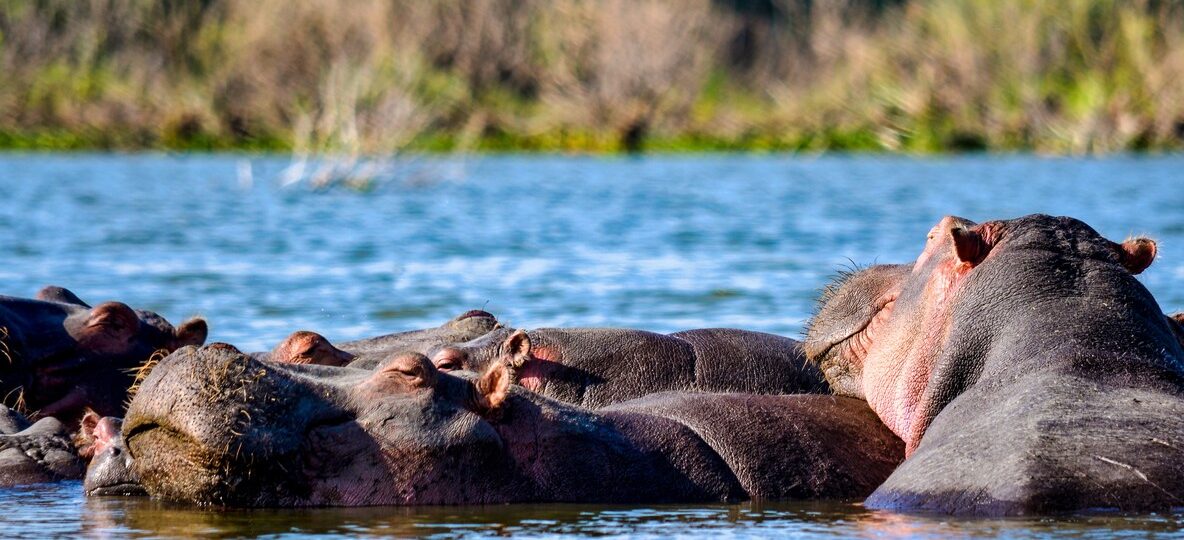
1. The hippos. Baringo’s hippos are habituated to boats and easily approached at close range. Morning and late afternoon boat safaris on the lake bring you within metres of hippo pods. The pods are large, vocal, and active in the shallower sections near the papyrus beds.
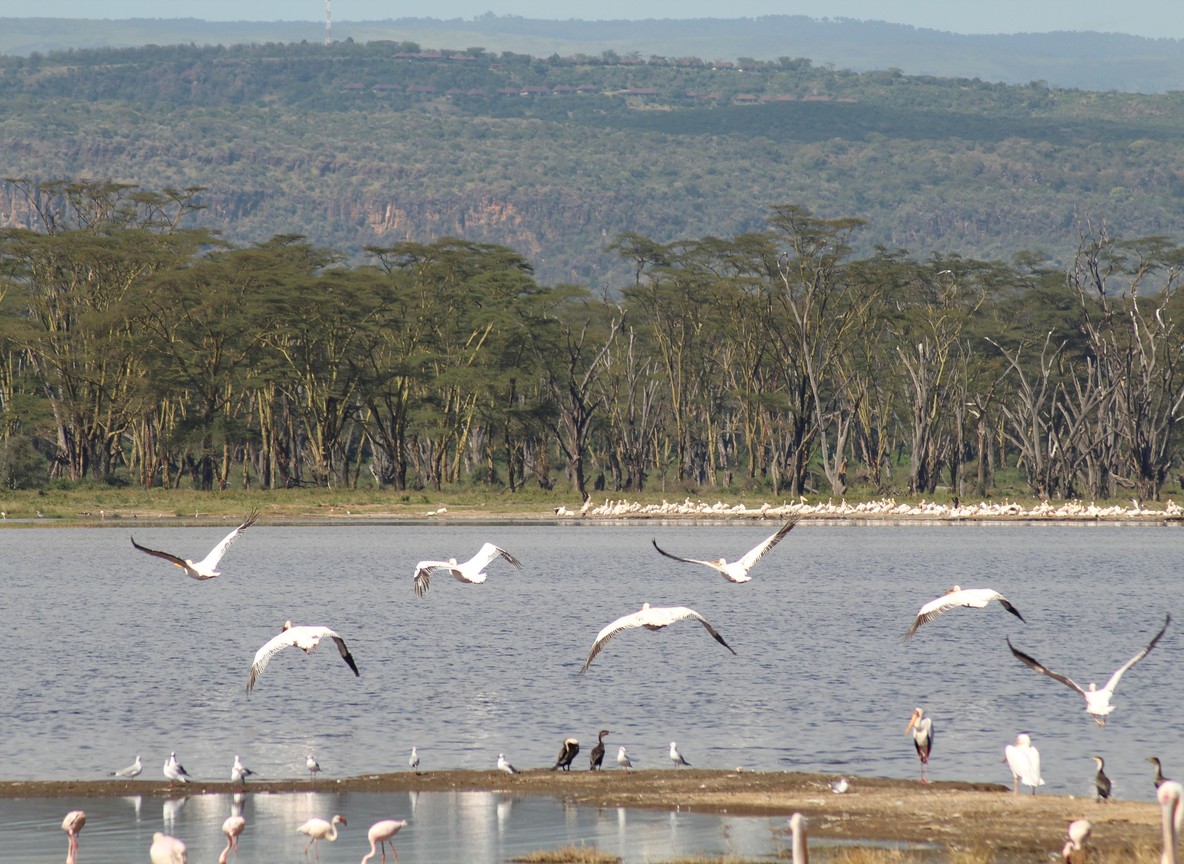
2. The boat access to birds. A dawn boat safari on Baringo covers Goliath herons, African fish eagles, various kingfisher species, malachite, pied, and giant kingfishers all in one pass. The open freshwater also attracts migrant waders in the October to April period.
3. The escarpment birds. The cliffs and rocky faces of the Tugen Hills hold Verreaux’s eagles, Hemprich’s hornbills, and bristle-crowned starlings. These are birds you do not find at any standard Big Five park.
Lake Baringo Birds: What You Will See
The 470+ species recorded at Baringo makes it one of the top five birding sites in Kenya. For reference, the entire UK has around 600 recorded species. Baringo’s list in a single lake catchment rivals that figure.
Key species by habitat:
| Habitat | Key Species |
|---|---|
| Open water | African fish eagle, Goliath heron, great white pelican, grey heron |
| Papyrus swamps | Papyrus yellow warbler (near-endemic), African jacana, lesser moorhen |
| Acacia scrub | D’Arnaud’s barbet, white-bellied go-away-bird, grey-backed camaroptera |
| Rocky escarpments | Verreaux’s eagle, Hemprich’s hornbill, bristle-crowned starling |
| Shoreline | Various sandpipers, Little stint, Ruff (migrants Oct-April) |
The papyrus yellow warbler is a particular target species for serious birders. It is a papyrus specialist found only at a handful of sites across Africa. Baringo is one of the most reliable locations.
African fish eagles are everywhere at Baringo. Their call is one of the definitive sounds of the African interior. On a morning boat, you will hear them calling across the water before you see them perched in the dead trees along the shoreline. That image of an eagle over water is one of the photographs Baringo is known for.
The Boat Safari Experience
No trip to Baringo is complete without a boat safari. Local boatmen and conservancy-affiliated guides run early morning and late afternoon trips from the main camp shorelines.
A standard morning boat safari runs 1.5 to 2 hours and typically covers:
- Hippo pod approach (the main attraction for most first-timers)
- Active fishing eagle perches along the papyrus edges
- Breeding colonies of cormorants and darters on the rocky islands
- Islands with breeding colonies of African skimmer (seasonal)
- Crocodile basking sites along the eastern shore
Water levels at Baringo have fluctuated in recent years due to rainfall variability in the Tugen Hills catchment. Camp managers will advise on current conditions and which sections of the lake are most productive. Trunktrails Safaris always checks conditions before confirming boat-heavy itineraries.
When to Visit Lake Baringo
Baringo is productive year-round but each season has a character:
January to March (Dry): Best conditions for game viewing around the lake shore. Water levels lower, concentrating animals. Migrants from the north present through March.
April to May (Long Rains): Lake level rises. Some tracks flood. Birding quality drops slightly but breeding activity increases. Accessible camps remain open but the experience is quieter.
June to October (Dry Season): Prime season. Clear skies, predictable temperatures, good road conditions. Combine with Samburu (3 hours north) or Bogoria (30 minutes south) for a Rift Valley circuit.
October to December (Short Rains + Migrant Peak): Migrant waders arrive from Europe and Asia. October and November are underrated months for serious birders at Baringo.
Combining Baringo with a Kenya Safari Circuit
Lake Baringo works best as part of a northern Kenya circuit rather than a standalone destination.
Classic Rift Valley circuit: Nairobi – Lake Nakuru (flamingos, rhinos) – Lake Bogoria (greater flamingos, hot springs) – Lake Baringo (birding, hippos, boat safari) – Samburu National Reserve (Samburu Special Five) – return to Nairobi or fly to Masai Mara.
This 7-10 day route is one of the most diverse wildlife circuits in Kenya and one of the least congested. You cover flamingos, rhinos, hippos, 470+ bird species, Grevy’s zebra, and reticulated giraffe without seeing a single overcrowded game track.
Trunktrails Safaris runs this circuit regularly and has established relationships with the best camp operators along the route.
Accommodation at Lake Baringo
Camps at Baringo range from comfortable tented lodges to more basic bandas. The best camps sit on the western shore with views across the water to the Tugen Hills escarpment.
Island Camp is the most atmospheric option, located on one of the lake’s islands and accessible only by boat. Mornings at Island Camp start with African fish eagles calling from the trees thirty metres from your tent.
For clients on a mid-range budget, Roberts’ Camp on the lakeshore provides direct beach access and is one of the longest-established birding camps in Kenya.
Trunktrails Safaris recommends matching accommodation to the length of your stay. For two nights, a comfortable shoreline camp is ideal. For serious birding clients spending four or more nights, Island Camp’s isolation and habitat access justify the premium.
Practical Information for a Lake Baringo Visit
Getting there: Lake Baringo is 260km northwest of Nairobi via the A104 highway. Driving time is approximately 3.5-4 hours. The road is sealed throughout and in reasonable condition. Baringo town (Kampi ya Samaki) on the western lakeshore is the access point for most accommodation.
No commercial flight service currently runs directly to Baringo. Some private charter operators fly into a small airstrip on the western shore; this is an option for clients who are combining Baringo with a wider northern Kenya circuit and do not want to cover the full ground distance.
Currency and facilities: Baringo town has ATMs, but the bandwidth is limited and machines run dry on weekends. Arrive with cash. Most camps accept USD and card for the main stay payment but prefer local currency for incidentals.
Health and safety: The lake mosquito population is significant, particularly in the wet season and around sunset. Malaria prophylaxis is strongly recommended. The lakeshore camps provide nets. Trunktrails Safaris provides a full health briefing as part of the pre-departure pack for all northern and Rift Valley Kenya tours and safaris.
Mobile network: Safaricom has coverage at the main camps. Remote sections of the lake and the Tugen Hills escarpment have no reliable signal.
The Trunktrails Advantage
Lake Baringo rewards the curious traveller who wants Kenya without the main-road crowds. Trunktrails Safaris builds Baringo into itineraries for exactly the kind of client who has done the Mara twice and wants to discover a Kenya that most tourists drive past.
Our guides know the key birding sites, the best boatmen, and the seasonal patterns that determine which sections of the lake are most productive on any given visit. We combine Baringo with the wider Rift Valley and northern Kenya circuits to create multi-destination itineraries that cover more ground and more species than a single-park trip ever could.
Trunktrails Safaris is and runs tours and safaris across all of Kenya’s regions. We handle every logistics detail from Nairobi transfer to camp booking to boat safari scheduling.
Book Your Lake Baringo Safari
If you want a Kenya safari that goes beyond the obvious, Lake Baringo is the conversation starter. Contact Trunktrails Safaris and we will build a Rift Valley circuit around your dates and interests.
Further reading
More safari planning resources
- Rift Valley lakes map from Valley Safaris
- Best time to visit Kenya on Touring Insights
- Samburu destination guide on FindMySafari
- Best time to visit Kenya month-by-month map from Valley Safaris
WhatsApp: +254 113 208888 Email: info@trunktrailssafaris.com Website: https://trunktrailssafaris.com
Come for the birds. Stay for the hippos at sunrise. Trunktrails Safaris tours and safaris to the Rift Valley lakes are built for clients who want to see Kenya beyond the obvious itinerary. The boat leaves at 06:00. The African fish eagle is already calling. 🌅
Image credits: Photo by Bibhash Banerjee on Pexels; Photo by Ethan Ngure on Pexels; Photo by Sanjeed Quazi on Pexels