Laikipia Rhino Sanctuary Network: Kenya’s 840,000-Acre Rhino Stronghold Explained
The Laikipia rhino sanctuary network is not one park with a fence around it. It is five working conservancies: Ol Pejeta, Lewa, Borana, Loisaba, and Segera. Together they anchor a Kenya Wildlife Service corridor plan. The goal is roughly 840,000 acres of connected protected land north of Mount Kenya. Trunktrails Safaris built this guide to explain how each piece fits together. You will find what it costs to visit, and why this stretch of Kenya now holds more black rhinos than almost anywhere else on earth. 🦏
What Is the Laikipia Rhino Sanctuary Network?
Kenya’s black rhino population fell to under 300 animals by the 1980s, hunted close to extinction in a single generation. Recovery since then has been real: KWS census data puts Kenya’s black rhino count at roughly 1,000 animals today, alongside close to 970 southern white rhinos. But most of that recovery happened inside a handful of fenced, heavily guarded sanctuaries, which created a new problem. Small, isolated populations lose genetic diversity over time.
The Kenya Rhino Range Expansion Plan is the government’s answer. Instead of packing more rhinos into the same few reserves, KWS is linking secure habitats across Laikipia into one connected landscape. It works with both private and community conservancies to do this. Ol Pejeta, Lewa, Borana, Loisaba, and Segera are the five conservancies already carrying rhino populations inside that plan. KWS also wants to secure corridor land between them, most notably toward El Karama Ranch. Add that corridor land in, and the long-term vision reaches an estimated 840,000 acres. That would make it the largest rhino conservation landscape being built anywhere in Africa.
The Five Conservancies at a Glance
Each conservancy plays a different role in the network, from founding sanctuary to newest addition. The table below lays out real figures for size, drive and flight access from Nairobi, and each site’s part in the rhino story.
| Conservancy | Size | Rhino Role | Drive from Nairobi | Flight from Nairobi (Wilson) |
|---|---|---|---|---|
| Ol Pejeta Conservancy | 90,000 acres (~364 km²) | Largest black rhino sanctuary in East Africa; last 2 northern white rhinos on earth | ~200 km via Nyeri and Nanyuki, about 4 hours | Nanyuki Airstrip, roughly 45 minutes |
| Lewa Wildlife Conservancy | 62,000 acres (~250 km²) | UNESCO World Heritage Site; holds over 12% of Kenya’s black rhinos | ~280 km via Nanyuki and Isiolo, about 5-6 hours | Lewa Downs Airstrip, roughly 55 minutes |
| Borana Conservancy | 32,000 acres (~130 km²) | Fence removed with Lewa in 2013, forming a joint 93,000-acre rhino landscape | ~275 km, same route as Lewa | Borana or Lewa Downs Airstrip, roughly 55 minutes |
| Loisaba Conservancy | 56,000 acres (~230 km²) | Black rhinos reintroduced in 2018 after a 50-year absence | ~230 km via Rumuruti, about 5 hours | Loisaba Airstrip, roughly 55 minutes |
| Segera Conservancy | 50,000 acres (~202 km²) | 21 eastern black rhinos translocated in 2025; anchor for the El Karama corridor | ~240 km via Nanyuki | Segera Airstrip, roughly 50 minutes |
Ol Pejeta: The Anchor of the Network
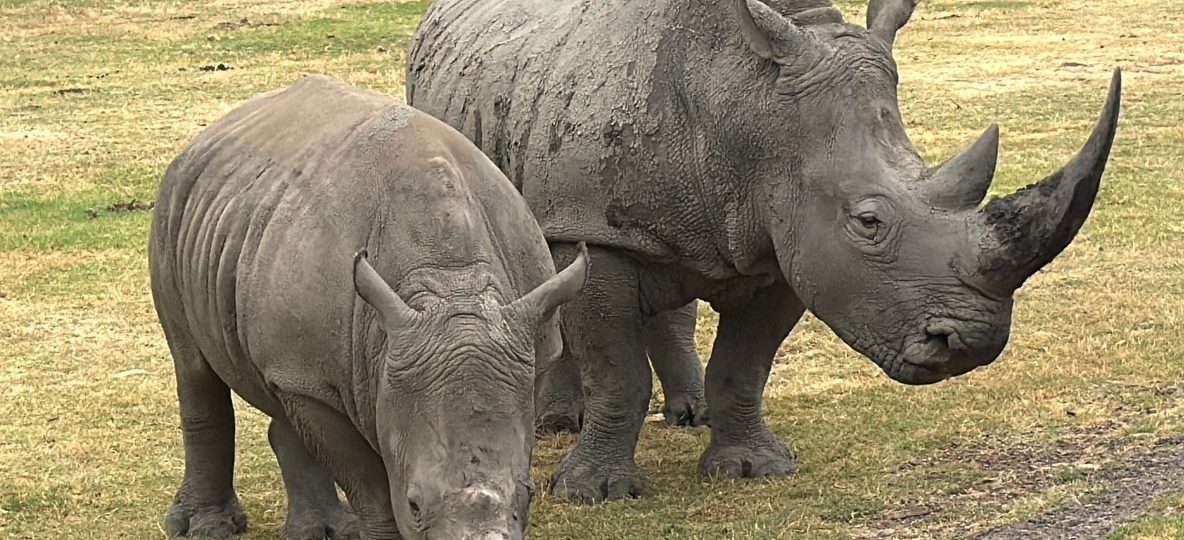
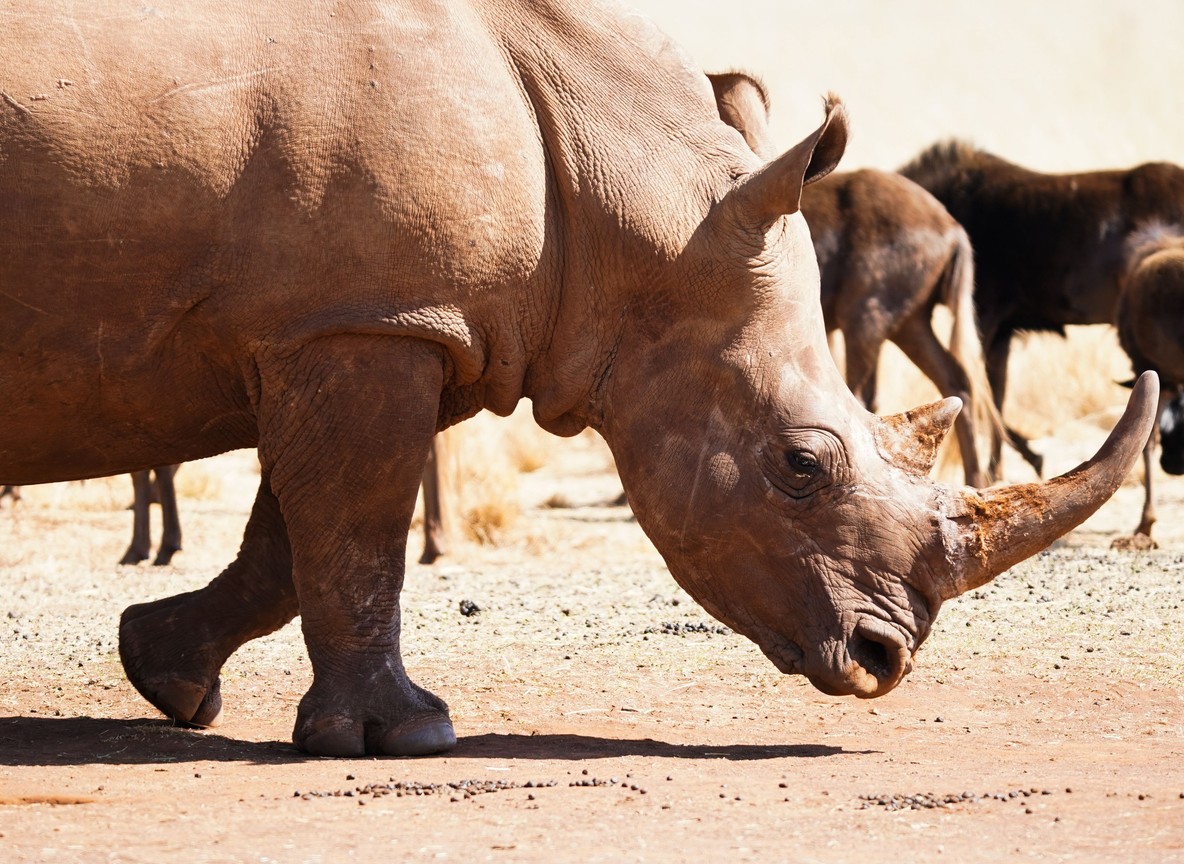
Ol Pejeta Conservancy is the largest black rhino sanctuary in East Africa. It is the reason most travelers first hear about rhino conservation in Laikipia at all. Its fenced 90,000 acres hold more than 140 black rhinos and a growing southern white rhino population. The conservancy also holds the last two northern white rhinos left alive anywhere on earth, Najin and her daughter Fatu. Both live under 24-hour ranger protection near the conservancy’s Sweetwaters area.
Ol Pejeta sits closest to Nairobi of the five sanctuaries and has the most developed tourism infrastructure, with several lodges and camps inside the fence line. For many visitors, an Ol Pejeta rhino tracking morning is the first stop on longer Laikipia tours and safaris before moving on to the quieter conservancies further north.
Lewa-Borana: The UNESCO Heartland
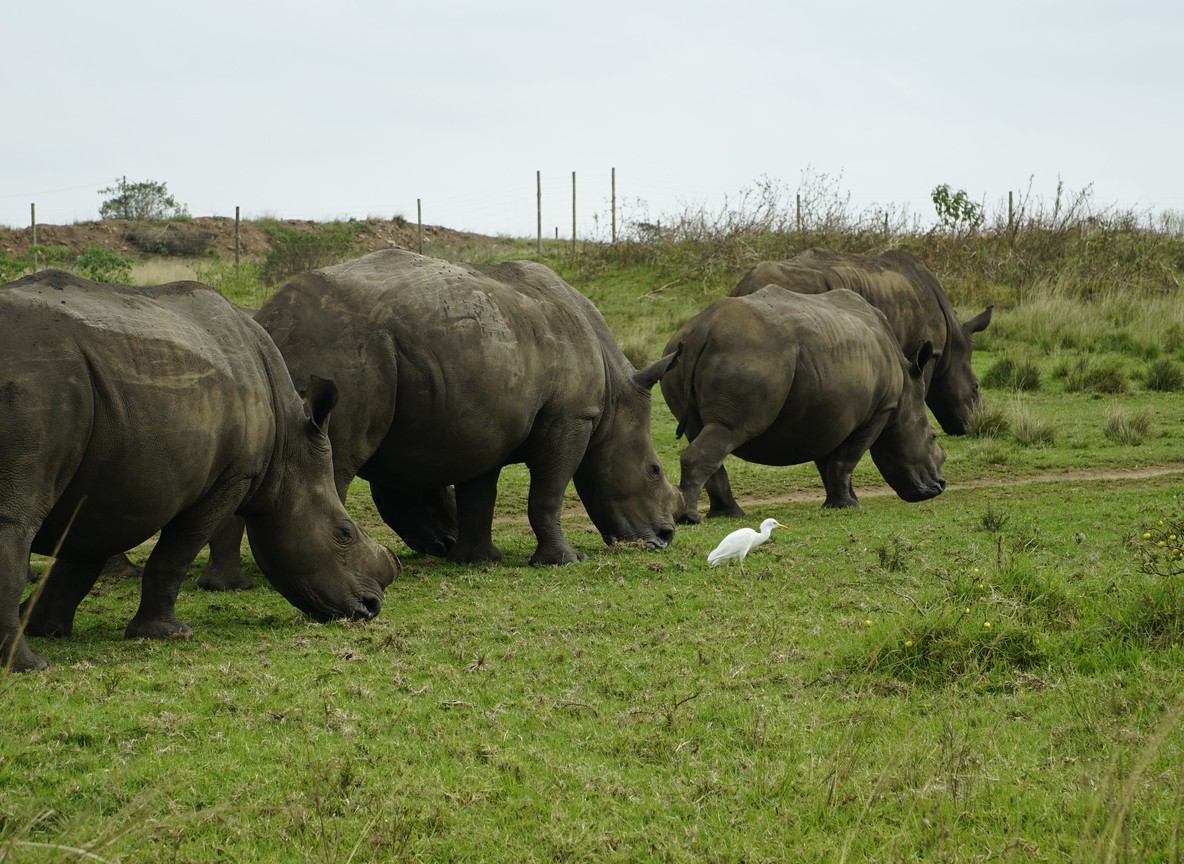
Lewa Wildlife Conservancy and Borana Conservancy removed the fence between them in 2013. That merger created a single 93,000-acre rhino landscape. It doubled the effective range available to both conservancies’ rhino populations, without adding a single new animal. That is proof that connecting land can matter as much as protecting it.
Lewa was recognized as part of a UNESCO World Heritage Site in 2013. The listing honors its role pioneering the community conservancy model. Neighboring Maasai and Samburu landowners share in tourism revenue and conservation decisions, instead of watching from outside a fence. Lewa alone carries more than 12% of Kenya’s total black rhino population, along with strong numbers of the highly endangered Grevy’s zebra.
Loisaba: Rhino’s Return After 50 Years
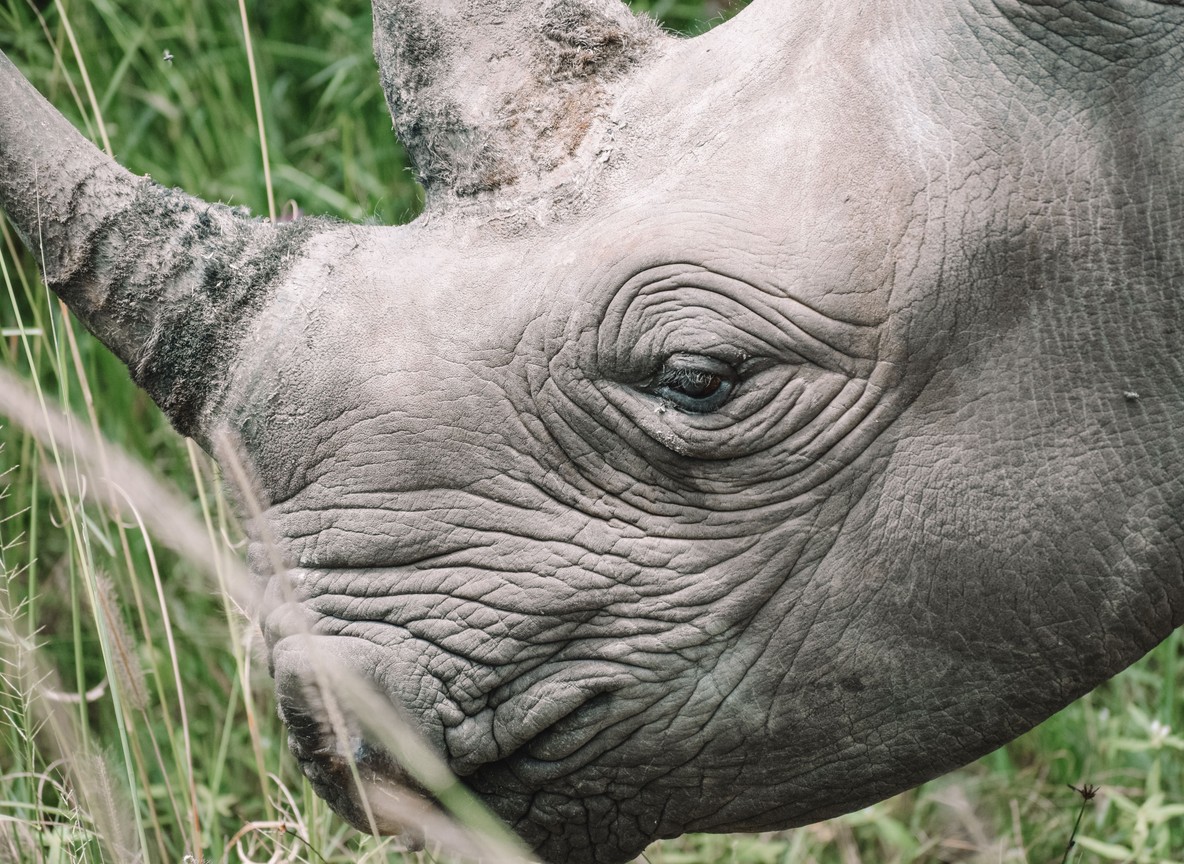
Loisaba Conservancy had no rhinos at all for roughly five decades. Local populations were wiped out by poaching in the 1970s. A 2018 translocation, coordinated with KWS and neighboring Lewa, finally brought black rhinos back onto its 56,000 acres. They returned to a landscape that already supported healthy elephant, lion, and wild dog populations.
Loisaba’s return matters for the wider network. It proved rhinos could be safely reintroduced onto conservancy land that had gone without them for two generations. KWS has since applied that same template at Segera.
Segera: The Newest Node in the Corridor
Segera Conservancy became the network’s newest rhino sanctuary in 2025. That year, KWS and the Zeitz Foundation translocated 21 eastern black rhinos onto its 50,000 acres. Segera also sits closest to El Karama Ranch, the property KWS hopes to link into the network next. That location is why Segera carries the most weight in the plan to reach the full 840,000-acre corridor vision. Trunktrails Safaris covers the Segera translocation story and the El Karama corridor plan in more depth in a separate guide, for travelers who want the full conservation history.
What It Costs to Visit the Network
Conservation fees fund the ranger salaries, fencing, and monitoring that make this network possible, and every visitor pays into that system directly. Fees below are indicative planning ranges only, always confirm current rates with your operator or the conservancy before booking.
| Conservancy | Indicative Daily Conservation Fee (per adult) | Indicative Lodge Rate (per person, all-inclusive) |
|---|---|---|
| Ol Pejeta Conservancy | USD 90-100 | USD 350-900 |
| Lewa Wildlife Conservancy | USD 100-130 | USD 500-1,200 |
| Borana Conservancy | USD 100-130 | USD 500-1,100 |
| Loisaba Conservancy | USD 80-100 | USD 450-1,000 |
| Segera Conservancy | USD 90-110 | USD 600-1,400 |
Laikipia Rhino Sanctuary Network vs Other Kenya Rhino Destinations
Kenya has other places to see rhinos, but none combine scale, connectivity, and low visitor density the way Laikipia does. Here is how the network compares.
| Destination | Size | Rhino Density | Crowd Level | Best For |
|---|---|---|---|---|
| Laikipia Rhino Sanctuary Network | ~840,000 acres (vision, connected corridor) | High across 5 linked conservancies | Low | Conservation-focused travelers, photographers |
| Nairobi National Park | 45 km² | Moderate, fenced on 3 sides | High, day-trip crowds from the city | Short layovers, first-time visitors |
| Lake Nakuru National Park | 188 km² | High, but small fenced area | Moderate to high | Easy access from Nairobi, birding combo trips |
| Meru National Park | 870 km² | Moderate, single fenced rhino sanctuary zone | Low | Off-the-circuit travelers wanting solitude |
Best Time to Track Rhinos in Laikipia
The dry seasons give the clearest tracking conditions across all five conservancies: June through October, and again December through March. Thinner vegetation makes rhinos easier to spot on foot or from a vehicle during those months. The long rains in April and May thicken bush cover and can affect road access on the Rumuruti and Isiolo routes. Flying between conservancies becomes the more reliable option during that season. The network also spans a range of elevations, from Ol Pejeta’s lower plains to Borana’s highland forest edge. That spread keeps rhino activity viewable across most of the calendar, even when one site slows down.
The Trunktrails Advantage
Trunktrails Safaris is a Kenyan-owned operator. Understanding a conservation network this complex takes more than a single lodge relationship. Our guides work across all five conservancies in the Laikipia rhino sanctuary network. That reach lets us sequence one connected itinerary. It can show the anchor sanctuary at Ol Pejeta, the UNESCO landscape at Lewa-Borana, and the newer conservation story unfolding at Segera.
We build every Laikipia route around real logistics. That means confirmed conservation fees, current flight schedules between conservancy airstrips, and honest advice on which combination of sites fits your dates and budget. Trunktrails Safaris also keeps clients current on translocation news and corridor progress, since this network is still actively growing. Maybe you want one focused rhino-tracking morning at Ol Pejeta. Or perhaps a full week of tours and safaris moving through all five conservancies suits you better. Either way, Trunktrails Safaris designs the route around what you actually came to see. 🌍
Ready to Visit Kenya’s Rhino Stronghold?
The Laikipia rhino sanctuary network is one of the few places left where you can watch a genuine conservation recovery happen in real time. Its land is large enough for rhinos to behave like wild animals again. Trunktrails Safaris can build your route through Ol Pejeta, Lewa, Borana, Loisaba, and Segera, around the dates, pace, and budget that work for you.
Further reading
More safari planning resources
- Ol Pejeta and Sweetwaters safari package from Valley Safaris
- Best time to visit Kenya on Touring Insights
- Big Five safari collection on FindMySafari
- Kenya national parks map from Valley Safaris
Reach out on WhatsApp at +254 113 208888 or email info@trunktrailssafaris.com, and our team will confirm current conservation fees, flight connections, and lodge availability across the network. Trunktrails Safaris books tours and safaris throughout Laikipia and beyond, so let us turn this guide into your next confirmed departure. 📸