
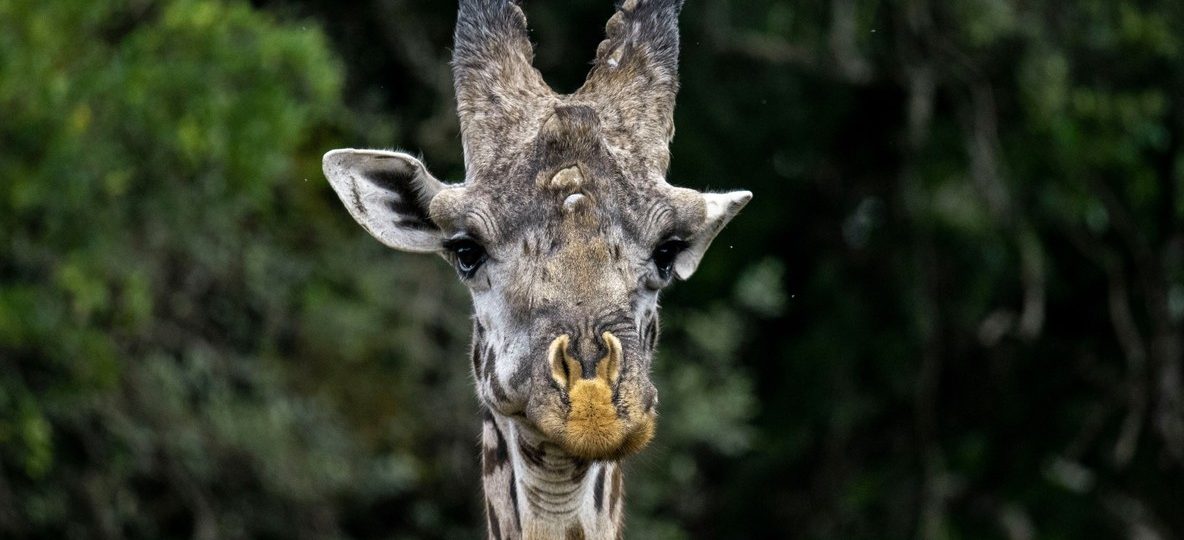
Kicheche Laikipia Camp: Photographing Kenya’s Rhinos From a Private Hide
Most rhino photographs from Kenya look the same: a distant grey shape through a dusty windscreen, shot from a vehicle you are sharing with five other guests. Kicheche Laikipia Camp changes that equation. The camp sits inside Ol Pejeta Conservancy, home to the largest black rhino population in East Africa, with its six tents and dining deck built at the edge of an indigenous forest overlooking a waterhole where rhino, elephant, and even a resident hippo come to drink. At Trunktrails Safaris, we get asked constantly where to get a real rhino photograph in Kenya, not a distant one. This is our honest answer.
This guide covers what Kicheche Laikipia Camp actually offers for rhino photography, what it costs, how it compares to other camps inside Ol Pejeta, and who should book it. No inflated claims, no invented facilities. Just what a photographer or conservation-minded traveler booking tours and safaris in Laikipia needs to know before committing.
Trunktrails Safaris arranges tours and safaris across Laikipia, the Masai Mara, and Amboseli, and this camp is one we recommend often for travelers whose trip is built around rhino conservation.
Where Is Kicheche Laikipia Camp and Why Ol Pejeta Matters
Kicheche Laikipia Camp is a six-tent property set within Ol Pejeta Conservancy, a 360-square-kilometre not-for-profit sanctuary in Laikipia County, at the foothills of Mount Kenya. Ol Pejeta holds the largest black rhino sanctuary in East Africa and is also home to Najin and Fatu, the world’s last two northern white rhinos, protected under 24-hour armed guard. That combination of scale and protection is why rhino sightings here are consistent rather than lucky.
The camp itself has five standard tents and one family suite, each with en-suite plumbing, a private veranda, and an unobstructed line of sight to the waterhole below. Breakfast is often served with rhino, elephant, or buffalo visible from the table. That proximity is the whole point: instead of driving out to find rhino, Kicheche Laikipia Camp puts the waterhole at your tent, which functions as a private, stationary hide for photographers who want eye-level, unhurried frames rather than a five-minute vehicle stop.
For active game drives further into the conservancy, Kicheche also runs dedicated photography vehicles with a drop-down side panel, padded flooring, and bean bags, so photographers can shoot low and flat instead of leaning out of a standard roof-hatch vehicle. Guides are briefed to work sightings for light and animal behavior, not just proximity.
Getting to Kicheche Laikipia Camp from Nairobi:
- By road: Approximately 210 to 217 km via the A2 Nairobi-Thika-Nanyuki highway. Allow 3.5 to 4 hours, then a further transfer into the conservancy (indicative, confirm exact transfer time at booking).
- By air: Wilson Airport to Nanyuki Airstrip, roughly 30 to 40 minutes flight time on scheduled carriers. From Nanyuki, it is approximately a 30-minute road transfer into Ol Pejeta Conservancy to reach camp.
What Rhino Photography Actually Looks Like at Kicheche Laikipia Camp
Here is the direct answer most listings avoid giving. You will not get guaranteed close-range rhino shots on demand, no camp can honestly promise that. What Kicheche Laikipia Camp does deliver is a structural advantage: a waterhole positioned directly in front of camp, inside a conservancy where black rhino density is the highest in the region.
What that means in practice:
- Rhino sightings from the tent deck or dining area, without boarding a vehicle, are common at dawn and dusk when animals come to drink
- Dedicated photography vehicles with drop-side access for low-angle, eye-level shots during game drives
- Small guest numbers, just six tents, which means fewer vehicles competing for the same sighting compared to busier reserves
- Access to rhino tracking activities inside Ol Pejeta, including visits to the enclosure protecting Najin and Fatu
- A resident hippo at the waterhole nicknamed Gloria by camp staff, alongside regular elephant visits
What you should not expect: a subterranean bunker-style hide dug into the ground, or same-day guaranteed sightings written into a brochure. Trunktrails Safaris would rather set that expectation clearly than let a guest arrive assuming more than the camp promises. 📸
Tents, Meals, and Facilities: What to Expect at This Price Point
Kicheche Laikipia Camp sits in the small-camp, high-service bracket. Each of the six tents has plumbed en-suite bathrooms, a large L-shaped bedroom, a private veranda facing the waterhole, WiFi, and charging points. The central lounge and dining tent has two fireplaces for cool Laikipia evenings, since the camp sits at higher altitude than most Kenyan safari destinations.
Meals follow the standard safari rhythm: early breakfast before the first game drive, lunch on return, dinner after the evening activity, with rates typically full board including a shared game-viewing vehicle, night drives, and guided bush walks.
Before booking, confirm directly:
- Whether the rate includes rhino tracking and community visits, or if these are add-ons
- Photography vehicle availability if you are booking specifically for a photographic trip
- Night drive frequency, since Ol Pejeta is one of the few conservancies licensed for them
- Transfer arrangements from Nanyuki Airstrip to camp
Trunktrails Safaris confirms these details directly with Kicheche before payment, so guests know exactly what a photographic stay includes before arrival.
Quick Facts: Kicheche Laikipia Camp and Ol Pejeta Conservancy
| Detail | Figure |
|---|---|
| Kicheche Laikipia Camp tent count | 6 (5 standard tents, 1 family suite) |
| Ol Pejeta Conservancy size | 360 km² (approx. 90,000 acres) |
| Nairobi to Ol Pejeta by road | Approx. 210-217 km via A2 highway |
| Drive time Nairobi to Ol Pejeta | Approx. 3.5 to 4 hours |
| Nearest airstrip | Nanyuki Airstrip, approx. 30-minute road transfer to camp |
| Flight time Wilson Airport to Nanyuki | Approx. 30 to 40 minutes |
| Ol Pejeta conservation fee (non-resident adult, indicative 2026) | Approx. $110 per person, per day |
| Ol Pejeta conservation fee (non-resident child, indicative 2026) | Approx. $55 per person, per day |
| Kicheche Laikipia Camp indicative rate | Approx. $700-950 per person, per night, full board |
Fees and rates above are indicative ranges for planning only, not published prices. Trunktrails Safaris confirms current conservancy fees and camp rates directly before booking.
How Does Kicheche Laikipia Camp Compare to Other Ol Pejeta Camps?
Ol Pejeta Conservancy hosts several accommodation tiers, from mid-range lodges to small luxury camps. Here is how Kicheche Laikipia Camp compares to named alternatives inside the same conservancy:
| Camp | Setting | Tier | Indicative Rate (pp/night, full board) |
|---|---|---|---|
| Kicheche Laikipia Camp | 6 tents on a private waterhole, indigenous forest edge | Small luxury | $700-950 |
| Porini Rhino Camp | 7 eco-tents, exclusive traversing area within Ol Pejeta | Eco-luxury | $400-600 |
| Sweetwaters Serena Camp | Larger established tented camp, central Ol Pejeta | Mid-range to upscale | $250-400 |
Rates are indicative for comparison purposes and are not confirmed live prices. Trunktrails Safaris verifies exact figures at the time of booking.
Kicheche Laikipia Camp’s advantage over both alternatives is the waterhole itself. Porini Rhino Camp and Sweetwaters Serena Camp both sit inside the same rhino sanctuary and offer strong game viewing, but neither is built around a waterhole positioned to function as a stationary photographic vantage point the way Kicheche Laikipia Camp is.
Is Ol Pejeta the Right Conservancy for Rhino Photography?
Ol Pejeta holds the highest black rhino density of any protected area in Kenya, alongside the last two northern white rhinos on the planet. That makes it the strongest single base in the country for photographers whose primary goal is rhino, ahead of destinations better known for cat sightings or river crossings such as the Masai Mara. 🐘
If your priority is the Great Migration river crossings, Ol Pejeta is not that ecosystem, and Trunktrails Safaris will say so directly rather than blur the two products together. But for guests whose trip is built around rhino conservation and photography specifically, Ol Pejeta, and Kicheche Laikipia Camp’s waterhole position within it, is the most direct answer available on the Laikipia plateau.
Who Should Book Kicheche Laikipia Camp
Kicheche Laikipia Camp suits travelers prioritizing rhino photography and conservation depth over the widest possible species checklist. It is a strong fit for:
- Serious wildlife photographers who want a stationary waterhole vantage point, not just vehicle-based sightings
- Conservation-minded travelers who want to understand rhino protection work firsthand, including the northern white rhino story
- Couples or solo travelers wanting a small, six-tent camp rather than a larger lodge
- Second or third-time Kenya visitors adding a Laikipia extension to a Masai Mara itinerary
It is not the right fit for large groups seeking a big-lodge social atmosphere, or travelers whose primary goal is the wildebeest migration. Trunktrails Safaris will say so upfront rather than positioning it as something it is not.
What Is the Trunktrails Advantage When Booking Kicheche Laikipia Camp? ✨
Booking a specialist photographic camp requires more than a reservation, it requires someone who understands what the trip is actually for. Trunktrails Safaris applies the same standard of honesty to a small camp like Kicheche Laikipia as we do to any property we book across Kenya.
You get:
- A Kenyan-owned operator with direct, on-ground knowledge of Ol Pejeta Conservancy and its camps
- Straight answers about what a photographic stay includes, and what it does not
- Full itemized pricing on conservancy fees, camp rates, and transfers before you commit
- Itinerary planning that pairs Kicheche Laikipia Camp with a Masai Mara or Amboseli leg for a complete Kenya trip
- Licensed operator credentials guests can verify, including our TRA Tour/Safari Operator Licence
Trunktrails Safaris does not push every guest toward the same camp. We match the property to the goal, and for photographers or conservation-focused travelers chasing real rhino images, Kicheche Laikipia Camp is a genuinely strong answer inside Ol Pejeta. It is the kind of property that turns a good trip into one of the most memorable tours and safaris a guest has booked with us.
Ready to Photograph Rhino From Your Own Tent? 🌍
If a waterhole-front camp inside Kenya’s largest black rhino sanctuary fits your trip, Trunktrails Safaris can confirm current rates for Kicheche Laikipia Camp and build the rest of your Laikipia itinerary around it, from conservancy fees to photography vehicle bookings.
Reach out with your travel dates and photography goals, and we will lay out exactly what your stay covers before you commit to anything.
Further reading
More safari planning resources
- Kenya national parks map from SafariPure
- Ol Pejeta and Sweetwaters safari package from Valley Safaris
- Maasai Mara National Reserve guide on Touring Insights
- Big Five safari collection on FindMySafari
📞 WhatsApp: +254 113 208888 📧 Email: info@trunktrailssafaris.com 🌐 Website: https://trunktrailssafaris.com