Kenya vs Botswana Safari: Crowds, Cost and Wilderness Compared
You have narrowed your options to two of Africa’s most discussed safari destinations. Both Kenya and Botswana deliver wildlife encounters that stay with you for life. But they are built on completely different philosophies: one built for access and variety, the other engineered around exclusivity and true wilderness silence. 🌍
The kenya vs botswana safari choice will shape everything about your trip: which species you target, what you spend per night, how many other vehicles surround you at a sighting, and how remote the camp feels when the fire dies down. This guide gives you real park sizes, named lodges, genuine fee ranges, and honest crowd-level data so you can decide with confidence.
Trunktrails Safaris operates tours and safaris out of Nairobi and partners with trusted ground operators across East and Southern Africa. Here is the honest breakdown.
What Kenya Offers on Safari
Kenya is wide-sky, high-density wildlife country. The Masai Mara National Reserve (1,510 km²) is the centrepiece of the southern circuit: the northern extension of the Serengeti-Mara ecosystem, and the stage for one of the most reliable wildlife spectacles on earth.
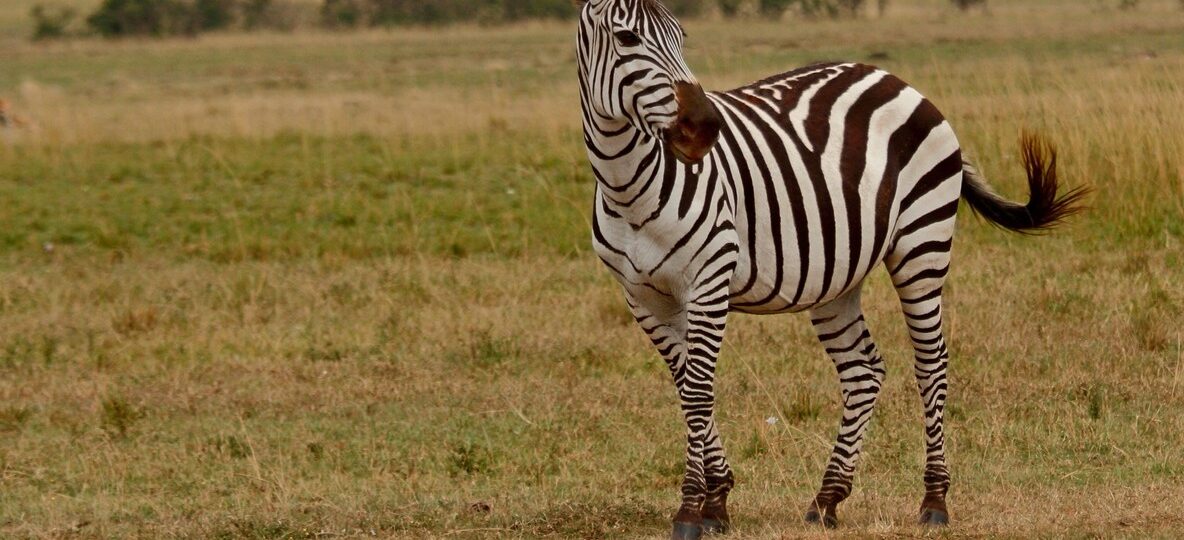
Between July and October, approximately 1.5 million wildebeest and 500,000 zebra push north and cross the Mara River in the Great Migration. That crossing, with crocodiles in the water and lion on the banks, is the scene most people picture when they first imagine a Kenya safari. But the Mara is only the beginning.
Amboseli National Park (392 km²) gives you elephant herds of 50-plus animals walking under the full face of Kilimanjaro. Samburu National Reserve (165 km²) hosts the Samburu Special Five: Grevy’s zebra, reticulated giraffe, Beisa oryx, gerenuk, and Somali ostrich. Ol Pejeta Conservancy (360 km²) runs the world’s last northern white rhino programme. 🐘
Named camps in the Mara ecosystem include Angama Mara (perched above the Oloololo Escarpment), Governors’ Camp and Little Governors’ Camp (inside the reserve, roughly 30 km from Sekenani Gate), Elephant Pepper Camp, and Keekorok Lodge. Charter flights from Wilson Airport in Nairobi reach Ol Kiombo, Keekorok, and Ngerende airstrips in approximately 45 minutes. The non-resident park entry fee for the Masai Mara is USD 80-100 per person per day, depending on season.
Kenya operates across the full price spectrum. Budget travellers can reach the Mara via group safari vehicles from Nairobi for under USD 200 per day. At the luxury end, private conservancy tented camps in Naboisho, Olare Motorogi, and Mara North Conservancy offer near-exclusive game viewing from USD 600-1,200 per person per night.
What Botswana Offers on Safari
Botswana has made a deliberate national policy decision: low visitor volume, high conservation value. The country caps tourist numbers inside its concession blocks, limits vehicles per sighting, and prices the experience high by design. That trade-off defines the kenya vs botswana safari comparison more than any other single factor.
The Okavango Delta (approximately 15,000 km², UNESCO World Heritage Site since 2014) is the headline. It is one of the world’s largest inland deltas: a labyrinth of papyrus channels, seasonal lagoons, and palm-studded islands that floods each year between May and August as rain from Angola’s highlands arrives downstream months later. When the floodwaters spread across the delta, wildlife concentrates on higher ground and game-viewing density reaches its peak.
Moremi Game Reserve (4,871 km²) covers the eastern portion of the delta and holds some of the finest floodplain predator territory on the continent. Wild dog packs are well established in Moremi and the surrounding Khwai concession. Botswana holds one of Africa’s largest remaining wild dog populations, and sightings are significantly more reliable here than in Kenya.
Chobe National Park (11,700 km²) sits in the far north along the Chobe River. Elephant concentrations during the dry season reach 200-400 animals at the riverfront on a single afternoon. The Chobe Riverfront section is 10 km from Kasane Airport by road. The remote Savuti Marsh, 200 km southwest of Kasane, requires a 4WD drive or a charter flight.
Named camps include Mombo Camp and Little Mombo (Wilderness Safaris, on Chief’s Island in the Okavango), Jao Camp (northern concession), Chitabe Camp, Duba Plains Camp, and Abu Camp. Almost all Okavango camps are fly-in only: 30-60 minutes from Maun Airport by light aircraft to private airstrips. Kasane Airport serves the Chobe circuit.
Kenya vs Botswana: Head-to-Head Facts
| Category | Kenya | Botswana |
|---|---|---|
| Flagship destination | Masai Mara National Reserve (1,510 km²) | Okavango Delta (15,000 km²) |
| Non-resident park fee | USD 80-100/person/day (Masai Mara) | USD 30-60/person/day (most national parks) |
| Great Migration | Yes, July-October (Mara River crossings) | Not applicable |
| Wild dog population | Present; lower density | One of Africa’s highest (Moremi, Khwai, Savuti) |
| Safari vehicle type | Open 4WD game drive | 4WD + mokoro canoe + walking safari |
| Crowd level in peak season | Moderate-high at key sightings | Low; concession caps enforced per block |
| Main gateway for flagship area | Nairobi, Wilson Airport | Maun Airport (Okavango); Kasane Airport (Chobe) |
| Charter flight to flagship park | ~45 min (Wilson Airport to Mara airstrips) | 30-60 min (Maun to delta airstrips) |
| Big Five coverage | Excellent across southern circuit | Excellent (rhino lower density; lion, leopard strong) |
| Water-based activities | Limited | Mokoro canoe, Chobe boat safaris, fishing |
| Visa (US, UK, EU citizens) | eTA USD 30 | Visa-free up to 90 days |
| Best season | July-Oct (migration); Jan-Feb (short dry) | May-Oct (dry season; flood peak May-Aug in delta) |
Fees are indicative ranges for 2026. Verify current rates with Kenya Wildlife Service (KWS) and Botswana’s Department of Wildlife and National Parks (DWNP) before travel.
What Does It Actually Cost?
Botswana is one of the most expensive safari destinations on earth, and that is by government design. The combination of concession fees, conservation levies, fly-in logistics, and all-inclusive camp pricing makes a Botswana trip a fundamentally different financial exercise than Kenya.
| Cost Item | Kenya (7 days, Masai Mara focus, 2 pax) | Botswana (7 days, Okavango plus Chobe, 2 pax) |
|---|---|---|
| Park and conservancy fees | USD 560-1,400 (dependent on conservancy vs. reserve) | USD 210-840 (national park fees; concession fees vary) |
| Conservation levy | Not applicable on most Kenya products | USD 70-100/person/day in some Okavango concessions |
| Lodge (mid-range) | USD 350-700/room/night | USD 700-2,000+/person/night (most fly-in camps) |
| Lodge (budget-accessible) | USD 150-300/room/night at tented camps | Very limited; Botswana’s policy is almost entirely mid-to-luxury |
| Internal charter flights | USD 250-400 per person (Nairobi-Mara return, Wilson Airport) | USD 400-900 per person (Maun to Okavango airstrip, return) |
| Indicative total (2 pax, 7 days, mid-range) | USD 6,000-10,000 | USD 14,000-28,000+ |
Kenya is the more accessible destination at every price point. A careful budget traveller can reach the Mara and cover park fees, accommodation, and meals for USD 200-300 per person per day on a group tour. Botswana’s model excludes budget travel almost entirely. If spending USD 700+ per person per night is outside your range, Botswana will frustrate you at the planning stage.
These are indicative planning figures. Trunktrails Safaris provides itemised, custom quotes for every itinerary.
Crowd Levels: The Critical Difference
This factor is consistently underrated in safari comparison guides.
In peak migration season (August to September), the Masai Mara sees high vehicle counts at busy Mara River crossing points. At the most famous crossing zones near Musiara Marsh and the main Purungat crossing, it is not unusual to find 20-30 vehicles gathered around a single crossing event. The experience is still extraordinary, but it is a shared one.
Kenya’s answer to the crowd question is its private conservancies. Olare Motorogi (330 km²), Naboisho (200 km²), Mara North Conservancy (310 km²), and Ol Kinyei all operate under strict vehicle-per-sighting rules. You pay more for a conservancy camp, but you often have a lion pride or a cheetah hunt entirely to yourself. 🦁
Botswana has built exclusivity into law rather than lodge policy. Concession agreements specify maximum bed counts per block, limit vehicle numbers at sightings, and prevent the kind of vehicle crowding that happens at open-access reserves. At Mombo Camp or Chitabe Camp, three vehicles at a single sighting would be considered busy. Most guests see one other vehicle, or none.
If wilderness quiet and near-private sightings are the reason you are making this trip, Botswana’s legal structure guarantees that outcome. Kenya can match it through careful camp selection, but you need to book the right property.
Which Traveller Should Choose Which Destination?
Choose Kenya if:
- The Great Migration or a Mara River crossing is on your bucket list
- You want maximum Big Five variety across multiple ecosystems in a single itinerary
- Budget flexibility matters and you want genuine options below USD 500 per person per night
- You are travelling as a family and want accessible, well-structured daily game drives
- This is your first African safari and you want high wildlife density with reliable sightings
Choose Botswana if:
- Absolute wilderness silence and near-exclusive sightings are non-negotiable
- Wild dog, hippo river behaviour, and large elephant concentrations are your target species
- You have USD 1,200+ per person per day available and want it to deliver an unmatchable experience
- Water-based safaris, including mokoro canoe through the delta and boat on the Chobe River, are on your list
- You are a repeat safari-goer who has experienced Kenya and wants a structurally different ecosystem
Choose both if: You have 14 or more days and a flexible budget. Nairobi to Maun via Johannesburg takes approximately five hours of flying time. Start in the Okavango for the water and wild dog experience, then finish in the Mara for the migration. Trunktrails Safaris runs tours and safaris that connect both ecosystems across East and Southern Africa with seamless itinerary planning.
The Trunktrails Advantage
Trunktrails Safaris is a Kenyan-owned, Nairobi-based operator with direct relationships across Kenya’s park and conservancy ecosystem and trusted ground partners throughout Southern Africa.
When you plan a kenya vs botswana safari with us, you get:
- A custom itinerary built around your actual wildlife targets, travel dates, and real budget: not a template that spreads resources too thin and delivers nothing at full quality
- Camp and lodge selection across the full Kenya price spectrum, from private conservancy tented camps in Naboisho to luxury perches above the Oloololo Escarpment
- Botswana routing through vetted fly-in operators with genuine vehicle-to-sighting protocols and real concession access, not agents reselling inventory they have never personally visited
- Honest crowd-level guidance on which Mara property to book for a quieter high-season experience, and which Botswana concession has the best wild dog pack movement this season
- On-the-ground Kenyan expertise backed by people who run tours and safaris in these parks every week, not a brochure company working from a city that has never seen the Mara at dawn
Plan Your 2026 Safari Today ✨
The kenya vs botswana safari decision becomes straightforward once you are clear on your wildlife priorities and your budget. Tell Trunktrails Safaris what you want to see, how many days you have, and what you can spend. We will build the specific itinerary that delivers it.
Get in touch now:
Further reading
More safari planning resources
- Wildebeest migration route map from Valley Safaris
- Mara River crossing guide on Touring Insights
- Big Five safari collection on FindMySafari
- Compare Kenya safari packages on FindMySafari
- WhatsApp: +254 113 208888
- Email: info@trunktrailssafaris.com
- Website: www.trunktrailssafaris.com
Kenya gives you the open sky and the crossing. Botswana gives you the silence and the wild dog at dawn. Both are worth your lifetime. The only decision left is which one you need first.