The Complete Kenya Safari Packing List: Every Category, By Weight and Season
Building the right packing list for Kenya safari travel comes down to one constraint most guides skip: weight. Light-aircraft charters between parks cap checked bags at 15 kilograms in a soft-sided duffel, no exceptions. Pack for a two-week international trip and you will be repacking at the airstrip while a queue of guests waits behind you.
This packing list for Kenya safari trips is organized the way Trunktrails Safaris briefs every guest before departure: by category, by weight, and by season. It includes the real numbers, named airlines, and specific gear that most generic lists leave out. 🧳
Why Luggage Weight Shapes Your Whole Packing List
Most multi-park Kenya safaris include at least one light-aircraft leg, flying between Nairobi Wilson Airport and bush airstrips like Musiara, Ol Kiombo, or Amboseli Airstrip. These Cessna Caravans and similar aircraft have strict, non-negotiable weight limits that a hard-shell suitcase will not meet.
| Transport Type | Baggage Limit | Bag Type Required |
|---|---|---|
| Safarilink / AirKenya domestic flights | 15 kg per person | Soft-sided duffel bag only, no hard suitcases |
| International checked baggage (economy) | 23 kg per bag | Hard or soft case accepted |
| Vehicle-only safaris (no flights) | No strict limit, but 20 kg recommended | Any bag type |
| Carry-on for flights within Kenya | 5 kg | Small daypack or camera bag |
Book a Trunktrails Safaris itinerary that includes a bush flight and we confirm the exact carrier and weight allowance in your pre-departure document, since Safarilink and AirKenya limits can shift slightly by aircraft type.
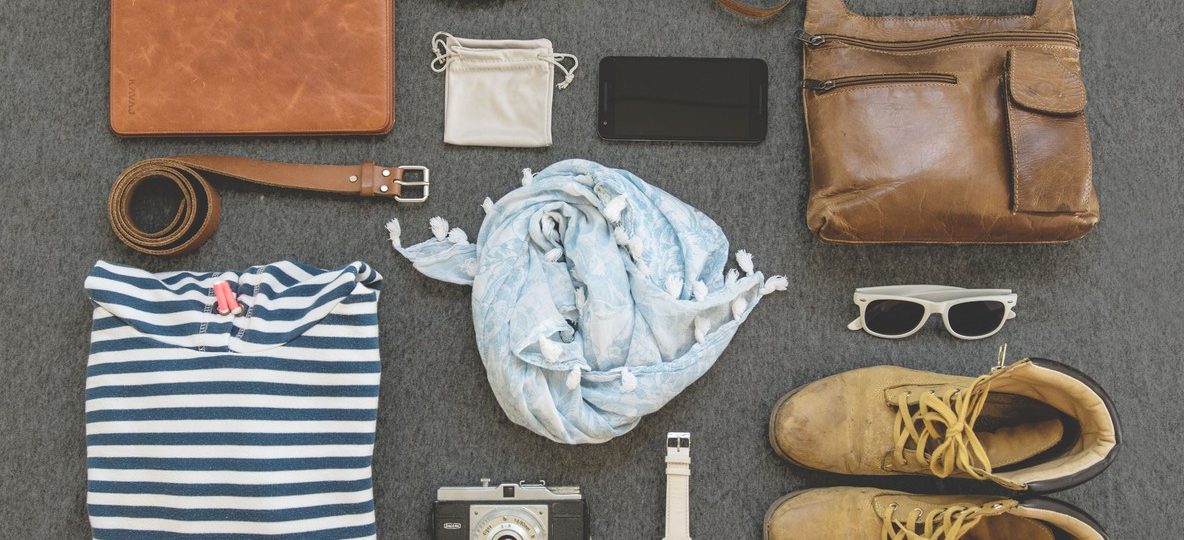
The Master Clothing Checklist
Pack five to seven days of clothing regardless of trip length. Camps offer same-day or next-day laundry, usually included in the room rate at mid-range and luxury properties.
- 4-5 short-sleeve shirts in khaki, olive, or sand tones
- 2-3 long-sleeve shirts for sun and evening insect protection
- 2 pairs of lightweight safari trousers, one convertible to shorts
- 1 warm fleece or soft-shell jacket for early morning game drives
- 1 waterproof, packable rain jacket, essential in the April-May and November green seasons
- 1 wide-brimmed hat with a chin strap for open vehicles
- Comfortable closed walking shoes plus one pair of sandals for camp
- Swimwear, most mid-range and luxury camps have a pool
- Sleepwear suited to cold mornings, temperatures near Mount Kenya and the Aberdares can drop to 5 degrees Celsius overnight
Avoid bright colors, white, and black. White shows dust fast, black and dark blue attract tsetse flies in Tsavo, Samburu, and parts of the Maasai Mara.
Health, Documents, and Money Checklist
- Passport valid 6+ months beyond travel dates, plus a photocopy stored separately
- Kenya eTA approval printed or saved offline (replaced the visa-on-arrival system; apply online before travel)
- Yellow fever certificate if arriving from or transiting a country with yellow fever risk
- Travel insurance documents including medical evacuation cover, most conservancies require proof of evacuation cover on arrival
- Malaria prophylaxis, started before travel per your doctor’s guidance, most Kenya safari circuits sit in malaria risk zones below 2,000 metres
- Basic first-aid kit: antihistamines, rehydration salts, plasters, motion sickness tablets for bush flights
- Insect repellent with at least 30% DEET
- US dollars in small denominations (2009 or newer notes only, older notes are frequently refused) for tips and incidentals
- A debit or credit card for lodge extras, though most camps in remote conservancies have no card facility
Photography and Electronics Gear List
| Item | Why It Matters |
|---|---|
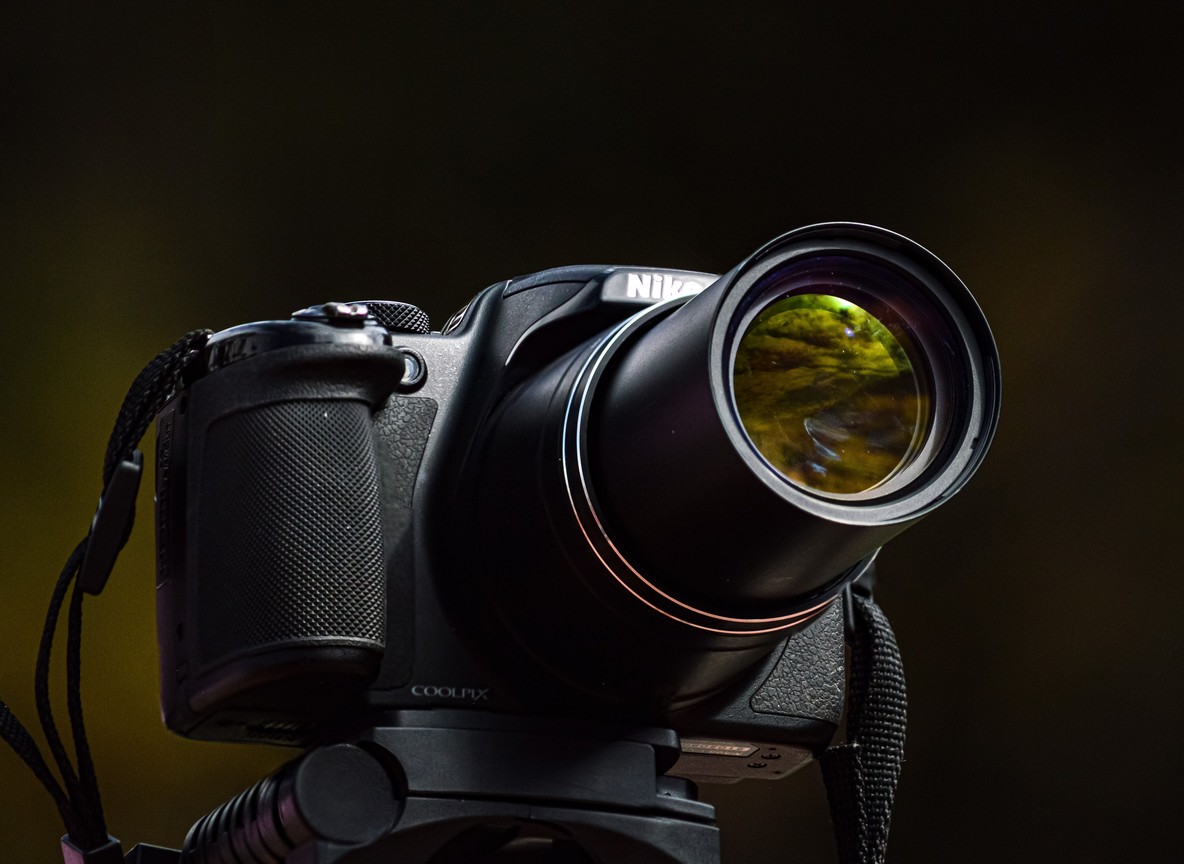
| Camera body with a 300mm+ zoom lens | Captures wildlife from the required 20-25 meter safe distance |
| Spare batteries and memory cards | Charging points are limited or solar-powered at remote camps in Samburu and Laikipia |
| Universal travel adapter (UK 3-pin, Type G) | Kenya uses the UK-standard plug, camps rarely stock spares |
| Power bank (10,000mAh+) | Backup for long game-drive days away from camp power |
| Binoculars, 8×42 or 10×42 | One pair per person, shared pairs cost you sightings |
| Dry bag or rain cover for gear | Protects electronics during green-season showers on open vehicles |
| Headlamp or small torch | Camps outside main lodges use paraffin lamps after dark, paths are unlit |
Drone use is banned in all Kenya national parks and reserves without a specific Kenya Wildlife Service permit, so leave it home unless your operator has confirmed one in advance.
Packing List by Season: Dry vs Green
Kenya’s two main safari seasons call for a noticeably different kit, especially around rain gear and layering.
| Category | Dry Season (June-October, January-February) | Green Season (March-May, November) |
|---|---|---|
| Daytime temperature (Maasai Mara, Amboseli) | 25-30°C | 24-28°C |
| Rainfall | Minimal, dusty tracks | Frequent afternoon showers, some road washouts |
| Essential extra item | Dust mask or bandana for open vehicles | Packable rain jacket and dry bags |
| Footwear | Breathable trail shoes | Waterproof or quick-dry shoes |
| Insect pressure | Lower | Higher, pack extra repellent |
| Best for | Predator sightings, Mara River crossings (July-September) | Newborn wildlife, greener landscapes, fewer vehicles |
Trunktrails Safaris adjusts the kit briefing by month, since a July Mara migration trip and a April green-season Amboseli trip need different priorities in the same suitcase.
What to Leave at Home
- Camouflage clothing, restricted for civilian use in Kenya and can draw unwanted attention from security personnel
- Multiple hard-shell suitcases, they will not fit on light aircraft or in safari vehicle luggage compartments
- Single-use plastic bags and bottles, banned inside all national parks and reserves since June 2020
- Heavy hardback books or excess electronics, weight adds up fast against that 15 kg flight limit
- Strong perfume or scented toiletries, unnecessary scent can affect wildlife encounters on walking safaris
How to Pack Your Duffel Bag to Hit the Weight Limit
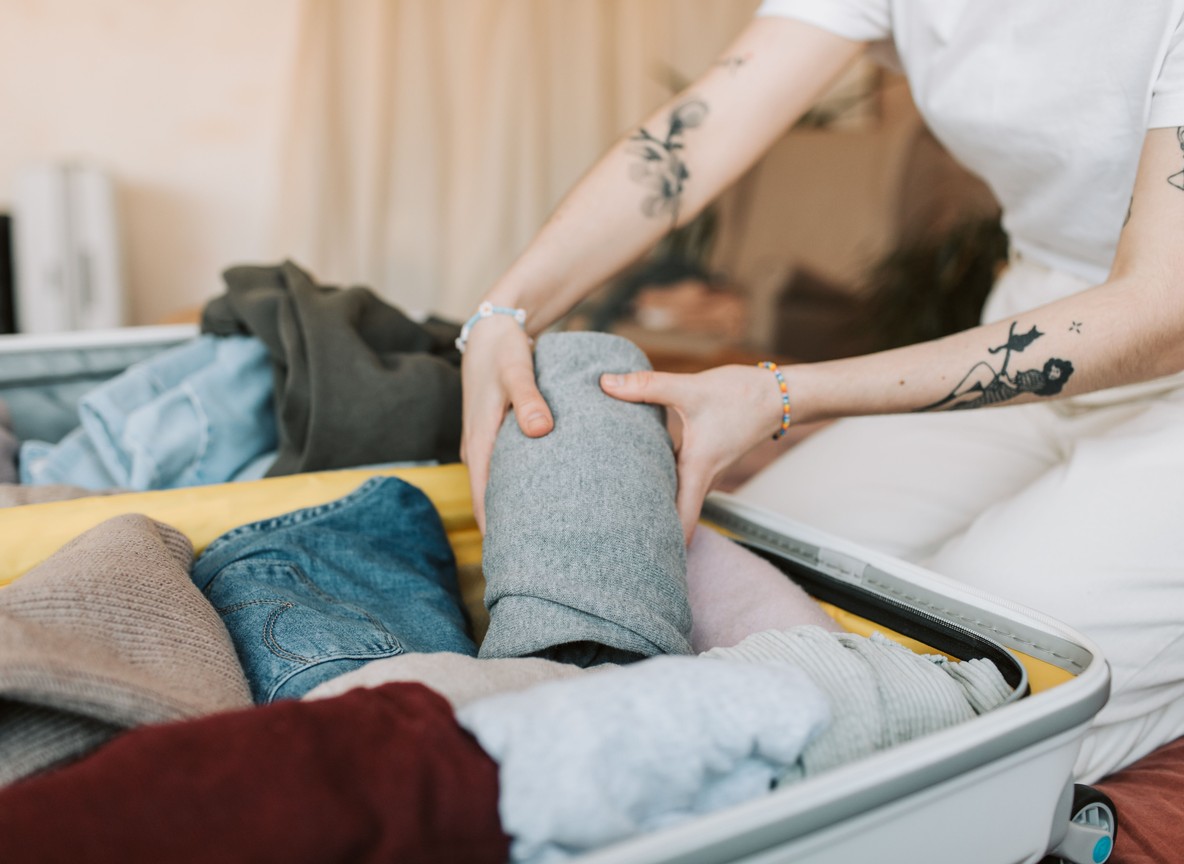
Fitting everything into a 15 kg soft duffel takes a system, not luck. Start by laying out every item on the bed before it goes in the bag, then weigh the empty bag first since some duffels alone weigh close to 2 kg. Roll clothing instead of folding it, rolled items resist wrinkling on bumpy roads and free up roughly 20% more space than folded stacks.
Use packing cubes to separate categories, one cube for tops, one for bottoms, one for underwear and socks. This makes camp unpacking fast and keeps your duffel organized when a porter grabs it at the airstrip. Put heavier items, boots, camera body, toiletry bag, toward the base of the bag near the straps so the weight sits close to your back if you need to carry it any distance.
Weigh the packed bag on a home luggage scale before departure. Safarilink and AirKenya enforce the 15 kg limit strictly at check-in, and excess baggage fees or on-the-spot repacking at Wilson Airport is a stressful way to start a trip. If you are traveling with photography gear that pushes you over the limit, wear your heaviest jacket and carry the camera body on your person rather than checking it, most airstrip counters do not weigh what you are wearing or carrying by hand.
Frequently Asked Questions on Kenya Safari Packing
Do I need a specific type of suitcase? Yes, if any part of your itinerary includes a light-aircraft leg. A rigid hard-shell suitcase will be refused or repacked into a duffel at the airstrip counter, so pack in a soft-sided duffel bag from the start of the trip, not just for the flight days.
How many pairs of shoes should I actually bring? Two pairs is enough for most trips: one closed, comfortable walking shoe for game drives and camp walkways, and one pair of sandals or lightweight shoes for the evening. Walking safaris in conservancies like Naboisho or Ol Pejeta may call for a sturdier ankle-supporting boot instead of a trail shoe.
Is malaria medication required for every Kenya park? Most safari circuits below 2,000 meters, including the Maasai Mara, Amboseli, Tsavo, and Samburu, sit inside malaria risk zones. Higher-altitude areas such as the Aberdare moorland and parts of Laikipia carry lower risk. Confirm your specific route with a travel doctor rather than relying on a general rule.
Can I buy forgotten items once I arrive in Kenya? Nairobi has well-stocked pharmacies and outdoor gear shops for last-minute essentials like insect repellent or a spare adapter. Once you leave Nairobi for remote conservancies, shops disappear, so treat your packing list as final before the first bush flight.
The Trunktrails Advantage
Trunktrails Safaris is a Kenyan-owned tours and safaris operator, and every guest receives a packing list tailored to their exact itinerary, not a generic template. We confirm the specific aircraft and baggage allowance for every bush flight leg before you travel, so there are no surprises at the Wilson Airport check-in counter.
Our team briefs every guest on the season-specific gear for their exact travel month, whether that means dust protection for a dry-season Mara migration trip or rain gear for a green-season Amboseli circuit. As a Kenyan-owned tours and safaris company, we also flag the small details, plug types, cash denominations, and malaria zone guidance, that generic packing lists tend to miss. Trunktrails Safaris builds this into every pre-departure document at no extra cost. 🦒
Get a Packing List Built for Your Exact Trip
A generic packing list gets you most of the way there. A packing list matched to your specific parks, camps, and travel month gets it right the first time, with nothing left behind and nothing over the weight limit.
Send our tours and safaris team your itinerary and travel dates, and we will send back a packing list matched to your exact route, aircraft legs, and season.
Further reading
More safari planning resources
- Best time to visit Kenya map from SafariPure
- Best time to visit Kenya month-by-month map from Valley Safaris
- Best time to visit Kenya on Touring Insights
- What to pack for a Kenya safari, on FindMySafari
WhatsApp: +254 113 208888 Email: info@trunktrailssafaris.com Website: https://trunktrailssafaris.com
Bush flight seats and peak-season camps fill up fast. Confirm your Trunktrails Safaris dates now and pack with confidence. ✨