
Kenya Ocean Conservation Summit: Mombasa Hosts Africa’s First 🌍
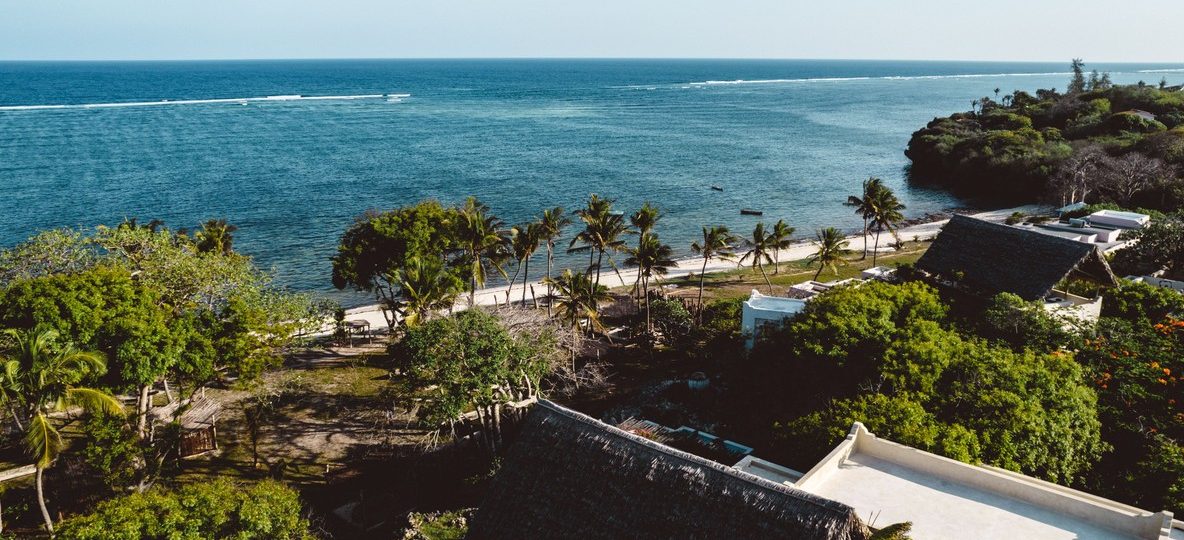
The kenya ocean conservation summit held in Mombasa this July marks the first gathering of its kind on the continent. Delegates from coastal African nations, marine scientists, and Kenyan government officials met to discuss coral reef protection, sustainable fisheries, and the growing blue economy along the Indian Ocean coastline. For a country whose tourism identity is built on safaris, this summit is a reminder that Kenya’s conservation story does not stop at the savannah. It runs straight into the ocean.
For travelers who care about where their money goes, this matters. Trunktrails Safaris has always paired inland wildlife experiences with coastal add-ons, and a summit like this sharpens the case for choosing tours and safaris that respect marine ecosystems the same way they respect Kenya’s inland parks. This guide breaks down what the summit means and where you can see Kenya’s marine conservation work firsthand.
What the Summit Covered
Mombasa sits roughly 485 km southeast of Nairobi, reachable by a 4.5 to 5 hour drive, a Standard Gauge Railway trip of similar length, or a 1 hour flight into Moi International Airport. As Kenya’s main port city and the gateway to the country’s 536 km coastline, it was a natural host for a summit focused on ocean health.
Discussions at the summit centered on four themes: expanding marine protected areas, reducing plastic pollution entering the Indian Ocean, supporting small-scale fishing communities through sustainable quotas, and growing coastal tourism revenue that funds conservation directly. Kenya already manages several marine parks and reserves along its coast, and the summit used these as working examples of what protection looks like in practice, including both the successes and the funding gaps that still need attention.
Delegates also toured active reef restoration sites near Mombasa and Watamu, where coral fragments are grown on frames before being transplanted onto damaged sections of reef. This kind of hands-on restoration work is slow and labor intensive, often taking years before a transplanted section resembles a healthy reef again, but it gives scientists a concrete answer to skeptics who ask whether coral recovery is even possible after bleaching.
Why Ocean Conservation Matters for Kenya’s Coast
Kenya’s reefs support fish populations that coastal communities depend on for food and income, and they draw the snorkeling and diving tourism that keeps towns like Watamu and Diani economically active outside the inland safari circuit. Warming ocean temperatures and past coral bleaching events have already damaged sections of reef along the coast, which is part of why marine protected areas matter so much right now.
Unlike a national park boundary on land, a marine reserve has to be actively patrolled against illegal trawling and dynamite fishing, both of which can undo decades of reef recovery in a single incident. The blue economy conversation happening at this summit is really about funding that enforcement long term, not just protecting reefs on paper.
Kenya’s Marine Protected Areas at a Glance
Kenya has been protecting sections of its coastline since the 1960s, well before ocean conservation became a global talking point. Here is how the country’s main marine parks compare.
| Marine Park or Reserve | Distance From Mombasa | Established | Size | Entry Fee (Indicative, USD) |
|---|---|---|---|---|
| Mombasa Marine National Park and Reserve | Within city limits (Nyali/Bamburi) | 1986 | 10 km2 park, 200 km2 reserve | 20, indicative |
| Watamu Marine National Park | 140 km north, 2 hr drive | 1968 | 10 km2 park, 32 km2 reserve | 20, indicative |
| Malindi Marine National Park | 120 km north, 1.75 hr drive | 1968 | 6 km2 park | 20, indicative |
| Kisite-Mpunguti Marine National Park | 75 km south via Shimoni, 1.5 hr drive | 1978 | 11 km2 park, 28 km2 reserve | 25, indicative |
| Diani-Chale Marine National Reserve | 30 km south, 45 min drive | 1995 | 65 km2 reserve | Community conservation fee, indicative |
Prices above are indicative ranges only and change by season and operator, so always confirm current rates before booking. Watamu Marine National Park is one of the oldest marine parks in Africa, and Kisite-Mpunguti near Shimoni remains one of the most reliable places on the coast to see dolphins alongside coral gardens.
Best Time to Visit Kenya’s Coast for Marine Life
Timing your coastal trip around Kenya’s marine calendar makes a real difference to what you see beneath the water. The coast has distinct seasonal windows tied to currents, water clarity, and migration patterns.
| Season | Months | What to Expect | Water Visibility |
|---|---|---|---|
| Whale shark season | November to March | Gentle giants feeding near Diani and Tiwi | 15-20 m, generally clear |
| Humpback whale migration | July to October | Whales passing offshore en route to breeding grounds | Variable, choppier seas |
| Dolphin viewing peak | Year-round, best Oct-Mar | Pods regularly seen at Kisite-Mpunguti | 15-20 m |
| Green turtle nesting | March to September | Nesting activity at Watamu beaches | Not applicable |
| Kite and wind season | December to February | Strong onshore winds, calmer diving mid-morning | 10-15 m |
These windows are approximate and shift slightly year to year with ocean temperature and current patterns, so a local guide’s read on current conditions matters more than the calendar alone. Marine scientists at the summit noted that shifting water temperatures are already nudging some of these windows earlier, which is one more reason real-time local knowledge beats a fixed seasonal chart.
How the Summit Connects to Coastal Tourism
One theme that came up repeatedly at the summit is that tourism revenue and conservation funding are directly linked on Kenya’s coast. Park fees paid at Watamu, Malindi, and Kisite-Mpunguti fund ranger patrols, reef monitoring, and community fisheries programs. Unlike some inland parks where entry fees are a smaller share of total conservation funding, coastal marine parks rely heavily on visitor numbers to stay operational.
This is why the summit organizers framed responsible tourism as part of the solution rather than a side issue. A snorkeling trip booked through an operator that briefs guests on reef etiquette, such as not touching coral or standing on it, does more for conservation than the fee alone. It also reduces the physical damage that untrained visitors can cause simply by not knowing better.
Why This Story Matters for Conservation-Minded Travelers
Travelers who already choose wildlife-focused safaris for their conservation impact should think about their coastal add-ons the same way. A trip that pairs an inland safari with a few days in Watamu or Diani supports two different conservation systems, one built around large land mammals and one built around reefs and marine species. Both depend on tourism dollars reaching the right places.
The Mombasa summit is also a signal that Kenya intends to treat its coastline as a conservation priority equal to its inland parks, not an afterthought for beach holidays. That shift matters for how future marine park fees, boat licensing, and reef protections will be enforced over the next few years.
The Trunktrails Advantage
Trunktrails Safaris is a Kenyan-owned operator, and coastal conservation stories like this summit directly shape how we structure our safari-and-coast itineraries.
| What We Provide | What It Means for You |
|---|---|
| Local, Kenyan-owned guiding team | On-the-ground knowledge of which reef sites are healthiest this season |
| Reef etiquette briefings before every snorkel trip | Lower impact on coral, better sightings for you |
| Combined safari and coastal itineraries | One trip supports both inland and marine conservation systems |
| Transparent marine park fee guidance | You see how entry fees fund ranger patrols and reef monitoring |
| Small-group boat excursions to Kisite-Mpunguti and Watamu | Less crowding pressure on fragile reef areas |
Every trip booked through Trunktrails Safaris helps fund the conservation work discussed at this summit, from reef patrols in Watamu to fisheries programs near Shimoni. Our guides do not just take you to the water, they explain why protecting it matters. ✨
Plan a Coastal Trip That Supports Real Ocean Conservation
Africa’s first ocean conservation summit put Mombasa and Kenya’s marine parks in the global spotlight, and the reefs at Watamu, Malindi, and Kisite-Mpunguti are worth seeing while that momentum builds. Pairing a few days on the coast with your inland safari is one of the simplest ways to support both sides of Kenya’s conservation work.
Further reading
More safari planning resources
- Kenya national parks map from Valley Safaris
- Best time to visit Kenya on Touring Insights
- Diani Beach guide on FindMySafari
- Best time to visit Kenya month-by-month map from Valley Safaris
Message Trunktrails Safaris on WhatsApp at +254 113 208888, email info@trunktrailssafaris.com, or visit trunktrailssafaris.com to plan tours and safaris that combine Kenya’s wildlife with its coral reefs. 📸