
Kazuri Beads Factory: How a Nairobi Women’s Cooperative Became a Kenyan Icon
In 1975, a woman named Susan Wood hired two struggling single mothers to help her make ceramic beads in a small shed behind her house in Karen, Nairobi. Neither of those two women could have guessed that the workshop would grow into one of Kenya’s most visited cultural sites, or that it would still be paying wages, covering medical bills, and shaping futures five decades later. 🌍
That workshop became Kazuri, a name drawn from Swahili meaning “small and beautiful.” Today the Kazuri Beads Factory sits in Karen, on part of the old coffee farm once owned by Karen Blixen, and it remains one of the clearest examples of what a women-led cooperative can build when it is given time. This guide covers the real history of the factory, what a visit actually involves, and why we build it into so many of our Nairobi tours and safaris.
What Is the Kazuri Beads Factory?
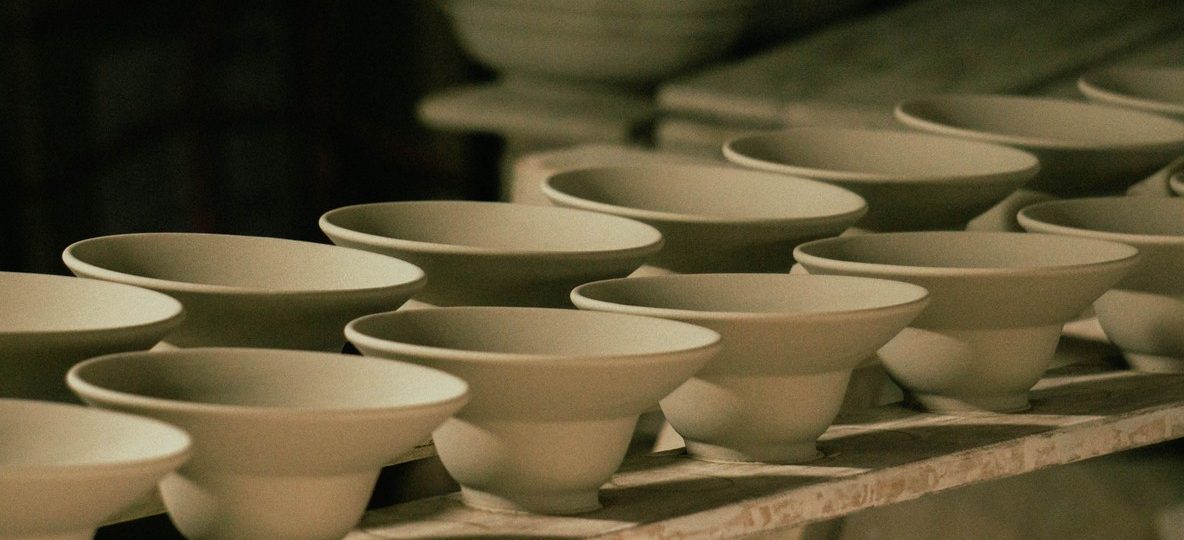
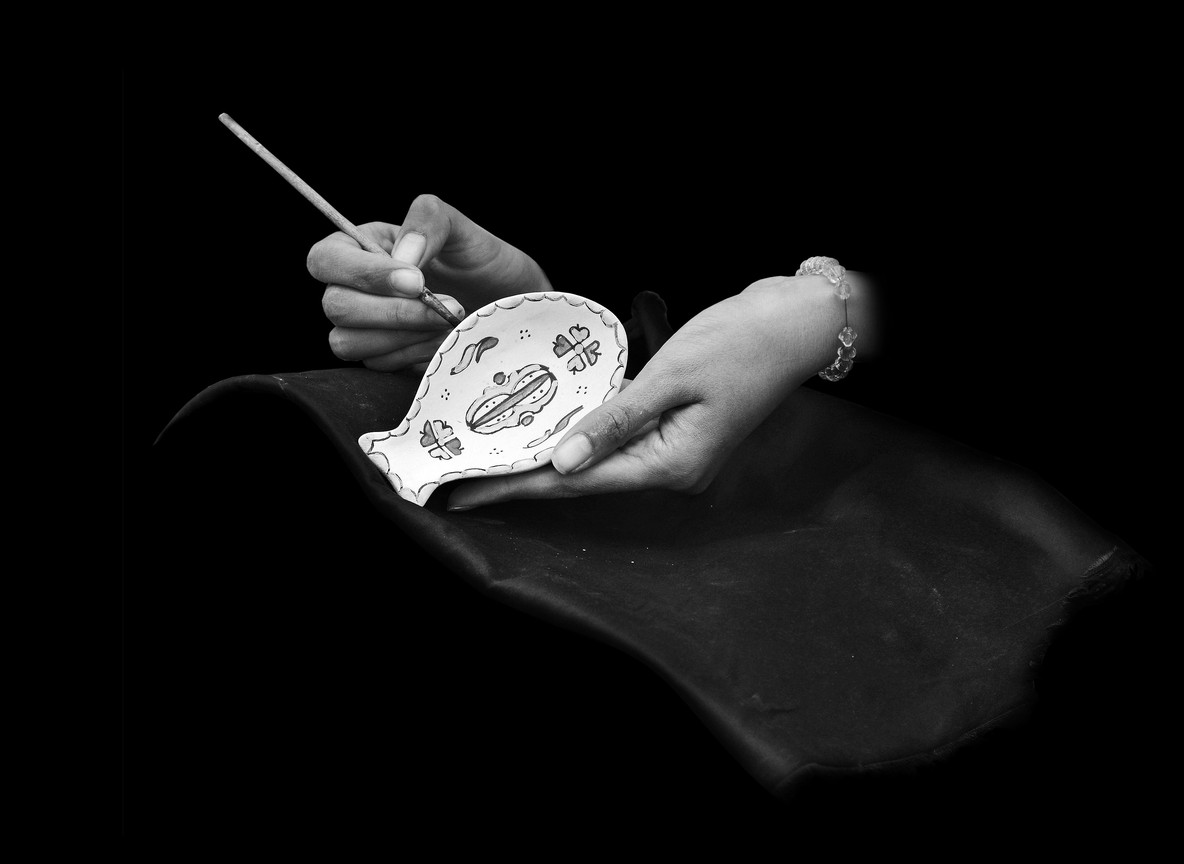
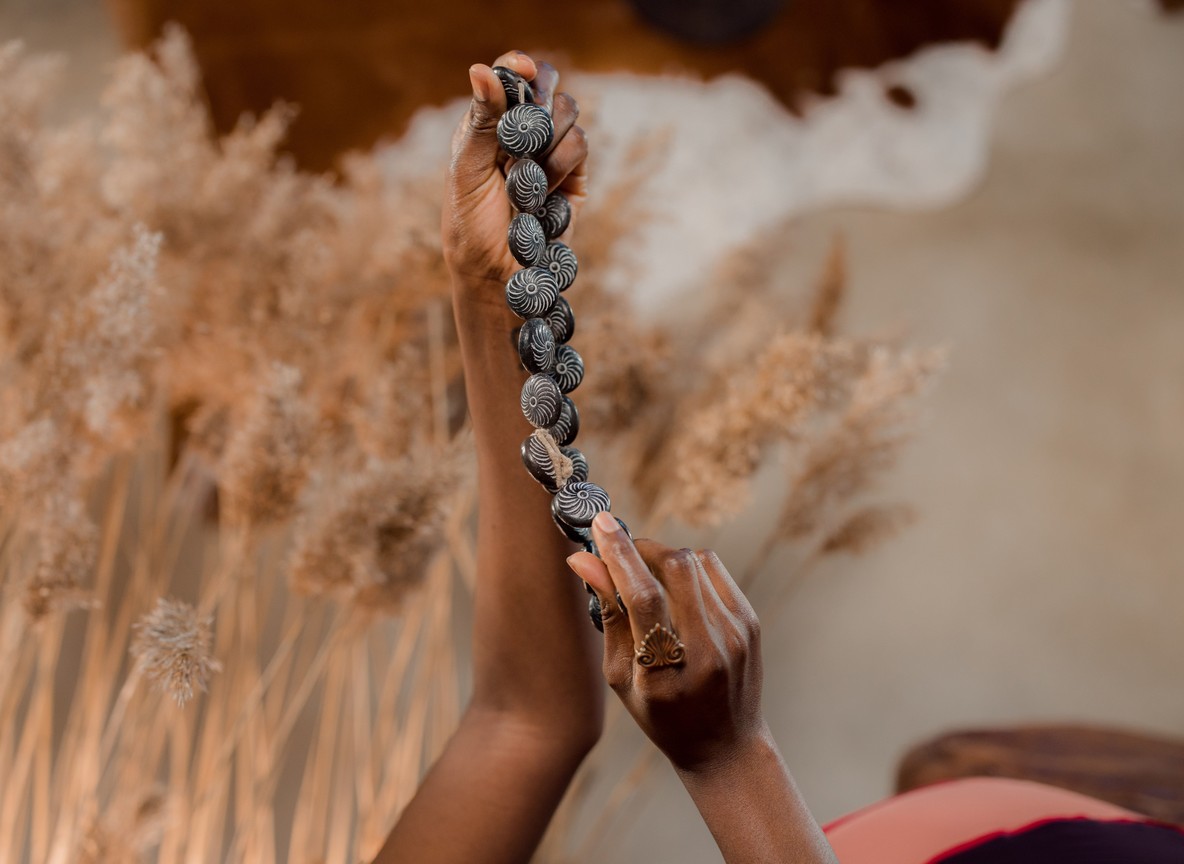
Kazuri is a ceramic jewelry and pottery workshop where handmade beads are shaped, painted, glazed, and fired entirely by hand. Every necklace, bracelet, and pottery piece that leaves the workshop passes through dozens of hands before it reaches a shelf. There is no machine stamping out identical beads. The slight variation from one bead to the next is the signature of the maker, not a flaw.
The factory operates as a social enterprise first and a jewelry brand second. Its founding purpose, hiring and training women who had few other formal employment options in 1970s Nairobi, is still the organizing principle behind how the workshop runs today.
The History: From a Backyard Shed to a Kenyan Icon
Susan Wood started Kazuri as a small experiment, not a business plan. She wanted to test whether ceramic beads made in Kenya could find buyers, and whether the process could employ women who needed steady income. The first two hires in 1975 were single mothers with limited job prospects.
Word spread. By 1988, Kazuri had grown enough to become a proper factory, and the workforce expanded well beyond the original two women. That expansion never stopped. The Karen workshop now employs several hundred women, the large majority of them single mothers supporting children on their own. Kazuri also runs a factory clinic that provides free basic medical care to its staff, and it covers a large share of medical costs that fall outside what the clinic can treat directly.
This is the part of the Kazuri story that turns a nice souvenir stop into something closer to a case study. Fair-trade jewelry brands are common. A fair-trade jewelry brand that has operated continuously in one Nairobi neighborhood for five decades, expanding its own healthcare system as it grew, is rare.
What Happens on a Factory Tour
Visitors can request a guided walk through the workshop floor. The tour is free, though buying something at the end is the expected and appreciated way to support the women who made it. A typical guided tour lasts about an hour. Once you add browsing the shop and the drive to and from central Nairobi, plan on 3 to 4 hours for the full outing.
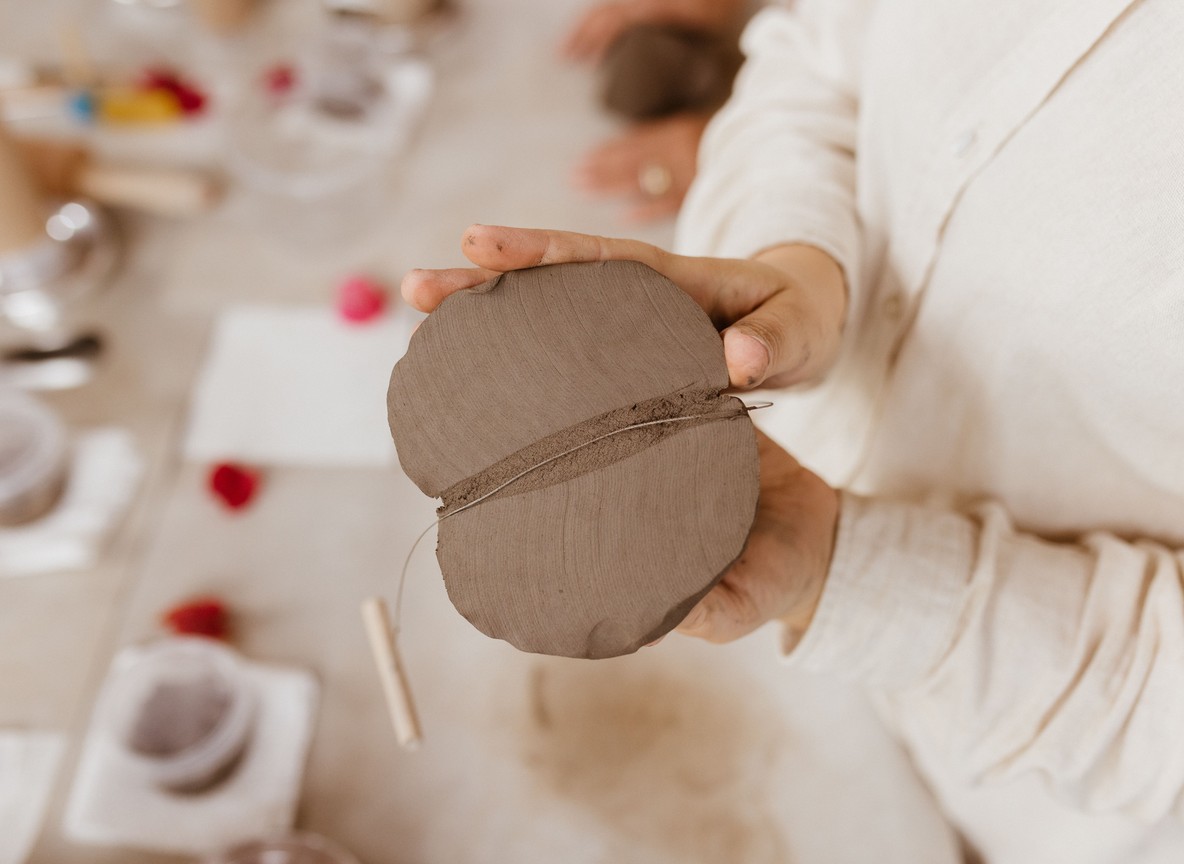
The tour moves through each stage of production. Clay arrives and is kneaded by hand. Workers roll and shape individual beads, many while seated at long tables in small groups, chatting as they work. The beads dry, get a first firing, are hand-painted with glaze colors, and go through a second firing that locks in the finish. Watching a plain grey bead become a glossy, colored piece of jewelry across four or five stations is the part most visitors remember best.
Facts Every Visitor Should Know
| Detail | Information |
|---|---|
| Founded | 1975, by Lady Susan Wood |
| Became a full factory | 1988 |
| Location | Karen, Nairobi, on part of the former Karen Blixen coffee farm |
| Distance from Nairobi CBD | Approximately 15 km (25-40 minutes by road, traffic dependent) |
| Opening hours | Monday to Saturday, 8:30am to 5:30pm; closed Sundays |
| Guided tour cost | Free (donations via purchase encouraged) |
| Tour duration | About 1 hour for the workshop walk; 3-4 hours total with shopping and transfers |
| Women employed | Several hundred, most of them single mothers |
| Nearest landmark | Karen Blixen Museum, a short drive away in the same Karen neighborhood |
Prices in the on-site shop vary by piece, with simple bead bracelets typically starting in the lower end of a wide range and multi-strand necklaces or larger pottery items priced higher. Treat any specific shop price you see quoted online as an indicative range rather than a fixed rate, since the workshop updates pricing periodically.
Kazuri vs. Other Nairobi Cultural Stops
Karen is dense with half-day cultural stops, and travelers often ask how Kazuri compares. Here is how it stacks up against two other Karen-area regulars.
| Site | Focus | Typical Visit Length | Distance from Nairobi CBD | Cost to Enter |
|---|---|---|---|---|
| Kazuri Beads Factory | Working ceramic jewelry workshop, women’s cooperative | 1-2 hours | ~15 km | Free tour |
| Karen Blixen Museum | Colonial-era farmhouse and Out of Africa history | 1-1.5 hours | ~16 km | Paid entry (indicative low double-digit USD range) |
| Bomas of Kenya | Traditional dance shows and homestead replicas | 2-3 hours | ~10 km | Paid entry (indicative low double-digit USD range) |
None of these three needs a full day on its own, which is exactly why they pair so well. Most of our clients combine Kazuri with the Karen Blixen Museum or the Giraffe Centre, since all three sit within a short drive of each other in the same part of Nairobi.
Getting There and What to Bring Home
Kazuri sits in Karen, roughly 15 km southwest of the Nairobi city center, off the Mbagathi Ridge area close to the Karen Blixen Museum. Most visitors arrive by private car, taxi, or ride-hailing app, since there is no direct public transit stop at the gate. If you are combining it with a Nairobi National Park morning game drive, the drive between the two takes roughly 30-45 minutes depending on Karen traffic, which makes an afternoon Kazuri stop a natural pairing with a morning safari inside the city.
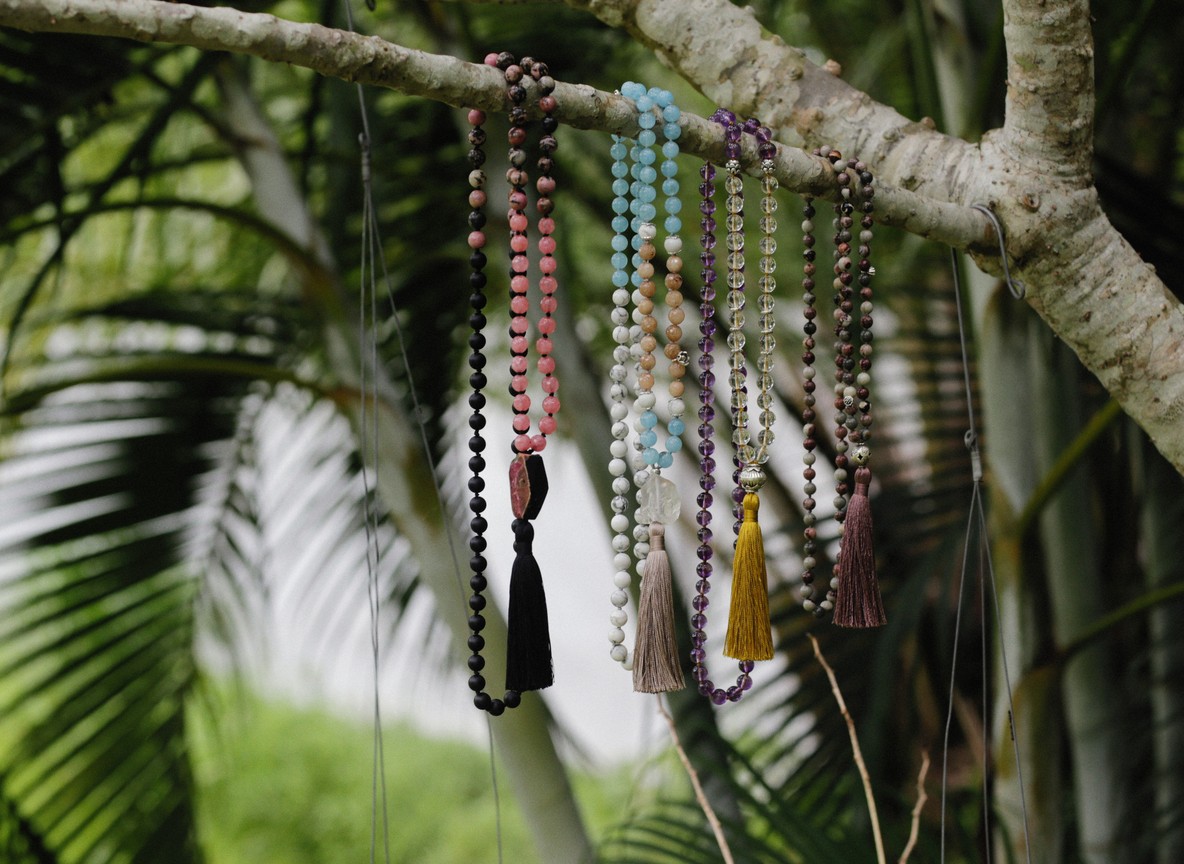
The on-site shop stocks finished jewelry (bead necklaces, bracelets, and earrings), standalone loose beads for travelers who want to restring their own pieces at home, and hand-painted pottery pieces such as bowls, vases, and animal figurines. Simple single-strand bracelets sit at the lower end of the shop’s indicative price range, while multi-strand necklaces and larger pottery pieces sit higher. Card payment is generally accepted alongside cash, though carrying some Kenyan shillings is a safe backup for a smaller workshop shop like this one.
Why This Story Matters Beyond the Souvenirs
It is easy to treat Kazuri as a shopping stop and move on. We think that undersells what is actually happening on that workshop floor. Kenya’s tourism economy runs on stories about wildlife and landscape, and rightly so, but the human side of the country gets far less airtime. Kazuri gives visitors a rare, direct look at how tourism dollars can fund something durable: steady wages, healthcare access, and skills training for women who built a livelihood out of clay and color.
For travelers who care about where their money actually goes, a Kazuri visit answers that question more concretely than almost any other stop in Nairobi. You watch the person who made your necklace shape the next one before you leave.
The Trunktrails Advantage
Trunktrails Safaris builds cultural stops like Kazuri directly into our Nairobi city tours and pre-safari itineraries, not as an afterthought but as a deliberate part of how we design a trip. Here is what that looks like in practice.
- We schedule Kazuri visits earlier in the day, before the workshop gets busy with tour groups, so you get more time with the artisans and a calmer browsing experience in the shop.
- Our Nairobi-based guides speak directly with workshop staff and can translate the finer details of the bead-making process that a rushed group tour often skips.
- We pair Kazuri with nearby stops like the Karen Blixen Museum or Giraffe Centre into a single half-day Karen itinerary, saving you a second trip across the city.
- Every Trunktrails client who visits Kazuri gets background on the cooperative’s history beforehand, so the visit lands as more than a shopping stop.
Trunktrails Safaris has built these city-and-bush combinations for years, and it is one of the details that separates a rushed layover stop from a trip that actually reflects the country you came to see. Whether you are booking a single day in Nairobi before flying out to the Mara or building cultural stops into a longer Kenya itinerary, our team designs tours and safaris around what will actually stay with you after the trip ends.
Plan Your Kazuri Visit With Trunktrails Safaris
A Kazuri Beads Factory visit takes an afternoon, but it tells you more about modern Kenya than most weeklong itineraries manage. If you want it built into a Nairobi day tour, a pre-safari city stop, or a full custom Kenya itinerary, reach out to Trunktrails Safaris and we will design tours and safaris around the stops that matter to you.
Further reading
More safari planning resources
- Kenya safari packages from SafariPure
- Kenya tour packages from Valley Safaris
- Is Kenya safe to visit? on Touring Insights
- Compare Kenya safari packages on FindMySafari
📸 Message us on WhatsApp at +254 113 208888 or email info@trunktrailssafaris.com to start planning. Trunktrails Safaris is a Kenyan-owned, licensed tour and safari operator (TRA Licence No. TRA1/22/C01/92750), and we would love to add Kazuri to your Nairobi plans before availability for your travel dates fills up.