
Bomas of Kenya: A Day Inside the Country’s Living Cultural Village
If you type bomas of kenya into a search bar before your trip, you want a fast way to meet this country’s people. You want that before you spend two weeks looking at its wildlife. Bomas of Kenya sits along Forest Edge Road off Langata Road in Nairobi. It is a few minutes from the main gate of Nairobi National Park. The site packs traditional homesteads, live drumming and a full stage show into a single half-day visit.
Trunktrails Safaris routes first-day and last-day clients here constantly. It is the easiest way to hand a traveller real cultural context before they head into the bush on tours and safaris. It also works as one memorable stop on the way back to the airport. This guide covers the real distances, the show schedule, indicative fees and how to build a full day around it. 🌍
What Is Bomas of Kenya?
“Boma” is a Swahili word for a homestead or enclosed compound. Bomas of Kenya was established in 1971 as a state-run cultural centre. Its mission was simple: preserve and showcase the traditional ways of life of Kenya’s ethnic communities before urbanisation erased them. The site sits on land bordering Nairobi National Park, close enough to visit both in a single day.
The complex has two halves. The open-air section holds a cluster of reconstructed traditional homesteads. Each one is built in the architectural style of a different Kenyan community, from Kikuyu thatched huts to Luo granaries to Maasai manyattas. The second half is the Millennium Hall auditorium, home to the resident Harambee Dancers troupe. They perform traditional songs and dances drawn from across the country in a single live show.
Unlike a museum where you read placards behind glass, Bomas puts you inside real-scale structures and in front of live performers. It is culture as a demonstration, not an exhibit case.
Bomas of Kenya Facts at a Glance
| Fact | Detail |
|---|---|
| Established | 1971 |
| Location | Forest Edge Road, off Langata Road, Nairobi |
| Distance from Nairobi CBD | Approximately 10 km |
| Distance from JKIA airport | Approximately 20 km |
| Distance from Nairobi National Park main gate | Approximately 1 to 2 km |
| Traditional homesteads on site | Around 20 to 22, representing major Kenyan ethnic communities |
| Resident performance group | Harambee Dancers |
| Main venue | Millennium Hall auditorium |
| Typical visit length | 2 to 3 hours |
| Managing body | State-owned cultural corporation under Kenya’s tourism ministry |
Showtimes and fees change periodically. Treat the figures in this guide as indicative. Confirm the current schedule before you travel, a step Trunktrails Safaris handles as part of booking your visit.
Walking Through the Traditional Homesteads
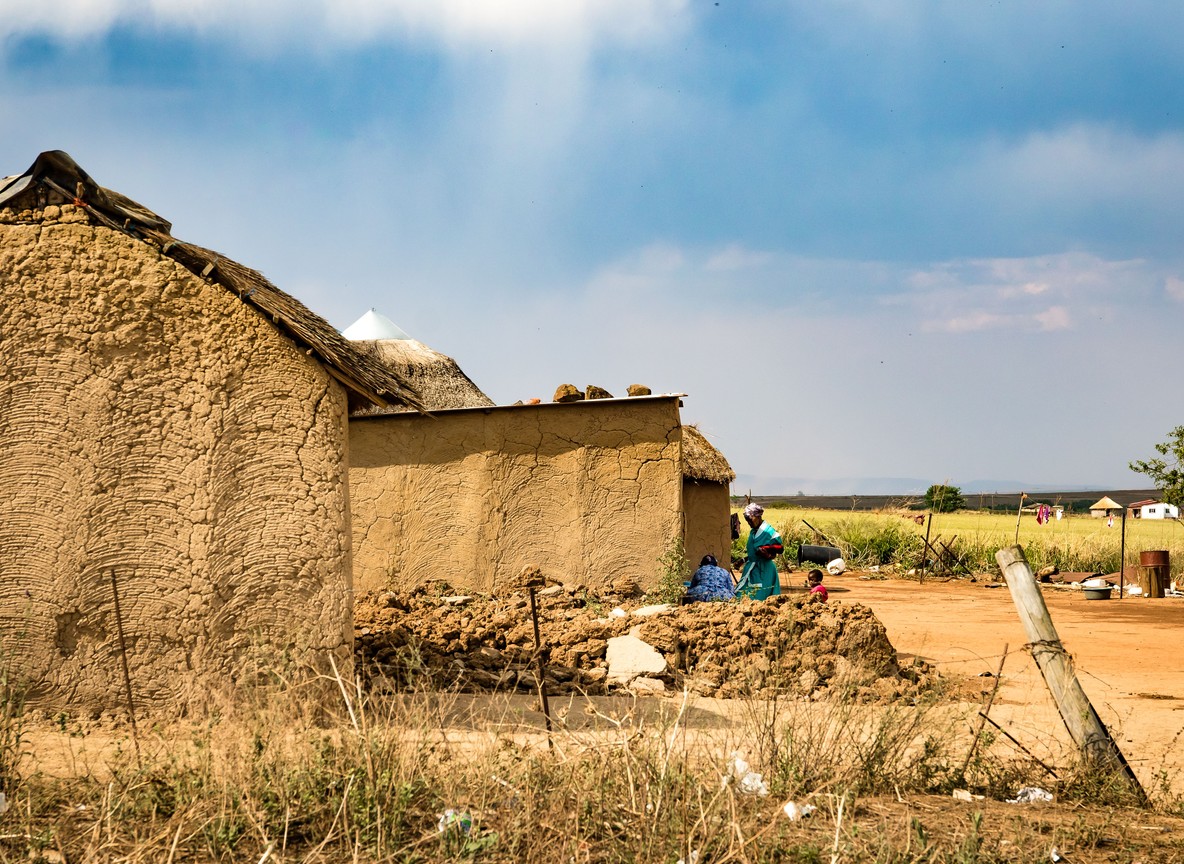
The homestead section is self-guided. Most visitors spend 45 minutes to an hour walking the loop. Each cluster of structures represents a different community’s compound layout, building materials and family arrangement. Guides stationed near the entrance will walk you through specific homesteads on request. They explain small details, like why certain huts face a particular direction, or how granary design differs between herding and farming communities.
What stands out is the variety packed into one walkable site. Kenya recognises more than 40 distinct ethnic communities, and Bomas represents a broad cross-section of them side by side. In twenty minutes you get a sense of the country’s real diversity, the kind that would otherwise take weeks of independent travel to piece together.
The Live Show at Millennium Hall
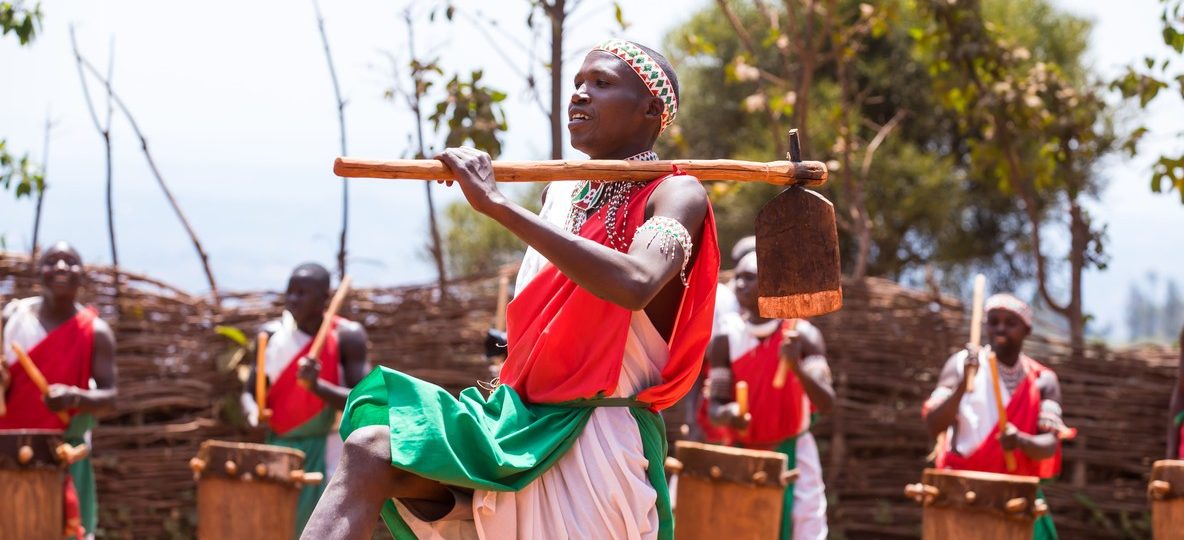
The stage show is the reason most people build their afternoon around Bomas of Kenya. The Harambee Dancers perform a rotating set of traditional songs, drumming and dance routines. The set represents communities from the coast, the highlands, the Rift Valley and the lake region. Performances typically run on an afternoon matinee schedule, with slightly different timing on weekdays versus weekends and public holidays.
Expect acrobatic dance sequences, live drumming and audience participation moments near the end. The performers are professional artists, not a volunteer group. The show is genuinely well produced, not a token tourist add-on. Seating in Millennium Hall is first-come. Arrive 20 to 30 minutes ahead of showtime for a better view.
Bomas of Kenya vs Other Nairobi Cultural Stops
Nairobi has a handful of cultural and heritage attractions that get grouped together in trip planning. Here is how Bomas compares on distance, cost and what you actually get.
| Attraction | Distance from CBD | Indicative Entry Fee (Non-Resident) | What You Get | Typical Visit Length |
|---|---|---|---|---|
| Bomas of Kenya | ~10 km | $10-15 plus show ticket | Homesteads + live dance show | 2-3 hours |
| Karen Blixen Museum | ~12 km | $10-12 | Colonial-era farmhouse and grounds | 1-1.5 hours |
| Nairobi National Museum | ~4 km | $10-12 | Natural history, archaeology, art | 1.5-2 hours |
| Kazuri Beads Centre, Karen | ~13 km | Free entry, workshop tour | Ceramic bead workshop and shop | 45 min-1 hour |
Bomas of Kenya is the only stop on this list that combines a physical walkthrough with a live performance. That is why it works best as a standalone half-day, rather than a quick add-on between two other sites.
Getting to Bomas of Kenya from Nairobi
Bomas of Kenya sits about 10 km from Nairobi’s CBD and roughly 20 km from Jomo Kenyatta International Airport. That makes it a realistic stop on either end of a Kenya trip.
By road from the CBD: The drive down Langata Road takes 20 to 40 minutes, depending on traffic. Weekday rush hours build up fast. A private transfer avoids the guesswork of matatu routes and drop-off points.
From JKIA: Roughly 25 to 40 minutes by road, traffic dependent. That makes Bomas a workable stop for travellers with a long layover, or an early evening flight after their safari ends.
Combining with Nairobi National Park: The main gate sits only 1 to 2 km away. Many Trunktrails Safaris itineraries pair a morning game drive in Nairobi National Park with an afternoon at Bomas of Kenya. It closes the loop between wildlife and culture in a single day, with no long transfer between the two.
The Trunktrails Advantage for Your Bomas of Kenya Visit
Bomas of Kenya looks simple to visit independently, and it is. But getting the timing wrong means missing the show entirely, or wasting an hour waiting around. This is where Trunktrails Safaris adds real value.
What we handle for a Bomas of Kenya visit:
- Confirming the current show schedule before you travel, since matinee times shift between weekdays and weekends
- Private transfers from your Nairobi hotel, JKIA or Nairobi National Park, timed to arrive well before the show
- Pairing the visit with Nairobi National Park, the Giraffe Centre or the David Sheldrick Wildlife Trust for a full day near Langata
- Pre-purchasing entry where possible to avoid queue delays
- Local guide commentary on the specific homesteads relevant to your route through Kenya’s regions
- Realistic scheduling so Bomas fits around your wider tours and safaris itinerary rather than competing with it
Booking tours and safaris with Trunktrails Safaris means someone has already checked the showtimes and mapped the traffic. The buffer is already built in. Your half-day at Bomas of Kenya delivers the full show and the full walkthrough, not a rushed version of either. This is native Kenyan-owned trip planning, run by a team that treats Nairobi logistics with the same care as a multi-day Masai Mara circuit.
Trunktrails Safaris regularly builds Bomas of Kenya into first-day itineraries for families wanting cultural context before the bush. It also fits last-day itineraries, for travellers with a late flight who want one more memorable stop before the airport.
Practical Information for Visiting Bomas of Kenya
Entry fees: Indicative non-resident rates run in the $10 to $15 range for general entry. The live show is sometimes ticketed separately, sometimes bundled, depending on the day. Resident and citizen rates are lower. Confirm current pricing directly, since state-run venues revise fees periodically.
Best days to visit: Weekend and public holiday shows tend to run a fuller schedule than weekdays. Weekday visits mean smaller crowds in the homestead section.
What to bring: Comfortable walking shoes for the homestead loop, a camera, and cash in Kenyan shillings for any craft stalls near the entrance.
Photography: Photography is generally permitted in the homestead section and during the show. Avoid flash during performances out of courtesy to performers and other guests.
Ready to Add Bomas of Kenya to Your Kenya Itinerary?
Bomas of Kenya solves a real problem for travellers headed into the bush. It gives you the human context behind the landscapes you are about to see. All of it fits into one afternoon, a short drive from central Nairobi. Traditional homesteads you can walk through, a live show built by professional performers, and a location close enough to Nairobi National Park to pair with a morning game drive.
Trunktrails Safaris builds Bomas of Kenya into Nairobi day plans on both ends of your trip. Everything is timed against real showtimes and real traffic patterns, not guesswork. If you want your tours and safaris to open or close with genuine cultural depth instead of another transit day, this is where to start.
WhatsApp Micah to add Bomas of Kenya to your Nairobi itinerary:
Further reading
More safari planning resources
- Kenya national parks map from SafariPure
- Kenya national parks map from Valley Safaris
- Maasai Mara National Reserve guide on Touring Insights
- Compare Kenya safari packages on FindMySafari
📞 WhatsApp: +254 113 208888 📧 Email: info@trunktrailssafaris.com 🌐 Website: https://trunktrailssafaris.com
Trunktrails Safaris — native Kenyan-owned, built to show you Kenya’s culture and its wildlife in the same trip.