
Kasigau Wildlife Corridor: Kenya’s Essential Elephant Pathway Between the Two Tsavo Parks
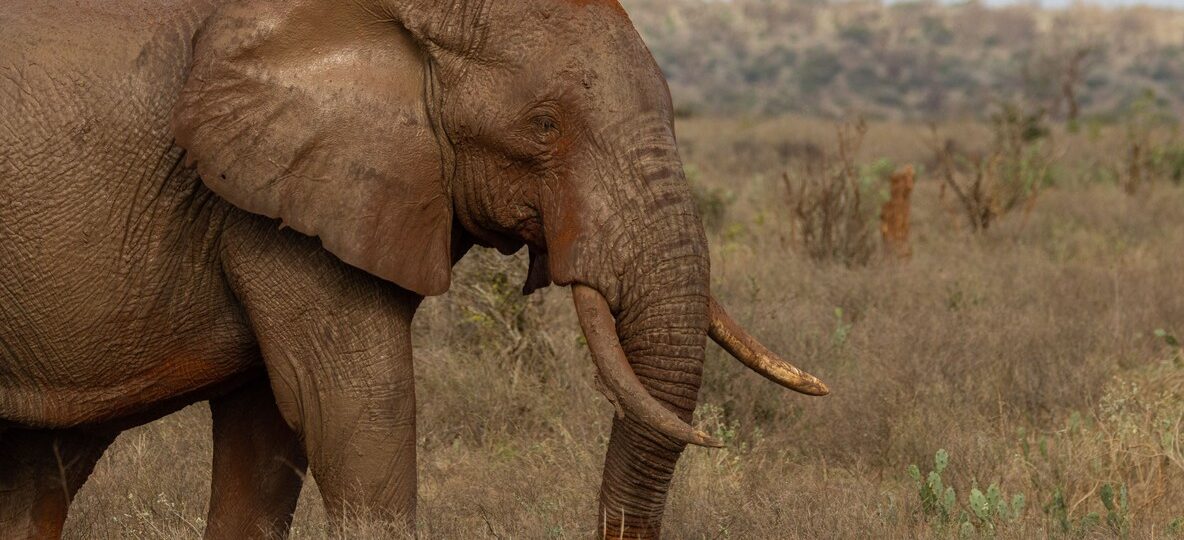
At dusk on the dry plains south of Voi, a family of elephants crosses a dusty track in single file. The matriarch leads. The youngest calf stumbles to keep pace. They are heading west, from Tsavo East into Tsavo West, following a route their ancestors have walked for centuries. The land they cross is the kasigau corridor kenya conservationists have spent two decades protecting. Without it, that crossing becomes a fence line, a farm boundary, and eventually a wall. 🐘
This is not just an elephant story. The Kasigau Wildlife Corridor is one of the most important pieces of connected wild land in East Africa. It is a living example of how community-led conservation, carbon finance, and ecological science can work together to keep wildlife moving across a landscape the size of a small country.
What Is the Kasigau Wildlife Corridor?
The Kasigau Wildlife Corridor sits in Taita-Taveta County, in Kenya’s Coast region. It forms a buffer zone between two of Kenya’s largest national parks: Tsavo East and Tsavo West. Together those parks cover roughly 21,800 km², making the combined Tsavo Conservation Area one of the largest wildlife reserves in the world.
The corridor itself covers approximately 200,000 hectares of semi-arid dry forest and bushland. It takes its name from Kasigau Mountain, a volcanic inselberg that rises to 1,641 metres above the surrounding plains and is visible for many kilometres in every direction.
Wildlife Works Carbon, a Nairobi-based conservation company, has managed the corridor since the late 1990s. In 2011 it became the first REDD+ project in Africa to receive validation under the Verified Carbon Standard (now Verra). The project operates in two phases: Phase I covers approximately 68,200 hectares and Phase II covers a further 114,500 hectares. Both phases together protect the continuous forest and bushland that elephants, lions, and hundreds of other species need to move between the two Tsavo parks.
Why Elephants Cannot Survive Without Connected Habitat
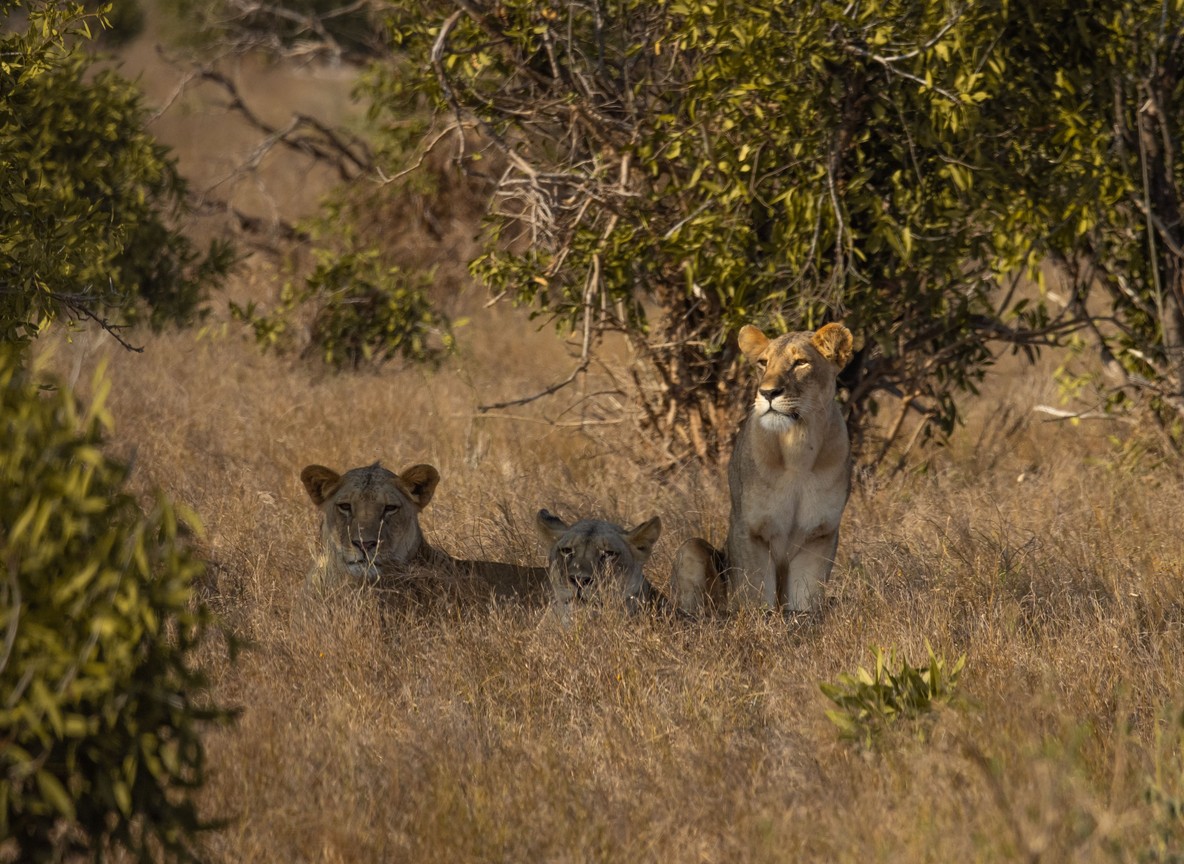
Elephants are landscape-level animals. A bull elephant can travel 50 to 80 km in a single day. A herd under drought stress may walk hundreds of kilometres to find water and browse. When the land between parks fragments into farms and villages, those movements become deadly for elephants and costly for the people who share the land with them.
Tsavo holds one of Kenya’s largest elephant populations. Estimates from Kenya Wildlife Service aerial surveys place the Tsavo population at between 12,000 and 15,000 animals. When that population overconcentrates inside the park boundaries during the dry season, habitat degradation follows. Vegetation is stripped, waterholes are damaged, and conflict between elephants and farming communities on the park edges intensifies.
The Kasigau corridor reduces that pressure. It gives elephants a functional pathway across semi-arid land they can use, rather than farmland they must cross illegally. Studies on GPS-collared elephants in the Tsavo ecosystem have confirmed regular movement through the corridor, especially during the two dry seasons: January to March and July to October.
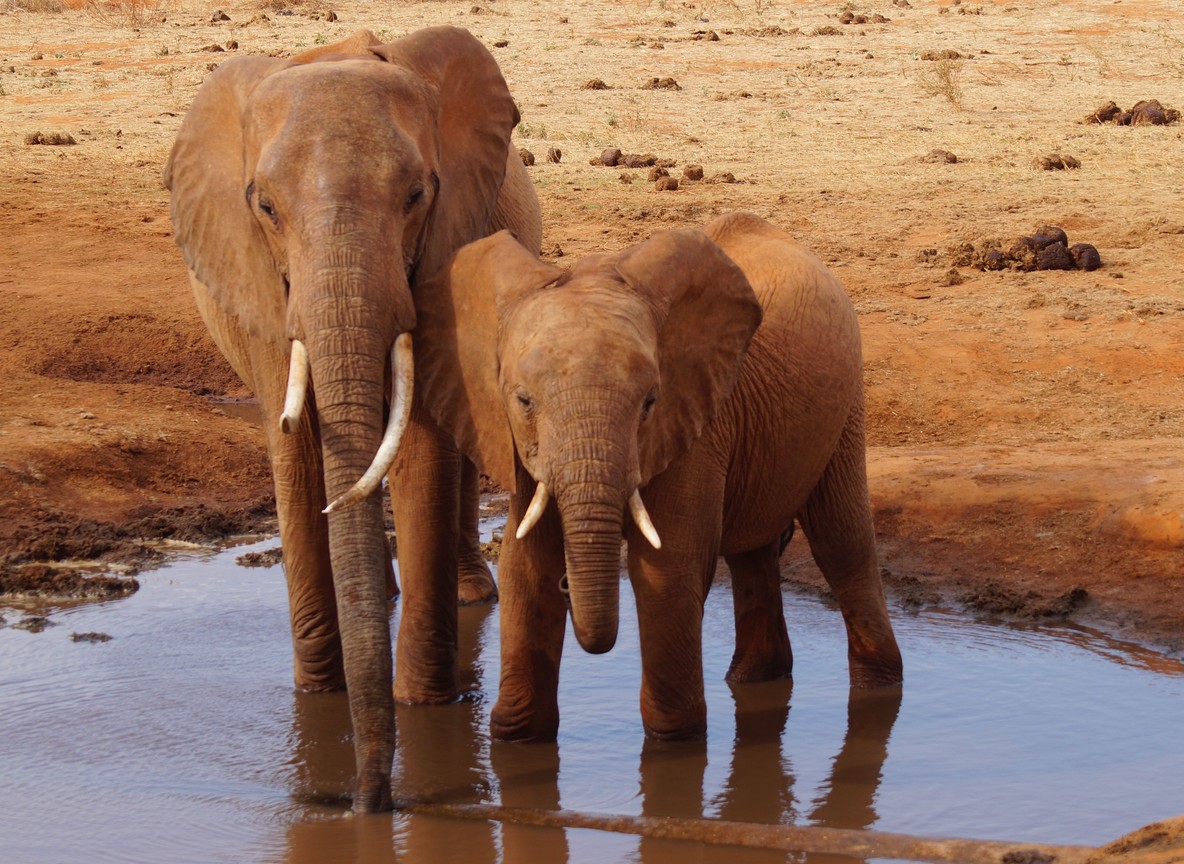
The corridor also benefits lions, leopards, African wild dogs, cheetahs, and lesser-known species like the hirola antelope and Grevy’s zebra that depend on connected habitat to maintain genetically healthy populations.
Tsavo Conservation Area and Kasigau Corridor: Key Facts
| Feature | Tsavo East NP | Tsavo West NP | Kasigau Corridor |
|---|---|---|---|
| Area | 13,747 km² | 9,965 km² | ~2,000 km² |
| Land status | National Park (KWS) | National Park (KWS) | REDD+ buffer zone (Wildlife Works) |
| Key attractions | Yatta Plateau, Mudanda Rock, Galana River | Mzima Springs, Ngulia Hills, Roaring Rocks | Kasigau Mountain, dry forest, birdlife |
| Main entry gate | Voi Gate, Manyani Gate | Mtito Andei Gate, Tsavo Gate | No formal park gate |
| Nearest airstrip | Voi Airstrip | Kamboyo Airstrip | Voi Airstrip |
| KWS park fee (non-resident adults, indicative) | ~USD 52 per person/day | ~USD 52 per person/day | No KWS fee |
| Drive from Nairobi (indicative) | ~330 km / 3.5–4 hr | ~230 km / 2.5 hr | ~300 km / 3.5 hr |
| Drive from Mombasa (indicative) | ~150 km / 2 hr | ~270 km / 3 hr | ~170 km / 2 hr |
| Closest town | Voi | Mtito Andei | Voi |
Fees are indicative only and subject to KWS review. Vehicle fees (~USD 16/vehicle for non-residents) apply separately inside both parks.
The REDD+ Model: Carbon Credits That Fund Conservation
Most wildlife corridors fail not because of bad science but because of bad economics. The land is worth more to a farmer or charcoal producer than to a conservancy. The Kasigau project solved that problem by turning intact forest into a revenue stream through carbon credits.
When trees are left standing, they store carbon that would otherwise enter the atmosphere. Under the REDD+ framework (Reducing Emissions from Deforestation and Forest Degradation), those stored tonnes of carbon can be sold as Verified Carbon Units (VCUs) to corporations offsetting their emissions. The Kasigau project generates millions of VCUs annually, which Wildlife Works sells on the voluntary carbon market.
That revenue funds three things: on-the-ground protection of the forest, community development projects (schools, water systems, solar power) in the six Kasigau community group ranches, and direct employment. Wildlife Works employs more than 350 rangers, scouts, and staff drawn from the local Taita and Duruma communities. These are people who previously had two choices: subsistence farming on marginal land, or charcoal burning. Now they are paid to protect the corridor, and they have a direct financial interest in keeping it intact.
It is one of the clearest demonstrations in Kenya of conservation paying its own way.
Wildlife Beyond Elephants: What Lives in the Corridor?
The corridor is not a pristine wilderness. It is a working landscape shared by conservancy staff, community group ranches, and wildlife. That shared-use reality is exactly why it works: communities have a stake in it.
Inside the corridor, birders find over 330 recorded species, including Taita thrush, Taita apalis, and Taita falcon, three birds found nowhere else on Earth. The Taita Hills, which rise above the corridor’s southern boundary, are one of Kenya’s most important endemic bird areas. 🐦
Mammals recorded in and around the corridor include:
- African elephant
- Lion and leopard
- African wild dog
- Gerenuk and lesser kudu (both typical of the Tsavo lowland thickets)
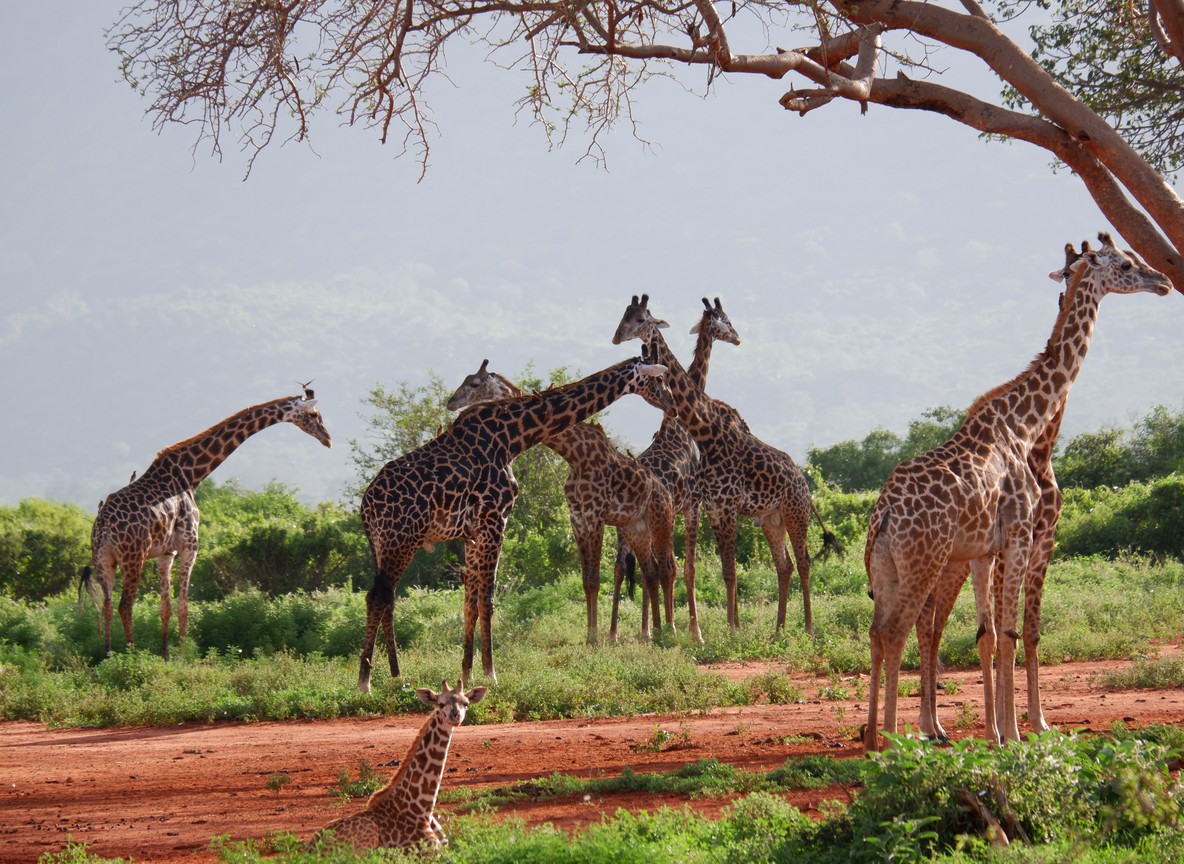
- Reticulated giraffe on the corridor’s northern reaches
- Numerous antelope species including oryx, impala, eland, and Grant’s gazelle
Reptile diversity is high. The corridor’s rocky outcrops shelter agama lizards, monitor lizards, and several python species. This kind of habitat complexity, dry forest and rocky inselbergs alongside open bushland, gives the corridor a character different from either of the adjacent parks.
How to Visit the Tsavo Corridor Region
Visitors to the Kasigau corridor kenya area stay in lodges and camps inside Tsavo East or Tsavo West, using Voi or Mtito Andei as gateway towns. The corridor itself does not operate a formal visitor circuit, but its presence directly improves wildlife sightings in both parks by keeping animal populations moving and well-distributed.
Key lodges and camps near the corridor (indicative rack rates per person per night):
- Satao Camp, Tsavo East (near Voi Gate) — tented camp, from USD 300 per person
- Galdessa Camp, Tsavo East (on the Galana River) — private tented, from USD 550 per person
- Ashnil Aruba Lodge, Tsavo East (Aruba Dam) — from USD 200 per person
- Kilaguni Serena Safari Lodge, Tsavo West — from USD 230 per person
- Finch Hattons, Tsavo West (Chyulu Hills buffer zone) — luxury, from USD 700 per person
All rates are indicative only and vary by season. Rates include park fees in most cases; confirm at booking.
Voi is served by scheduled flights from Nairobi Wilson Airport (flight time approximately 50 minutes on Safarilink or AirKenya). The town sits on the Nairobi-Mombasa highway (A109), making Tsavo a natural stop on a fly-in-drive-out or overland itinerary between the capital and the coast.
The Trunktrails Advantage
Trunktrails Safaris has been building tours and safaris across Kenya’s wildlife corridors for years. We know that the Kasigau story is inseparable from the Tsavo experience. When we plan tours and safaris through Tsavo East and Tsavo West, we choose camps that sit close to the corridor’s edge, where elephant sightings are consistent and where the dry forest gives the landscape a different texture from the open savannah you see in the Mara.
What sets Trunktrails Safaris apart in Tsavo:
We time your game drives for the corridor edge. Morning and late afternoon drives through the Galana River corridor and along Mudanda Rock give the best chance of watching elephant families that have moved overnight from one Tsavo park to the other.
We pair the ecosystem with the science. Trunktrails Safaris guides explain the REDD+ model, the community employment story, and the elephant movement data. You leave Tsavo understanding why the corridor exists, not just that it does.
We use the corridor as an ethical filter. Every tours and safaris itinerary we put together in this region routes spend toward camps and conservancies that contribute to the corridor’s protection. When you book with Trunktrails Safaris, your visit directly supports the people keeping this pathway open.
We connect Tsavo to the coast. The Kasigau corridor kenya region sits naturally between Nairobi and Diani Beach. Trunktrails Safaris tours and safaris can combine three nights in Tsavo with a coastal extension in a single itinerary, making the most of the overland route along the A109.
See the Elephants That Use This Corridor
The Kasigau corridor is doing exactly what it was built to do. Elephant herds cross freely between Tsavo East and Tsavo West. Carbon revenue funds the rangers who stop poachers. Community members have livelihoods tied to living wildlife. 🌍
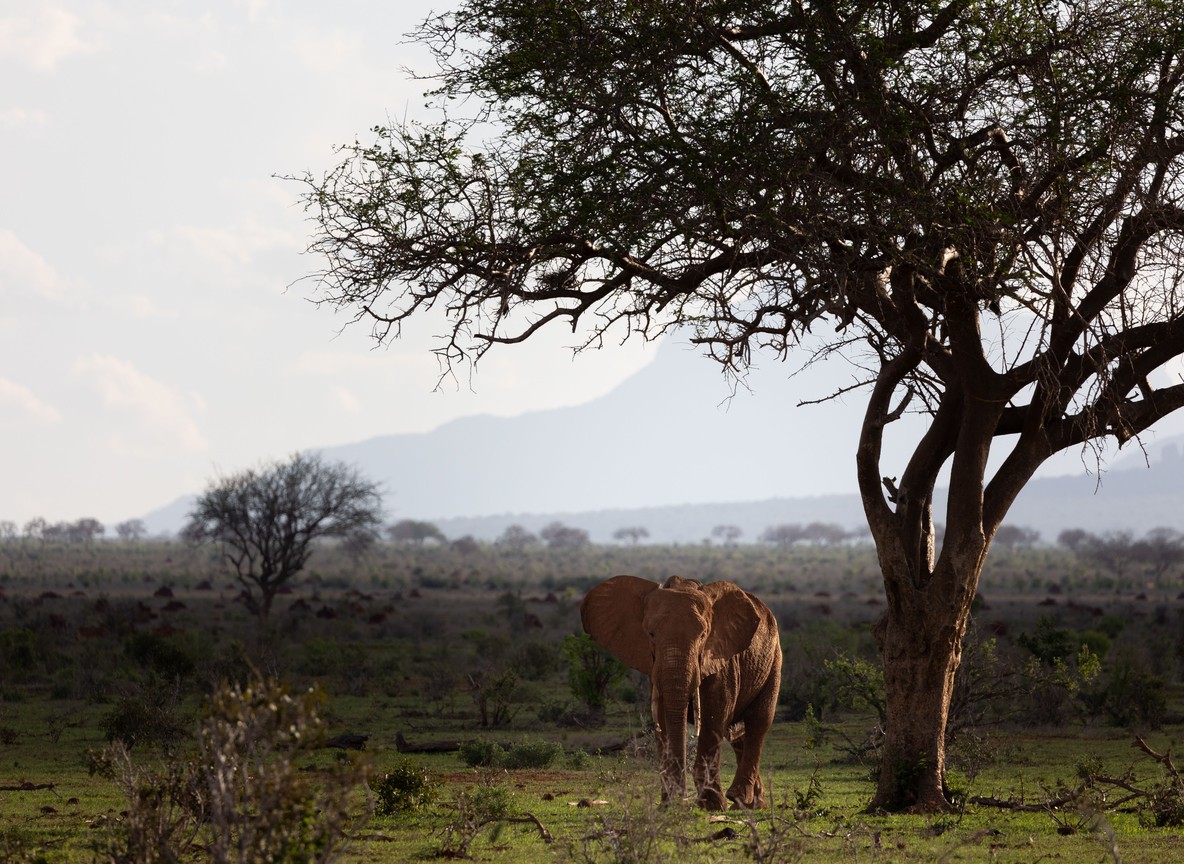
The moment you watch a Tsavo elephant herd move through the acacia scrub at the edge of that corridor, it clicks. Conservation is not a sacrifice. It is the only economy that works long-term in a landscape like this.
Further reading
More safari planning resources
- Map of Tsavo from Valley Safaris
- Tsavo complete guide on Touring Insights
- Tsavo destination guide on FindMySafari
- Big Five safari collection on FindMySafari
Trunktrails Safaris is ready to show you that landscape. Talk to us on WhatsApp at +254 113 208888, email info@trunktrailssafaris.com, or visit trunktrailssafaris.com to plan your Tsavo and Kasigau corridor safari today. Spaces at the top tented camps fill fast in the July and August dry season. Reach out now to hold your dates. ✨