Is the Great Migration Really Year-Round? What Happens in the Mara Every Month 🦓
Ask ten safari travelers when the Great Migration happens and most will say July to October. That answer is not wrong, but it is only part of the story. The Great Migration year round in the Masai Mara includes resident herds, calving cycles, and predator behavior that never actually stops. Trunktrails Safaris runs trips into the Mara ecosystem in every month of the year, and every single one of those months has genuine wildlife activity tied to the migration cycle. This guide breaks down what is actually happening on the ground, month by month, so you can plan a trip around real conditions instead of a single peak-season assumption.
Why Everyone Thinks the Migration Is Only a Few Months
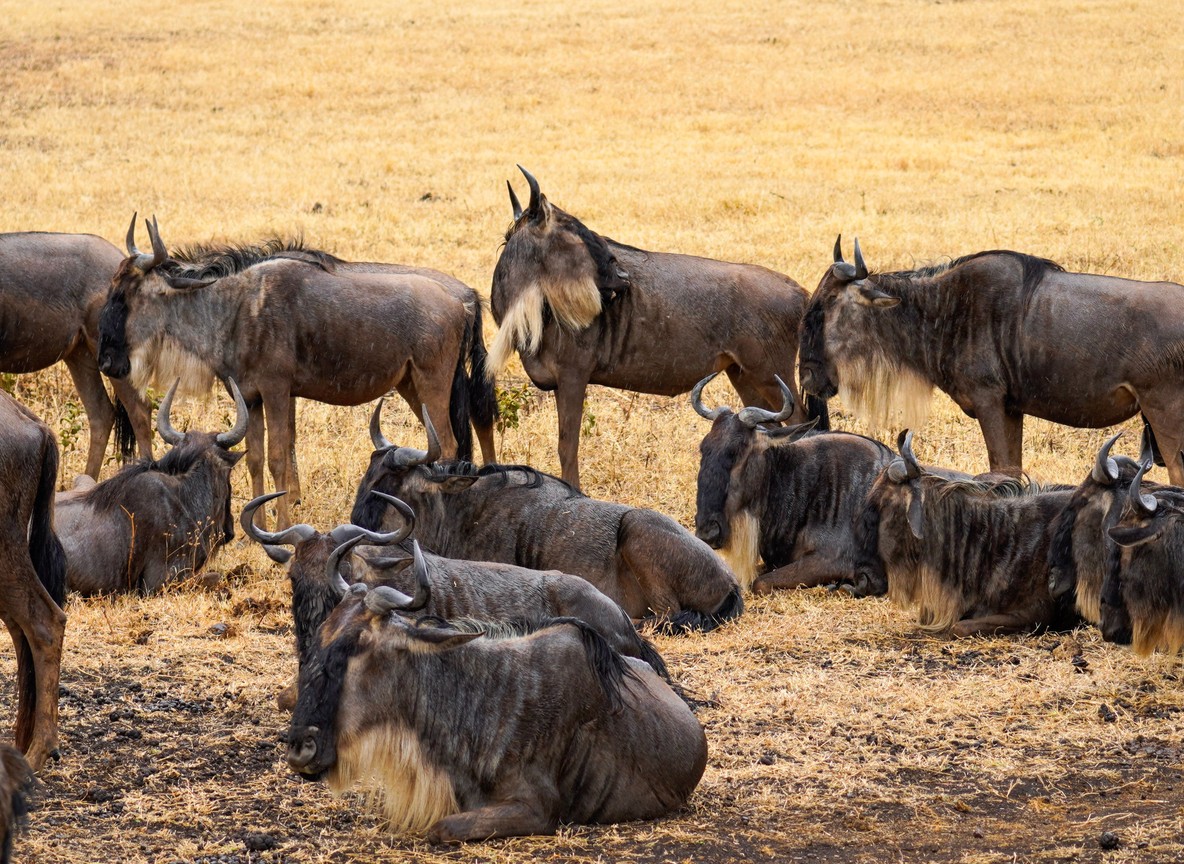
The famous river crossing footage that shows up in documentaries is filmed almost entirely between July and October, when the main herds push north across the Mara River from the Serengeti National Park in Tanzania. That footage is dramatic, so it dominates how people picture the migration. What it leaves out is the rest of the cycle. The herds spend the other eight months of the year calving, grazing, and moving through Tanzania and the southern Mara ecosystem. On top of that, a resident population of wildebeest and zebra lives in the Masai Mara National Reserve and its surrounding conservancies all year, regardless of where the main migratory herds happen to be.
Migratory Herds vs Resident Herds: The Difference That Matters
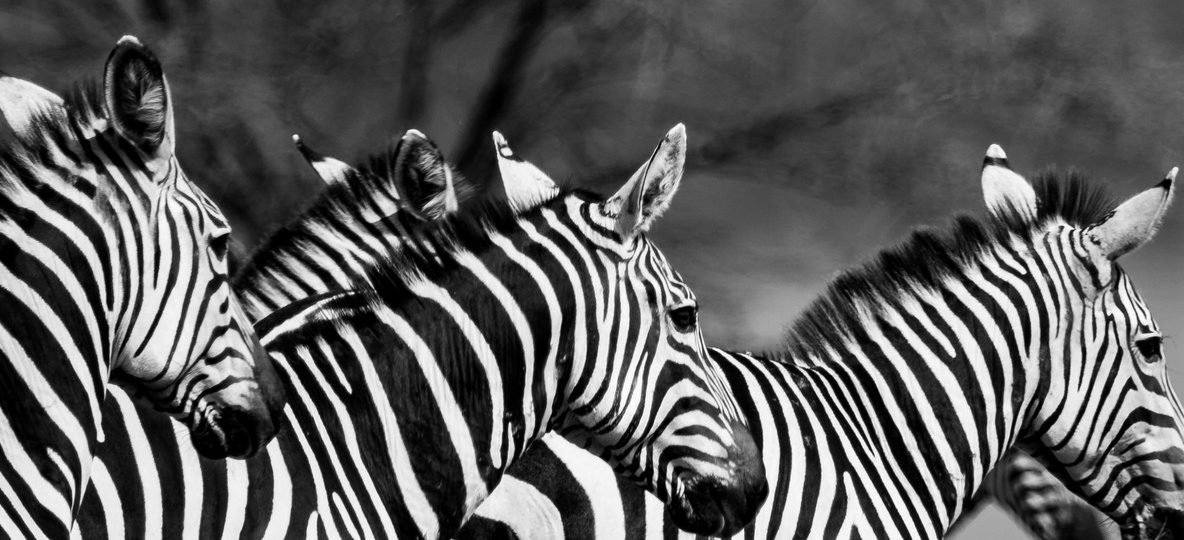
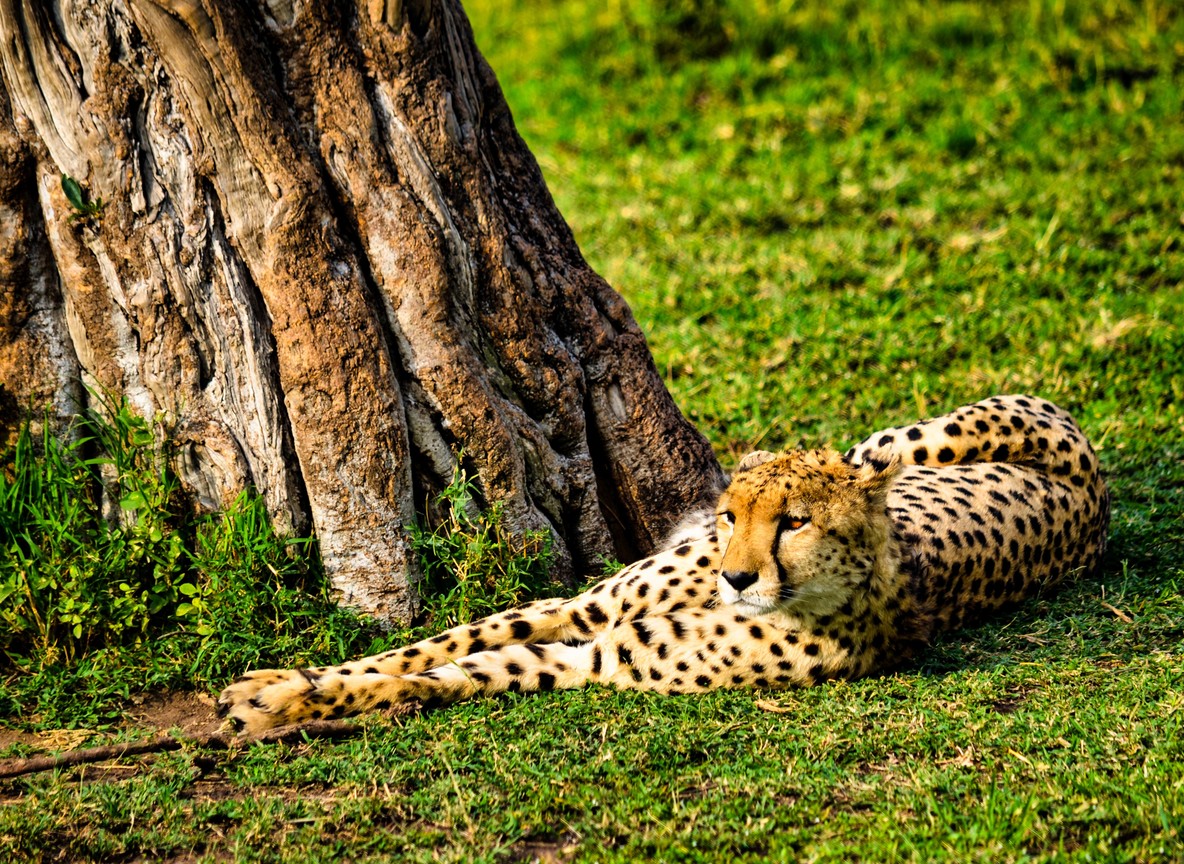
The migratory herds are the roughly 1.3 to 2 million wildebeest and 500,000 zebra that circle continuously between the Serengeti and the Masai Mara, chasing rainfall and fresh grass. These are the animals in the famous crossing videos. Separate from that mass movement, an estimated resident population of wildebeest and zebra stays in the Mara ecosystem throughout the year. These resident herds do not follow the long migratory loop, but they still shape the food chain that predators depend on. This is the part of the great migration year round story that most first-time visitors never hear about, and it is exactly why lions, cheetahs, and leopards remain reliably visible in the Masai Mara in January just as much as in September.
Great Migration Month-by-Month in the Mara Ecosystem
January and February. The bulk of the migratory herds are calving on the short-grass plains of the Serengeti in Tanzania, far south of Kenya. In the Masai Mara itself, resident wildebeest, zebra, and healthy predator populations keep game drives strong. Rates are low and the reserve is quiet.
March. Herds begin shifting north through the Serengeti as grass dries out further south. The Masai Mara sees no migratory presence yet, but resident wildlife viewing stays consistent.
April and May. The long rains fall across the wider Mara-Serengeti ecosystem. Some access roads turn muddy and a few camps close briefly for maintenance. This is the quietest and most affordable stretch of the year for a Kenya tours and safaris trip.
June. The vanguard of the migratory herds crosses the Sand River into the southern conservancies of the Masai Mara. Grass is green, vehicle numbers are still low, and this is a strong value month.
July. Mega-herds arrive in numbers. The first river crossing attempts of the season begin at the Mara River, usually near the Mara Triangle and Ol Kiombo areas.
August and September. This is peak migration season. Crossings happen at the Mara River and the Talek River multiple times a week. Resident and migratory wildebeest populations overlap here, pushing herd density to its highest point of the year. It is also the busiest and most expensive period.
October. The main herds are still present in the Mara, but crowds thin as peak season passes. Crossings continue on a smaller scale, and photographic light is excellent.
November. Short rains begin and the migratory herds start their return south into the Serengeti. Resident herds stay put through this transition.
December. Most of the migratory population has moved back into Tanzania. Resident wildebeest, zebra, and strong predator activity keep the Masai Mara worth visiting through the festive season.
Peak Crossing Season vs Great Migration Year Round: What You Actually See
| What You Want | Peak Season (Aug-Sep) | Great Migration Year Round (Any Month) |
|---|---|---|
| River crossings | Frequent, multiple per week | Rare or none outside July to October |
| Wildebeest and zebra sightings | Extremely high density | Steady, from resident herds |
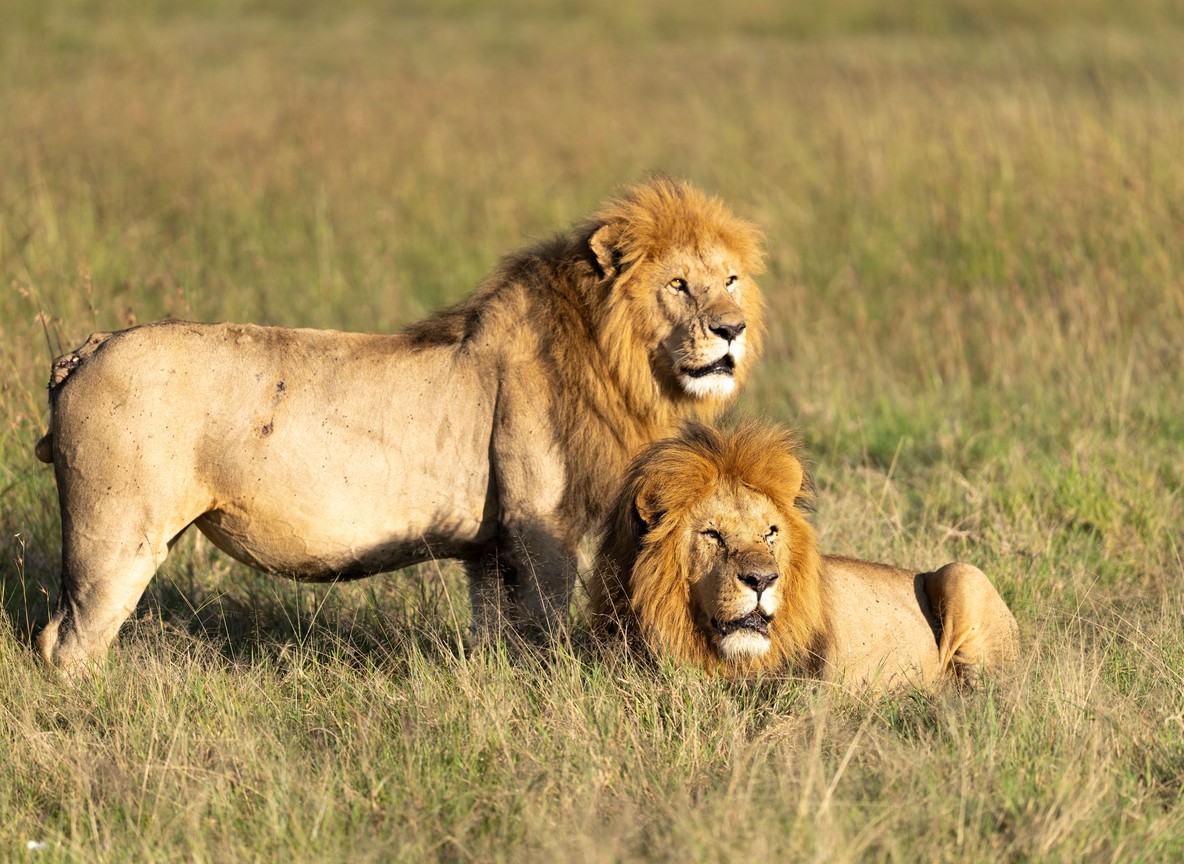
| Predator activity (lion, cheetah, leopard) | Strong | Strong in every month |
| Crowds and vehicle numbers | Highest of the year | Low from November to June |
| Camp rates | Highest of the year | Lowest during April, May, and November |
| Calving activity | None (happens in Tanzania) | Peaks January and February in the Serengeti |
Access Points, Distances, and Indicative Costs
Timing matters, but so does the gate or airstrip you choose once you decide to travel. Here is what the logistics look like for the Masai Mara ecosystem.
| Access Point | Route from Nairobi | Drive Time | Flight Time (Wilson Airport) | Reserve/Conservancy Fee (indicative, per person/day) |
|---|---|---|---|---|
| Sekenani Gate (Masai Mara National Reserve, Narok side) | ~270 km via Narok town | ~5 to 6 hours | N/A (drive-in gate) | USD 80 to 100 |
| Oloolaimutiek Gate | ~250 km via Narok | ~5 hours | N/A (drive-in gate) | USD 80 to 100 |
| Mara Triangle (Musiara Gate) | ~290 km via Narok | ~6 hours | ~45 minutes to Musiara Airstrip | USD 80 to 100 |
| Keekorok Airstrip (central reserve) | N/A | N/A | ~40 to 45 minutes | Reserve fee applies on arrival |
| Naboisho Conservancy | ~275 km via Narok | ~5.5 to 6 hours | ~45 minutes to nearby airstrips | USD 100 to 130 |
The Masai Mara National Reserve covers approximately 1,510 square kilometers. The Mara Triangle sector, managed separately by the Mara Conservancy, adds roughly 510 square kilometers within that total. Surrounding private conservancies, including Mara North, Naboisho, and Olare Motorogi, contribute close to 1,400 additional square kilometers of protected habitat where resident and migratory herds both move freely. All fees listed are indicative planning ranges only. Trunktrails Safaris confirms exact reserve and conservancy rates at the time of booking, since authorities adjust them by season.
Great Migration Year Round: Quick Facts
| Fact | Detail |
|---|---|
| Migratory herd size | Approximately 1.3 to 2 million wildebeest, 500,000 zebra |
| Kenya crossing window | Roughly July through October |
| Calving season | January and February, in the Serengeti, Tanzania |
| Reserve size | Masai Mara National Reserve, approximately 1,510 km2 |
| Conservancy habitat | Approximately 1,400 km2 across Mara North, Naboisho, and Olare Motorogi |
| Nearest airport gateway | Wilson Airport, Nairobi, roughly 45-minute flight to Mara airstrips |
Where to Stay Depending on What You Want
Camps near the Mara River and the Mara Triangle, such as Governors’ Camp, put you closest to the main crossing points during peak months. If your priority is the great migration year round experience rather than a single crossing event, conservancy camps such as Kicheche Mara Camp in Mara North or Naboisho Camp in Naboisho Conservancy are a better fit. Both cap vehicle numbers per sighting, which means calmer game drives focused on resident wildebeest, zebra, and predators in any month you travel. Camps along the Talek River also drop their rates between April and June, and again in November, for travelers chasing value over crossing odds.
The Trunktrails Advantage
Trunktrails Safaris is a Kenyan-owned operator, and we plan Masai Mara trips around what the ecosystem is actually doing that month, not just the calendar page most travelers assume is correct. Our guides track resident herd movement and predator activity across the reserve and the surrounding conservancies every week of the year, so a January safari gets the same level of planning care as a September one. When guests want the classic river crossing, we position them near the Mara River and Talek River during the July to October window. When guests want quieter game drives with strong wildlife density and lower rates, we route them into private conservancies or recommend the shoulder months instead. Every Trunktrails Safaris itinerary is built around your travel dates and your priorities, not a generic peak-season package. Our tours and safaris pricing is transparent and indicative from the first conversation, so you know what to expect before you book. Trunktrails Safaris also partners directly with conservancy operators to keep vehicle numbers capped, protecting both your experience and the long-term health of the habitat.
Frequently Asked Questions
Is the Great Migration really happening year round? Yes, in the sense that matters for wildlife viewing. The mass river crossing is seasonal, typically July through October, but resident wildebeest, zebra, and predator populations remain active in the Masai Mara every month. Calving happens every year in January and February, just in the Serengeti rather than in Kenya.
Can I see wildebeest in the Masai Mara outside the crossing season? Yes. Resident wildebeest herds live in the Masai Mara ecosystem year-round, separate from the migratory population that follows the Serengeti-Mara loop. You will not see the famous river crossings outside July to October, but wildebeest sightings themselves are not limited to those months.
What month has the best balance of value and wildlife? June and October both offer a strong balance. Migratory herds are present in the Mara ecosystem, vehicle numbers are lower than peak August, and rates sit below the high-season peak.
Do camps stay open all year in the Masai Mara? Most camps stay open year-round, though a small number close briefly during the heaviest long rains in April and May for maintenance. Trunktrails Safaris confirms current camp status before booking any shoulder-season trip.
Plan Your Trip Around the Real Calendar
Further reading
More safari planning resources
- Wildebeest migration route map from Valley Safaris
- Mara River crossing guide on Touring Insights
- Great Migration safari collection on FindMySafari
- Best time to visit Kenya month-by-month map from Valley Safaris
The Great Migration year round is not one event squeezed into four months. It is calving in the Serengeti, resident herds holding steady in the Masai Mara, and a river crossing spectacle that peaks between July and October. Once you know what each month actually offers, you can pick dates that match your priorities instead of chasing a single postcard moment. Trunktrails Safaris will map your travel window against real herd movement, camp rates, and access points before you commit to dates. Message us on WhatsApp at +254 113 208888 or email info@trunktrailssafaris.com, and our team will build a tours and safaris itinerary around the month that actually works for you. 🌍