Emboo Camp Masai Mara: Inside the Conservation Model Redefining Mara Tourism 🌍
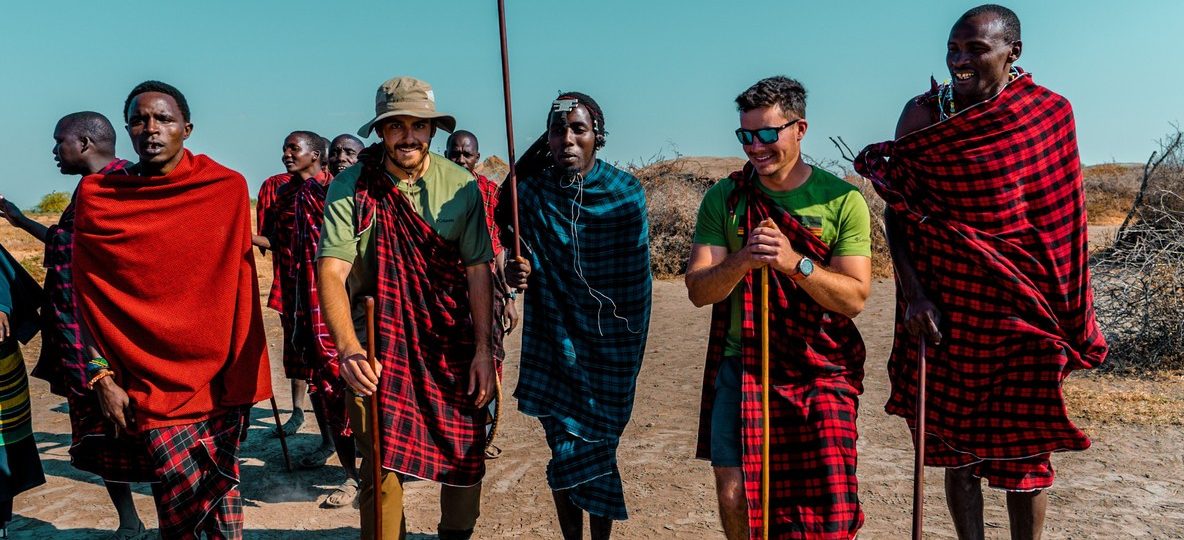
Most conversations about conservation in the Mara start with a conservancy map. Emboo Camp Masai Mara starts somewhere else. It sits on a quiet, forested bend of the Talek River, inside the Masai Mara National Reserve itself. There, a small, solar-powered camp has built a community-first, low-impact operating model without ever leaving reserve land. At Trunktrails Safaris, we spend a lot of time explaining the difference between a national reserve and a private conservancy. Our guests planning tours and safaris in the Mara ecosystem want to know which model fits them best, and Emboo is one of the clearest case studies for why that distinction matters less than travelers assume.
This guide covers where Emboo Camp sits and how its community and conservation model actually works. It also covers what a stay costs and how Emboo compares to the conservancy camps built on community-owned Maasai land nearby.
Where Is Emboo Camp Located?
Emboo Camp sits inside the Masai Mara National Reserve, on the banks of the Talek River near Talek town. It is roughly a 20-minute drive from Talek Gate. The camp holds 11 tents, including one family suite, set into riverine forest rather than open plain. That small footprint keeps Emboo feeling more intimate than most reserve-based properties.
Getting to Emboo Camp from Nairobi:
- By air: Wilson Airport to Ol Kiombo Airstrip, about a 45-minute scheduled flight, then a 20-minute transfer to camp.
- By road: Approximately 270 to 290 km via Narok, roughly 5 to 6 hours by 4×4, mostly on unpaved reserve tracks for the final stretch.
Emboo was founded in 2019 as an independent, owner-run camp. In 2026, it joined the Asilia Africa collection through a long-term partnership built around shared conservation values. That partnership gives the camp a bigger distribution network while keeping its original community model intact.
What Is the Masai Mara Conservancy Model, and Why Doesn’t Emboo Use It?
The Masai Mara ecosystem runs on two different land models. The Masai Mara National Reserve, roughly 1,510 km2, is managed by Narok County government and open to any licensed operator. Around it, a ring of private conservancies covers Maasai-owned group ranches leased directly to camps, which pay landowners monthly per-bed fees regardless of occupancy.
Naboisho Conservancy covers about 200 km2 and is owned by roughly 500 Maasai landowning families. They lease the land to camps like Encounter Mara and Kicheche Valley Camp under strict bed-density caps. Mara North Conservancy is larger still, at around 320 km2, owned by more than 800 families. Both conservancies cap vehicle numbers per sighting and limit off-road driving. That trades reserve-style open access for lower density and a direct, contractual income stream to Maasai landowners.
Emboo sits on reserve land, not conservancy land. It does not pay a landowner lease the way a Naboisho or Mara North camp does. Its conservation model works differently: hiring locally, running a fully electric, zero-emission vehicle fleet, and building its solar and water systems entirely on site instead of trucking in diesel. It is a low-impact model built inside the reserve, rather than a land-lease model built around it. Trunktrails Safaris finds both approaches worth explaining honestly, rather than blurring the two together.
How Does Emboo’s Solar and Zero-Waste System Work?
Emboo runs on a 140 square-meter solar farm that powers the entire property around the clock, with no diesel generators on site. That means no engine noise breaking the forest quiet at night and no fuel convoys on reserve tracks.
Wastewater is treated on site through constructed wetlands instead of being trucked out. Kitchen scraps convert to biogas and fertilizer instead of going to landfill. Vertical hydroponic gardens grow a share of the camp’s produce a few meters from the kitchen. Combined, these systems keep energy, water, and food waste handled entirely on the property. That matters most inside a reserve, where waste and fuel logistics run over long, rough distances.
What Makes the Electric Safari Vehicle Fleet Different?
Emboo runs Kenya’s first fully electric safari vehicle fleet, a mix of converted Land Rovers and Land Cruisers charged from the camp’s own solar system. A diesel Land Cruiser can mask the sound of a nearby predator. An electric one cannot compete with the silence, so guides report sitting closer and longer at sightings without the engine pushing wildlife off.
That matters most during the wildebeest migration season, between July and October. Heavy vehicle traffic at Talek and Mara River crossing points is a known problem in the reserve. An electric fleet produces zero tailpipe emissions at exactly the pinch points where diesel traffic is thickest.
What Does It Cost to Stay at Emboo Camp?
Emboo prices per person, per night, full board, with rates shifting by season.
| Season | Months (indicative) | Rate (USD, per person/night) |
|---|---|---|
| Green Season | April, May, November | $500 |
| Secret Season | January-March, June | $650 |
| High Season | July-October, December | $900-$930 |
Rates typically include meals, twice-daily electric game drives, house drinks, and transfers to and from Ol Kiombo Airstrip. Masai Mara National Reserve conservation fees are billed separately by Narok County and are not included in camp rates.
Not typically included: Hot-air balloon safaris, spa treatments, premium drinks, international flights, and travel insurance.
Emboo Camp vs the Mara’s Community Conservancies
| Property | Land Model | Size | Community Structure | Off-Road Driving | Indicative Rate (pp/night) |
|---|---|---|---|---|---|
| Emboo Camp | National Reserve, reserve fee only | Reserve is ~1,510 km2 | Local hiring, no land lease | Reserve rules apply | $500-$930 (published, seasonal) |
| Naboisho Conservancy camps (e.g. Kicheche Valley Camp) | Community conservancy, leased land | ~200 km2 | ~500 Maasai landowning families paid monthly bed fees | Permitted under conservancy rules | $450-$750 (indicative) |
| Mara North Conservancy camps (e.g. Kicheche Mara Camp) | Community conservancy, leased land | ~320 km2 | ~800 Maasai landowning families paid monthly bed fees | Permitted under conservancy rules | $400-$650 (indicative) |
Conservancy rates above are indicative estimates for comparison, not published figures. Trunktrails Safaris confirms current pricing and availability directly with each property for your travel dates.
The trade-off is straightforward. Conservancy camps guarantee Maasai landowners a fixed income and cap guest density by contract. That is a strong, provable community-benefit structure. Emboo’s reserve-based model trades that contractual land-lease income for a hyper-low operating footprint and local employment. In exchange, it sits inside the more heavily trafficked reserve, rather than the quieter conservancy ring around it.
What Wildlife Will You See Around Emboo Camp? 🦁
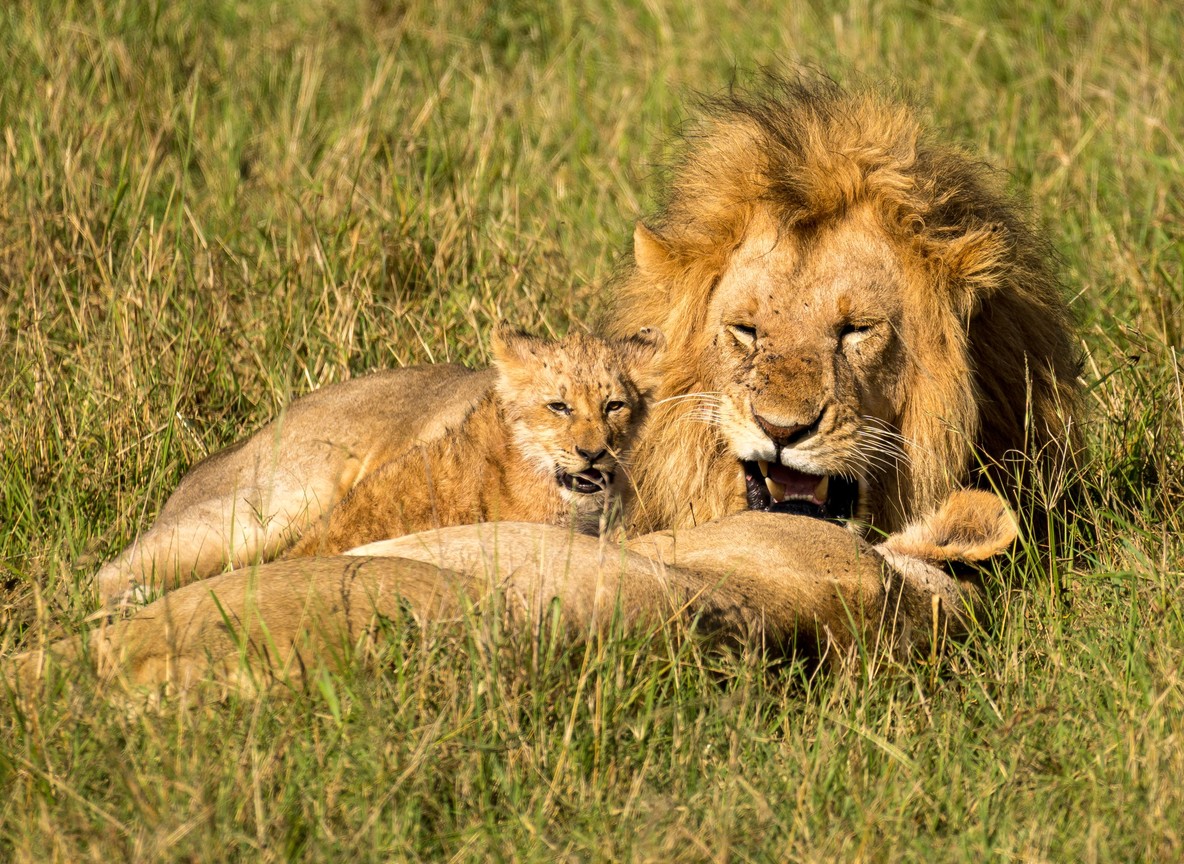
The Talek River corridor sits close to some of the busiest wildlife territory in the Masai Mara ecosystem. Lion prides move along the riverine forest fringe near camp. Leopard sightings in the tree cover along the Talek are consistent through the year. Hippo pods and resident crocodile hold in the deeper river pools below camp.
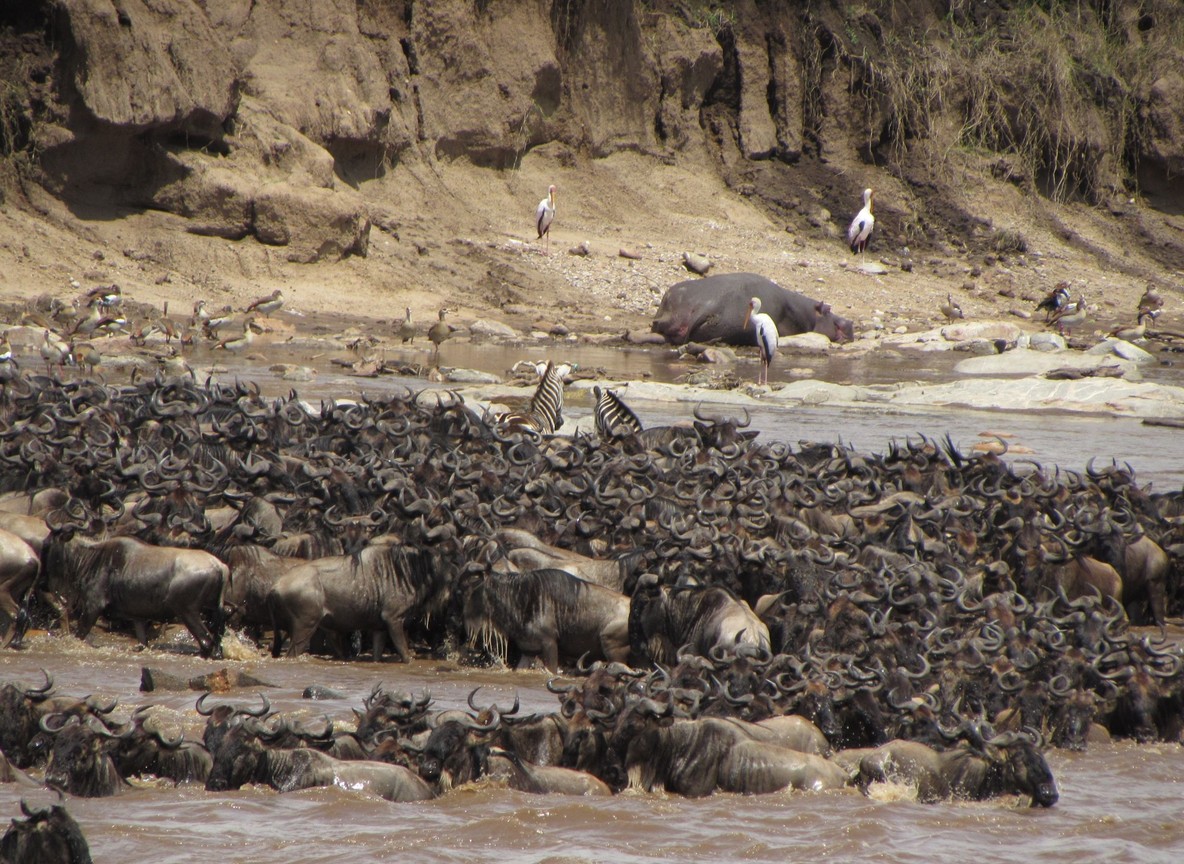
During the July to October migration, herds move through the wider Talek and Mara River corridor. Crossing points are reachable within a reasonable game drive from camp. Because Emboo’s vehicles run electric, guides can sit closer and longer at a crossing without engine noise pushing wildlife off. Our tours and safaris built around Emboo lean directly into that advantage. 🐘
When Is the Best Time to Visit Emboo Camp?
July to October: Peak wildebeest migration through the Talek and Mara River corridor. Book 6 to 9 months ahead, since High Season rates and demand both peak in this window.
January to March and June: Secret Season pricing, drier trails, and strong resident wildlife viewing without migration crowds.
April, May, and November: Green Season rates are lowest, rain is heavier, and birdlife along the Talek River is at its best.
The Trunktrails Advantage
Understanding the difference between a reserve-based camp like Emboo and a conservancy camp in Naboisho or Mara North is exactly the kind of detail that gets lost in generic safari listings. Trunktrails Safaris builds tours and safaris that match travelers to the right model for what they actually care about. That could be Emboo’s electric, zero-waste footprint on reserve land, or a conservancy stay with capped vehicle density and guaranteed Maasai landowner income. We confirm live rates, availability, and conservation fees directly with each property before you book, so there are no surprises on arrival. Our guides know the Talek River corridor and the surrounding conservancies well. They build itineraries around whichever model fits your priorities, not just whichever camp has the best marketing photos.
Ready to Experience Emboo Camp for Yourself?
Further reading
More safari planning resources
- Best time to visit Kenya month-by-month map from Valley Safaris
- Best time to visit Kenya on Touring Insights
- Masai Mara destination guide on FindMySafari
- Interactive Maasai Mara map from Valley Safaris
If a quiet, solar-powered camp on the Talek River with a genuine local-hiring conservation model sounds like your kind of Mara stay, Trunktrails Safaris can build the trip around it. Message us on WhatsApp at +254 113 208888 or email info@trunktrailssafaris.com and tell us your travel dates. We will confirm Emboo Camp’s live rates and availability, and layer in a conservancy stay if you want both sides of the Mara’s conservation model. We also handle every transfer from Wilson Airport to your tent on the Talek River. Reach out today and let Trunktrails Safaris turn this guide into your next itinerary. 📸