

Hidden Waterfalls on Kenya Walking Safaris
Some of the most memorable safari moments happen away from the vehicle. They happen on foot, where every sound feels closer, every scent feels sharper, and the landscape opens slowly. Hidden Waterfalls on Kenya Walking Safaris offer exactly that kind of experience. They bring together adventure, stillness, and the rare joy of finding something beautiful that many travelers never see.At Trunktrails Safaris, we believe tours and safaris should feel personal, immersive, and full of discovery. Walking safaris reveal a quieter side of Kenya. They invite you to notice tracks in the soil, birds in the canopy, the cool air near a stream, and the sudden magic of a waterfall tucked deep inside the landscape.Walking safaris tend to focus on the smaller elements—learning to track animals, appreciating the intricate flora and fauna, and discovering the small creatures that live beneath your feet. Instead of scanning the horizon for the Big Five, you’re tuned into the rustle of insects, the flutter of a sunbird, or the delicate pattern of a leopard’s paw print pressed into soft earth. Kenya is known for open plains and iconic wildlife, but it also holds pockets of forest, escarpment, and river-fed landscapes where waterfalls hide in plain sight. Some are reached through private conservancies, forest trails, or guided nature walks near highland lodges.These experiences work especially well in areas with:
Why Walking Safaris Feel Different
Game drives are exciting, but walking safaris create a different connection. You move at the pace of the land. You notice textures, sounds, and small details that are easy to miss from a vehicle. A hidden waterfall becomes more than a scenic stop. It becomes part of the journey.For travelers who want tours and safaris with depth, walking routes add a sense of intimacy and wonder. They are ideal for nature lovers, photographers, couples, and guests who want something beyond the classic safari circuit.What Sets Kenya Apart for Walking Safaris?
Kenya may be celebrated for its classic game drives, but for those ready to experience the landscape up close, the country reveals a different side—one defined by immersive walking safaris. What makes Kenya stand out among African destinations isn’t just the diversity of its ecosystems, but also the unique blend of adventure, accessibility, and conservation-conscious guiding that shape every step of the journey.- A Range of Landscapes: From the highland forests of Aberdare and the river valleys of Laikipia, to the rolling savannah of the Masai Mara, Kenya offers an extraordinary variety of terrains to explore on foot. Each region has its own rhythm and wildlife experiences, ensuring that no two walks feel the same.
- Expert Local Guides: Kenyan walking safaris are led by experienced guides with a deep knowledge of flora, fauna, and local culture. Whether identifying tracks in dusty earth or interpreting the warning calls of birds, these guides open up a world rarely noticed from a vehicle.
- Flexible Safari Styles: While Zambia may be credited as the birthplace of multi-day walking safaris, Kenya has tailored its own approach. Here, you can choose from short “bush walks” that weave through conservancies and finish back at a lodge, or more adventurous multi-day treks that have you sleeping in canvas tents beneath the stars.
- Wildlife Encounters on Your Terms: On foot, even the most familiar wildlife feels new—spotting newborn antelope in a glade, watching playful hyenas, or listening for the rustle of a big cat nearby. Every walk brings the landscape’s stories to life, rewarding both seasoned safari-goers and newcomers with spontaneous, memorable encounters.
- Room for Discovery: Because walking safaris are less common here than in Zambia or South Africa, Kenya’s trails feel uncrowded—sometimes offering the sense of discovering a waterfall, forest path, or escarpment for the first time.
Types of Walking Safaris in Kenya
Not all walking safaris are created equal—and in Kenya, you’ll find a few distinct flavors to choose from. The two most common experiences are short “bush walks” and immersive multi-day walking safaris.Short Bush Walks: These guided outings usually last a couple of hours and are perfect for travelers who want to break up their day with a dose of adventure. After exploring the local landscape on foot—perhaps spotting animal tracks or listening to bird calls—you’ll return to your lodge or camp for the comforts of a warm meal and a proper bed. Bush walks are a great introduction for those new to walking safaris, or anyone craving up-close moments with nature without straying too far from base.Multi-Day Walking Safaris: For those with a wilder spirit, multi-day journeys turn the landscape into your moving home. You’ll set off at sunrise, walk to a new location with your guides, and spend the night in classic canvas tents beneath the stars. Routes cover more ground and reveal sights you’d never see from a vehicle, weaving through remote valleys, lush forests, and little-visited corners of reserves like the Masai Mara or Samburu. Companies like Karisia Walking Safaris and even classic outfitters such as Cheli & Peacock specialize in these immersive treks, adding a few campfire stories and plenty of wilderness magic along the way.Choosing between a short bush walk and a multi-day safari comes down to the kind of adventure you’re after. Both will connect you to Kenya’s hidden side—step by step, stream by stream.How Walking Safaris Support Conservation and Sustainability
Walking safaris offer much more than a different angle on wildlife watching—they are a key ingredient in Kenya’s sustainable tourism movement.By exploring on foot, travelers naturally tread more lightly across the land, reducing noise and vehicle tracks that can disturb the natural balance. Many lodges and conservancies leading walking safaris are also at the forefront of eco-friendly practices, helping set high standards for nature-first tourism.Here’s how walking safaris contribute to conservation:- Minimized Environmental Impact: Fewer vehicles mean less erosion and disruption to wildlife habitats.
- Deep Connection with Nature: Connecting closely with the landscape encourages respect and long-term stewardship among guests.
- Support for Local Communities: Guided walks often employ expert local guides who share their traditional knowledge and benefit directly from tourism income.
- Wildlife Protection: Fees and participation in walking safaris support private conservancies and community-owned land, funding anti-poaching initiatives and habitat restoration.
The Magic of Fly Camping on Walking Safaris
Part of what makes a walking safari truly special is the chance to immerse yourself in the wild from dusk to dawn. That’s where fly camping comes in. Fly camping means spending the night under the stars, staying in simple but comfortable “tree tents” or lightweight shelters set up right in the bush. Unlike traditional safari lodges, fly camps move with you—set up in remote spots that blend seamlessly with nature. Often, evenings at these camps are paired with a fireside bush dinner. You’ll fall asleep to the sounds of nearby streams or distant hyenas, surrounded by the quiet mystery of the landscape you explored on foot. It’s an adventurous and deeply personal way to experience Kenya’s wild places, and a perfect complement to the intimacy of walking safaris.Rhino Tracking on Foot in Kenya
If you’re looking for an adventure that goes beyond the ordinary, rhino tracking on foot offers a rare and unforgettable experience. Unlike traditional game drives, rhino tracking brings you up close to some of Africa’s most remarkable—and endangered—wildlife, all while on foot and guided by local experts.This activity has its roots in Namibia, but Kenya has become a standout destination for rhino tracking as well. The Sera Conservancy in northern Kenya, not far from Samburu, is at the heart of this movement. Here, expert guides and rhino specialists lead small groups through remote, wild terrain in search of black rhinos, using their knowledge and understanding of both the animals and the land.Walking through these landscapes, every step is heightened by anticipation. You might follow fresh tracks in the soft earth, pause to listen for distant movement, or feel the thrill of spotting a rhino in its natural habitat. Tracking rhinos on foot is both humbling and exhilarating—it’s a conservation success story in motion, offering travelers a chance to truly connect with Kenya’s wild side in an ethical and meaningful way.Whether you’re a seasoned safari-goer or new to Africa’s wilderness, rhino tracking on foot invites you to slow down and appreciate the small details: the hush of the bush, the skill of your guides, and the privilege of crossing paths with one of the continent’s most iconic creatures.Where Hidden Waterfalls Add Magic to the Journey
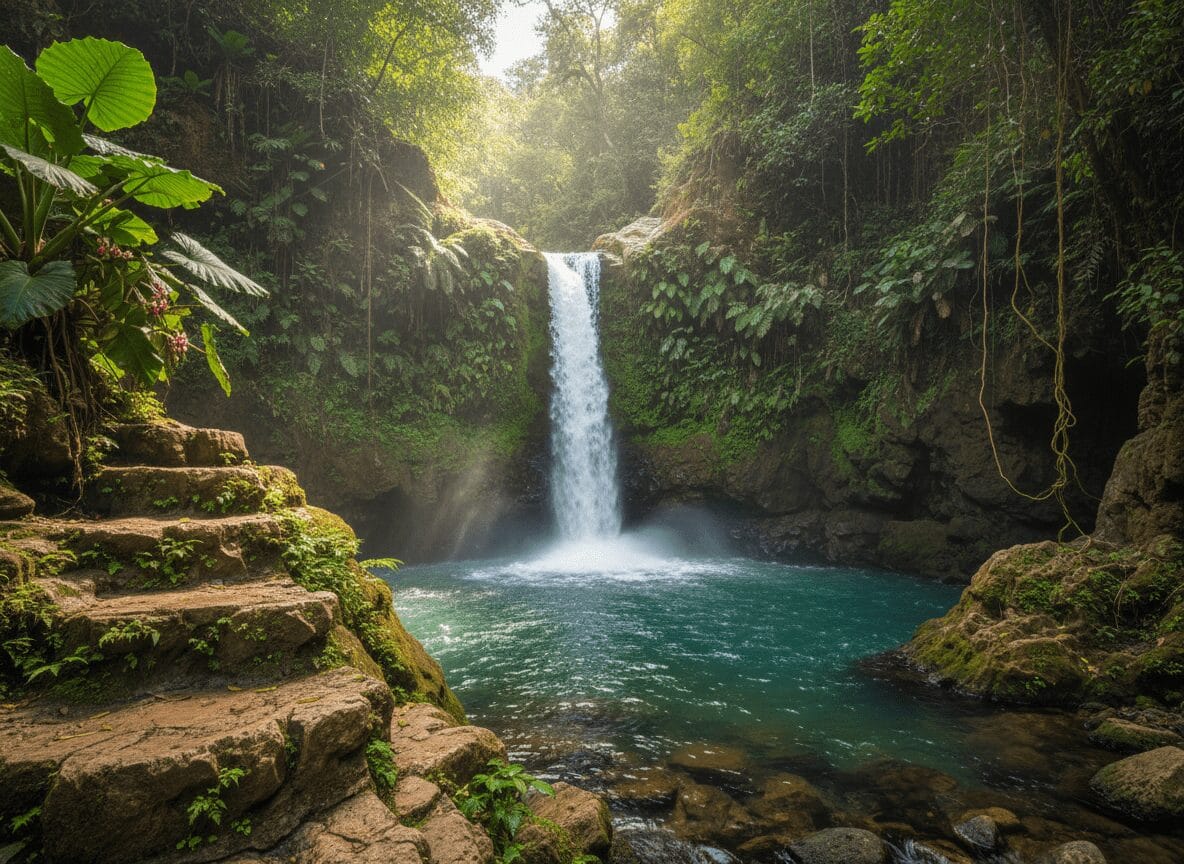 Kenya is known for open plains and iconic wildlife, but it also holds pockets of forest, escarpment, and river-fed landscapes where waterfalls hide in plain sight. Some are reached through private conservancies, forest trails, or guided nature walks near highland lodges.These experiences work especially well in areas with:
- Lush forest cover
- River valleys and rocky escarpments
- Birdlife-rich walking trails
- Cooler highland climates
- Guided routes with strong local knowledge
Top Camps and Lodges for Walking Safaris in Kenya
A walking safari thrives with the right setting and great guides—and in Kenya, several camps and lodges have mastered the art. If you’re looking to step away from the usual game drive and explore Kenya’s wild corners on foot, here are some superb options where waterfalls, wildlife, and adventure all intertwine.Karisia Walking Safaris Hidden away in northern Kenya, Karisia specializes in authentic multi-day walking adventures, sometimes with camels along for company. Their guides—like the legendary Kerry Glen and Gabriel—are masters at sharing the secrets of the bush, from rare animal tracks to medicinal plants. Walks here range from short ambles to longer journeys with fly-camping under the stars. Karisia is also one of the few outfits to offer family-friendly options, and the comfort level adjusts to suit everyone from thrill-seekers to relaxation experts.Saruni Rhino Located in the wilds of Sera Conservancy, Saruni Rhino offers one of Kenya’s rare rhino tracking experiences. Small and rustic, the lodge is big on impact—guides here lead you on foot to encounter endangered black rhino in their natural habitat. The tracking is thrilling, and the setting feels about as far from the usual safari crowds as you can get.El Karama Lodge Renowned for its dedication to conservation, El Karama Lodge makes walking accessible for all ages. You can combine a gentle bush walk with a bush dinner or sleep-out in a tree tent for a real back-to-nature experience. It’s the sort of place where a family can safely enjoy their first taste of walking in the wild, guided by passionate naturalists who know how to make it magical.Ol Malo Perched on the edge of the dramatic Laikipia escarpment, Ol Malo is the stuff of Kenyan legend—featured in books, famous for its pioneering spirit. Here, walking safaris are all about exploring untamed, remote country at your own pace, sometimes with the added thrill of a helicopter drop-off into landscapes you’d never otherwise reach.Shompole Wilderness For travelers eager to swap engines for footsteps, Shompole Wilderness in the Rift Valley delivers solitude and adventure. Nature lovers, birders, and photographers all find their groove here, thanks to extraordinary birdlife and the feeling of being tucked away in a truly wild corner of Kenya.Sosian Lodge If you like your safaris with a lively, adventurous twist, Sosian is a Laikipia favorite. This is where bush walks turn into overnight fly-camping escapades, complete with stories by the campfire and horse riding for the bold. It’s a great choice for those who want to add a playful sense of discovery to their days.Laikipia Wilderness Camp Led by Steve Carey, one of the region’s most respected guides, Laikipia Wilderness Camp is all about deep, immersive bush experiences. Walk along riverbanks, follow wild dogs or elephants, or simply soak up Steve’s infectious enthusiasm for the landscape. Safe, spontaneous, and always full of surprises.The Safari Series (Loldaiga Ranch) A newer player with an adventurous spirit, The Safari Series on Loldaiga Ranch offers tented walking safaris across a landscape rarely seen by visitors. Here, you’ll find a blend of classic walking, fly camping, and big vistas—ideal for those who crave variety.Leopard Hill (Mara Naboisho Conservancy) For travelers drawn to the Masai Mara, Leopard Hill offers the perfect balance: classic game viewing by vehicle paired with guided bush walks right from camp. Stroll along with expert guides, learn to recognize tracks and scents, then return to your room to stargaze through a motorized roof with the Mara’s night sky above.Each of these camps and lodges brings something unique to the walking safari experience—whether it’s the thrill of tracking rhino, the quiet beauty of a hidden waterfall, or the privilege of wandering through untamed landscapes that few travelers ever see.What the Experience Feels Like
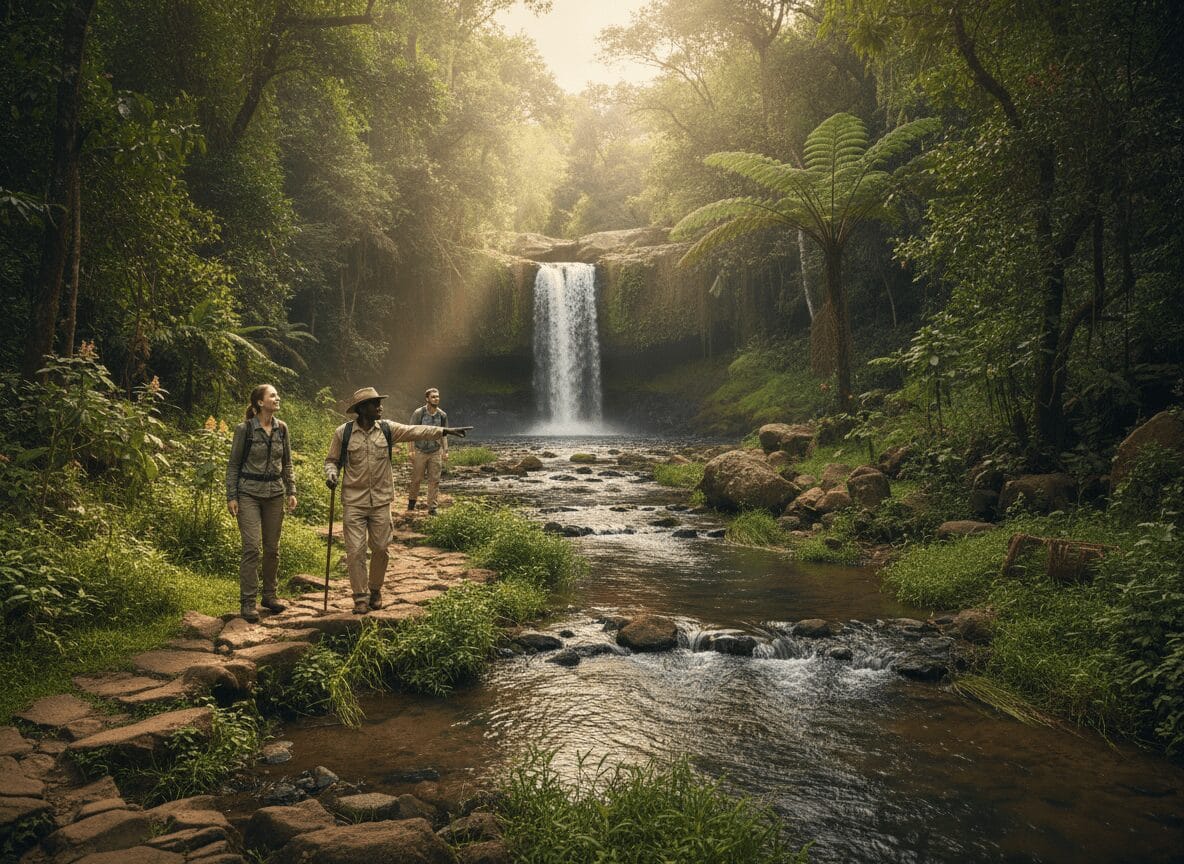
A walking safari to a hidden waterfall begins quietly. Boots press into damp earth. Leaves shift overhead. A guide points out animal tracks, medicinal plants, or the call of a nearby bird. Then the air changes. It cools. You hear water before you see it.That first glimpse is unforgettable. Water spills over rock, mist catches the light, and the whole place feels untouched. It is a softer kind of safari thrill, but no less powerful. It reminds you that tours and safaris in Kenya can be wild, peaceful, and deeply sensory all at once.Timing and Seasonality
Walking safaris are best enjoyed during the dry seasons—typically from July to October or January to February—when shorter grasses make it easier to spot wildlife and ensure a safer path. Warm, sunny days shape the rhythm of the walk: most journeys begin early in the morning or late in the afternoon, letting you avoid the midday heat and instead rest in the shade or by the cool rush of water.This careful timing means you experience the land at its most alive: dawn birdsong, the scent of warming earth, and that welcome drop in temperature as you near the falls. Every step is deliberate, tuned to the changing mood of the day, so that the journey feels as restorative as the destination itself.What Makes a Walking Safari Guide Special
Wondering who leads you along these hidden trails? Walking safari guides in Kenya are among the most highly trained in their field. Their qualifications go above and beyond the standard—think of them as the master trackers and storytellers of the savannah, woods, and riverbanks.To become a certified walking safari guide, they undertake advanced training that covers:- Deep knowledge of animal behavior and ecological systems
- Expertise in tracking wildlife, both large and small
- Identification of local plants and their uses, from medicine to folklore
- First aid and bush safety protocols
Notable Walking Safari Guides in Kenya
Behind every great walking safari is a guide who brings the experience to life. Kenya’s top walking guides are storytellers, naturalists, and guardians of the bush, creating a sense of connection and discovery many travelers recall for years.Some guiding teams make a name for themselves by focusing on walking safaris, blending adventure and deep local knowledge. In northern Kenya, a number of highly respected guides have built their reputations not only on their skills in tracking wildlife but also on their engaging personalities and ability to cater to different types of guests—from adventurous families to couples seeking privacy in nature.Laikipia, in particular, is home to guides who combine many years of experience with a real sense of fun. Some have backgrounds in climbing or mountain biking, adding variety for guests who want more than just walking. Others learned their craft in classic safari destinations such as Zimbabwe, renowned for guiding standards. These specialists don’t just lead you to wildlife; they invite you to study tracks, understand animal behavior, and notice subtleties in the landscape—a rare skill.Safety and spontaneity go hand in hand. Whether you’re quietly approaching an elephant by a river or learning stories about medicinal plants along a trail, these guides know how to read both wildlife and guests, creating an adventure that feels exhilarating and safe in equal measure.Ultimately, what sets Kenya’s walking safari guides apart is their passion for sharing the bush, their ability to personalize each walk, and the joy they bring to every journey—reminding you that every step is part of the story.Why This Experience Appeals to Modern Travelers
Many travelers today want more than a checklist. They want stories, texture, and moments that feel rare. Hidden Waterfalls on Kenya Walking Safaris answer that need beautifully. They combine movement, scenery, and mindfulness in a way that feels fresh and memorable.This kind of safari is ideal for:- Couples looking for romantic nature moments
- Families wanting light adventure and education
- Photographers seeking layered landscapes
- Repeat safari travelers wanting something different
- Nature lovers drawn to quiet, scenic experiences
The Trunktrails Safaris Advantage
Trunktrails Safaris creates tours and safaris that go beyond the obvious. We design each journey around your pace, interests, comfort level, and travel style. If you want to combine wildlife viewing with walking routes, scenic lodges, and hidden natural gems, we can build that for you.Why guests choose Trunktrails Safaris:- Tailor-made tours and safaris across Kenya and East Africa
- Native Kenyan expertise and local insight
- Flexible itineraries for budget, mid-range, and luxury travel
- 24/7 support from inquiry to post-trip follow-up
- Authentic experiences rooted in nature and connection
Practical Tips for Walking Safari Waterfall Experiences
When Is the Best Time for a Walking Safari in Kenya?
Timing your walking safari can make all the difference. The dry seasons—generally July to October and January to February—offer the best conditions for exploring on foot. Shorter grasses mean better wildlife visibility, and the weather is warm but less prone to sudden downpours, making trails easier and safer to navigate.Early mornings and late afternoons are prime times to walk, as you’ll avoid the heat of midday and catch the golden light that transforms the landscape. That said, Kenya is a land of contrasts, and each region has its quirks. In semi-arid areas like Samburu, walking remains rewarding year-round, thanks to minimal rainfall. If you’re drawn to birdlife or lush scenery, the green season—coinciding with the rains—transforms places like Shompole Wilderness into havens for birdwatchers and those who love nature in full bloom.For the best advice, connect with your safari specialists before planning. Local knowledge ensures your adventure aligns perfectly with both the weather and the unique wildlife experiences you’re after.To enjoy Hidden Waterfalls on Kenya Walking Safaris, preparation matters.- Wear comfortable walking shoes with grip
- Pack light layers for cooler forest areas
- Bring a reusable water bottle
- Carry a camera with weather protection
- Follow your guide closely on uneven terrain
What Does It Take to Be a Walking Safari Guide in Kenya?
Walking safari guides in Kenya are more than just nature enthusiasts—they are highly trained professionals. To lead guests safely on foot, guides must pass rigorous accreditation that goes well beyond the standard guiding qualifications. This means extensive training in wildlife behavior, tracking, first aid, and guest safety.The process includes:- Completing specialized courses and assessments unique to walking safaris
- Learning how to interpret animal tracks, calls, and subtle signs on the landscape
- Developing the ability to spot and share fascinating details—whether animal, plant, or geology—that would often go unnoticed from a vehicle