
Meet Your Maasai Guide: Authentic Kenya Tours & Cultural Safari
Last updated: May 5, 2026
A great safari is not only about where you go. It is also about who helps you see it. Meet Your Maasai Guide: Authentic Kenya Tours & Cultural Safari is about the people who bring the landscape to life through story, knowledge, and lived connection. When you travel with the right guide, the journey becomes deeper, warmer, and far more memorable.
At Trunktrails Safaris, we believe tours and safaris should feel personal and grounded in real local knowledge. A Maasai guide offers more than facts. He shares perspective. He helps you understand the land, the wildlife, the traditions, and the rhythm of daily life in a way that no brochure ever can.
Why a Maasai Guide Changes the Safari Experience
The Maasai are closely connected to the landscapes of southern Kenya. Their knowledge of wildlife, weather, grazing patterns, and the natural environment has been shaped over generations. That connection gives guests a richer safari experience.
On tours and safaris, a Maasai guide can help you notice details you might otherwise miss:
- Animal tracks and movement patterns
- Bird calls and warning signals in the bush
- Cultural meaning tied to land and livestock
- Traditional knowledge of plants and terrain
- A more human connection to the places you visit
This kind of guiding adds depth. It turns a game drive into a story and a landscape into something lived and understood.
Immersed in Africa’s Natural Wonders
Traveling with a Maasai guide isn’t just about the wildlife checklist—it’s about truly embracing the untamed spirit of Africa. From the golden savannas of Kenya to the dramatic escarpments of the Great Rift Valley, you’ll explore some of the world’s most breathtaking landscapes and natural wonders. These regions are rich with life: the thunder of wildebeest herds during the Great Migration, the stealth of big cats in the tall grass, and the colorful flash of birds in the acacia trees. Every moment on safari with a local guide reveals something new—majestic elephants, secretive leopards, or even the intricate lives of insects and amphibians.
A Maasai guide doesn’t just point out animals; they help you tune in to the subtle rhythms of the land. You’ll learn how every track, bird call, or change in the wind can signal hidden drama, and how the Maasai have lived in harmony with this complexity for centuries.
What Makes an Authentic Cultural Safari Feel Different
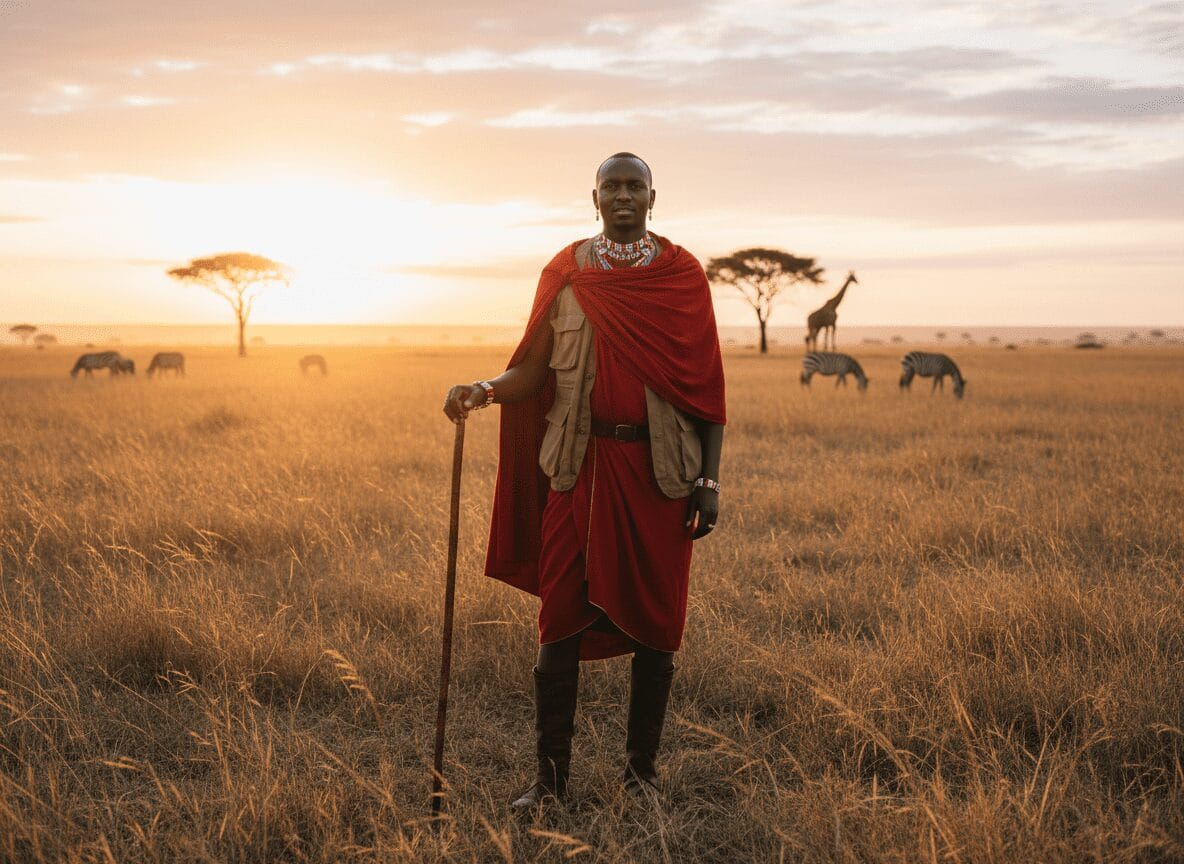
An authentic cultural safari is not a staged performance. It is respectful, thoughtful, and rooted in real exchange. It gives travelers the chance to learn, ask questions, and experience Kenya through local eyes.
Meet Your Maasai Guide: Authentic Kenya Tours & Cultural Safari is about that balance. Wildlife remains central, but culture adds context. You begin to understand how communities live alongside nature, how traditions continue, and how conservation and culture can support each other.
For travelers seeking tours and safaris with meaning, this combination is powerful. It creates memories that feel personal rather than generic.
Immersive Encounters With Kenya’s Living Heritage
On a cultural safari, you have the opportunity to engage directly with Kenya’s indigenous communities—most notably the Maasai, but also the neighboring Samburu and others whose connections to the land run deep. These encounters go beyond surface-level observation. You might visit a local village, listen to traditional music, or watch exquisite beadwork and crafts being made by hand. It’s a chance to witness vibrant ceremonies, dances, and festivals, each carrying centuries of meaning.
Learning Through Participation
Guides encourage you to ask questions and join in, whether it’s learning about herbal remedies, hearing ancient stories by the campfire, or understanding the significance of livestock and land. You see firsthand how daily life unfolds in harmony with the natural world, and how generations pass down ecological wisdom—like reading animal tracks, interpreting bird calls, or using native plants for sustenance and healing.
Supporting Communities and Conservation
A genuine cultural safari is also about respect and reciprocity. By participating in these experiences, you help support communities and strengthen efforts to preserve indigenous traditions. Many safaris are designed so that your visit directly benefits local families, education initiatives, and community-led conservation projects—ensuring that culture and wildlife can thrive together.
Why This Matters
For those who yearn for travel that feels meaningful, these experiences offer more than just sightseeing. They bring depth, connection, and a sense of belonging—turning a safari into a true story you’ll carry with you long after your return.
Where to Find Authentic Cultural Experiences in Kenya
Kenya is home to a remarkable variety of cultures and tribes, each deeply rooted in their own landscapes. If you’re seeking an immersive, meaningful connection to Kenya’s communities, here are some destinations where culture and tradition come alive:
- Masai Mara
Venture into the heart of Maasai country, where the iconic red-shawled warriors still live in harmony with the wild. Here, cultural visits are more than a peek behind the curtain—they’re an invitation to experience daily routines, participate in traditional dances around the fire, and understand Maasai customs from those who live them. Handmade beadwork and stories passed down through generations offer insight well beyond what you’ll find in a guidebook. - Samburu National Reserve
North of the equator, the Samburu people welcome curious travelers into their semi-nomadic world. Spend time with Samburu families and learn firsthand about their relationship with the rugged landscape, their elaborate adornments, and ancient practices that are still woven into daily life. The reserve is an excellent choice for a less-visited, intimate cultural safari. - Lake Turkana Region
Far from the crowds, the shores of “the Jade Sea” are home to Turkana, Rendille, and other pastoral communities. This region is as stark as it is beautiful, and cultural experiences here might include attending local ceremonies, witnessing traditional fishing methods, and listening to legends that echo across the desert wind. Visits here offer a rare glimpse into livelihoods shaped by both harsh environment and strong community bonds. - Elgon Region
Along the border of Uganda, diverse landscapes cradle the Pokot and Marakwet communities. Here, tradition means living off the land in the way ancestors did, adapting hunting, herding, and farming routines to the changing seasons. Conversations and shared meals in village homesteads reveal how these ways persist and evolve. - Loita Hills
Sometimes called the “Soul of the Maasai,” Loita Hills remains a stronghold for time-honored Maasai customs. Treks across rolling hills with local guides unfurl a landscape where every path and tree tells a story. Spend a day—or a night—learning about Maasai cosmology, rites of passage, and resilience in a world that is swiftly modernizing.
No matter where you go, authentic cultural and tribal experiences in Kenya arise from genuine exchange—listening, learning, and participating with openness and respect. Choose destinations where community engagement feels natural, not staged, and where you leave not just with memories, but with a deeper understanding of the people who call Kenya home.
Traditional Ceremonies and Celebrations in Kenya
One of the highlights of a cultural safari in Kenya is the chance to witness traditional ceremonies, dances, and festivals that are usually reserved for local communities. With a Maasai guide, you may be welcomed into rare events such as initiation ceremonies, vibrant weddings, or age-set celebrations where music, chanting, and colorful beadwork play a key role.
Depending on the season and the region, you might see the Maasai adumu—or “jumping dance”—performed during rites of passage, or experience the communal feasts and singing of the Samburu. Festivals like Lamu’s Maulidi, which honors the Prophet’s birth with processions and poetry, or the annual Turkana Festival, where different northern tribes gather to share music, dance, and tradition, provide a window into Kenya’s cultural diversity.
These moments aren’t just performances to observe. Sitting beside a roaring fire, sharing stories, or joining in a dance—even as an awkward newcomer—creates a sense of welcome that stays with you long after the safari ends. It’s a living expression of heritage, and it helps every traveler understand why the bond between community and landscape in Kenya is so strong.
Supporting Local Artisans Through Handcrafted Goods
When you browse handmade beadwork, wood carvings, or colorful textiles in a Maasai village, you’re doing more than picking up a keepsake. Purchasing local crafts directly benefits the artisans who create them and the wider community.
Here’s how:
- Empowering Local Livelihoods: Your purchase helps artisans—often women’s collectives or family groups—earn income from traditional skills passed down through generations.
- Preserving Tradition: Supporting these crafts encourages the continuation of time-honored techniques, designs, and stories, keeping cultural heritage alive.
- Strengthening Communities: Income from crafts can fund education, healthcare, and improve daily life for families. In many cases, co-ops reinvest earnings into community needs.
Taking home a locally made craft gives you a meaningful connection to your journey—and ensures your visit has a positive, lasting impact for those who make the region so vibrant.
Experiencing Samburu Culture in the Reserve
A visit to Samburu National Reserve isn’t just about spotting wildlife—it’s also a chance to meet the Samburu people and engage with their distinctive way of life. The Samburu, pastoralists related to the Maasai, have thrived in northern Kenya for generations, drawing on deep-rooted traditions shaped by the rhythms of the land.
Guests here have the opportunity to:
- Spend time in Samburu villages, where you can learn about traditional homesteads (manyattas), beadwork, and daily life
- Witness colorful ceremonies or dances that celebrate Samburu heritage
- Hear stories firsthand from elders about local customs, cattle herding, and the role of livestock in their society
- Discover the meaning behind Samburu dress, jewelry, and body adornment, each tied to age, status, or family lineage
These encounters aren’t performances—they’re genuine exchanges where curiosity is welcome and mutual respect is key. Immersing yourself in Samburu culture reveals another perspective on the intricate relationship between people, land, and wildlife in this striking corner of Kenya.
Exploring the Elgon Region: Landscape and Living Heritage
Tucked along Kenya’s western border near Uganda, the Elgon Region stands out for its breathtaking variety—rolling savannahs, woodland stretches, and deep, green forests all in one sweep of countryside. But it’s not just the scenery that makes Elgon memorable. This region is home to the Pokot and Marakwet peoples, communities with a remarkable ability to live in harmony with the land.
The Pokot and Marakwet have developed ways of life that reflect centuries of adapting to these shifting environments. Their traditions—rooted in herding, farming, and community ceremonies—continue today, offering a living connection to Kenya’s cultural history. Many travelers find that visiting Elgon isn’t just about seeing wild landscapes; it’s about meeting people whose knowledge of place runs deep, and who are eager to share the stories, skills, and wisdom passed down through generations.
Cultures Around Lake Turkana: An Untouched Frontier
Journeying to Lake Turkana takes you well off the beaten path—to one of Kenya’s most remote and captivating regions. This vast, shimmering lake lies at the heart of lands inhabited by some of East Africa’s most fascinating communities.
Around its shores, you’ll meet the Turkana people, traditional pastoralists known for their resilience, intricate jewelry, and striking basketry. You may also encounter the nomadic Rendille, whose camel herding lifestyle and age-old customs paint a vivid picture of desert survival. Both groups have preserved unique traditions, ceremonies, and ways of life that change little with the passing decades.
Exploring with a local guide opens these worlds: you gain respectful insight into daily routines, local crafts, and the cultural resilience that defines life near Lake Turkana—even as modern pressures swirl at the fringes. This is a chance to experience a side of Kenya where culture feels as raw and awe-inspiring as the landscape itself.
Wildlife, Storytelling, and Local Insight
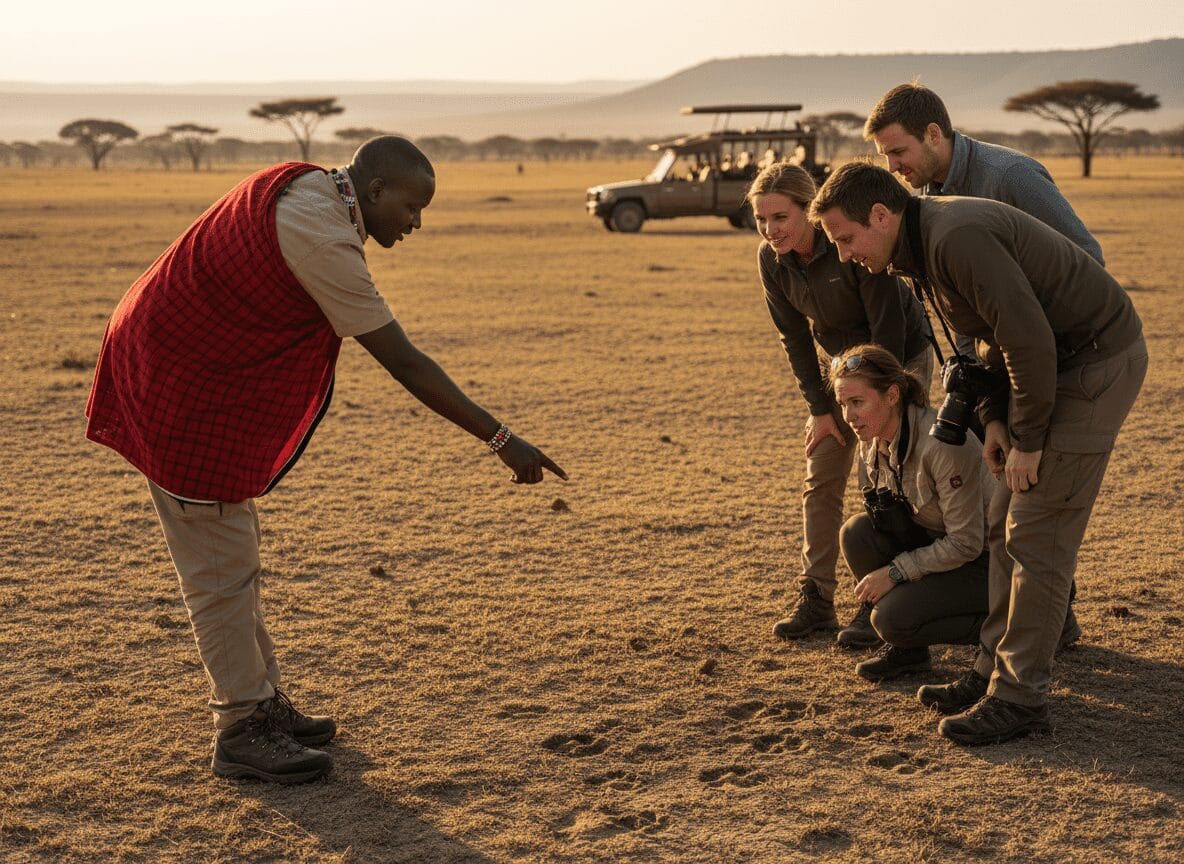
A guide does more than point out animals. A great guide interprets behavior, explains habitat, and shares the stories behind what you are seeing. With a Maasai guide, those stories often carry a strong sense of place.
You may hear about seasonal movement, local names for animals, or how certain species are understood within community life. These moments make tours and safaris feel layered and alive. They also help guests connect more emotionally to the safari experience.
From the wide plains of the Maasai Mara to the forested slopes of Mount Kenya, a safari with a Maasai guide is about more than seeing Africa—it’s about understanding it. The connection to land, wildlife, and culture transforms your journey into an experience that is as authentic as it is unforgettable.
At Trunktrails Safaris, we value guides who are warm, knowledgeable, and deeply respectful of both guests and the land. That is part of what makes our tours and safaris stand apart.
Why Modern Travelers Want More Than Wildlife Alone
Today’s safari travelers often want more than a checklist of sightings. They want authenticity, connection, and stories they can carry home. Cultural moments help create that. They bring texture to the journey and make it feel more complete.
This kind of safari is especially appealing for:
- Couples looking for meaningful travel
- Families wanting educational experiences
- Photographers seeking human and landscape stories
- First-time safari guests who want context
- Repeat travelers looking for deeper tours and safaris
No matter your motivation, there’s a cultural safari experience to match your sense of adventure. Whether you dream of camping alongside Maasai guides in the heart of the Mara, witnessing the legendary river crossings during migration season, or combining wildlife encounters with gorilla trekking in Uganda’s Bwindi Impenetrable Forest, you’ll find options tailored to your travel style.
Sample Itineraries for Every Interest and Budget:
- 7 days camping with the Maasai in the Masai Mara – for those craving immersion and real connection
- 4 days witnessing the Migration River Crossings – perfect for photographers and wildlife enthusiasts
- 6 days combining luxury safari in Kenya with gorilla encounters in Uganda – for travelers seeking something truly extraordinary
- 4 days all-inclusive Masai Mara adventure – ideal for families or first-timers
- 10 days exploring both the Serengeti and Masai Mara migrations – for those who want the ultimate East African wildlife spectacle
From affordable, all-inclusive journeys to luxury expeditions, these itineraries all share a commitment to authenticity, local expertise, and meaningful cultural experiences. Whatever you choose, you’ll return home with a story that’s wholly your own.
The Trunktrails Safaris Advantage
Trunktrails Safaris creates tailor-made tours and safaris that combine wildlife, culture, and comfort. We believe local expertise matters. It shapes better itineraries, stronger guest experiences, and more authentic moments on the ground.
Why guests choose Trunktrails Safaris:
- Native Kenyan expertise and real local knowledge
- Tailor-made tours and safaris for every budget
- Warm, personal service from inquiry to return home
- Respectful cultural experiences with real value
- Conservation-first travel with meaningful impact
We do not believe in cookie-cutter travel. We build tours and safaris that reflect the traveler and honor the destination.
Explore East Africa’s Most Iconic Destinations
Our safaris aren’t one-size-fits-all. Whether you dream of watching the Great Migration thunder across the Maasai Mara, tracking mountain gorillas in Uganda’s Bwindi Impenetrable Forest, or marveling at elephants against the backdrop of Kilimanjaro in Amboseli, we tailor your journey to your interests.
Some of our most requested destinations and experiences:
- Kenya: Maasai Mara, Amboseli, Tsavo, Lake Nakuru, Samburu, and Nairobi National Park for classic game viewing and big cat encounters.
- Tanzania: Serengeti, Ngorongoro Crater, Tarangire, and Lake Manyara—ideal for those chasing the migration or seeking remote wilderness.
- Uganda & Rwanda: Gorilla and chimpanzee trekking in Bwindi, Mgahinga, or Volcanoes National Park, plus unique cultural visits with Batwa or local communities.
- Zimbabwe & Zambia: Victoria Falls, Hwange National Park, Mana Pools, and the Zambezi—perfect for adventure seekers and those who want to combine wildlife with wonder.
From day trips around Nairobi or Mombasa to immersive multi-day expeditions across East and Southern Africa, we help you discover the region’s wild heart—and its welcoming communities.
Safaris for Every Traveler
- Couples and honeymooners seeking romance and privacy
- Families needing hands-on learning and fun for all ages
- Photographers after golden light and rare moments
- Solo travelers and small groups wanting connection and flexibility
- Repeat safari-goers hungry for deeper stories and hidden gems
Every itinerary is built with care, and your guide is not just a tracker, but a storyteller—sharing the meaning behind migrations, the local names for wildlife, and the traditions that make each stop unique.
No matter your travel style or wishlist, we help create a safari that’s as personal as it is unforgettable.
How Much Does a Safari Trip in Kenya Typically Cost?
Safari prices in Kenya can range widely, depending on your style of travel and the level of comfort you’re after. For a basic guided safari, you might expect starting rates around $700 per person per day. If you’re dreaming of a bit more comfort—think boutique lodges or tented camps—mid-range trips usually fall between $1,300 and $1,600 per day.
For those looking to experience iconic luxury (think National Geographic-style camps, private game drives, and champagne at sunset), prices can soar past $2,800 a day. These figures often include game drives, meals, accommodations, and sometimes even park fees, but it’s always good to confirm what’s covered in advance.
Ultimately, whether you’re planning your first safari or designing a once-in-a-lifetime adventure, there are options for every budget—and ways to make the experience truly your own.
What Is the Price Range for a Luxury Safari in Kenya?
One of the most common questions we hear is: how much should you budget for a luxury safari in Kenya? Prices can vary, but as a general guide, expect luxury experiences to start around $650 per person per night and go up to $2,500 or more, depending on where you stay and the level of exclusivity you’re after.
Several factors influence the price, including:
- Premium camps and lodges, such as those offered by &Beyond, Sanctuary Retreats, or Governors’ Camp Collection
- Private vehicle and guide options
- Signature experiences like hot air balloon rides or exclusive bush dinners
- The number of guests in your party and length of your itinerary
- Peak travel months (July–October, for the Great Migration, typically command higher rates)
While rates can feel steep, what you receive usually includes nearly everything—wildlife drives, meals, drinks, expert guiding, park fees, and often even transfers. For many, the immersive experience and exceptional service make it well worth the investment.
Types and Durations of East African Safari Packages
Planning a safari means choosing the right pace, focus, and destinations for your adventure. Whether you’re interested in classic game drives, immersive cultural experiences, gorilla trekking, or breathtaking landscapes, there’s a safari itinerary to match your travel style.
Here’s a snapshot of the kinds of safari tours and durations you can expect across East Africa and beyond:
Kenyan Safari Journeys
Kenya safaris range from quick getaway adventures to epic explorations covering the icons like Masai Mara, Amboseli, Tsavo, Lake Nakuru, and more.
- Short Escapes: Day trips to Nairobi National Park, Giraffe Centre, or David Sheldrick Wildlife Trust. Ideal for those with limited time in the capital.
- Classic Safaris: 2- to 4-day trips focusing on highlights such as Maasai Mara, Lake Nakuru, and Amboseli—perfect for first-timers or those balancing city and safari.
- Extended Expeditions: 7-10 day circuits visiting diverse ecosystems: see the Big Five across Tsavo West, Tsavo East, Taita Hills, Amboseli, Naivasha, and Mara—all in one itinerary.
- Coastal Safaris: Combine Mombasa with Tsavo, Amboseli, and the Taita Hills for wildlife plus Indian Ocean relaxation.
- Special Interest Tours: Bird-watching, conservation-focused safaris, and exclusive cultural immersions.
Tanzania: Legendary Landscapes
Neighboring Tanzania offers another world of wildlife wonders:
- Short Safaris: 3-day forays to hotspots like Tarangire, Lake Manyara, and Ngorongoro Crater.
- Grand Tours: 5- to 7-day packages include Serengeti—the land of the Great Migration—and UNESCO-listed Ngorongoro.
- Summit & Safari: Combine a Mount Kilimanjaro hike (ranging from a single-day experience to full trekking expeditions) with classic game viewing.
Uganda & Rwanda: Gorilla Treks and More
For those drawn to primates and jungles, Uganda and Rwanda introduce a whole different adventure:
- Gorilla Trekking Safaris: 3- to 6-day journeys to Bwindi, Volcanoes, or Mgahinga National Parks for legendary gorilla encounters.
- Extended Experiences: Itineraries of up to 8 days mix hiking (like climbing Mount Sabyinyo or the Rwenzoris), cultural visits to local communities (Batwa pygmies), and traditional game drives.
- Multi-country Treks: Seamless travel between Uganda and Rwanda for those wanting to experience both nations’ highlights.
Zimbabwe & Zambia: Southern Africa’s Hidden Jewels
Venture further to discover safaris that blend untamed wilderness with bucket-list scenery:
- Victoria Falls Adventure: 5-day tours pairing big game viewing with the world’s mightiest waterfall.
- Multi-park Expeditions: 9- to 11-day circuits, covering Hwange, Mana Pools, Chobe (Botswana), and Livingstone in Zambia for a best-of-southern-Africa experience.
With such a variety of safari types and durations available, your journey can be as brief or as deep as you wish. From action-packed weekends to two-week odysseys, each itinerary is crafted to showcase Africa’s diversity—its wildlife, landscapes, and cultures—ensuring no two safaris ever feel the same.
Popular Day Tours and Short Safaris from Nairobi and Mombasa
Kenya’s gateway cities make it easy to experience incredible wildlife and community highlights, even if you’re short on time. Both Nairobi and Mombasa offer a wealth of day trips and short safari options, perfect for travelers who want flexibility without missing out on the magic of the bush.
From Nairobi:
You don’t have to travel far from the city to immerse yourself in wild Kenya. Here are some favorites:
- Nairobi National Park Day Tour
Spot lions, rhinos, and giraffes against a city skyline just a short drive from downtown. - David Sheldrick Wildlife Trust
Meet orphaned elephants and hear stories of conservation success. - Giraffe Centre Visit
See endangered Rothschild’s giraffes up close—and even feed them. - Karen Blixen Museum Tour
Step back in time at the home of the “Out of Africa” author for a dash of colonial history. - Maasai Mara Mini-Safaris (2–4 days)
Dash into the Mara for thrilling game drives and Maasai cultural insights—ideal if you’re pressed for time but want the classic safari feel. - Lake Nakuru or Lake Naivasha Excursions
Day or overnight trips to bird-filled lakes, where you might spot flamingos, hippos, and rare rhinos.
From Mombasa:
Trade coastal breezes for the drama of the savannah with these popular options:
- Tsavo East or West Day Safaris
Set out early to explore Kenya’s largest parks, famous for huge herds of elephants and the striking red earth. - Amboseli Short Safaris (2–4 days)
Marvel at elephant families with Mount Kilimanjaro as your backdrop—one of the most classic sights in Africa. - Mombasa City and Old Town Tours
Blend culture and history on guided strolls through narrow streets, bustling markets, and ancient Swahili architecture. - Ngutuni and Taita Hills Sanctuary Visits
Combine wildlife watching with unique sanctuary stays, perfect for families or anyone wanting an off-the-beaten-track feel. - Voyager Ziwani Expeditions
For those with a little more time, head inland for a taste of private conservancy life with night drives and bush walks.
Whether you’re planning a flying visit or want to squeeze a little adventure between city stops, Nairobi and Mombasa offer easy ways to dive into Kenya’s natural and cultural wonders—no long journey required.
Practical Tips for a Cultural Safari Experience
To get the most from Meet Your Maasai Guide: Authentic Kenya Tours & Cultural Safari, come with curiosity and respect.
- Ask thoughtful questions
- Dress comfortably and modestly for community visits
- Listen as much as you photograph
- Follow local guidance during cultural interactions
- Choose operators who value authenticity over performance
The best cultural safari moments feel natural. They are built on trust, openness, and genuine exchange.
When Is the Best Time for a Kenya Safari?
The prime time for a safari adventure in Kenya is during the dry season, typically from July through October. These months offer incredible wildlife viewing, with animals gathering around water sources and the landscapes open for easy spotting. This is also when the legendary Great Migration unfolds in the Masai Mara—a spectacle of nature that draws visitors from all over the world.
While July to October stand out for drama and sheer numbers, Kenya’s parks and reserves offer remarkable experiences year-round. If you prefer fewer crowds and lush scenery, the short dry window in January and February can be equally rewarding. Ultimately, the “best” time depends on your interests—whether you’re chasing epic river crossings or quieter moments on the savannah, there’s a season to match your safari dreams.
Conclusion
Meet Your Maasai Guide: Authentic Kenya Tours & Cultural Safari is about more than meeting a guide. It is about meeting Kenya through someone who knows it deeply. That kind of connection changes the whole journey.
If you want tours and safaris that blend wildlife, culture, and real local insight, Trunktrails Safaris is ready to help you plan a journey that feels authentic from start to finish.
FAQ
What does a Maasai guide add to a safari?
A Maasai guide adds local knowledge, cultural context, wildlife insight, and a deeper connection to the land.
Are cultural safaris in Kenya authentic?
They can be, when designed respectfully and led by operators who value real exchange and community connection.
Can cultural experiences be combined with wildlife safaris?
Yes. Many Kenya tours and safaris combine game drives with meaningful cultural experiences.
Can Trunktrails Safaris customize a cultural safari?
Yes. Trunktrails Safaris creates tailor-made tours and safaris based on your interests, travel style, and budget.