
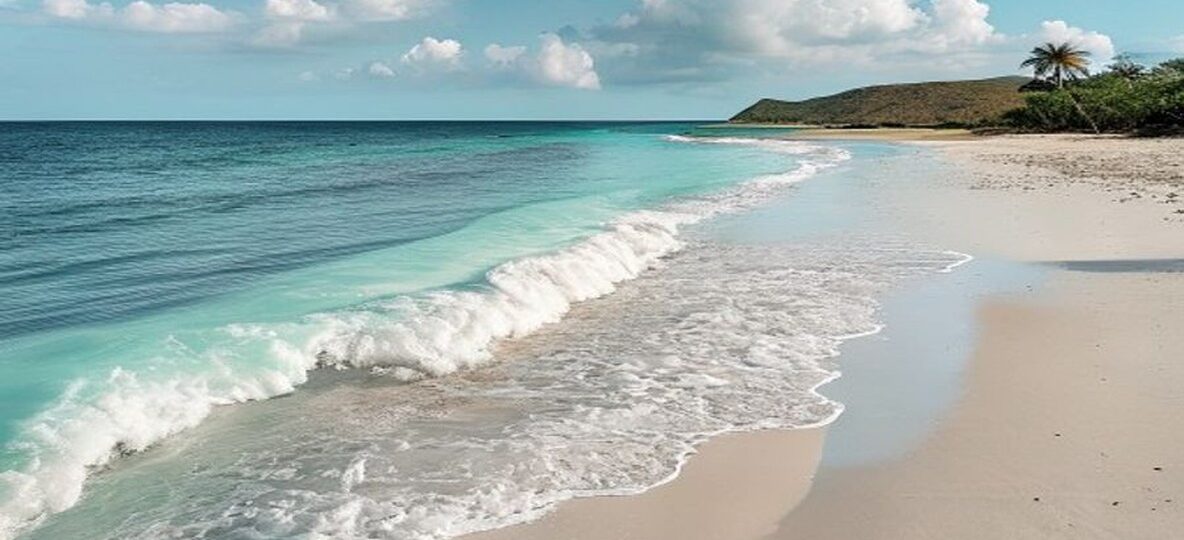
Diani Beach Kenya: What Fuel Costs Mean for Transfers, Dhow Trips and the Mombasa Coast Experience 🌅
The salt hits you the moment you step off the plane at Ukunda Airstrip. Fuel costs have shaped every step of how you got here, and they will shape every movement you make once you arrive. The Indian Ocean is there, somewhere past the casuarina trees, and every instinct tells you to stop thinking about logistics. That is exactly when logistics matter most.

Diani Beach Kenya is one of the most layered coastal destinations in East Africa. Getting there, moving around it, and extending it into a wider safari and beach experience all involve transport decisions that are quietly but consistently shaped by fuel prices. This guide is the one Trunktrails Safaris wishes every coast-bound traveller had read before they landed. We will walk you through the real costs, the practical choices, and the moments worth spending more on.
Getting to Diani: Flight vs SGR vs Road, and What Fuel Does to Each Option
The first choice is also the most consequential. There are three ways to reach Mombasa and then Diani Beach from Nairobi, and each one carries a different fuel cost story.
Flying direct to Ukunda is the fastest option. Safarilink and AirKenya operate scheduled flights from Wilson Airport, and the ticket price is essentially a bundle of Jet A-1 aviation fuel, crew, and airport fees. Both operators run tours and safaris extensions from Ukunda, and you can fly in and connect directly to a Diani beach stay without touching Mombasa town at all. When EPRA adjusts aviation fuel prices, which has happened four times in the past two years, airfare follows within weeks. A seat that cost Ksh 8,500 in 2024 now sits closer to Ksh 12,000-15,000 in 2026, depending on season and how far ahead you book. For honeymooners or retirees who value time over cost, the one-hour flight is still the right choice. You arrive fresh.
The SGR train from Nairobi to Mombasa has become the most talked-about option, and rightly so. The Madaraka Express runs on electricity, which means it is structurally insulated from diesel and petrol price swings in a way road transport simply is not. A standard class ticket costs Ksh 1,000 and first class runs around Ksh 3,000. The journey takes four and a half hours through Tsavo’s red landscape, which is something no flight can offer. The catch is the connection: Mombasa’s Miritini terminus is 40 kilometres from Diani. That final stretch requires a car, and that car runs on petrol.
Road from Nairobi to Diani is a ten-hour commitment under good conditions, and it means a vehicle burning petrol at current EPRA rates across the entire distance. Operators building overland packages have absorbed multiple fuel surcharges since 2022, and those costs are now standard line items in any honest quote. If you are booking a road transfer as part of a safari package, ask your operator for a fuel-inclusive price. At Trunktrails Safaris, we build it in rather than add it later.
The Likoni Ferry to Diani: A Fuel-Free Crossing With Hidden Costs
Most travellers arriving in Mombasa by train or by air land north of the Mombasa Island and need to cross to the south coast where Diani sits. The Likoni Ferry is the standard route. The crossing itself is free for foot passengers. It is an experience: the Indian Ocean churning beneath you, fishing dhows threading between the ferries, and the smell of fried mahamri drifting from the kiosks on the north bank.
The vehicle ferry, however, is not free. Shared taxis and hired cars queue and cross with their passengers, and the petrol burned in that queue adds up, especially during peak travel times when waits can stretch to forty-five minutes. Drivers absorb this into their fares. When you pay a car hire or shuttle from Mombasa to Diani, a portion of that Ksh 2,500-4,000 fare is Likoni queue fuel. This is not a complaint about the system; it is useful context for why quoted prices have risen.
The alternative is the bridge project. When Dongo Kundu Southern Bypass and the planned Mombasa Bridge link fully opens, the Likoni crossing becomes optional. Until then, plan thirty minutes minimum for the crossing as part of your Mombasa-to-Diani time budget.
Tuk-Tuks and Boda Bodas: How Fuel Prices Shape Local Movement on the Coast
Once you are in Diani, the town runs on tuk-tuks. These three-wheeled vehicles are the defining transport texture of the Kenya coast, and they are the mode most directly and visibly affected by petrol prices. A tuk-tuk from the Diani Beach road junction to your resort two kilometres south costs Ksh 100-200. That same trip cost Ksh 50-80 three years ago. The drivers are not being difficult. They are running on petrol that has increased in price by approximately 30% since 2022, and their margins are thin.
For travellers on longer coast stays, understanding this arithmetic leads to a useful strategy: negotiate a daily rate with a tuk-tuk driver rather than paying per trip. Many of the tours and safaris operators who include Diani in their packages now build a tuk-tuk daily allowance into the coast portion of the itinerary for exactly this reason. A full-day arrangement for Ksh 1,500-2,500 covers most movement in and around Diani without the accumulating per-trip cost. Drivers appreciate the guaranteed income; you appreciate the convenience and the relationship. By day two, your tuk-tuk driver knows what time you want coffee, which route avoids the construction, and which beach bar is worth the detour.
Boda bodas, the motorbike taxis, are faster and slightly more fuel-dependent per kilometre. They are best for short, direct runs where a tuk-tuk feels slow. They are less suitable for luggage, or for anyone who prefers a more stable ride.
Dhow Safaris and Boat Trips: The Full Cost Picture of a Day on the Water 🌍
A sunset dhow trip is one of the defining Diani Beach experiences. Traditional wooden sailing vessels, the smell of the ocean, snorkelling over the Kisite-Mpunguti Marine Park or Wasini Island, fresh seafood on a sandbank. This is what many couples are here for, and it is worth every shilling.
But dhow trips have a motorised element that matters. Most dhows carry outboard engines for when the wind drops, for returning against the tide, or for reaching the reef quickly before the morning snorkelling window closes. Those outboard engines run on petrol. When fuel prices increase, boat operators absorb those costs or pass them on. A full-day Wasini Island trip that was priced at Ksh 3,500 per person in 2023 is now Ksh 4,500-5,500 depending on the operator and the season.
The factors that determine quality on a dhow trip are not the price alone. Look for operators who are licensed by the Kenya Maritime Authority, who provide life jackets, who have a capsize/emergency protocol, and whose crew speaks enough English to explain the marine park rules. Trunktrails Safaris vets coast operators as part of our safari-plus-beach packages, so our clients board knowing the operator has been checked, not just chosen for price.
For honeymooners specifically: the private dhow charter is the version worth paying for. Shared group boats are cheaper but the experience on a private vessel with your own crew, your own pace, and your own meal on a sandbar is on a different level entirely.
| Trip type | Approximate cost (2026) | Fuel component | Best for |
|---|---|---|---|
| Shared dhow (Wasini day trip) | Ksh 4,500-5,500 per person | Outboard + cooking fuel | Budget-conscious travellers |
| Private dhow charter (half day) | Ksh 18,000-25,000 per couple | Outboard fuel included | Honeymooners, anniversaries |
| Motorised speedboat to reef | Ksh 2,500-3,500 per person | Fully petrol-dependent | Quick snorkelling trip |
| Sunset cruise (shared) | Ksh 2,000-3,000 per person | Outboard, minimal use | Sundowner experience |
The Mombasa-Diani Safari Add-On: Tsavo from the Coast ✨
This is where Trunktrails Safaris becomes relevant in a specific way. Most beach travellers arrive at Diani thinking their safari is behind them: they have done the Mara, or they are planning it separately. But Tsavo East National Park is 90 kilometres from Diani Beach by road. That distance, on current petrol prices, makes a two-day Tsavo add-on a realistic conversation for anyone with two nights still available.
The road from Diani through Kwale and up to Tsavo’s southern gate at Sala passes through some of the most underrated coastal-hinterland landscape in Kenya. It is not a luxury road; it is a game viewing road, and the vehicle that takes you is burning fuel the whole way. On a Trunktrails Safaris coast-plus-Tsavo package, we calculate the full fuel cost of that round trip into the package price. You will not see a petrol surcharge appear on your invoice the morning of departure.
The case for adding Tsavo from Diani is strong: the red elephants of Tsavo East are one of the defining wildlife experiences in Africa, and the park receives a fraction of Mara-level visitor numbers. For retirees who want the Big Five without the crowds, or couples who want a wildlife moment to pair with their beach story, Tsavo from Diani is underutilised and worth more attention.
Shimba Hills from Diani: The Coastal Forest Safari
Closer than Tsavo and often forgotten, Shimba Hills National Reserve sits 25 kilometres from Diani Beach. It is a short drive by coast standards, which means lower fuel costs than any park further inland. The reserve protects one of Kenya’s last coastal forests and is home to the endangered Sable antelope, one of only two national reserves in Kenya where they are found. The Kenya Wildlife Service manages access and entry fees, which remain among the most affordable in the country for a half-day game drive.
A half-day game drive in Shimba Hills, including the park entry fee and transport, runs Ksh 4,500-7,000 per person depending on your operator and vehicle type. The lower fuel cost of the short drive makes it an accessible add-on even for travellers on tighter coast budgets. The forest approach, the elephant herds, and the views down to the ocean on a clear morning make it a worthy morning investment.
The Trunktrails Advantage: Planning a Safari-Beach Combination That Works
The honest truth about combining a Kenya wildlife safari with a coast stay is that the planning either works beautifully or generates friction at every seam. The friction is almost always logistical: who handles the Tsavo transfer, whether the fly-in from Wilson to Ukunda is included in the safari package, and who absorbs any fuel surcharge changes between the time you book and the time you travel.
At Trunktrails Safaris, our approach to tours and safaris is to design the complete circuit from day one. We handle the safari in the Mara or Amboseli or Samburu, the internal flight to the coast, the Diani accommodation link, the optional Tsavo add-on, and the return logistics. Every fuel-variable cost is included in your quoted price. If EPRA adjusts petrol or aviation fuel between booking and travel, we absorb the variance on quotes locked within 90 days of travel. Beyond 90 days, we recalculate and inform you before asking for confirmation. There are no invoice-day surprises.
This matters most for honeymooners, who are managing the biggest trip of their lives on top of everything else a wedding demands, and for retirees, who are usually planning months in advance and need budget certainty. Both deserve an operator who has already done the maths.
Practical Planning Table: Coast Transport Costs in 2026
| Transport type | Route | Approximate cost | Fuel-price sensitivity |
|---|---|---|---|
| Scheduled flight | Wilson (NBO) to Ukunda | Ksh 12,000-15,000 one-way | High (Jet A-1 linked) |
| SGR train | Nairobi to Mombasa | Ksh 1,000-3,000 per seat | Low (electric) |
| Shared shuttle | Mombasa station to Diani | Ksh 500-800 per seat | Medium |
| Private transfer | Mombasa to Diani | Ksh 2,500-4,500 | Medium-high |
| Tuk-tuk (per trip) | Within Diani | Ksh 100-300 | Directly petrol-linked |
| Tuk-tuk (daily hire) | Within Diani | Ksh 1,500-2,500 | Directly petrol-linked |
| Boda boda | Short runs within Diani | Ksh 50-150 | Directly petrol-linked |
| Tsavo game drive vehicle | Diani to Tsavo East gate | Included in safari package | High (diesel vehicle) |
Your Next Step: Planning the Combination Right
Diani Beach Kenya is not a destination you add to a Kenyan safari as an afterthought. At its best, it is the second half of a story that begins in the highlands or the savannah and ends with toes in the Indian Ocean, a cold Tusker in hand, and a sunset that makes everything that came before it feel like the right decision.
The fuel costs are real. The transfers are real. The tuk-tuk fares have gone up. None of that changes the fundamental case for combining a Kenya wildlife safari with a coast stay, and none of it changes the value you get when you work with an operator who has mapped all of it in advance.
Further reading
More safari planning resources
- Map of Tsavo from Valley Safaris
- Tsavo complete guide on Touring Insights
- Diani Beach guide on FindMySafari
- Compare Kenya safari packages on FindMySafari
Talk to the Trunktrails Safaris team about what a safari-plus-Diani itinerary looks like for your travel dates. We are based in Nairobi with direct relationships on the coast. WhatsApp Micah at +254 113 208888 or write to info@trunktrailssafaris.com. Tell us what you are imagining and we will tell you what it actually costs and what it actually delivers.
The Indian Ocean is not going anywhere. But the planning window for peak season fills faster than the tide comes in.
Read more in the Fuel Costs series:
- Kenya Safari Cost: Why Fuel Prices Move What You Pay
- Fly-In Safari Kenya: What Fuel Prices Really Do to Charter Flight Costs
- Africa Safari Cost Comparison: Why Kenya Beats Botswana, Tanzania and Rwanda on Value
Trunktrails Safaris is a safari operator based in Nairobi, Kenya. We specialise in tailor-made wildlife safaris and safari-plus-beach combinations across Kenya’s national parks, conservancies and coast. Contact: +254 113 208888 | info@trunktrailssafaris.com | trunktrailssafaris.com