First Time Safari Kenya: How to Choose Your Park and Season
Planning a first time safari Kenya trip comes down to two decisions that shape everything else. Which park do you visit, and which month do you go? Get those two right, and the rest of the trip falls into place. Get them wrong, and you can drive for hours to reach thin wildlife under heavy rain.
This guide answers both questions with real numbers, not brochure gloss. You will find park sizes, actual gate fees in US dollars, drive times from Nairobi, and the seasons that suit each place. Trunktrails Safaris builds these tours and safaris every week, so the figures below come from itineraries we run. 🐘
One idea sits under all of it. A first safari works best when the park and the season match your travel dates, because Kenya rewards timing more than luck. 🦁
What to Expect on Your First Safari in Kenya
A safari is simply a guided search for wildlife, usually from an open-sided 4×4 vehicle. Your day splits into two game drives, one at dawn and one in late afternoon, when animals move and the light is soft. Between drives you rest at camp, eat well, and wait out the midday heat.
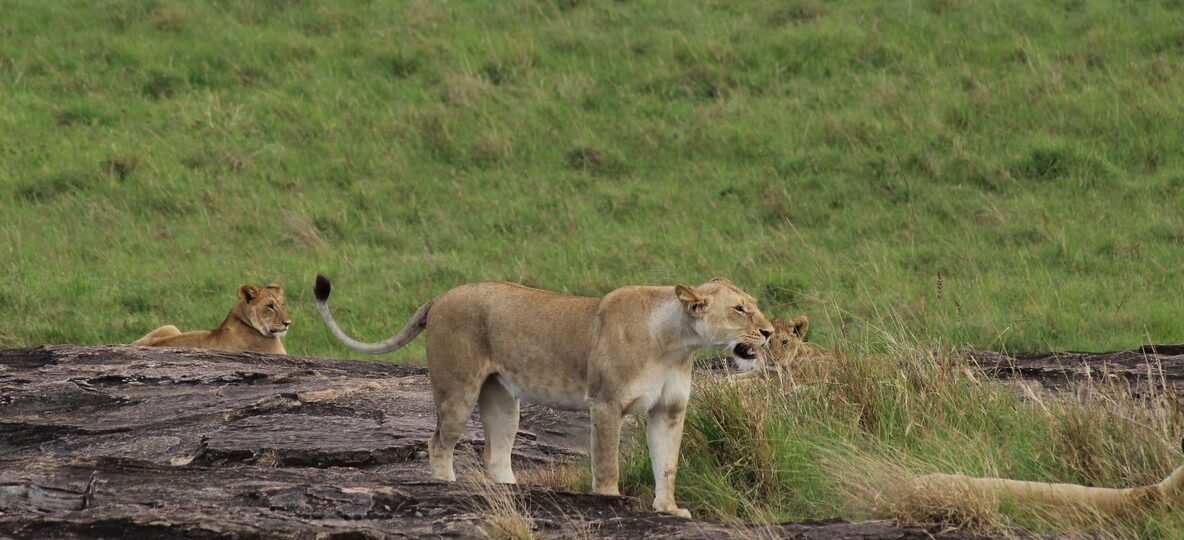
Most first-timers picture the Big Five, and Kenya delivers them. Lion, leopard, elephant, buffalo, and rhino all live within a short flight of Nairobi. Beyond that headline list, you meet giraffe, zebra, cheetah, and hundreds of bird species, so every drive brings something new.
The pace surprises people. Good tours and safaris are calm, not frantic, and patience pays off. You learn to read tracks, listen for alarm calls, and trust your guide’s eye for a tail flicking in the grass. 📸
How to Choose Your First Safari Park
Kenya has more than 50 parks and reserves, but a handful suit a first visit best. The right pick depends on the wildlife you want, your budget, and how far you are willing to drive. Here is the honest comparison we walk every new client through, with real 2026 figures.
| Park | Size | Non-resident day fee (indicative) | Drive from Nairobi | Best for a first safari |
|---|---|---|---|---|
| Masai Mara National Reserve | 1,510 km2 | USD 100 per adult | 270 km, 5-6 hr | Big cats, the Great Migration |
| Amboseli National Park | 392 km2 | USD 60 per adult | 240 km, 4-5 hr | Elephant herds, Kilimanjaro views |
| Lake Nakuru National Park | 188 km2 | USD 60 per adult | 160 km, 2.5-3 hr | Rhino, flamingos, short trips |
| Samburu National Reserve | 165 km2 | USD 70 per adult | 325 km, 5-6 hr | Rare northern species, fewer crowds |
| Tsavo East National Park | 13,747 km2 | USD 52 per adult | 330 km, 5-6 hr | Red elephants, wide open space |
For most first-timers, the Masai Mara is the safe headline choice because big cats are almost guaranteed and the open plains make sightings easy. Amboseli comes a close second, since its elephant herds pose against Mount Kilimanjaro for the classic Kenya photo. If your time is short, Lake Nakuru sits under three hours from the city and still offers rhino and flamingo in one compact park.
Best Time for a First Safari in Kenya
Season matters as much as the park. Kenya sits on the equator, so it never truly gets cold, but rainfall changes the game entirely. Dry months push animals toward rivers and waterholes, which makes them easy to find. Wet months scatter wildlife across green plains, and muddy tracks slow you down.
Here is how the Kenyan safari year breaks down.
| Season | Months | Conditions | Suits a first safari? |
|---|---|---|---|
| Long dry season | July to October | Peak wildlife, migration in the Mara, thin grass | Yes, the strongest window |
| Short dry season | January to February | Warm, clear, good game viewing, fewer crowds | Yes, excellent value |
| Long rains | March to May | Green, lush, low prices, some camps close | Only for budget or birding trips |
| Short rains | November to December | Brief afternoon showers, newborn animals | Yes, a good shoulder pick |
The single best window for a first time safari Kenya visit is July to October. This is when the Great Migration reaches the Masai Mara, and more than a million wildebeest cross the Mara River between roughly July and October. Grass is short, water is scarce, and predators follow the herds, so sightings peak.
That said, January and February deserve a look. Skies are clear, crowds thin out after the New Year rush, and prices soften compared with peak season. For many families, this quieter window feels calmer and easier on the budget. 🌍
Matching Park to Season: Simple Combinations
Parks and seasons are not independent. Some combinations shine, and others disappoint. These pairings work well for a first visit:
- Masai Mara in August or September for the river crossings and dense predator action
- Amboseli in January, February, or June to September for clear Kilimanjaro views and dust-free elephant herds
- Lake Nakuru any dry month for a quick two-day add-on before or after a longer trip
- Samburu in the dry season, since its northern location bakes hard and rivers concentrate wildlife
- Tsavo East in the short dry window, when the red-dust elephants gather at Aruba Dam
Avoid booking Amboseli or Tsavo during the peak of the long rains in April, when black-cotton soil turns to mud and some tracks close. Timing the pairing well is exactly where a first trip either soars or stumbles.
What a First Safari in Kenya Costs
Budgets vary widely, so treat these as clearly indicative ranges rather than fixed quotes. A mid-range Kenya safari, meaning comfortable tented camps with full board and a private guide, usually runs between USD 350 and USD 550 per person per day. Budget camping trips can drop to USD 200 per day, while luxury conservancy lodges climb past USD 900.
A typical first trip runs six to eight nights across two parks. For two people sharing, a well-built 6-night mid-range safari often lands between USD 4,200 and USD 7,000 total, before international airfare. Park fees, a 4×4 with a pop-up roof, a driver-guide, and all meals sit inside that figure.
Never judge a safari on the daily rate alone. A slightly higher rate that puts you in a private conservancy beside the Mara often means fewer vehicles at each sighting, which is worth real money on a once-in-a-lifetime trip. We price these choices side by side so you see the trade-off before you commit.
First-Timer Mistakes to Avoid
New travellers tend to make the same handful of errors, and each one is easy to sidestep. Cramming too many parks into one week tops the list. Long transfer days eat your wildlife time, so two or three parks in a week is plenty.
Underpacking layers is another common slip. Dawn game drives are cold in an open vehicle, even near the equator, so a warm fleece matters. Booking blind over the internet also catches people out, since a low headline price often hides shared vehicles, distant camps, or hidden park fees.
The last mistake is ignoring the season, which is the very thing this guide exists to fix. Match your dates to the right park, pack smart, and keep the pace gentle. Do that, and your first safari rarely disappoints. ✨
The Trunktrails Advantage
A first safari has more moving parts than any other holiday, and that is exactly where Trunktrails Safaris earns its keep. We are a Kenyan-owned operator based in Nairobi, so we know these parks, gates, and seasons the way we know our own home ground.
We match your park to your travel dates, not the other way around, because a great safari starts with honest timing. If you can only travel in April, we steer you toward the parks that still perform in the rains and warn you off the ones that flood. If you want the migration, we lock your Mara nights early, since the best conservancy camps sell out months ahead.
We also cost every choice plainly. Where a shorter, cheaper trip serves you better than an ambitious five-park dash, we say so. Where paying a little more for a private conservancy transforms your sightings, we show you the maths. Every one of our tours and safaris is built around your dates, your budget, and your wildlife wish list, so the plan you approve is the plan you live. That is the difference between a booked package and a safari made for you.
Further reading
More safari planning resources
- Best time to visit Kenya month-by-month map from Valley Safaris
- Best time to visit Kenya on Touring Insights
- Big Five safari collection on FindMySafari
- Kenya national parks map from Valley Safaris
Ready to Plan Your First Safari?
Tell us your travel dates, how many are in your party, and the animals you most want to see, and we will design a first time safari Kenya itinerary that matches the right park to the right season, then send you real routed options within 24 hours.
Contact Trunktrails Safaris:
- WhatsApp: +254 113 208888
- Email: info@trunktrailssafaris.com
- Website: trunktrailssafaris.com
- Kenyan-Owned | Nairobi-Based | First Safari Specialists 🌅