Elewana Sand River Mara Camp: Inside the Mara Triangle’s Most Iconic Permanent Safari Camp
There is a place in Kenya where the Sand River marks the boundary between two countries, and where one of Africa’s most storied safari camps has stood on the bank for decades, watching the wildebeest come and go. Elewana Sand River Mara Camp is not a newcomer chasing peak-season rates. It is a permanent fixture: a tented camp with a track record, sitting on one of the most wildlife-dense migration corridors on the planet.
At Trunktrails Safaris, we include Sand River in our Mara Triangle tours and safaris for one straightforward reason. The location is impossible to replicate. Guests who spend time here consistently describe it as the most immersive Mara experience they have had. This review covers everything you need to know before committing to a booking.
What Makes Elewana Sand River Mara Camp Different From Other Mara Camps?
Most Masai Mara safari camps cluster around the eastern side of the reserve near Sekenani Gate and the Talek River. Elewana Sand River sits inside the Mara Triangle: the western sector of the reserve, managed independently by the Mara Conservancy since 2001.
The Mara Triangle covers approximately 510 km² of the full 1,510 km² Masai Mara National Reserve. It receives significantly fewer vehicles than the main reserve, and the Mara Conservancy enforces strict rules: no off-road driving, no more than five vehicles per sighting. The result is a quieter, more disciplined game-drive experience where wildlife moves naturally rather than reacting to a ring of vehicles.
Being a permanent camp also matters. Elewana Sand River does not dismantle at the end of peak season. The infrastructure, the guiding team, and the camp culture have been refined over years rather than rebuilt each July.
Where Exactly Is Sand River Mara Camp Located?
The camp sits on the northern bank of the Sand River, right at the Kenya-Tanzania border. The Sand River flows east from the Tanzanian Serengeti into the Masai Mara, joining the Mara River downstream. During the Great Migration, wildebeest use the Sand River as one of their primary crossing points into Kenya. The camp is not near the migration. It is inside it.
Access facts:
- Nearest airstrip: Mara West Airstrip (inside the Mara Triangle), approximately 20 km from camp; transfer doubles as your first game drive
- Fly time from Nairobi: Approximately 45 minutes from Wilson Airport via scheduled light aircraft (Air Kenya, SafariLink) or charter
- By road from Nairobi: Approximately 280 km via the B3 through Narok, then west to Oloololo Gate; drive time 5.5 to 6.5 hours depending on road condition
- Road condition note: The C12 route after Narok can be rough in the April-May and November rains; a 4WD vehicle is required
Most guests on our Mara Triangle tours and safaris choose the fly-in route to save the full-day drive and arrive in the field that afternoon. See our Kenya fly-in safari guide for routing, operator options, and what to pack for a light aircraft.
What Wildlife Can You See From Elewana Sand River Mara Camp?
The Sand River corridor is one of the highest-density Big Five zones in the Masai Mara. Resident lion prides use the riverine forest on the camp perimeter as their base; you may hear them at night from your tent. Leopard sightings occur frequently along the river’s fig and acacia tree line, where the cats use the canopy as both larder and vantage point. 🐆
Elephant bulls move through the camp area regularly, particularly at dawn and dusk. Buffalo herds of several hundred animals are a near-daily sighting on the open plains south of the river. Cheetah favour the short-grass plains to the north. African wild dogs have been recorded in the Triangle sector with increasing frequency in recent seasons.
Birding is exceptional year-round. The riverine habitat draws malachite kingfishers, African fish eagles, goliath herons, and yellow-billed storks. The Masai Mara ecosystem records over 450 bird species; the Sand River’s combination of water source and varied habitat makes it a particularly productive stretch. 📸
Is the Wildebeest Migration Visible From Sand River Mara Camp?
Yes, and in a way few other camps can match. The Sand River is one of the two primary wildebeest crossing points in the Masai Mara ecosystem. During peak migration season (July to October), herds stage on the Tanzanian bank before crossing north into Kenya. Guests at the camp can watch the build-up from camp itself before driving out to witness the crossing.
The Mara River crossings attract more press, but many experienced wildlife travellers prefer the Sand River. The approach terrain is more open, the sightlines are wider, and predator density on both banks tends to be high. By staying at Elewana Sand River, you are inside the migration corridor rather than adjacent to it. This matters when a crossing can begin at any hour with almost no advance warning.
For full timing details and what to expect on the ground, our 5-day Masai Mara migration safari itinerary covers logistics from arrival to departure.
What Are the Accommodation Standards Like at Sand River Mara Camp?
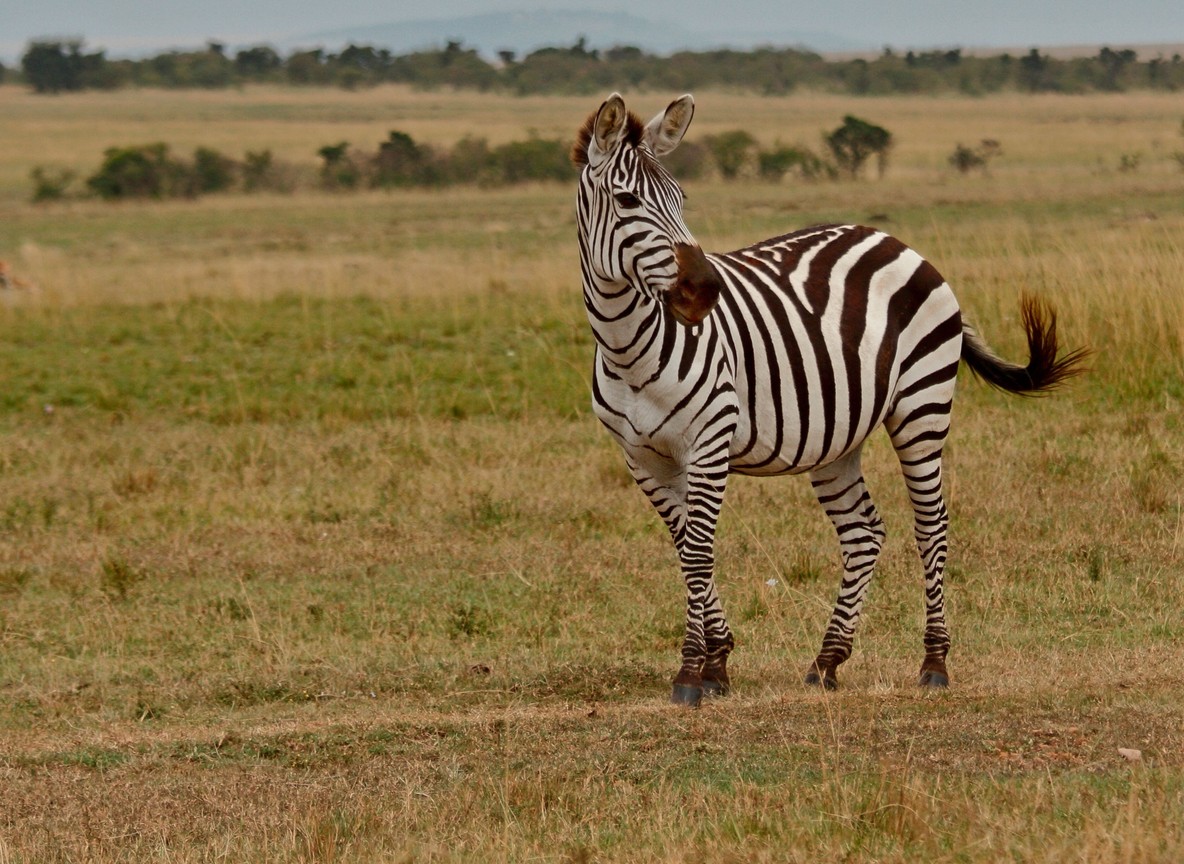
Elewana Sand River’s tents are built on solid hardwood floors with canvas walls and full en-suite bathrooms: hot showers, flush toilets, and indoor basins. The tents face the Sand River directly. The bed is positioned in the sightline to the water, which means you wake to the sound of the river and whatever came to drink during the night.
Meals are served in a central mess tent or, on dry-season evenings, outdoors on the riverbank under canvas. The kitchen changes its menu daily and sources provisions from Nairobi suppliers and local markets. Dinner beside the Sand River with hyenas calling in the distance is a Trunktrails Safaris guest experience that earns vivid descriptions in feedback forms.
All camp guides are senior naturalists with multi-year tenure. Elewana’s guiding culture emphasises stillness and tracking over vehicle-to-vehicle radio coordination. Guides explain behaviour, follow movement patterns, and stay with a sighting long enough for guests to understand what they are watching, not just photograph it.
When Is the Best Time to Visit Elewana Sand River Mara Camp?
| Season | Months | Highlights | Mara Triangle Entry Fee (Non-resident adult) |
|---|---|---|---|
| Migration Peak | July-October | Wildebeest crossing at Sand River, high predator activity | $200 per day |
| Green Season | November-March | Lower crowds, dramatic skies, lush vegetation | $100 per day (Jan-Jun rate) |
| Shoulder Rains | April-June | Quietest period, lowest camp rates | $100 per day |
Park entry fees charged per calendar day at 12-hour validity (approx. 06:00-18:00). Guests sleeping inside the reserve pay the next day’s fee in addition. Fees confirmed against Mara Conservancy’s published 2026 rate schedule.
The honest position is that Sand River delivers a strong experience in every month. Migration season is spectacular, but outside peak season, camp rates typically run 30-40% lower and the wildlife resident population is unchanged. For those prioritising intimacy and value, January to March offers close to peak wildlife action with far fewer vehicles. For crossing season, plan to arrive by the second week of July and stay at least three nights.
For a month-by-month breakdown of wildlife movement across the full sector, read our Mara Triangle safari guide. 🌍
How Does Elewana Sand River Compare to Other Mara Triangle Camps?
| Camp | Position | Style | Migration Proximity | Indicative Rate (per person/night, high season) |
|---|---|---|---|---|
| Elewana Sand River Mara Camp | Sand River bank, Kenya-Tanzania border | Permanent tented camp | Exceptional: Sand River crossing at camp | From $600 (indicative) |
| Mara Serena Safari Lodge | Central Mara Triangle | Full brick-and-mortar lodge | Good: Mara River day-drive access | From $350 (indicative) |
| Angama Mara | Oloololo Escarpment, above Rift Valley | Luxury glass-fronted suites | Panoramic aerial view of migration plains | From $1,200 (indicative) |
| Mara River Camp | Oloololo Escarpment | Boutique tented, 9 tents | Strong: overlooks Mara River directly | From $450 (indicative) |
| Emayian Luxury Camp | Oloololo Escarpment | Mid-luxury tented | Good: plains drive access | From $400 (indicative) |
All rates are indicative high-season per-person-sharing figures and exclude park fees and transfers. Actual rates depend on season, room type, and package inclusions. Contact Trunktrails Safaris for current pricing on your specific dates.
The key differentiator for Elewana Sand River is physical position on the Sand River itself, not overlooking it from distance or elevation. Guests who prioritise being inside the migration crossing zone, and who value the credibility of a long-established permanent camp over a newer build, consistently choose Sand River over the escarpment-based options.
For a broader comparison across the reserve, our guide to the best Masai Mara camps for the wildebeest migration ranks camps by migration access, privacy, and price tier.
What Is the Elewana Collection Known For in Kenya?
Elewana Collection operates a small portfolio of camps and lodges across East Africa, each selected for exceptional location rather than volume. Sand River Mara Camp is the flagship Kenya property and one of the oldest camps continuously operating in the Mara Triangle.
The guiding philosophy at Elewana properties centres on meaningful time in the field over checkbox sightings. Drives run longer and quieter. Guides are expected to explain animal behaviour, interpret tracks, and stay with a sighting long enough for guests to observe a full behavioural sequence rather than a photograph-and-move pattern.
This suits a specific kind of traveller: one who will sit for forty minutes watching a leopard carry a kill into a fig tree rather than race to the next GPS coordinate. If that describes your travel style, Sand River Mara Camp fits it well. ✨
The Trunktrails Advantage
Trunktrails Safaris is a native Kenyan-owned operator, and the Mara Triangle is home ground for our team. Our guides have decades of combined field experience in this sector, and our camp relationships mean we can often access better rates, preferred tent placement, and add-on experiences that are not publicly advertised.
When you book a Mara Triangle safari through Trunktrails Safaris, you receive:
- Direct operator access: No middlemen. You speak directly with our team, who have personally visited Sand River Mara Camp and know the guiding staff.
- Tailor-made itineraries: Three nights at Sand River only, or a multi-camp circuit combining Sand River with Angama Mara and Serena. We build it around your dates, group size, and priorities.
- Conservation contribution: 5% of every booking we handle goes directly to wildlife conservation projects operating in the ecosystems where we work.
- 24/7 on-the-ground support: If a flight delays, a crossing happens earlier than expected, or conditions change, our Nairobi team responds without waiting for business hours.
Our Mara Triangle tours and safaris range from three-night fly-in packages to ten-day combined circuits across multiple Kenyan ecosystems. Every itinerary starts with a conversation, not a brochure.
Ready to Book Your Elewana Sand River Mara Camp Safari with Trunktrails Safaris?
The Sand River flows whether you are on its bank or not. The wildebeest cross whether you have a seat at the crossing or not. The question is where you are when it happens.
At Trunktrails Safaris, we design every Mara Triangle safari around your travel dates, group size, and the experiences you most want to witness. No generic packages. Just a direct line to a Kenyan-owned team that knows the Mara Triangle from the inside.
Further reading
More safari planning resources
- Wildebeest migration route map from Valley Safaris
- Mara River crossing guide on Touring Insights
- Great Migration safari collection on FindMySafari
- Best time to visit Kenya month-by-month map from Valley Safaris
📞 WhatsApp: +254 113 208888 📧 Email: info@trunktrailssafaris.com 🌐 Website: https://trunktrailssafaris.com