Do Lions Live in Aberdare National Park? Kenya Wildlife Facts
Yes, lions live in Aberdare National Park. But if you go in expecting Masai Mara-style prides lounging on open plains, you will be disappointed. That disappointment is avoidable with the right information before you book.
Aberdare national park lions exist in genuine but low density. They are concentrated in specific zones and behave very differently from lions in Kenya’s open savannah reserves. This guide explains where they live inside the park, why sightings are rarer here, and what to expect if predator viewing matters to your trip.
Trunktrails Safaris runs central Kenya tours and safaris through Aberdare regularly and briefs every guest honestly on wildlife expectations before they book. This guide gives you the same facts our own guides use. 🦁
Do Lions Live in Aberdare National Park? The Short Answer
Lions are confirmed residents of Aberdare National Park, but they are not evenly distributed across the park’s 767 square kilometres. The Kenya Wildlife Service (KWS) manages Aberdare and records lion presence primarily on the high-altitude moorland plateau. Sightings in the lower forest zone, known as the Salient, are rare and unpredictable.
This is different from every major savannah park in Kenya. In Masai Mara or Amboseli, lions are a near-daily sighting on game drives because open grassland gives both predator and vehicle clear sightlines. Aberdare’s dense bamboo forest and montane vegetation work against that kind of visibility, even where lion density is healthy.
If your primary safari goal is guaranteed lion sightings, Aberdare should not be your only park. If you want to understand Kenya’s full range of predator habitats, including one most visitors never see, Aberdare adds something genuinely rare to an itinerary.
Why Aberdare Isn’t a Typical Lion Safari Park
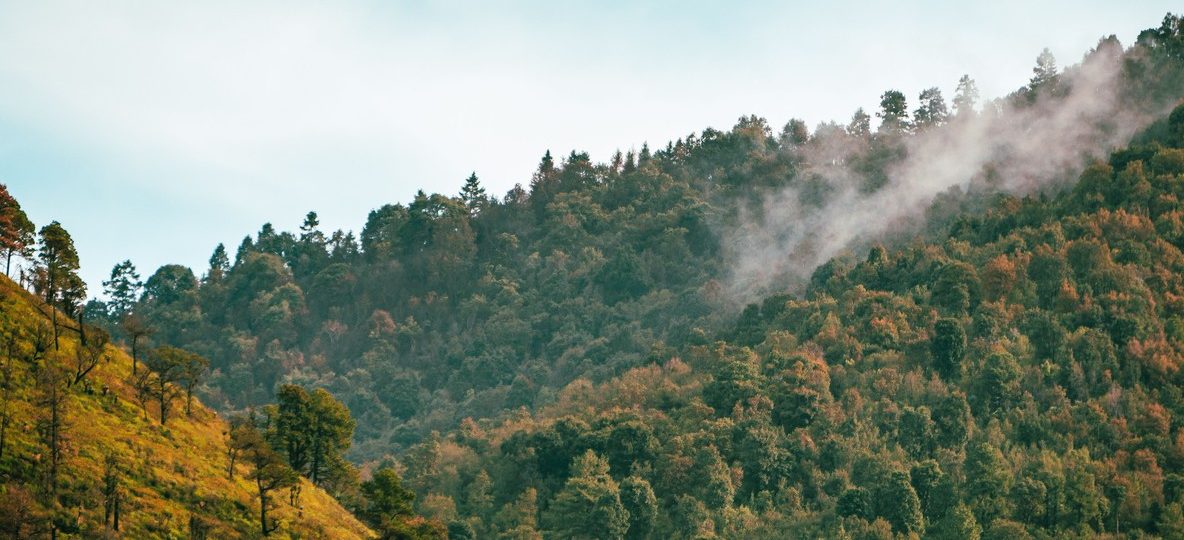
Aberdare National Park sits in the Aberdare Range of central Kenya, spanning altitudes from roughly 2,000 to 4,000 metres. This is highland terrain, not savannah, and it shapes every part of the wildlife experience.
What makes lion viewing different here:
- Dense bamboo forest and montane woodland cover most of the lower Salient zone, blocking sightlines that open plains provide elsewhere
- Cooler temperatures (often 10-18 degrees Celsius) and higher rainfall support forest vegetation instead of short grass
- Lion prey (buffalo, bushbuck, reedbuck) moves through thicker cover, and lions follow prey distribution
- The park is fully fenced, a Kenya Wildlife Service and Rhino Ark conservation project completed to reduce human-wildlife conflict with surrounding farmland, which keeps predator ranges contained within the park rather than spread across a wider ecosystem as in the Mara
The result is a park where lions exist at real but low density. They are harder to track visually and seen far less predictably than at Kenya’s flagship savannah reserves.
Where in Aberdare You’re Most Likely to See a Lion
Aberdare splits into two distinct wildlife zones, and knowing the difference matters if predator sightings are a priority.
The Salient (1,600-2,500 metres): This is the lower forest and bamboo belt where the famous tree hotels, The Ark and Treetops Lodge, are located. Elephant, buffalo, black rhino and leopard sightings are strong here, especially at floodlit waterholes. Lion is rare in the Salient; KWS confirms presence but sightings are occasional, not routine.
The moorland plateau (3,000-4,000 metres): Open heath, giant heather and alpine grassland replace forest at this altitude. Lion sightings are more common here than in the Salient. The terrain opens up in a way that resembles savannah, just cold and at extreme elevation. Serval, eland and reedbuck also concentrate on the moorland.
Practical takeaway: book a full-day game drive that includes the moorland circuit. An overnight tree hotel stay in the Salient alone will not give you the realistic best chance at a lion sighting in Aberdare.
Aberdare National Park Wildlife Facts: The Full Predator and Big Five Checklist
| Species | Where in the Park | Sighting Frequency |
|---|---|---|
| Lion | Moorland plateau (occasional Salient) | Rare, more likely on moorland |
| Leopard | Salient, near tree hotel waterholes | Fairly reliable, nocturnal |
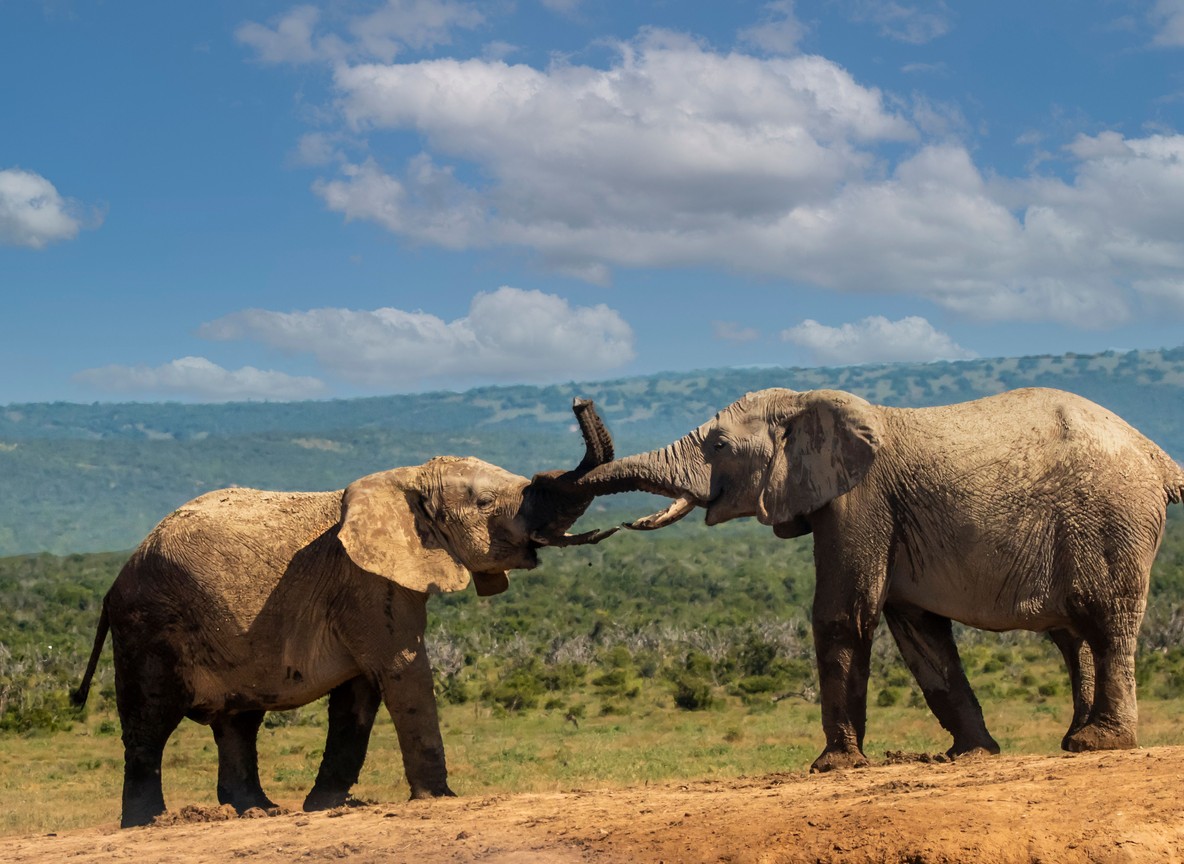
| African elephant | Salient waterholes, forest tracks | Frequent, herds of 20-50 |
| Cape buffalo | Salient bamboo belt | Frequent |
| Black rhino | Salient forest | Confirmed, less frequent |
| Spotted hyena | Salient, moorland edges | Regular |
| Serval | Moorland plateau | Occasional |
| Giant forest hog | Salient forest (endemic habitat) | Occasional |
| Bongo antelope | Deep forest (rare, forest specialist) | Very rare |
Aberdare holds all of the aberdare big five, elephant, buffalo, rhino, leopard and lion, inside a single fenced park, which is genuinely unusual. What differs from savannah parks is not presence but probability. A five-day Masai Mara safari will likely deliver multiple lion sightings. A two-night Aberdare stay may deliver zero, one, or a memorable single encounter on the moorland.
Aberdare vs Kenya’s Top Lion-Viewing Parks: A Real Comparison
For travellers weighing where to prioritise lion sightings on a Kenya itinerary, here is how Aberdare compares to the country’s strongest lion parks. The table below uses real distances and indicative costs.
| Park | Distance from Nairobi | Park Fee (non-resident, per day, indicative) | Lion Sighting Probability | Best Known For |
|---|---|---|---|---|
| Aberdare National Park | 2.5-3 hrs / approx. 160 km via Nyeri | $52 adult / $26 child | Low, moorland only | Tree hotels, forest Big Five |
| Masai Mara National Reserve | 5-6 hrs by road / approx. 270 km, or approx. 45 min charter flight | $80-100 per person | Very high, daily on most drives | Big cat density, wildebeest migration |
| Amboseli National Park | 4-5 hrs by road / approx. 240 km via Namanga | Approx. $90 per person | High | Elephant herds with Kilimanjaro backdrop |
| Ol Pejeta Conservancy | 3-4 hrs / approx. 200 km, often combined with Aberdare | Indicative conservancy rate, varies by season | High, plus guaranteed rhino sanctuary | Rhino sanctuary, chimpanzee sanctuary |
If lion sightings are the non-negotiable priority, Masai Mara or Amboseli deliver far higher odds. Kenya’s wildlife geography is more complex than “safari equals savannah equals lions,” and Aberdare is one of the most educational parks in the country. Pairing it with nearby Ol Pejeta Conservancy on a combined tours and safaris circuit solves the sighting-probability gap in a single trip. 🐘
Best Time and Way to Spot Aberdare’s Predators
Lion sightings on the moorland are most consistent during the drier months, January-February and June-August. Track access across the plateau is easiest then and visibility is clearest. The long rains (March-May) and short rains (November-December) can make moorland tracks difficult to reach.
How to maximise your odds:
- Book a full moorland game drive, not just a Salient tree hotel overnight
- Travel with a driver-guide who tracks recent KWS ranger sightings before choosing a route
- Combine Aberdare with Ol Pejeta Conservancy, roughly 3-4 hours away, for a near-guaranteed lion and rhino sighting to complement Aberdare’s forest specialists
- Set expectations correctly: come for the tree hotels, waterhole elephants and rare forest species, and treat any lion sighting as a bonus, not a guarantee
The Trunktrails Advantage
Trunktrails Safaris is a native Kenyan-owned tour operator based in Nairobi, licensed under TRA Licence No. TRA1/22/C01/92750. We build central Kenya circuits, including Aberdare, around accurate wildlife expectations rather than overselling sightings we cannot guarantee.
What we provide for an honest Aberdare wildlife trip:
- Transparent pre-trip briefing on realistic lion and predator sighting odds by zone
- Full-day moorland game drives built into the itinerary, not just tree hotel overnights
- Pre-booked accommodation at The Ark or Treetops Lodge with confirmed waterhole viewing
- Seamless combination with Ol Pejeta Conservancy for guaranteed rhino tracking and stronger lion odds
- 5% of every booking contributes to wildlife conservation partners in the areas we operate
When you book tours and safaris with Trunktrails Safaris, you get a team that tells you what you will actually see. We do not just say what sounds good in a brochure. That honesty is why repeat travellers trust us with multi-park Kenya circuits year after year. 📸
Aberdare National Park Practical Facts
Getting there from Nairobi: 2.5-3 hours by road via Nyeri or Naivasha, approximately 160 km.
Park size: 767 square kilometres, spanning 2,000-4,000 metres in altitude.
Park fees (2026, indicative): $52 per adult non-resident per day, $26 per child. Tree hotel fees are billed separately.
Notable landmarks: Karuru Falls and Gura Falls, among the tallest waterfalls in Africa; the Tana River, Kenya’s longest river, originates in the Aberdare Range.
Conservation note: The Aberdare Fence is a joint KWS and Rhino Ark project spanning the park boundary. It was built to reduce human-wildlife conflict with surrounding farming communities, and it keeps the ecosystem’s predator and herbivore populations contained within the park.
Ready to See Aberdare’s Wildlife for Yourself?
Aberdare will not give you the lion-a-minute drama of the Mara, and any operator who promises that is not being straight with you. What it gives instead is a highland ecosystem few visitors ever experience: forest elephants at a floodlit waterhole, black rhino in bamboo cover, and if the moorland cooperates, a lion sighting. That sighting means more precisely because it was not guaranteed.
Trunktrails Safaris designs Aberdare itineraries around honest expectations. That might mean a two-night tree hotel stay, a full moorland game drive, or a combined circuit with Ol Pejeta for stronger predator odds.
WhatsApp Micah to plan your Aberdare wildlife safari:
Further reading
More safari planning resources
- Masai Mara Big Five safari from SafariPure
- Kenya national parks map from Valley Safaris
- Big Five safari parks guide on Touring Insights
- Big Five safari collection on FindMySafari
📞 WhatsApp: +254 113 208888 📧 Email: info@trunktrailssafaris.com 🌐 Website: https://trunktrailssafaris.com
TRA Licensed Tour/Safari Operator, Licence No. TRA1/22/C01/92750