Central Island National Park: Crocodiles, Crater Lakes and Kenya’s Wildest Volcanic Park 🌋
Central Island National Park rises out of Lake Turkana like a string of black volcanic cones. It holds one of the strangest landscapes in Kenya. Three crater lakes sit inside this one small island. One of them shelters the largest breeding population of Nile crocodiles left on the planet. At Trunktrails Safaris, we build tours and safaris to this remote park for travellers who want something far beyond the standard safari circuit. This guide gives you real distances, boat routes, and named camps, so you can plan your trip with confidence.
Few visitors make it to Central Island. That scarcity is part of its appeal. Below, we cover what the park holds, what it costs, and exactly how to reach it.
Central Island National Park at a Glance: The Facts
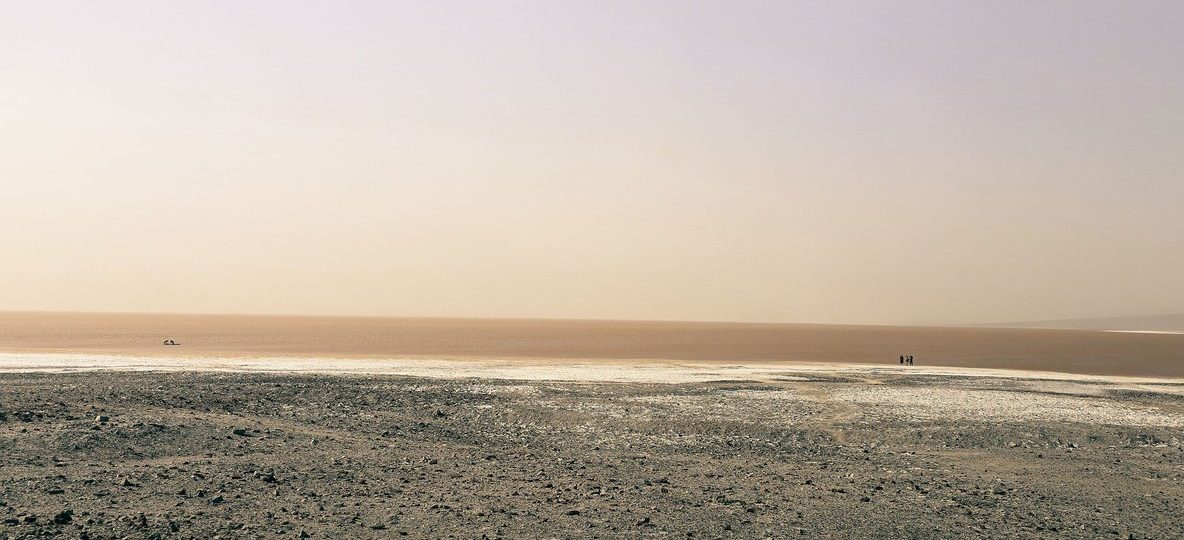
Central Island National Park covers about 5 square kilometres. That makes it one of the smallest national parks Kenya’s Wildlife Service manages. Yet its three crater lakes pack in more drama than parks twenty times its size. The island sits in the southern half of Lake Turkana, the world’s largest permanent desert lake. You will find it in Turkana County, in Kenya’s far northwest.
Most visitors reach the island by boat from Ferguson’s Gulf, near the town of Kalokol. This crossing runs roughly 10 to 12 km and takes about 45 minutes to an hour, depending on the wind. Kalokol sits about 60 km from Lodwar, the Turkana County capital, a drive of around 1.5 hours on tarmac. Lodwar itself lies roughly 750 km by road from Nairobi. You can also fly, since scheduled and charter flights reach Lodwar Airport in about 1.5 hours.
| Central Island fact | Detail |
|---|---|
| Park size | About 5 km2 |
| Location | Southern Lake Turkana, Turkana County |
| Boat departure point | Ferguson’s Gulf, near Kalokol |
| Boat crossing distance | Roughly 10 to 12 km, about 45 to 60 minutes |
| Kalokol to Lodwar | About 60 km, 1.5 hours by road |
| Lodwar to Nairobi | About 750 km by road, or 1.5 hours by air |
| Nearest airport | Lodwar Airport |
| Non-resident park fee (indicative) | Around 20 to 25 USD per adult, per day |
Always confirm current Kenya Wildlife Service rates before you travel, since fees change from time to time. The figures above are indicative ranges for planning, not fixed quotes.
Crocodile Lake: Africa’s Largest Nile Crocodile Nursery
The star attraction inside Central Island National Park is Crocodile Lake. This steep-sided crater holds one of the densest groups of Nile crocodiles anywhere in Africa. Thousands of crocodiles use its shoreline as a nesting ground each year. The volcanic ash around the lake makes for easy digging, so nests are everywhere.
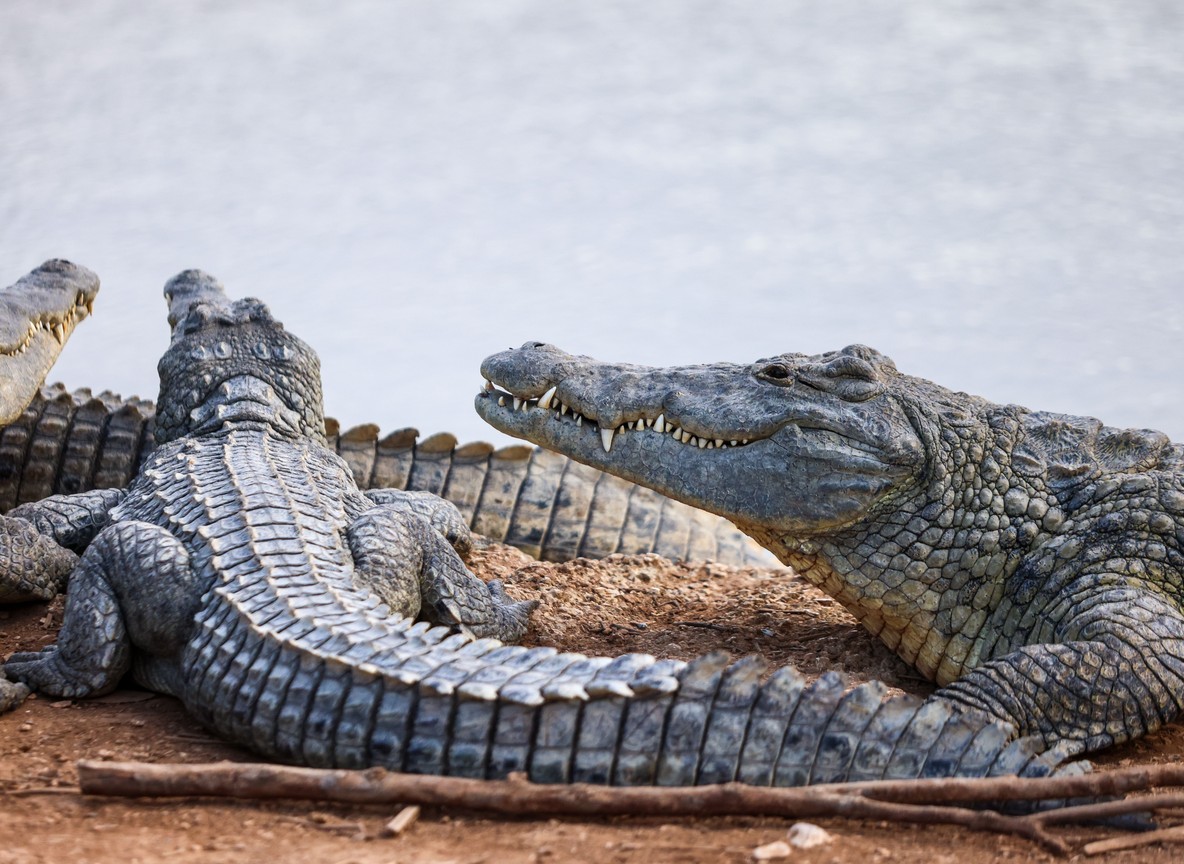
The crater walls trap the heat, so the water stays warm all year. That suits both the crocodiles and the fish they feed on. Rangers count nesting activity closely, because this single lake matters for crocodile numbers across the whole Lake Turkana basin. Watching hundreds of crocodiles share one small crater is unlike anything in Kenya’s savannah parks. It is the main reason wildlife enthusiasts add Central Island to a Kenya itinerary. Trunktrails Safaris runs tours and safaris here for exactly this reason, pairing the crocodile crater with the wider Lake Turkana story.
Flamingo Lake and Tilapia Lake: Central Island’s Other Crater Lakes
Crocodile Lake is the headline, but Central Island National Park holds two more craters worth exploring on foot. Flamingo Lake draws flocks of lesser flamingo and other wading birds, especially when algae blooms turn its shallow water pink and green. Tilapia Lake is the smallest of the three. It holds fish stocks that support fish eagles, herons, and cormorants along its edge.
| Crater lake | Known for | Best activity |
|---|---|---|
| Crocodile Lake | Largest Nile crocodile nesting site in Africa | Guided shoreline viewing with a KWS ranger |
| Flamingo Lake | Seasonal flamingo flocks, algae blooms | Birdwatching, photography |
| Tilapia Lake | Fish stocks, fish eagles | Quiet walking, birding |
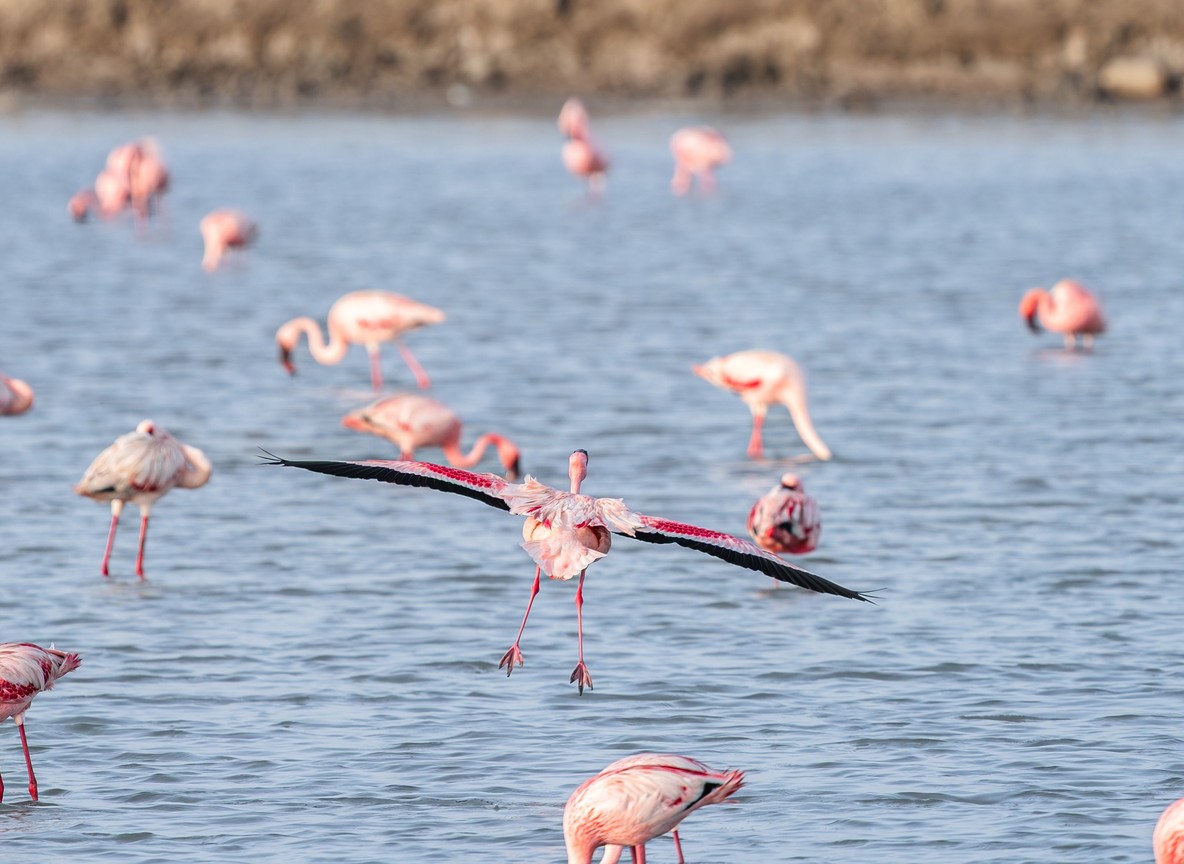
Walking between the three craters takes about two hours at an easy pace, across dark volcanic ground. A KWS ranger walks with you the whole way. One lake is thick with crocodiles. One is tinted pink with flamingos. One is quiet and full of fish eagles. That contrast is what makes this small island feel so much bigger than its size.
Lake Turkana National Parks: A UNESCO World Heritage Site
Central Island National Park is one of three protected areas that form the Lake Turkana National Parks UNESCO World Heritage Site. The other two are Sibiloi National Park, on the northeastern shore, and South Island National Park, further south. UNESCO listed the group in 1997. The reason is simple: the parks matter for the study of plate tectonics, volcanism, and the fossil record of human evolution found nearby at Sibiloi.
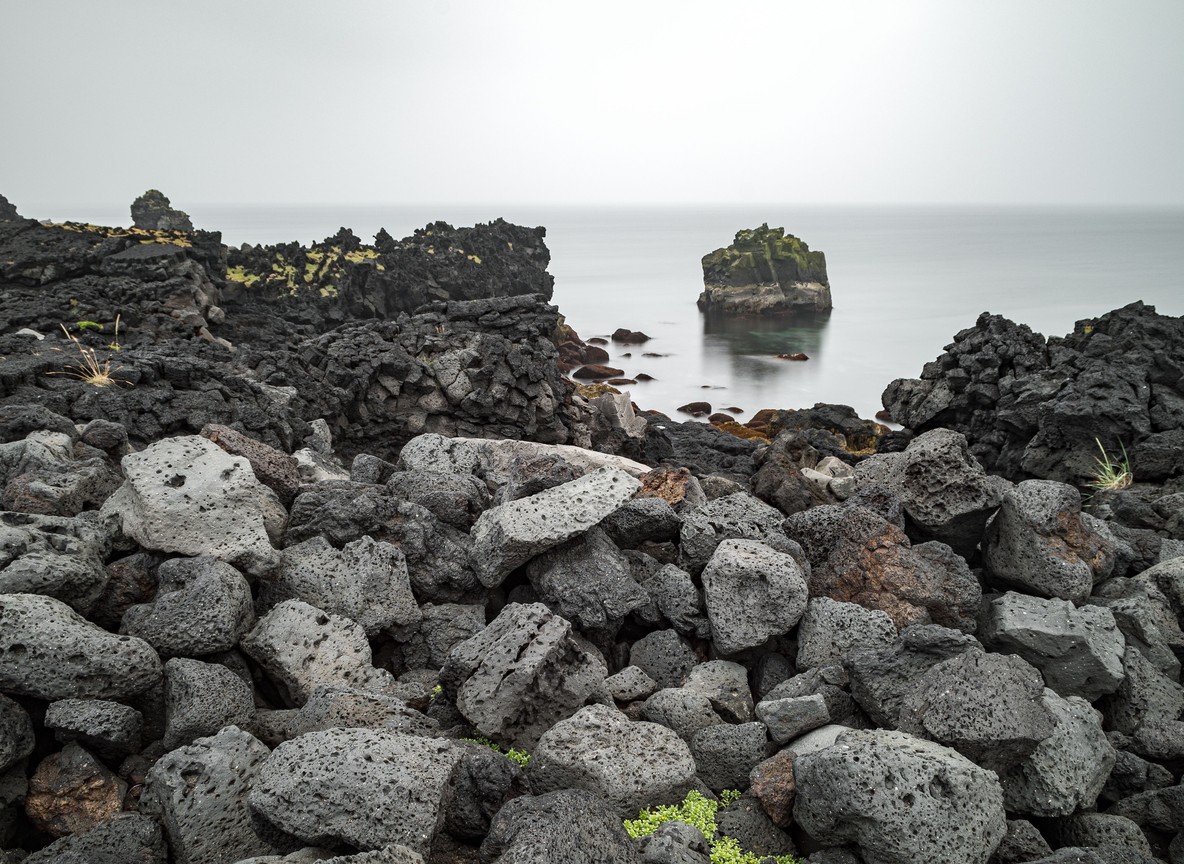
Lake Turkana is the world’s largest permanent desert lake, and its largest alkaline lake too. Algae in the water give it a shifting jade-green colour. Central Island’s volcanic cones formed from past eruptions inside the lake basin, and the ground here is still active. You can spot the occasional steam vent near the craters. For a traveller who wants to see more of Kenya than its wildlife parks, this UNESCO listing adds real scientific weight to the visit.
How to Reach Central Island National Park
Reaching Central Island National Park takes some planning, since it sits far from Kenya’s main safari circuits. Most travellers fly from Nairobi’s Wilson Airport to Lodwar Airport. From there, you drive around 60 km northwest to Kalokol, on the shore of Ferguson’s Gulf. A KWS-registered boat operator then makes the crossing to the island, weather and wind permitting.
The Ferguson’s Gulf boat trip runs calmer in the early morning, before afternoon winds pick up across the open lake. Because the crossing depends on the weather, we always build a flexible day into any itinerary that includes Central Island. That way, a windy morning never costs you the visit entirely. Self-driving the full route from Nairobi is possible, but it is demanding, with long stretches of rough road north of Kitale. Most visitors instead combine a flight to Lodwar with a private road transfer.
Best Time to Visit Central Island National Park
The best time to visit Central Island National Park falls in the cooler, drier months. Travel on the open lake is more predictable then, and the heat on shore is easier to manage.
| Period | Season | What to expect |
|---|---|---|
| January to March | Hot and dry | Calm morning crossings, strong midday heat |
| April to May | Long rains | Access roads can be difficult, fewer visitors |
| June to September | Cooler, drier | Most reliable boat crossings, best overall window |
| October | Warming up | Good access, quieter than peak months |
| November to December | Short rains | Green surroundings, occasional road delays |
Whatever month you choose, plan your boat crossing for the morning. Keep a spare day in your schedule near Kalokol too, since wind on Lake Turkana can shift quickly.
Where to Stay Near Central Island National Park
Places to stay near Central Island National Park are limited by design, since this is one of Kenya’s most remote regions. Eliye Springs Resort sits on the western shore, not far from Kalokol. It is the closest established lodge and the most practical base for the boat crossing. Some travellers instead head to the eastern side of Lake Turkana and stay near Loiyangalani. That is a longer drive from Central Island, but it sits closer to Sibiloi National Park.
| Lodge or base | Location | Style | Good to know |
|---|---|---|---|
| Eliye Springs Resort | Western shore, near Kalokol | Lakeside bandas | Closest base for the Central Island crossing |
| Oasis Lodge Loiyangalani | Eastern shore | Simple lodge | Better placed for Sibiloi, longer transfer to Central Island |
| Lodwar town hotels | Lodwar | Basic guesthouses | Practical overnight stop before or after the crossing |
Facilities in this region are simple compared with Kenya’s main safari lodges, and that is part of the experience. Trunktrails Safaris arranges the transfers, boat booking, and ranger fees in advance. That way, you are not left negotiating logistics on the ground.
The Trunktrails Advantage
At Trunktrails Safaris, Central Island National Park is a specialist trip, not an add-on. As a Kenyan-owned operator, we plan around the real conditions of this route: the flight schedule to Lodwar, the road to Kalokol, and the wind patterns that decide whether the Ferguson’s Gulf boat trip runs on time. We book KWS rangers and licensed boat operators before you arrive. We also build a flexible buffer day into every itinerary, so a windy morning never costs you the crossing entirely.
Our team has mapped the practical details that catch self-planners out, from Lodwar’s limited fuel stops to the safest boat operators on the gulf. When you book tours and safaris with Central Island on the itinerary, you get a partner who has done the crossing before. We know the rangers by name, and we answer the phone before you even leave Nairobi. That local knowledge turns a tricky trip into a smooth one. ✨
Plan Your Central Island National Park Safari
Central Island National Park offers something almost no other Kenyan park can. Picture a crater full of crocodiles, a pink flamingo lake, and a UNESCO-listed volcanic landscape rising out of the world’s largest desert lake. Choose June to September for the calmest crossings, and build in a spare day for the wind. Either way, this trip rewards travellers who plan with a team that knows the route.
Further reading
More safari planning resources
- Kenya national parks map from SafariPure
- Kenya national parks map from Valley Safaris
- Best time to visit Kenya on Touring Insights
- Compare Kenya safari packages on FindMySafari
Let Trunktrails Safaris build that journey for you. Message us on WhatsApp at +254 113 208888, email info@trunktrailssafaris.com, or visit trunktrailssafaris.com to start planning. Tell us your dates. We will handle the flights, the crossing, and the rangers, so all you have to do is watch the crocodiles. 📸