Camel Trek Safari in Samburu, Kenya: The Wild North on Foot and Hoof
Most safaris keep you inside a vehicle. A camel trek safari in Samburu, Kenya does the opposite. You step down into the landscape, walk the dry riverbeds, and let a string of camels carry the camp behind you. This is northern Kenya at ground level, where the air smells of dust and acacia and the only engine noise is your own breathing. 🌍
Trunktrails Safaris runs walking and camel-supported tours and safaris across this region, and this guide covers the real details you need. We will look at where you walk, what it costs, when to go, and which camps make it happen. No fluff, just the planning facts. 🐘
What a Camel Trek Safari Actually Is
The idea is simple. Instead of driving between fixed lodges, you walk a route through the bush with a team of Samburu and local guides. Camels do the heavy lifting. They carry tents, water, food, and gear, while you walk light with a day pack. Each night the crew sets up a mobile fly camp, often beside the Ewaso Ng’iro River or in the shadow of a mountain like Ololokwe.
You are not riding the camels for hours on end, though short rides are usually offered for tired legs or river crossings. The camels are pack animals and a moving pantry. This style of travel is quiet, slow, and low impact, which is exactly why the wildlife behaves naturally around you.
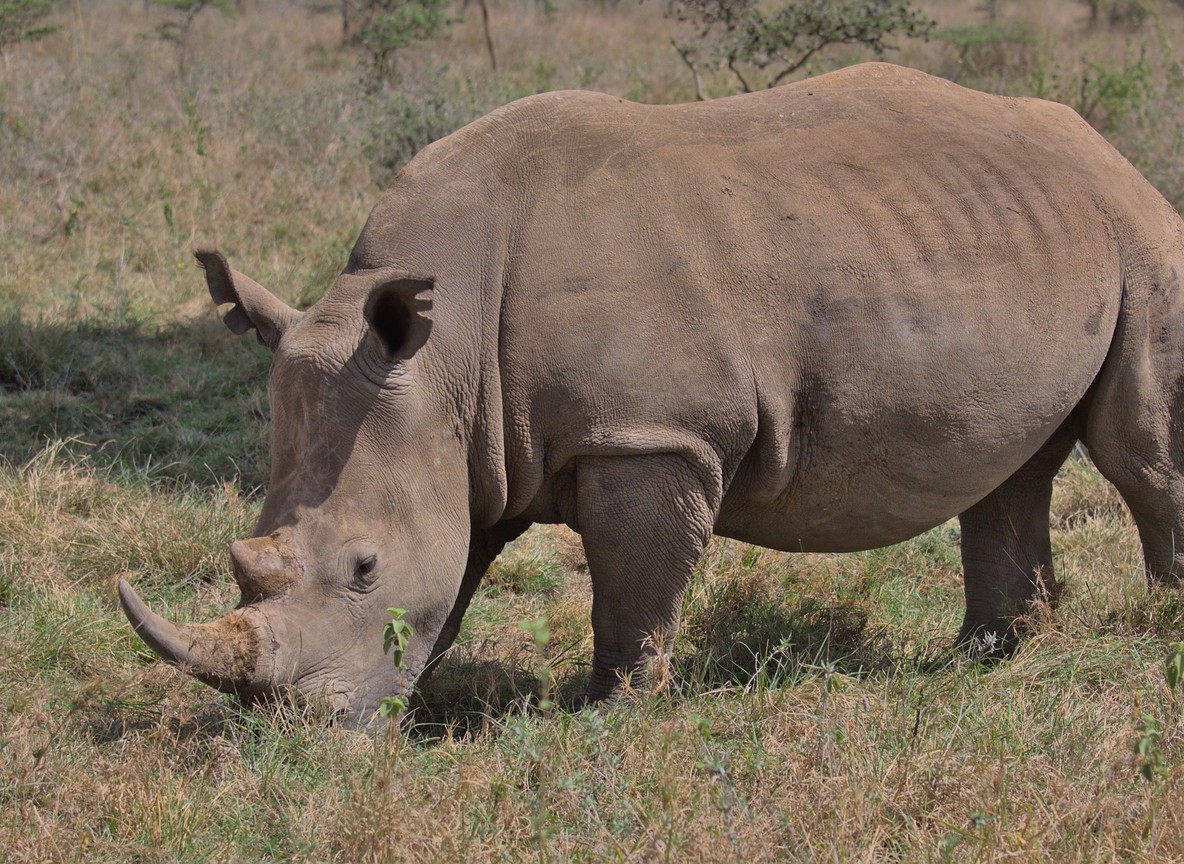
Walking changes what you notice. You track fresh elephant prints, read dik-dik alarm calls, and spot the small things a speeding vehicle flies past. For photographers and wildlife enthusiasts, the payoff is a level of intimacy that a game drive rarely delivers. 📸
The Key Facts First
Here is the concrete data for planning a camel trek safari in Samburu, Kenya. Prices are indicative 2026 ranges and shift by season and camp, so treat them as a guide, not a quote.
| Planning Factor | Detail |
|---|---|
| Region | Samburu, Laikipia, and the Mathews Range, northern Kenya |
| Samburu National Reserve size | 165 km2 |
| Buffalo Springs National Reserve | 131 km2 |
| Shaba National Reserve | 239 km2 |
| Main river | Ewaso Ng’iro (Uaso Nyiro) |
| Drive from Nairobi | approx 325 km, 5.5 to 6.5 hours to Archer’s Post |
| Bush flight (Wilson to Samburu airstrip) | approx 1 hour 15 minutes |
| Reserve entry fee (non-resident) | approx USD 70 to 80 per adult per day |
| Conservancy fee (community land) | approx USD 25 to 100 per person per day |
| Indicative camel trek cost | approx USD 350 to 750 per person per night, all-inclusive |
| Typical trek length | 3 to 6 nights, 8 to 15 km walked per day |
| Best months | June to October and December to March |
| Samburu Special Five | Grevy’s zebra, reticulated giraffe, gerenuk, Somali ostrich, beisa oryx |
Where You Walk: Real Routes and Named Places
The wild north is big, so most trek routes cluster around a few strongholds. These are the real places tours and safaris use.
Namunyak Wildlife Conservancy and the Mathews Range. Home to Sarara Camp and the famous Reteti Elephant Sanctuary, the first community-owned elephant orphanage in Africa. Treks here climb from dry lowland toward the green, forested Mathews Range, a striking contrast in a single walk.
Laikipia plateau. Karisia Walking Safaris, based near Tumaren, built its whole model on camel-supported walking. This is prime country for multi-day treks that link private conservancies, with big skies and open plains that make for easy, comfortable walking.
Ololokwe (Mount Sabache). This flat-topped sacred mountain rises above Archer’s Post. Sabache Camp sits at its base, and the summit trek rewards you with a view across the plains toward Samburu National Reserve.
Ndoto Mountains and Desert Rose. Further north and wilder, this is remote fly-camping territory for travelers who want true distance from the crowds.
Each route can be walked as a point-to-point trek or as short daily loops from one base camp. Trunktrails Safaris matches the route to your fitness, your dates, and how far off-grid you want to go.
What You Will See
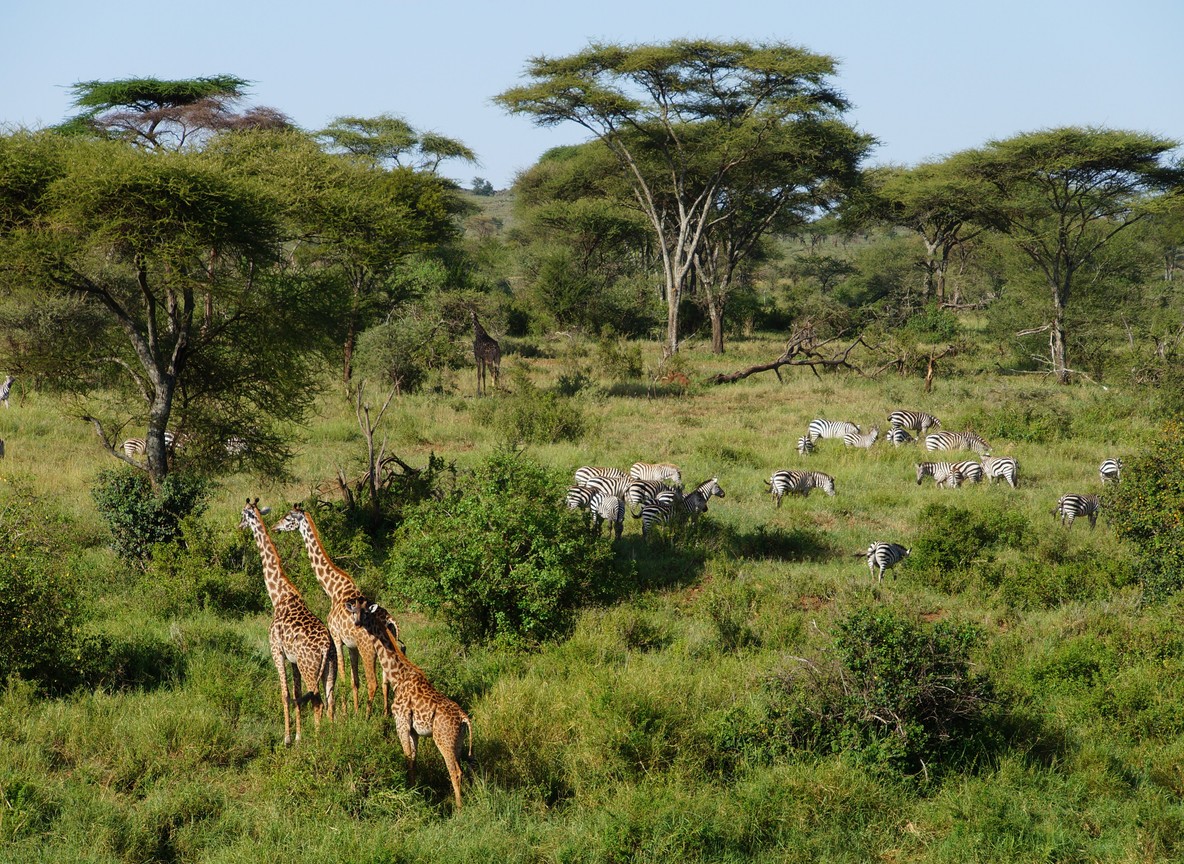
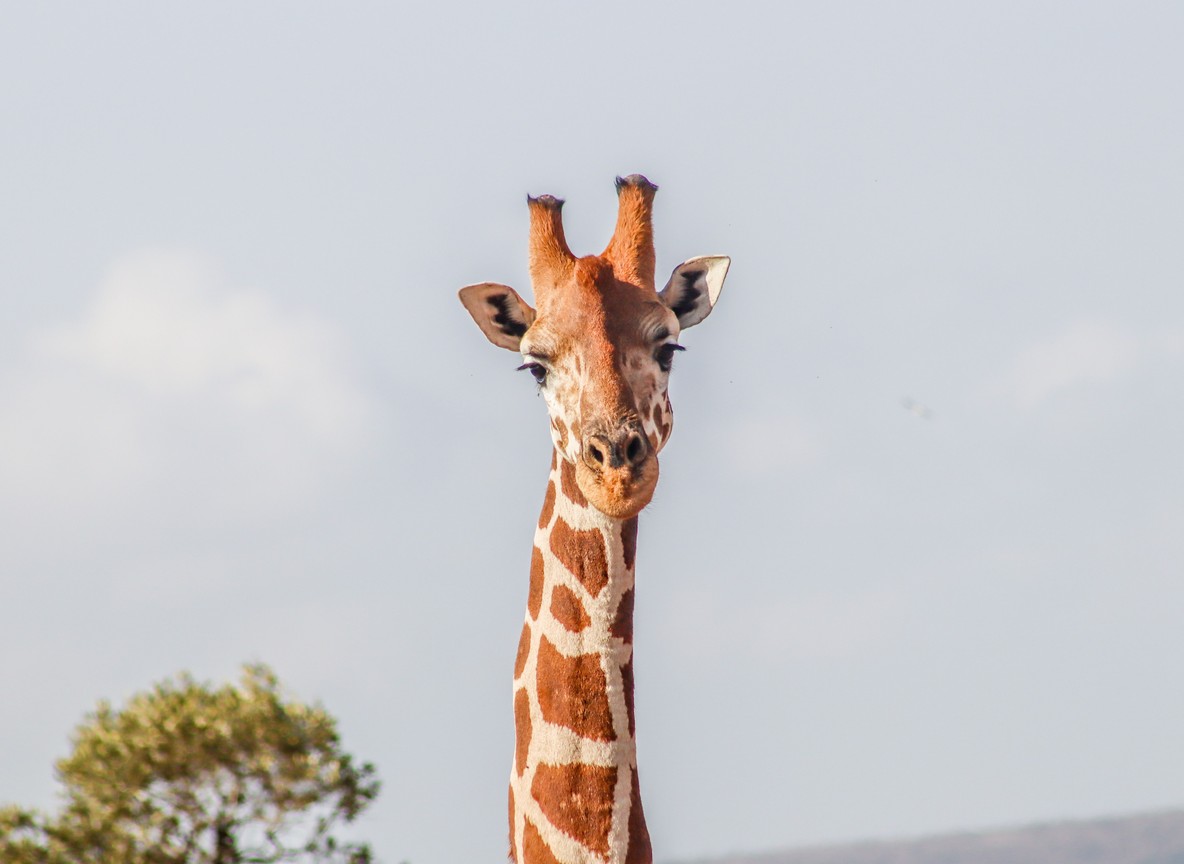
Northern Kenya holds species you will not find in the Masai Mara. The Samburu Special Five are the headline act, and walking gives you a fair chance at all of them. Reticulated giraffe cross the ridgelines in clean geometric coats. Gerenuk stand on hind legs to browse. Grevy’s zebra, the largest and most endangered zebra, gathers near the river.
Elephants move through these conservancies in family herds, and on foot you learn to give them room and read their mood. Big cats are present but shy, so leopard and lion are more often heard than seen. Birdlife is superb, with over 390 recorded species across the Samburu ecosystem.
The cultural side matters just as much. Your guides are Samburu, and walking their ancestral land with them turns the trek into a genuine exchange. You learn the plants they use, the way they read the bush, and the stories tied to each ridge and spring. That connection is the heart of these tours and safaris. ✨
Best Time to Go
Timing shapes the whole experience. The two dry windows are your friends.
June to October (long dry season). This is the prime stretch. Trails are firm, rivers are low and easy to cross, and wildlife concentrates near the Ewaso Ng’iro. Days are warm and clear, nights are cool and good for sleeping under canvas.
December to March (short dry season). Another strong window, hot and dry with excellent visibility. This period also brings dramatic light for photography.
Avoid the peak of the long rains from late March into May, when riverbeds flood, tracks turn to mud, and many mobile camps close. The short rains around November are lighter and often walkable, though you should expect the odd afternoon shower.
Camel Trek vs Classic Game Drive Safari
Which style suits you? This quick comparison lays it out.
| Factor | Camel Trek Safari | Classic Game Drive |
|---|---|---|
| Pace | Slow, immersive, on foot | Fast, cover more ground |
| Ground covered per day | 8 to 15 km walking | 40 to 100 km driving |
| Wildlife proximity | Intimate, natural behaviour | Closer vehicle approach to cats |
| Big cat sightings | Fewer, more distant | More frequent |
| Fitness needed | Moderate to good | Low |
| Cultural depth | Very high, guide-led | Moderate |
| Best for | Wildlife enthusiasts, walkers, photographers | First-timers, families, big-five hunters |
| Indicative nightly cost | USD 350 to 750 pp | USD 250 to 900 pp |
Many travelers combine both. A common pattern is two nights of classic game drives in Samburu National Reserve, then three nights walking with camels in a neighbouring conservancy. You get the guaranteed sightings and the deep, quiet immersion in one trip.
A Typical Day on the Trail
Days start early, before the heat builds. You wake to tea at camp, walk a few cool hours while the light is soft and the animals are active, then break for a shaded rest and brunch around mid-morning. The camels move ahead to the next camp during the hot middle of the day.
By late afternoon you walk again, tracking wildlife toward a new site where the crew has already pitched your tent and lit a fire. Dinner is served under the open sky, and the northern nights deliver a star field most city travelers have never seen. There is no rigid schedule. Distances flex around your pace, the weather, and whatever the bush shows you that day. This unhurried rhythm is what sets walking tours and safaris apart from a packed drive itinerary.
What to Pack and How Fit You Need to Be
You do not need to be an athlete. If you can walk 10 to 15 km on uneven ground at a relaxed pace with rest stops, you are ready. Guides set an easy rhythm and stop often for wildlife and shade.
Pack light neutral clothing, a wide-brim hat, sturdy broken-in walking shoes, a fleece for cool nights, sunscreen, and a refillable water bottle. Leave bright colours and heavy luggage behind, since the camels carry only what is essential. A good pair of binoculars will earn its place in your day pack every single hour.
The Trunktrails Advantage
A camel trek is only as good as the team walking beside you. This is where Trunktrails Safaris earns its place.
We are a native Kenyan-owned operator with deep roots in the north, and we work directly with Samburu community conservancies rather than around them. That means your fees support the people and wildlife on the ground, and your guides are locals who know every spring, ridge, and animal trail. Our walking teams are trained in bush safety, tracking, and first response, so you can relax into the experience.
We also plan honestly. We match the route to your real fitness, we never oversell sightings, and we build in flexibility for weather and pace. Every trek is privately guided, so your group sets the rhythm. From your first message to your final night under the stars, one team owns your trip. That accountability is the quiet advantage behind all our tours and safaris. 🦁
Ready to Walk the Wild North?
The vehicles can wait. If you want a Kenya safari that you feel in your legs and remember in your bones, a camel trek through Samburu is it. Picture the Ewaso Ng’iro at dawn, a line of camels ahead of you, and a guide pointing out fresh leopard tracks in the sand. 🌅
Let us build your trek. Tell us your dates, your fitness, and how far off-grid you want to go, and we will design a route that fits.
Talk to Trunktrails Safaris today:
Further reading
More safari planning resources
- Map of Samburu from Valley Safaris
- Samburu National Reserve guide on Touring Insights
- Samburu destination guide on FindMySafari
- Best time to visit Kenya month-by-month map from Valley Safaris
- WhatsApp: +254 113 208888
- Email: info@trunktrailssafaris.com
- Web: trunktrailssafaris.com
Your walk into Kenya’s wild north starts with one message. Send it now.