
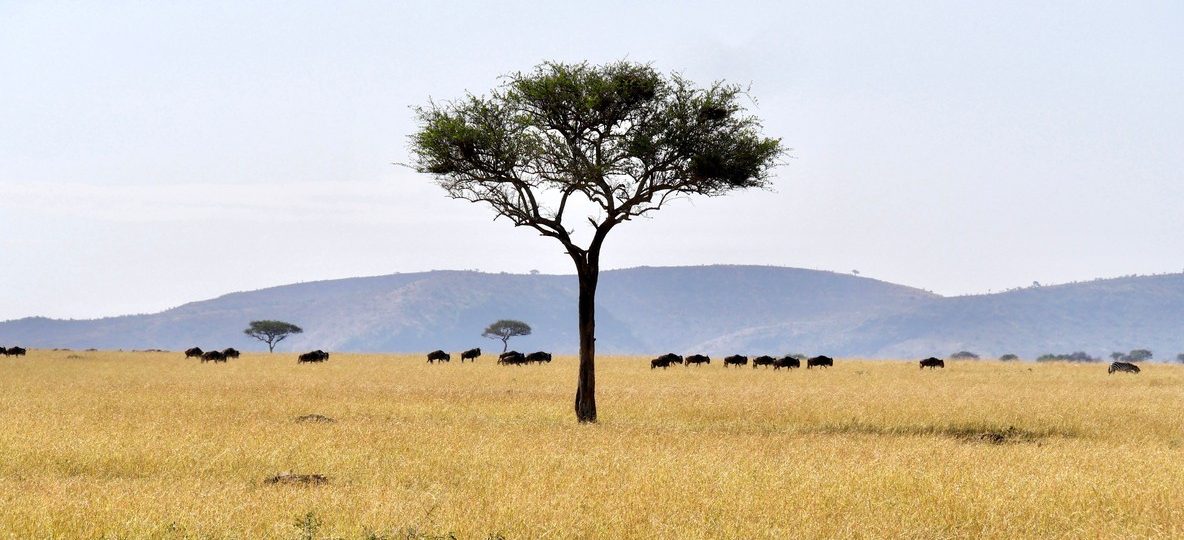
Best Time to See the Wildebeest Migration in the Masai Mara
If you are trying to pin down the best time to see the wildebeest migration in Masai Mara, the short answer is late July through early October, with the Mara River crossings peaking in August and September. But that single answer hides a lot of useful detail, and travelers who book based only on the headline dates often miss the finer points that decide whether a trip actually delivers a crossing. Trunktrails Safaris builds migration-timed itineraries every year, and this guide breaks down exactly what happens month by month, where to stand, and what it costs, so your tours and safaris are timed around real herd behavior rather than guesswork.
Why the Masai Mara Migration Timing Is Hard to Predict
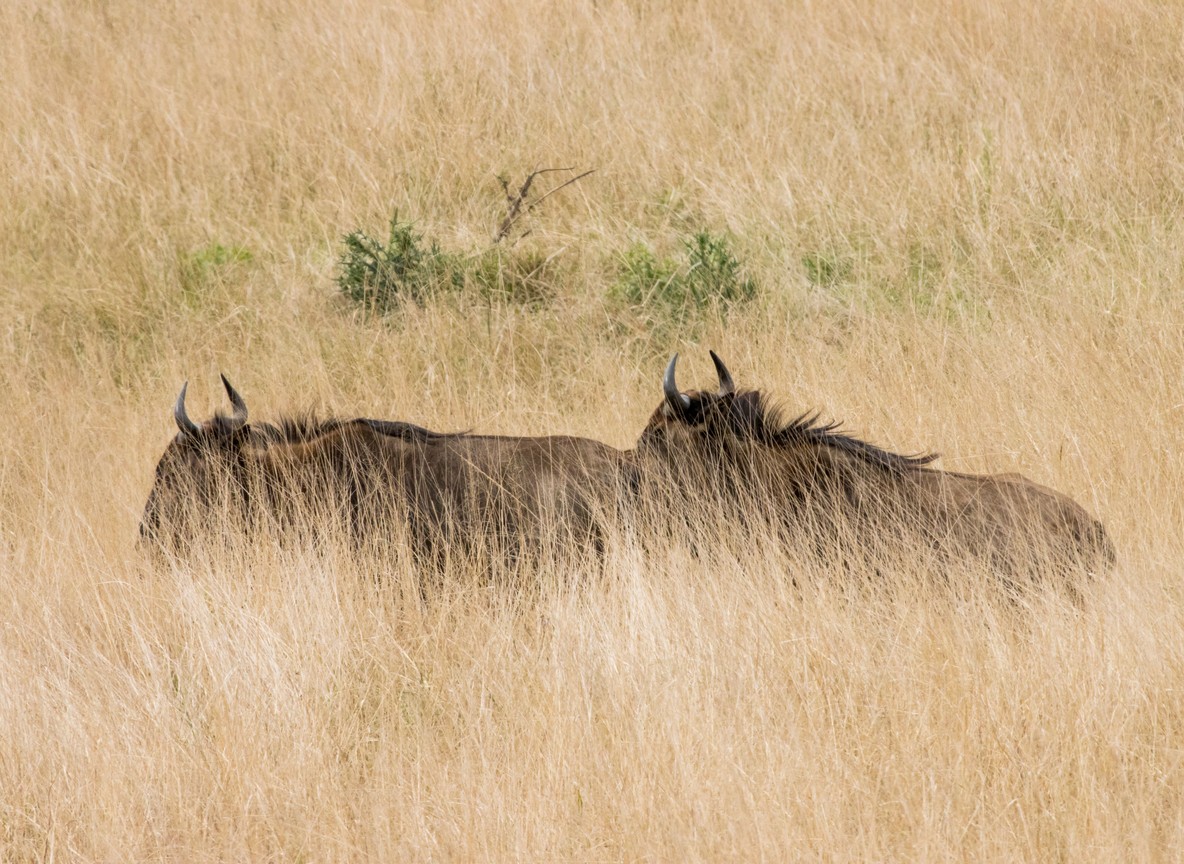
Over 1.5 million wildebeest, joined by around 200,000 zebra and 400,000 gazelle, move in a roughly clockwise loop through the Serengeti-Mara ecosystem, chasing fresh grass that follows the rains. They are not on a fixed calendar. Rainfall patterns shift the herds earlier or later by two to three weeks most years, which is why even experienced guides give a range rather than an exact date when clients ask when the wildebeest will cross the Mara River.
What is predictable is the broad pattern. The herds spend January through March calving on the short-grass plains of the southern Serengeti, move north through the western corridor from April through June, then push into the Masai Mara National Reserve from July onward, staying until the short rains push them south again around late October or November. Trunktrails Safaris tracks ranger and camp reports throughout the season to refine exact crossing windows for guests booking close to travel dates.
Month-by-Month: Masai Mara Migration Windows
| Month | Herd Location | River Crossing Odds | Crowd Level | Notes |
|---|---|---|---|---|
| January-March | Southern Serengeti (Kenya-bound herds not yet present) | None in the Mara | Low | Resident wildlife and calving season further south |
| April-June | Western Serengeti corridor | Low, early arrivals possible late June | Low to moderate | Green season, lower camp rates |
| July | Entering the Mara via Sand River and Lookout Hill | Moderate, first crossings begin | Moderate | Mega-herds typically arrive third week of July |
| August | Mara Triangle, Talek, and Serena areas | High | Very high | Peak crossing month, book 6+ months ahead |
| September | Throughout the reserve, frequent back-and-forth crossings | High | Very high | Widely rated the most reliable crossing month |
| October | Herds begin drifting south, secondary crossings continue | Moderate to high | Moderate | Strong big-cat activity as herds thin out |
| November | Short rains push herds toward the Serengeti | Low | Low | Green season, migration mostly departed by late month |
| December | Herds back in the Serengeti | None in the Mara | Low | Resident wildlife only |
Crossing odds are based on historical patterns from Mara Conservancy and Narok County ranger reports, not a guarantee. Trunktrails Safaris checks current herd position before confirming migration-focused itineraries.
Where the Crossings Actually Happen
The Mara River cuts through the reserve’s western Mara Triangle and along the eastern boundary near Talek, and crossing points shift with water levels and herd pressure from one week to the next. The most consistently active crossing points sit near the Lookout Hill and Purungat Bridge area in the Mara Triangle, along the river stretch near Serena Mara Lodge, and around the Sand River crossing near the reserve’s southern boundary with the Serengeti. Cottars 1920s Safari Camp in the Olderkesi Conservancy sits close to that southern approach route, giving early access to herds entering from Tanzania before the peak-season crowds build up in the Triangle.
No camp or guide can guarantee a crossing on a specific day. Herds can gather at a riverbank for hours before crossing, or turn back and try again the next day. Trunktrails Safaris builds in at least two to three full days near the river during peak months specifically to raise the odds of witnessing one.
Getting to the Masai Mara for Migration Season
The Masai Mara National Reserve covers approximately 1,510 square kilometers in southwestern Kenya, roughly 270 kilometers from Nairobi by road. The drive takes 5 to 6 hours via Narok town, most of it on tarmac with the final stretch on graded murram roads once you reach the reserve boundary. Flying is faster and more common during peak season: scheduled flights from Nairobi’s Wilson Airport land at airstrips including Keekorok, Musiara, Ol Kiombo, and Mara Serena, with flight times of roughly 45 minutes.
Reserve entry fees run approximately USD 80 to 100 per person per 24-hour period during peak season, paid on top of accommodation costs. These are indicative figures only. Narok County revises rates periodically, so Trunktrails Safaris confirms exact current fees at the time of booking.
Peak Season vs Shoulder Season: What Changes
| Factor | Peak Season (Aug-Sep) | Shoulder Season (Jul, Oct) | Off-Season (Nov-Jun) |
|---|---|---|---|
| Crossing likelihood | High, often multiple per week | Moderate, building or tapering | Rare to none |
| Camp rates | Highest of the year | Mid-range | Lowest, some camps offer green-season discounts |
| Vehicles per sighting | Can reach a dozen or more at popular crossings | Fewer, especially early July | Minimal crowding |
| Booking lead time | 6-9 months for top camps | 3-4 months | Often available within weeks |
| Weather | Dry, dusty, warm days and cool nights | Dry with occasional light rain in October | Green season rains, especially Nov and Apr-May |
Choosing a Camp for Migration Timing
Where you stay changes how quickly you reach active crossing points, and it changes your odds of avoiding the worst of the crowds. Governors’ Camp sits directly on the Mara River in the Musiara area, close to some of the most active crossing zones during peak months. Mara Serena Safari Lodge overlooks the Mara Triangle from a hilltop position, giving guides a vantage point to spot herd movement before heading out. Angama Mara sits on the Oloololo Escarpment above the Triangle, offering sweeping views along with quick descent access to the plains below.
For travelers who want migration proximity without reserve-level crowds, Mara Plains Camp and Kicheche Bush Camp in the surrounding conservancies put you close to the herds’ approach routes with far fewer vehicles at each sighting, though they trade some crossing-point proximity for that exclusivity. Trunktrails Safaris matches camp choice to what matters most to each traveler, whether that is being first at the river or having the encounter mostly to yourselves.
What a Typical Migration-Season Day Looks Like
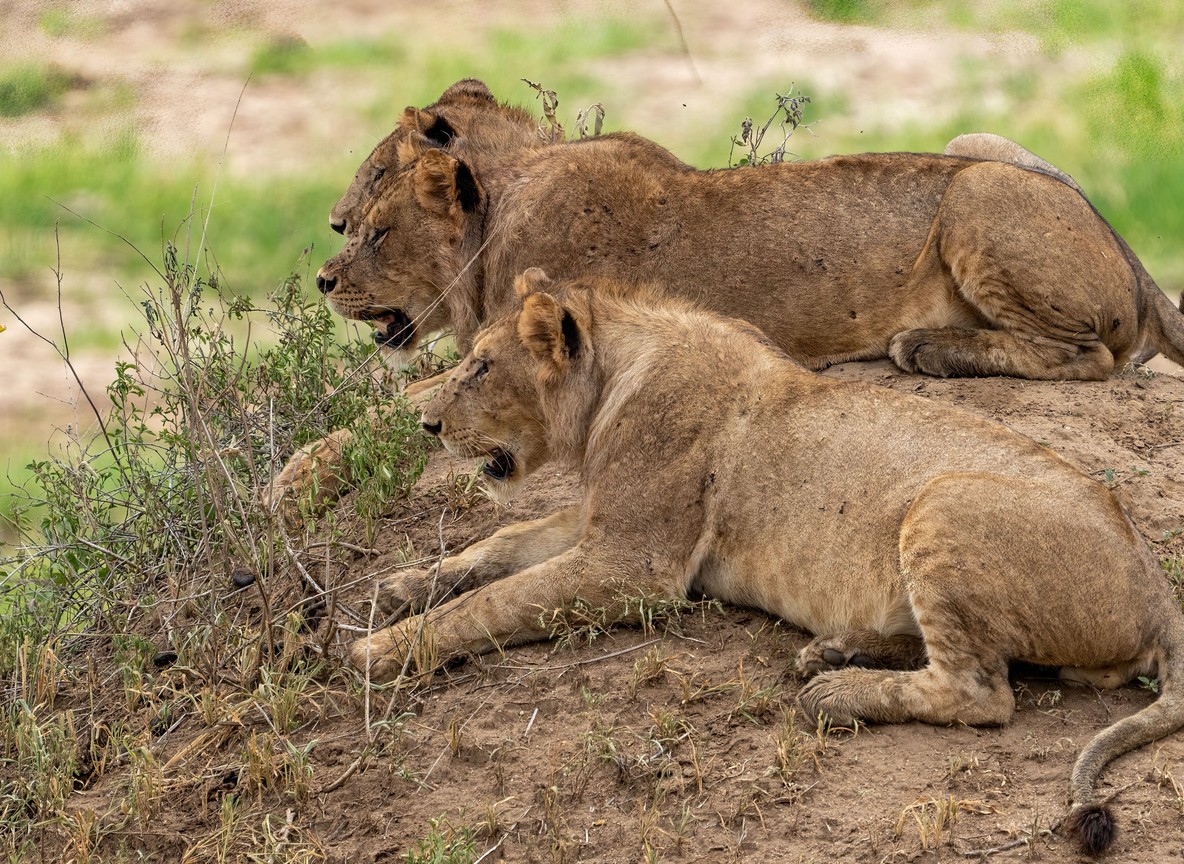
Camps during August and September run an early departure, often before 6 AM, to reach known herd gathering points while the light is soft and before other vehicles arrive. Guides communicate by radio across camps to track where herds are massing near the river, since a single crossing can happen within a 20-minute window and guides need to be in position before it starts. Midday is typically spent back at camp during the heat, with a second game drive in the late afternoon when animals become active again and predators start hunting near the thinned-out herds.
Full-day drives with a packed lunch are common near peak crossing points, since driving back and forth to camp risks missing a crossing that starts while you are away. Trunktrails Safaris builds full-day options into every August and September itinerary for exactly this reason, a detail many generic tours and safaris packages overlook.
The Trunktrails Advantage
Trunktrails Safaris is a Kenyan-owned operator with guides who track herd movement daily throughout migration season, not just from published forecasts. That local, on-the-ground knowledge is what separates a trip that catches a crossing from one that spends three days waiting in the wrong spot. Our team maintains direct relationships with camps across the reserve and its surrounding conservancies, which means we can often secure migration-season beds even when a camp shows as fully booked on general booking sites.
We also build realistic itineraries. If you are traveling in August, we tell you honestly what the crowds will be like at popular crossing points and offer conservancy-based alternatives if that matters to you. If you can only travel in November or April, we will not oversell you on migration odds, but we will show you what the Masai Mara still delivers in resident wildlife and lower rates during those months. Every quote from Trunktrails Safaris includes current camp availability and reserve fees, confirmed before you commit to your tours and safaris.
Plan Your Masai Mara Migration Trip
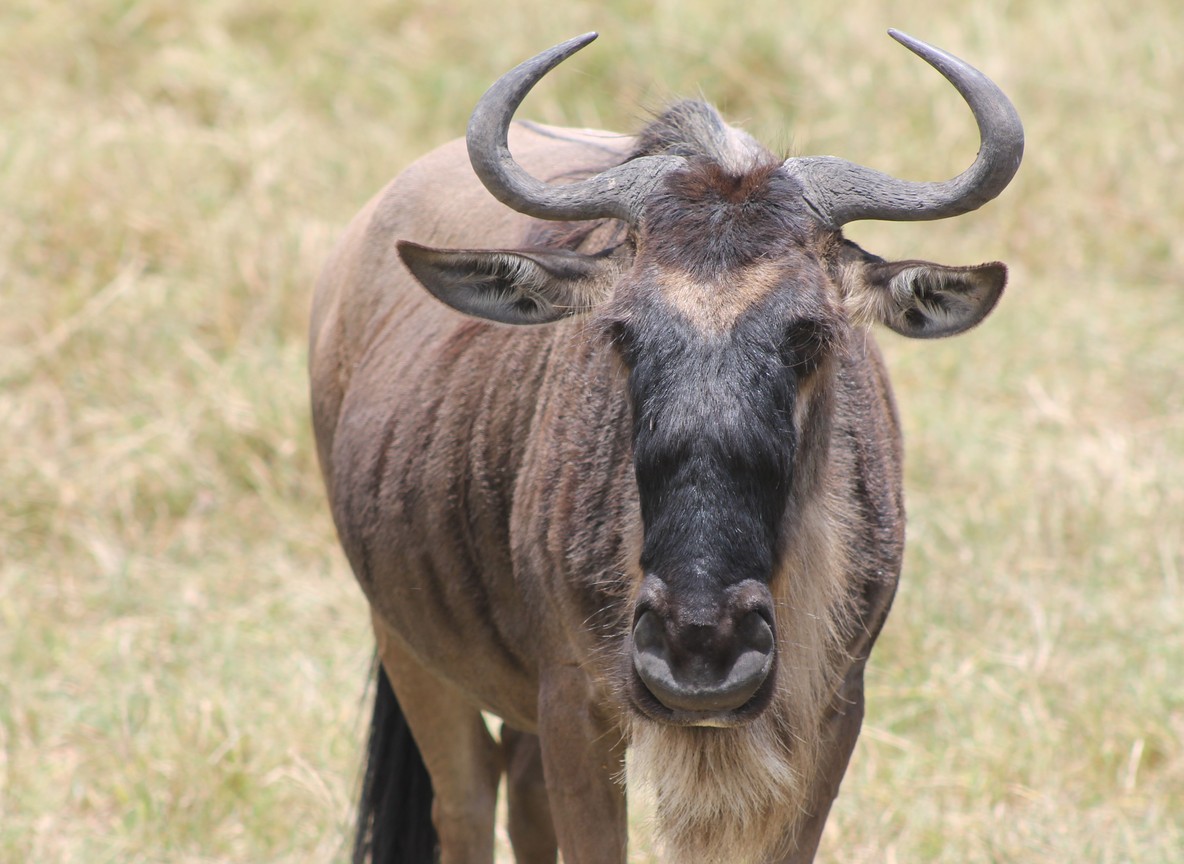
The best time to see the wildebeest migration in Masai Mara comes down to what you want most: the highest odds of a river crossing, or a quieter trip with fewer vehicles. Either way, timing your dates right is the single biggest factor in how your trip turns out, and the best camps sell out months before the herds arrive.
Further reading
More safari planning resources
- Best time to visit Kenya month-by-month map from Valley Safaris
- Mara River crossing guide on Touring Insights
- Great Migration safari collection on FindMySafari
- Wildebeest migration route map from Valley Safaris
Send Trunktrails Safaris your travel window and what matters most to you, and our team will build an itinerary timed around current herd position, camp availability, and your budget. Message us on WhatsApp at +254 113 208888, email info@trunktrailssafaris.com, or visit trunktrailssafaris.com to start planning your Masai Mara migration safari today. 🦓🌍