
Cottar’s 1920s Safari Camp Kenya: What to Know Before You Book 🌍
Cottar’s 1920s Safari Camp is one of the oldest safari names in Kenya, and one of the most exclusive places to stay on the edge of the Masai Mara ecosystem. It sits on private conservancy land, runs walking safaris and night drives the main reserve cannot permit, and charges rates that put it firmly in the ultra-luxury bracket. At Trunktrails Safaris, guests ask us about Cottar’s 1920s Safari Camp often enough that a clear, honest answer is worth writing down before anyone commits their travel budget.
This guide covers where the camp actually sits, how to get there, what the rates typically include, and how it compares to other well-known Masai Mara camps. No inflated claims, no invented numbers. Just what matters for planning tours and safaris around this specific camp.
What Is Cottar’s 1920s Safari Camp?
Cottar’s traces its roots to 1919, when Charles Cottar started guiding safaris in East Africa, making it one of the longest-running safari family names in Kenya. The current camp was rebuilt in 2004 by Calvin Cottar, a fourth-generation member of the family, and it leans hard into that heritage. Tents are furnished with restored antiques, brass fittings, and claw-foot bathtubs, built to evoke a 1920s expedition rather than a modern glass-and-steel lodge.
The camp has 10 tents, including one family tent, so it sleeps a small number of guests at any one time. That size is deliberate. Cottar’s Safaris built its whole model around low density rather than high turnover, which shapes almost everything else about a stay here.
Where Is Cottar’s Located?
Cottar’s 1920s Safari Camp sits inside the Cottar’s Wildlife Conservation Trust land, a private conservancy of roughly 6,000 acres (about 24 km²), with additional traversing rights across the wider Olderkesi Conservancy on the southeastern boundary of the greater Masai Mara ecosystem. The camp is close to the Sand River, and the Tanzania border with the Serengeti National Park is only a few kilometers away, which is part of why wildlife moves freely through the area during the migration months.
Because this is conservancy land and not the Masai Mara National Reserve itself, the rules are different. Walking safaris, night game drives, and off-road driving toward sightings are all permitted here, activities that are banned inside the main Reserve boundary. That single distinction is one of the biggest reasons guests choose Cottar’s over a reserve-based lodge.
Getting There: Flights and Road Options
| Route | Distance / Time | Notes |
|---|---|---|
| Nairobi (Wilson Airport) to Cottar’s airstrip | Approx. 45-55 minutes by scheduled light aircraft | Most common route; confirm current carrier and schedule at booking |
| Nairobi to Cottar’s by road | Approx. 300 km via Narok and Sekenani Gate, then on to Olderkesi | Allow 6-7 hours; road conditions vary in the rains |
| Camp to Maasai Mara National Reserve boundary | A short game drive away | Reserve entry fees apply separately if you cross into the Reserve itself |
| Camp to Tanzania border (Serengeti side) | A few kilometers | Explains cross-border wildlife movement during migration season |
Indicative figures only. Always confirm flight schedules, road conditions, and border logistics directly with your safari operator before travel.
What to Expect: Style, Size, and Rates
Cottar’s positions itself as an ultra-luxury, low-volume camp rather than a mid-range option. Nightly rates are typically indicative of USD 1,000 to 1,600 or more per person, on an all-inclusive basis covering meals, house drinks, game drives, and the conservancy fee itself. Rates shift with season and vehicle exclusivity options, so treat any figure as a starting point for a conversation with your booking agent, not a fixed price.
That conservancy fee matters. Inside the Masai Mara National Reserve, non-resident conservation fees are charged separately and run close to USD 100 per person per day in peak season. At a private conservancy camp like Cottar’s, that cost is usually folded into the nightly rate, so the headline price already reflects it.
Cottar’s 1920s Safari Camp vs Other Masai Mara Camps
| Camp | Location | Tents | Activities Allowed | Indicative Rate (per person/night, all-inclusive) |
|---|---|---|---|---|
| Cottar’s 1920s Safari Camp | Olderkesi Conservancy, southeastern Mara, ~6,000 acres private land | 10 | Game drives, walking safaris, night drives, off-road | USD 1,000-1,600+ |
| Angama Mara | Oloololo Escarpment, above the Mara Triangle | 30 | Game drives, walking safaris (limited) | USD 900-1,400+ |
| Governors’ Camp | Musiara area, inside the Reserve on the Mara River | Over 35 across sub-camps | Game drives only (Reserve rules apply) | USD 500-900+ |
| Kicheche Valley Camp | Naboisho Conservancy, northeast of the Reserve | 12 | Game drives, walking safaris, night drives | USD 700-1,100+ |
Figures are indicative ranges only, drawn from typical published rate brackets, and change by season. Confirm exact current pricing with Trunktrails Safaris or the camp directly before booking.
The pattern is consistent. Camps inside the Reserve boundary, like Governors’ Camp, tend to sit at a lower price point but lose the walking safari and night drive privileges. Conservancy camps like Cottar’s, Angama, and Kicheche cost more per night but buy activities and privacy the Reserve cannot legally offer.
Best Time to Visit Cottar’s 1920s Safari Camp
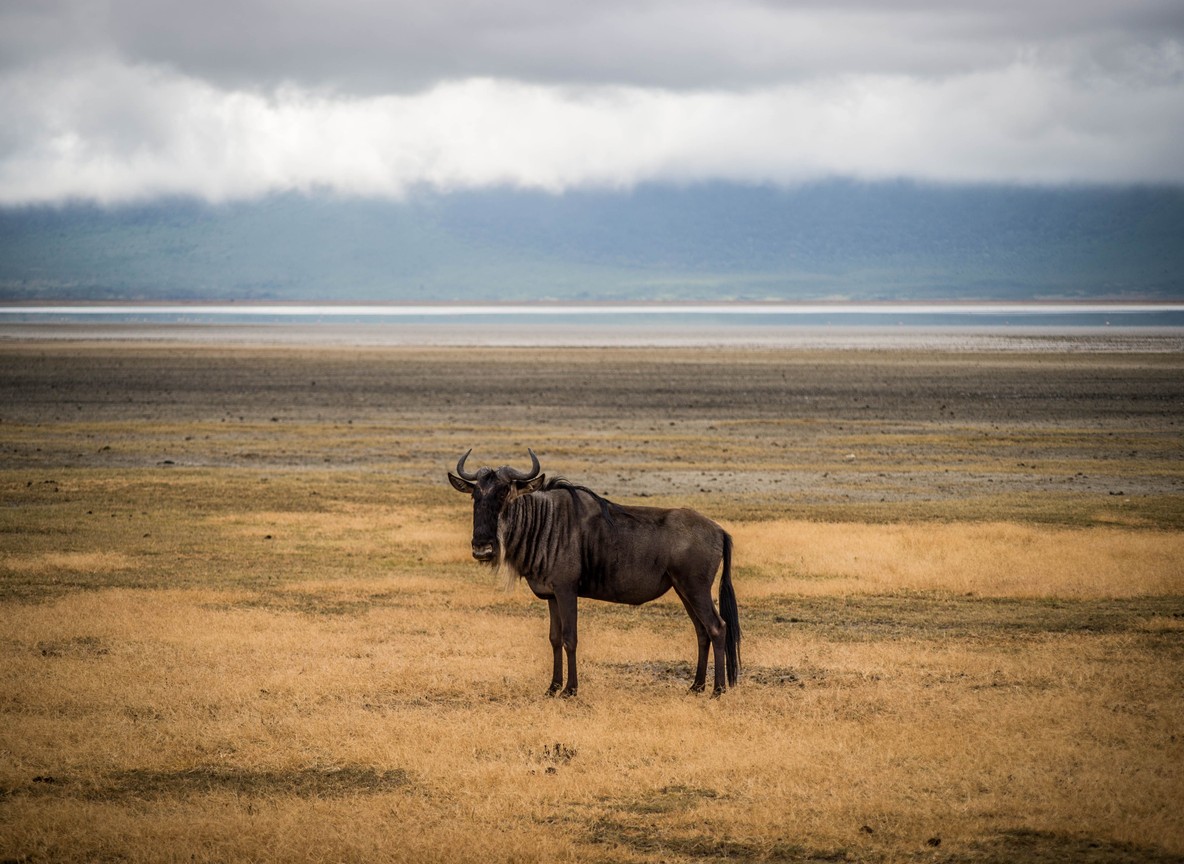
The dry seasons, from late June through October and again from late December through February, bring the clearest game viewing and the driest tracks for walking safaris. July through September lines up with the wildebeest migration moving through the wider Mara-Serengeti ecosystem, and Cottar’s proximity to the Tanzania border means resident wildlife density stays high even outside the peak crossing months near the Mara River itself.
The long rains between March and May thin out visitor numbers further at a camp that is already low density, which appeals to travelers who value solitude over guaranteed migration drama. Birdlife and newborn wildlife are stronger during and just after the rains, which suits photography-focused guests planning tours and safaris around specific sightings rather than the crossing season alone.
Wildlife and Conservation on the Conservancy
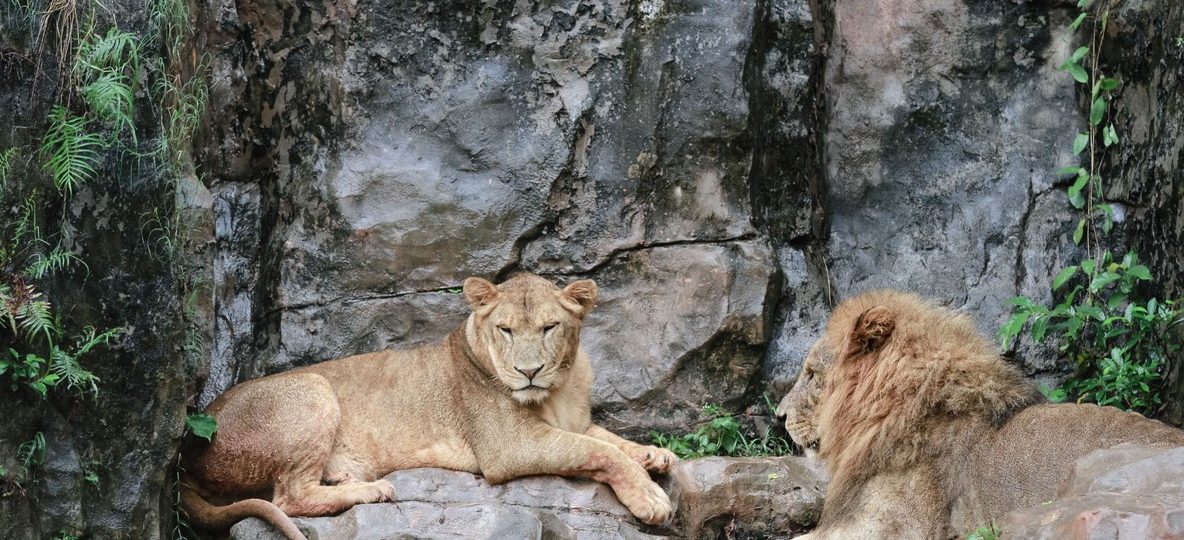
The Cottar’s model links directly to conservation funding. Because the conservancy operates on a lease-fee arrangement with local Maasai landowners, guest nightly rates fund both land protection and community income, rather than routing solely through government park fees. Lion, elephant, giraffe, and resident plains game move across the conservancy and into the wider Olderkesi and Mara ecosystem without the fencing seen at some private reserves elsewhere in Kenya.
Walking safaris here are led by armed Maasai guides trained in traditional tracking, giving guests a different pace of wildlife encounter than a vehicle-only itinerary. Night drives use handheld spotlights to look for nocturnal species such as genets, aardvarks, and hunting leopards, activities that are simply not legal inside the main Reserve.
What to Know Before You Book
- Confirm whether your quoted rate includes the conservancy fee, laundry, and specific activities like walking safaris, since inclusions vary by season and package.
- Ask about vehicle sharing versus private vehicle options, since exclusivity is part of what the price covers.
- Pack layers. Mornings and evenings on the conservancy can be cool even in the dry season, and walking safaris often start before sunrise.
- Confirm your flight schedule to the camp’s airstrip well ahead of travel, since scheduled light aircraft routes change with demand.
- If migration timing matters to your trip, ask specifically how close the current wildebeest concentrations are to the conservancy, since crossings shift year to year.
The Trunktrails Advantage
Booking a camp like Cottar’s 1920s Safari Camp directly can mean guessing at seasonal rate changes, activity inclusions, and flight connections without a clear point of comparison. Trunktrails Safaris builds tours and safaris that place camps like Cottar’s inside a full itinerary, matched against your budget, your preferred season, and the rest of your Kenya route, rather than booking it in isolation.
As a Kenyan-owned operator, Trunktrails Safaris works directly with camps across the Mara ecosystem, including conservancy properties like Cottar’s, to confirm current rates and availability before you pay a deposit. That means fewer surprises on arrival and a itinerary built around what a private conservancy stay is actually for: fewer vehicles, closer sightings, and activities the main Reserve cannot offer.
Further reading
More safari planning resources
- Interactive Maasai Mara map from Valley Safaris
- Maasai Mara National Reserve guide on Touring Insights
- Compare Kenya safari packages on FindMySafari
- Best time to visit Kenya month-by-month map from Valley Safaris
Ready to Plan Your Cottar’s Stay?
A stay at Cottar’s 1920s Safari Camp works best as part of a wider Masai Mara itinerary, not a stand-alone booking. Trunktrails Safaris can build that itinerary around your dates, your budget, and the activities that matter most to you, from walking safaris at dawn to the classic wildebeest crossing further north.
Reach out to Trunktrails Safaris on WhatsApp at +254 113 208888 or email info@trunktrailssafaris.com to get a current rate quote and start planning your tours and safaris around Cottar’s 1920s Safari Camp today. ✨

