Best Samburu Camps Kenya: Wildlife and Culture Guide 2026 🐘
Finding the best Samburu camps Kenya has to offer means weighing two things most guides treat separately: wildlife access and cultural depth. Samburu sits apart from Kenya’s southern safari circuit in a way that changes what a good camp needs to deliver. This is dry, red-earth country along the Ewaso Nyiro River, home to five species you will not find on a standard southern Kenya itinerary, and to the Samburu people, whose warriors and elders still run much of the land as community conservancy. At Trunktrails Safaris, we treat a “best Samburu camp” as one that gets both parts right, not a gift-shop version of either. This guide ranks the camps that do it, with the facts, fees, and distances to plan around.
Best Samburu Camps for Wildlife and Culture: The Facts
Samburu National Reserve covers 165 square kilometres and sits about 325 to 345 km north of Nairobi, roughly 5 to 6 hours by road or 55 to 70 minutes by scheduled charter flight from Wilson Airport. It shares its ecosystem with Buffalo Springs National Reserve (108 km2) and Shaba National Reserve (239 km2), and borders community conservancies including Kalama (49,000 hectares, about 490 km2) and Namunyak, which stretches across the Mathews Range further north.
| Samburu region fact | Detail |
|---|---|
| Samburu National Reserve size | 165 km2 |
| Buffalo Springs National Reserve size | 108 km2 |
| Shaba National Reserve size | 239 km2 |
| Kalama Conservancy size | ~490 km2 (49,000 hectares) |
| Distance from Nairobi | 325 to 345 km, 5 to 6 hours by road |
| Flight time from Wilson Airport | About 55 to 70 minutes |
| Non-resident reserve entry fee (indicative, 2026) | Around USD 85 adult / USD 50 child per day |
| Reteti Elephant Sanctuary visit fee (indicative) | Around USD 35 per person |
| Indicative camp rates (per person/night, all-inclusive) | Roughly USD 450 to USD 1,000 depending on property |
Confirm current Kenya Wildlife Service and conservancy fees before booking, since rates are reviewed periodically. The figures above are indicative planning ranges, not fixed quotes.
Why Samburu Combines Wildlife and Culture Unlike Anywhere Else in Kenya
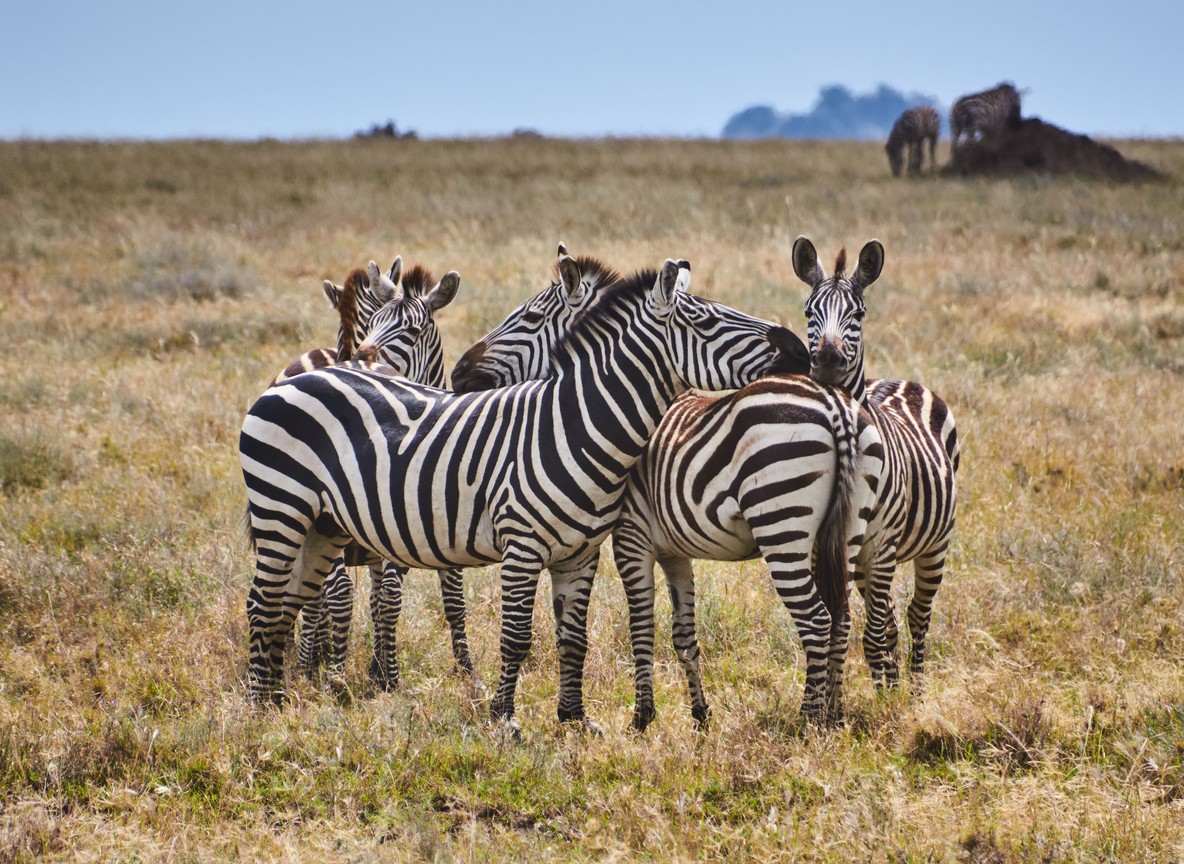
Samburu’s dry terrain supports the Samburu Special Five: Grevy’s zebra, reticulated giraffe, Beisa oryx, gerenuk, and Somali ostrich, species adapted to arid country and rarely seen in Kenya’s southern parks. The Ewaso Nyiro River pulls elephant, lion, and leopard to its banks daily, which is why camps positioned along it tend to deliver the strongest game viewing of any in the region.
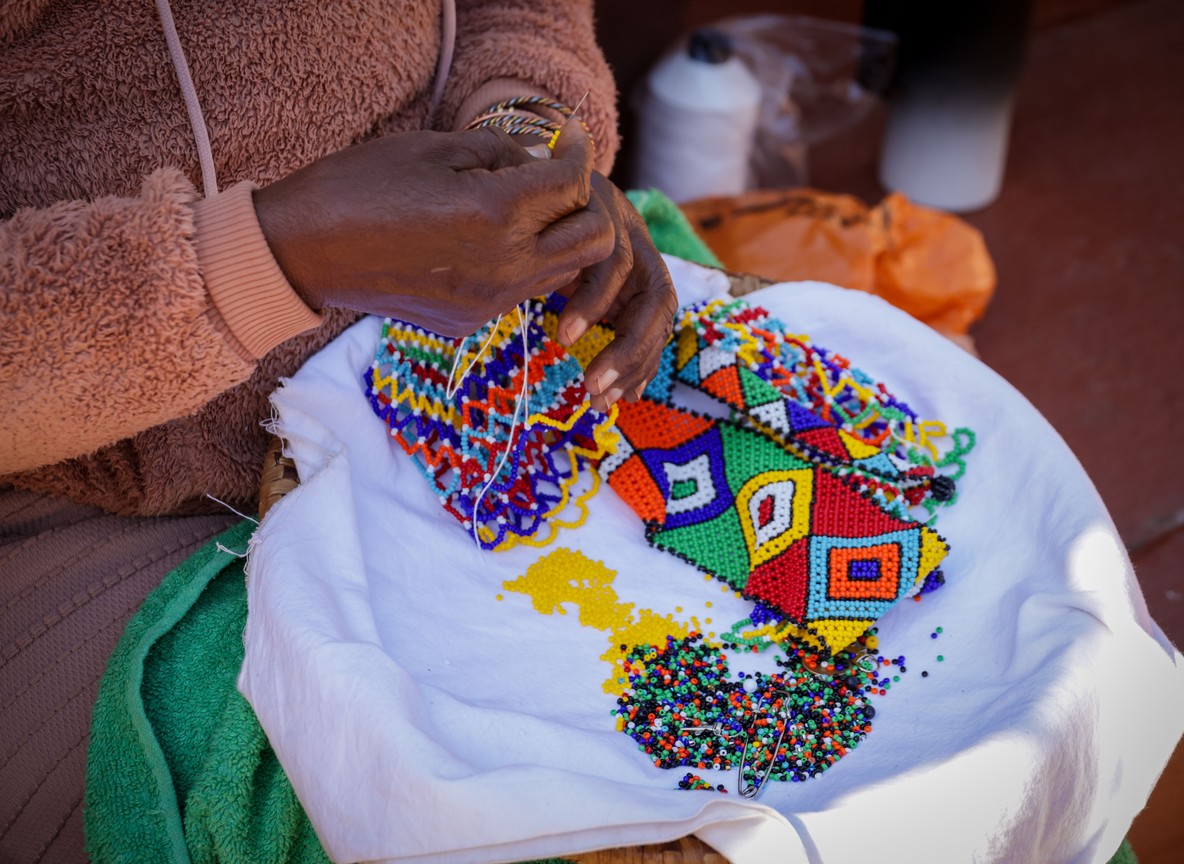
The culture side runs just as deep. Much of the land around the reserve is owned and governed by Samburu communities through the Northern Rangelands Trust network, not a government agency. Warrior-trained guides lead walking safaris. Beadwork markets, singing wells, and manyatta visits are built into itineraries, not bolted on. Trunktrails Safaris builds every Samburu tour around this dual identity, because separating the wildlife from the community that protects it misses what makes this region distinct.
The Best Samburu Camps Compared
Here is how the standout camps for a Samburu safari compare on location, style, and what each does best.
| Camp | Location | Style | Signature Feature | Indicative Rate (pp/night) |
|---|---|---|---|---|
| Elephant Watch Camp | Samburu NR, Ewaso Nyiro riverbank | Eco-camp, driftwood and canvas | Save the Elephants research access | ~$700 to $900 |
| Sasaab Camp | Westgate Conservancy ridge | Moroccan-inspired luxury | Infinity pool above the river | ~$750 to $950 |
| Saruni Samburu | Kalama Conservancy hilltop | Contemporary stone and glass | Panoramic views, camel treks | ~$600 to $800 |
| Sarara Camp | Namunyak Conservancy, Mathews Range | Community-owned safari camp | Singing wells, Reteti Elephant Sanctuary nearby | ~$800 to $1,000 |
| Elephant Bedroom Camp | Samburu NR, Ewaso Nyiro riverbank | Classic tented camp, larger scale | Elephant crossings from camp | ~$450 to $600 |
| Joy’s Camp | Shaba National Reserve | Heritage tented camp | Site of Joy Adamson’s original camp | ~$600 to $800 |
All rates are indicative and change by season and operator. Trunktrails Safaris confirms current pricing and availability at the time of booking.
Elephant Watch Camp Samburu: Wildlife Research on Your Doorstep
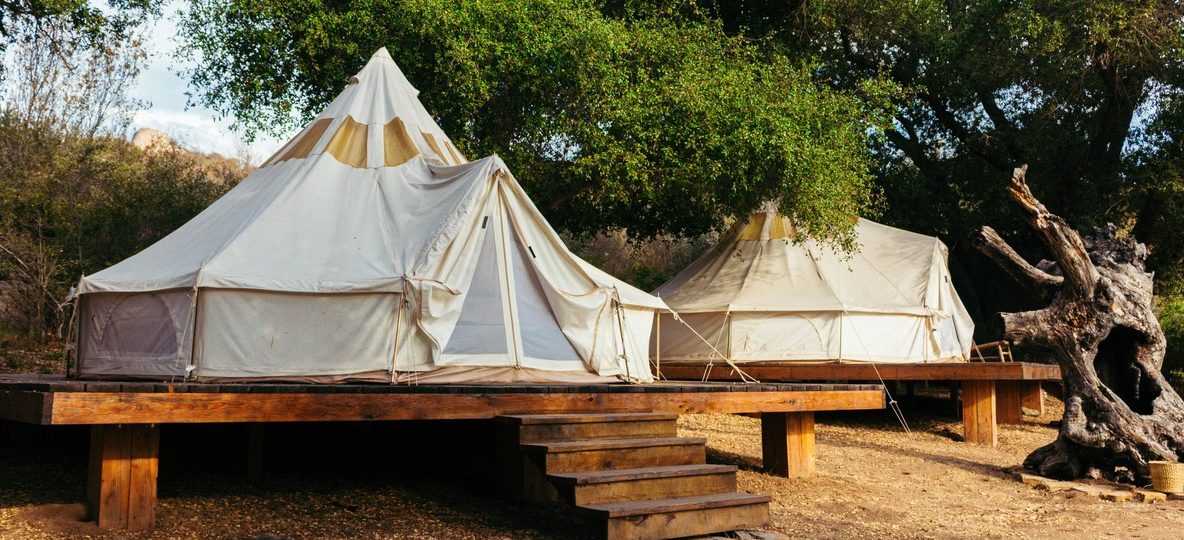
Elephant Watch Camp sits inside Samburu National Reserve, a short walk from the field base of Save the Elephants, the research organization founded by Iain Douglas-Hamilton in 1993. Only six eco-tents, built from reclaimed driftwood, keep guest numbers low. More than 500 elephants in the Samburu-Laikipia ecosystem have been individually identified and named through this research, and guests can sometimes join a briefing with the scientists behind that database. For a wildlife-focused traveler, this camp offers a depth of access that few properties anywhere in Kenya can match.
Sasaab and Saruni Samburu: Conservancy Luxury with a View
Sasaab sits above the Ewaso Nyiro on the edge of Westgate Conservancy, nine suites built in a Moroccan-influenced style with an infinity pool overlooking the river valley below. Saruni Samburu takes a different approach entirely, six villas set into a hilltop inside Kalama Conservancy, with panoramic views toward Mount Kenya on a clear day and camel trekking built into the activity list. Both sit on conservancy land, which means night drives, off-road tracking, and walking safaris are permitted, three experiences the national reserve itself does not allow.
Sarara Camp and Reteti: Where Culture Leads the Safari
Sarara Camp sits inside Namunyak Conservancy in the Mathews Range, entirely community-owned and one of the clearest examples of Samburu-led tourism in Kenya. Guests visit the ancient singing wells, where Samburu herders lower cattle by hand and sing to coordinate the work, a tradition that predates the camp by generations. Sarara sits close to Reteti Elephant Sanctuary, Africa’s first community-owned and -run elephant sanctuary, where local Samburu keepers hand-raise orphaned calves for eventual release back into the wild. A guided visit runs around USD 35 per person and pairs naturally with a Sarara stay. For travelers who want the culture side of “wildlife and culture” to be more than a brochure line, Sarara delivers it directly.
Best Time to Visit Samburu’s Camps
| Period | Season | What to Expect |
|---|---|---|
| June to October | Dry season | Elephant herds concentrate along the river daily; strongest overall viewing |
| December to February | Short dry spell | Hot days, strong predator activity, clear skies |
| March to May | Long rains | Green landscape, fewer visitors, lower camp rates |
| November | Short rains | Fresh growth, active birdlife, occasional showers |
June through October generally delivers the most reliable wildlife activity, since the Ewaso Nyiro becomes one of the only dependable water sources across the region during those months.
How to Get to Samburu’s Camps
By air (recommended): Fly from Nairobi’s Wilson Airport to Samburu, Kalama, or Ngutuk Ongiron airstrip. Flight time runs about 55 to 70 minutes on scheduled daily services, with camp vehicles handling the transfer from the airstrip.
By road: Drive north from Nairobi via Nanyuki on the A2 Highway, continuing through Isiolo toward Archer’s Post. The full journey takes 5 to 6 hours, and the final stretch into most camps runs on unpaved roads, so a 4WD vehicle matters.
Most travelers booking tours and safaris through Trunktrails Safaris fly in to save time, then combine Samburu with a Laikipia or Lewa extension on the same trip.
The Trunktrails Advantage
As a Kenyan-owned operator, Trunktrails Safaris books Samburu differently than a generic tour operator would. We know which camps sit on community conservancy land and which sit inside the national reserve, and we build itineraries that use both, because the walking safaris, night drives, and warrior-guided tracking only happen where the conservancy rules allow them. Our guides can explain the Northern Rangelands Trust model behind Sarara and Kalama, and how tourism revenue funds Samburu schools, water projects, and ranger salaries directly.
Every Trunktrails Safaris itinerary through this region pairs camp selection with proper coverage of the Samburu Special Five, plus a stop at Reteti Elephant Sanctuary where guests want deeper cultural contact. We handle the Wilson Airport charter timing, the unpaved final stretch into camp, and the logistics that trip up independent travelers planning tours and safaris on their own. When you book with Trunktrails Safaris, you get a partner who has actually stayed at these camps and can match the right one to what you want from Samburu. ✨
Choose Your Samburu Camp
The best Samburu camps in 2026 are not interchangeable. Elephant Watch Camp suits a traveler who wants research access. Sasaab and Saruni Samburu suit travelers chasing conservancy luxury and a view. Sarara puts Samburu culture and Reteti Elephant Sanctuary at the center of the trip. Picture your morning starting with a warrior-led walk past a singing well, then an afternoon watching a named elephant matriarch lead her family to the river. 🌍
Further reading
More safari planning resources
- Map of Samburu from Valley Safaris
- Samburu National Reserve guide on Touring Insights
- Samburu destination guide on FindMySafari
- Big Five safari collection on FindMySafari
Message Trunktrails Safaris on WhatsApp at +254 113 208888, email info@trunktrailssafaris.com, or visit trunktrailssafaris.com to start planning. Tell us how you want to split your nights between wildlife access and cultural depth, and we will match you to the right camp and build the tours and safaris itinerary around it.